Source Mercedes-Benz Timing Chain Tensioner for M271 M272 Repair
Find 30 verified listings for the Mercedes-Benz Timing Chain Tensioner compatible with M271 and M272 engines. Buyers can compare OEM numbers, material specs, and shipping options from suppliers in China to find the right part for replacement or repair.
Key considerations
Products List
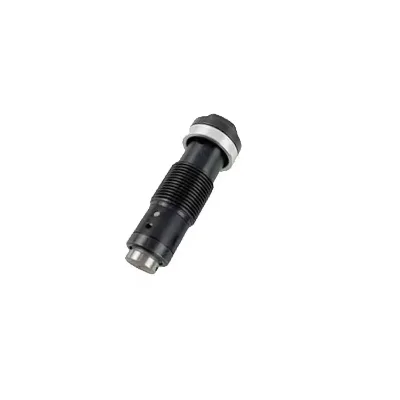


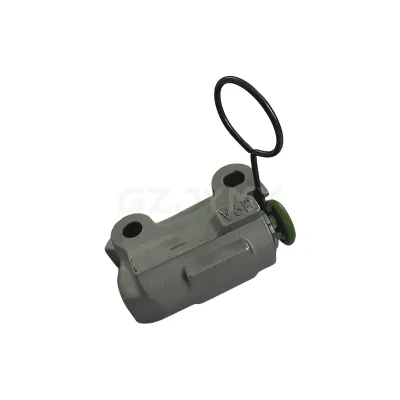
Belt Tensioner Pulley 4722020219 4722020019 4722020519 for Mercedes Benz
$7.00 - $12.00
MOQ: 100 pieces






Comprehensive Sourcing Guide
Mercedes-Benz Timing Chain Tensioner Sourcing Guide
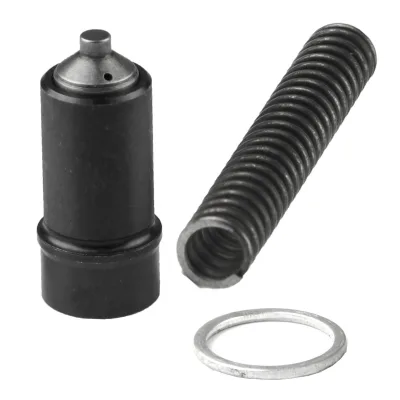
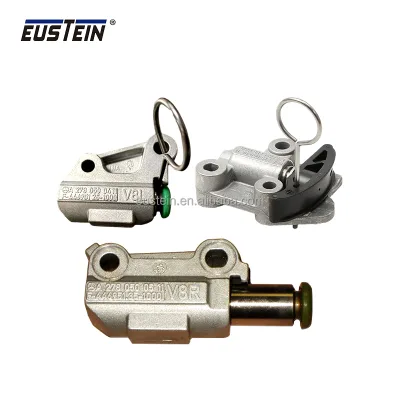
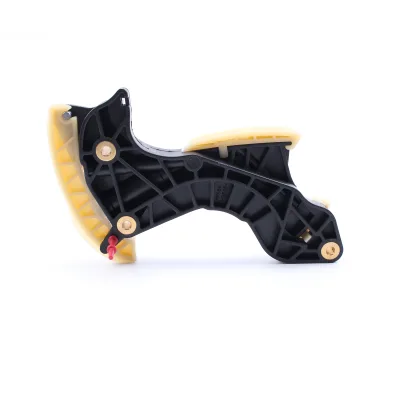
Sourcing replacement components for high-performance engines requires a disciplined approach to verification and quality assurance. The Mercedes-Benz Timing Chain Tensioner is a critical hydraulic or mechanical component that maintains proper chain tension, ensuring precise valve timing and preventing catastrophic engine failure. When procuring these parts, buyers must navigate a market filled with varying quality tiers, from OEM-equivalent replacements to aftermarket alternatives. The primary objective is to secure components that match the original equipment manufacturer (OEM) specifications while ensuring commercial viability through reliable supplier relationships. This guide outlines the essential steps for evaluating listings, verifying technical data, and establishing long-term procurement stability for this specific automotive part.
Product Scope and Observed Listing Signals
The current market landscape for timing chain tensioners reveals a diverse range of product attributes that buyers must carefully parse. Observed listings indicate a price range from $0.01 to $185 USD, reflecting significant variation in material quality, brand reputation, and included warranties. Minimum Order Quantities (MOQs) typically range from 1 to 100 units, with specific high-confidence data points noting an MOQ of 100 pieces for certain bulk offerings. Buyers should recognize that lower prices often correlate with generic packaging or reduced warranty periods, while higher price points may include branded packaging, extended warranties, or certified quality controls. Understanding these signals helps in budgeting and selecting suppliers that align with specific procurement volumes and quality expectations.
Geographic origins and shipping methods are also key indicators of supply chain dynamics. Most observed products originate from Zhejiang or Hebei provinces in China, leveraging established manufacturing hubs for automotive components. Shipping options frequently include major carriers such as TNT, DHL, UPS, EMS, and FedEx, which impacts delivery speed and cost. Additionally, product descriptions often cite compatibility with specific engine codes, such as the M271.921 New or M272.920/M272.965, and reference OEM numbers like A2710500911 or A2720500811. Buyers must cross-reference these identifiers with their specific vehicle models to ensure compatibility, as generic listings may not accurately reflect the precise engineering requirements of every Mercedes Benz variant.
Technical Specifications to Verify
Material composition is a fundamental technical specification that directly influences the durability and performance of the timing chain tensioner. Observed data indicates the use of carbon steel, standard steel, and alloy materials, with some products featuring zinc or nickel plating for corrosion resistance. Buyers should verify the exact material grade and coating process, as these factors determine the component's resistance to wear and environmental stress. The tensile strength of the material is another critical metric, with some listings citing values such as 5000 lbs, though buyers should request independent verification of these claims to ensure they meet the mechanical demands of high-revving engines.
Dimensional accuracy and model specificity are equally important for successful installation. Listings often describe sizes as "OEM standard" or "All," but precise measurements are necessary to ensure fitment. The single package size is frequently noted as 10x10x10 cm, with a gross weight around 1.000 kg, which aids in logistics planning. Buyers must confirm that the model number, such as A2710500911, matches the specific engine application, whether it is for a Mercedes Benz M271.82 or other variants. Additionally, verifying the number of cylinders and gas/diesel compatibility ensures that the tensioner is suitable for the specific engine configuration, preventing mismatches that could lead to installation failures or operational issues.
Compliance and Safety Documentation
Certification status provides a baseline for assessing the manufacturing standards of the supplier. Some observed products claim ISO certification, which indicates adherence to international quality management standards. However, buyers should treat these claims as observations rather than guaranteed facts and request valid certification documents from the supplier. Compliance with automotive industry standards is crucial for ensuring that the tensioner meets safety and performance benchmarks. Buyers should inquire about specific testing protocols, such as fatigue testing or pressure retention tests, to verify that the component can withstand the operational stresses of a Mercedes Benz engine.
Documentation regarding the product's condition and warranty is also essential for risk mitigation. Listings typically describe the products as "New" with a warranty period of one year, which offers some protection against early failures. Buyers should clarify the terms of this warranty, including coverage for defects, return procedures, and replacement policies. Additionally, understanding the customization options available, such as OEM branding or specific packaging requirements, can help align the product with brand standards. Clear communication regarding these compliance and safety aspects ensures that the procurement process remains transparent and that the buyer is protected against potential quality issues.
Cost Drivers and Commercial Terms
Payment methods and trade styles influence the financial flexibility and operational efficiency of the procurement process. Common payment options include T/T, PayPal, and Western Union, each with different implications for transaction security and speed. Buyers should assess the risks associated with each method, particularly for large orders, and consider using secure payment platforms that offer buyer protection. The trade style, often described as Trade/Manufacture/OEM, indicates the supplier's role in the supply chain. Direct manufacturers may offer lower prices but less flexibility, while trading companies might provide better customer service and customization options at a higher cost.
Packaging and shipping costs are significant components of the total landed cost. Products are typically packed in polybags, boxes, or plywood cases, with neutral packing being a common option for cost-sensitive buyers. The choice of packaging affects both the protection of the product during transit and the final retail presentation. Buyers should negotiate shipping terms carefully, considering the weight and dimensions of the shipment to optimize logistics costs. Additionally, understanding the lead times associated with different payment and shipping methods helps in planning inventory levels and meeting customer demand without excessive stockpiling.
Supplier Qualification and Quality Control
Evaluating supplier capabilities is crucial for ensuring consistent product quality and reliable delivery. Buyers should assess the supplier's manufacturing capacity, quality control processes, and ability to handle custom orders. The availability of customization services, such as OEM branding or specific packaging, indicates a supplier's flexibility and commitment to meeting diverse buyer needs. Additionally, verifying the supplier's experience in the automotive parts industry can provide insights into their understanding of technical requirements and market demands. Buyers should request samples before placing large orders to evaluate the physical quality, packaging, and documentation of the products.
Quality control measures should be clearly defined and agreed upon before production begins. This includes specifications for material testing, dimensional checks, and functional performance. Buyers should inquire about the supplier's defect rate and their process for handling non-conforming products. Establishing a clear communication channel for addressing quality issues ensures that problems are resolved quickly and efficiently. Additionally, considering the supplier's location and logistics capabilities can impact delivery times and costs, so buyers should evaluate these factors in the context of their overall supply chain strategy.
Long-Term Procurement Checks
Building a sustainable procurement relationship requires ongoing monitoring and evaluation of supplier performance. Buyers should regularly review key performance indicators such as delivery times, product quality, and responsiveness to issues. Establishing a feedback loop with the supplier allows for continuous improvement and adjustment of specifications as needed. Additionally, staying informed about market trends and technological advancements in timing chain tensioners ensures that the procured components remain competitive and reliable. Regular audits of the supplier's quality management systems can help maintain high standards and mitigate risks associated with supply chain disruptions.
Finally, buyers should maintain a diversified supplier base to reduce dependency on a single source. This strategy enhances resilience against potential shortages, price fluctuations, or quality issues. By cultivating relationships with multiple suppliers, buyers can leverage competition to secure better terms and ensure continuity of supply. Regularly updating the list of approved suppliers based on performance data helps in maintaining a robust and efficient procurement process. This proactive approach to supplier management supports long-term business success and ensures that the Mercedes Benz timing chain tensioners meet the highest standards of quality and reliability.
FAQs
What is the warranty period for this timing chain tensioner?
The product comes with a 1-year warranty to ensure reliability during operation. This coverage applies to the new condition items manufactured in Zhejiang, China, and covers standard defects under normal automotive engine usage conditions.
Which engine models are compatible with this tensioner?
This tensioner is designed for Mercedes-Benz M271.921, M272.920, and M272.965 engines. It serves as a direct replacement for OE numbers like A2710500911 and A2720500811 in petrol and gas-powered vehicles.
Can I customize the packaging for bulk orders?
Customization is available for packaging and product specifications to meet specific buyer requirements. Orders typically use neutral packing or polybag plus box options, with a standard minimum order quantity of 100 pieces for such arrangements.
What materials are used to construct this tensioner?
The tensioner is constructed from carbon steel and alloy materials to ensure durability. It features zinc or nickel plating for corrosion resistance and is rated for high tensile strength in automotive engine applications.
How is the product shipped to international destinations?
Shipping is handled via major carriers including TNT, DHL, UPS, EMS, and FedEx. The single package size is 10x10x10 cm with a gross weight of 1.000 kg, suitable for standard logistics channels.
What payment methods are accepted for this purchase?
Accepted payment methods include T/T, PayPal, and Western Union for secure transactions. These options facilitate trade for both single items and bulk orders starting from the minimum order quantity of 100 pieces.