Source Metallic Permanent Paint Markers for Art, Writing, and Advertising
Compare 30 listings of Metallic Permanent Paint Markers featuring varied tip types, ink formulations, and customization options. Buyers can evaluate specifications like writing width, material composition, and origin to find suitable suppliers for art, writing, and advertising projects; compare the available evidence and request quotations based on your requirements.
Updated
Key considerations
Products List

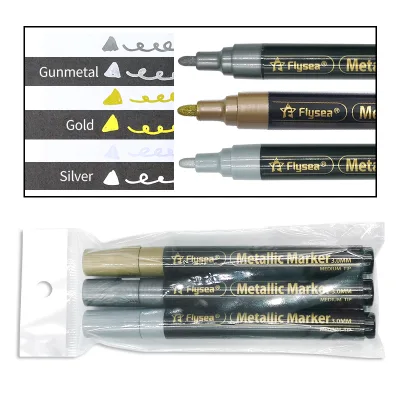
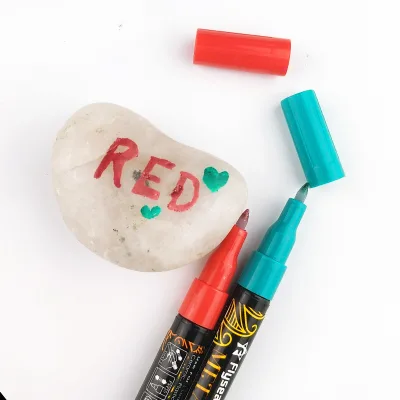
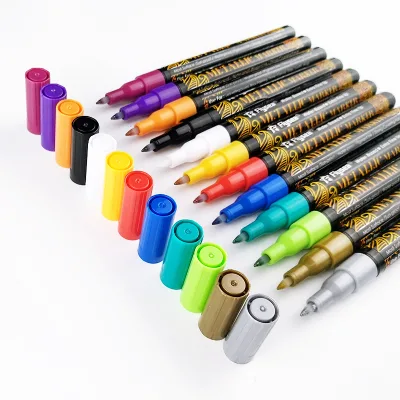
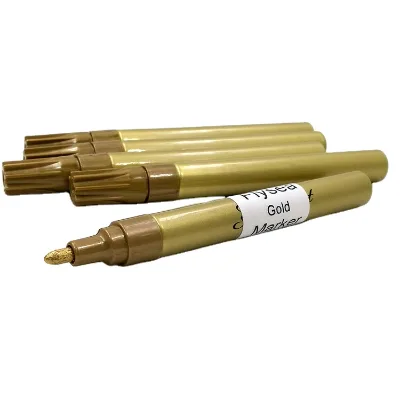
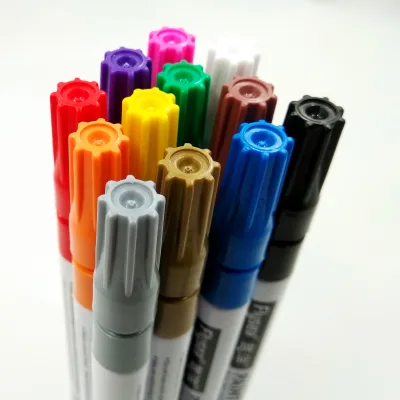

Promotional Multi Colors Art Paint Markers Permanent Marker Pen for Drawing
$0.04 - $0.07
MOQ: 5000 Pieces


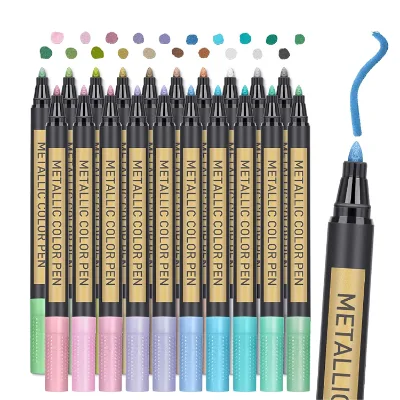
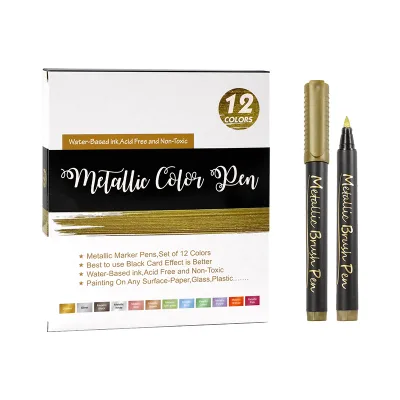
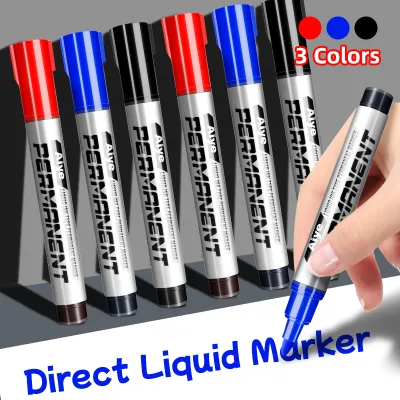
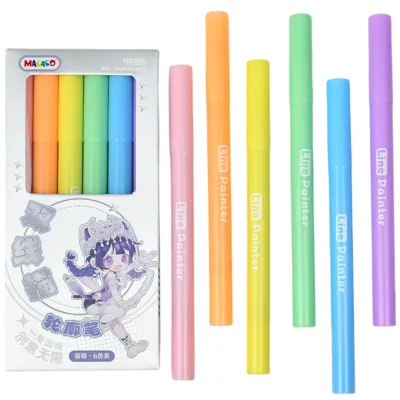
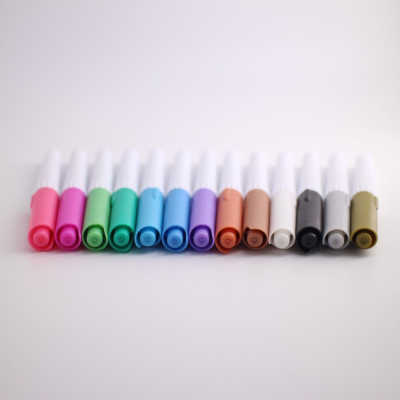
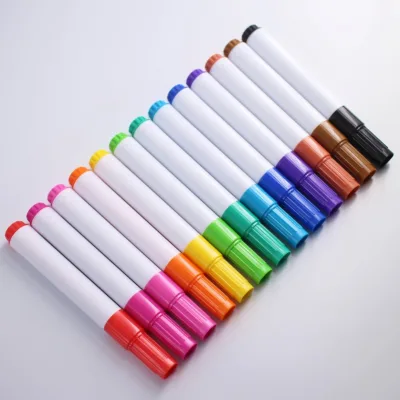
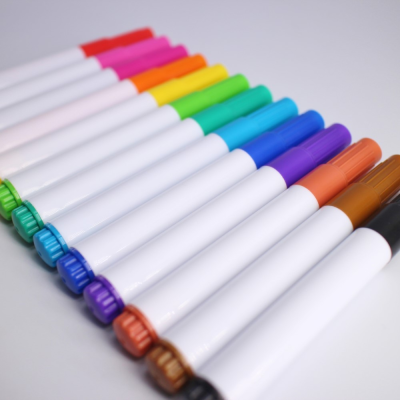
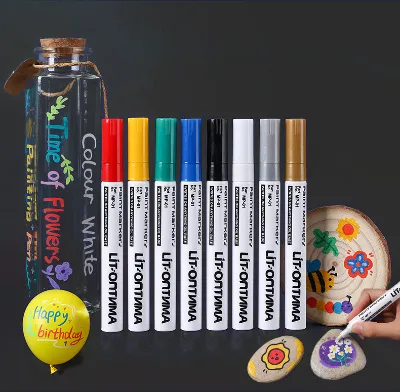
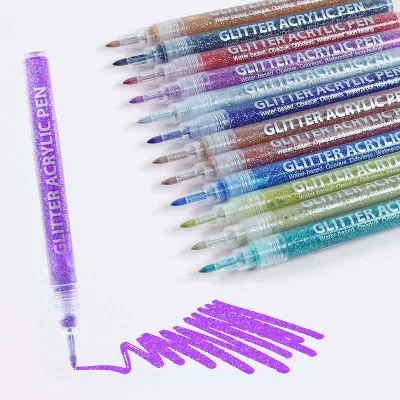


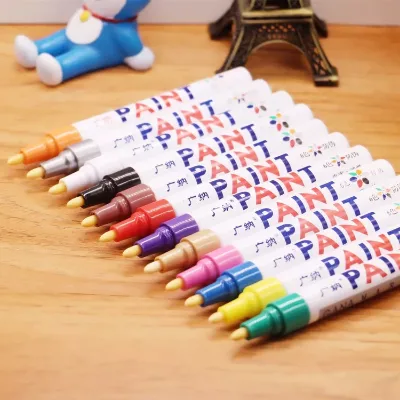
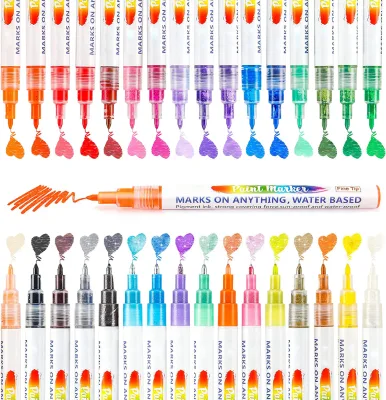
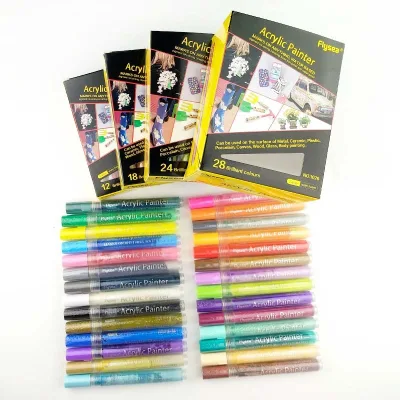
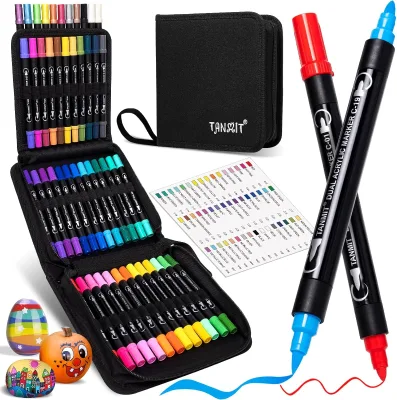
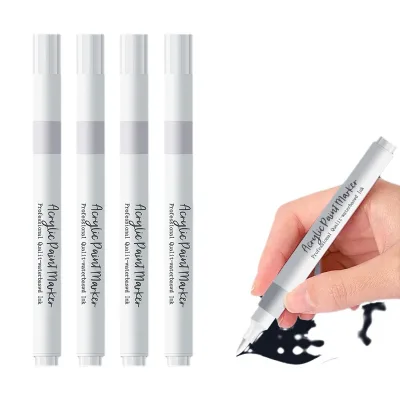
Comprehensive Sourcing Guide
Metallic Permanent Paint Markers Sourcing Guide
Buyers evaluating Metallic Permanent Paint Markers must first distinguish between general art markers and specialized industrial labeling tools. The observed product landscape includes items explicitly labeled as "Metalic Marker" and "Metallic Pens" with permanent ink formulations designed for diverse surfaces. These products often feature dual-tip configurations, such as hard brush tips combined with fine tips, to accommodate both broad coverage and detailed work. Understanding this distinction is critical before initiating a procurement cycle, as the intended application dictates the necessary performance characteristics.
The market data indicates a wide variance in material composition and tip construction, ranging from acrylic-based tips to those utilizing Japanese acrylic or polyester blends. Some listings specify water-based inks, while others explicitly claim permanent ink types suitable for paper and other mediums. Procurement teams must verify the specific ink chemistry against their substrate requirements, as the term "metallic" may refer to the visual finish rather than the underlying binder system. This initial clarification prevents mismatches between the purchased tool and the actual painting or writing medium required for the project.
Product Scope and Observed Listing Signals
When scanning supplier catalogs, buyers should look for specific attribute signals that confirm the product's suitability for permanent marking tasks. The available data highlights products with "Permanent" ink types and specific writing widths, such as 30mm broad tips, which are essential for high-visibility labeling. Listings often describe the product as a "Color Paint Marker" or "Art Marker," but the presence of "Permanent" ink and specific tip materials like Japanese acrylic are the definitive signals for durability and adhesion on non-porous surfaces.
Price and minimum order quantity (MOQ) signals vary significantly across the observed listings, with ranges extending from 0.04 to 29 USD and MOQs from 1 to 5000 units. Some suppliers offer customization options, allowing for logo printing or specific color configurations, while others provide standard "Without logo" models. Buyers must carefully cross-reference the listed MOQ with their volume needs, as the 1000-piece threshold observed in some entries may not align with smaller pilot orders, necessitating a negotiation strategy to secure flexible terms.
Technical Specifications to Verify
Verification of tip material and construction is paramount when sourcing metallic markers for professional use. The supply chain data reveals a mix of tip materials, including acrylic, polyester, nylon, and felt, with some suppliers specifically highlighting "Japanese Tip" technology as a quality differentiator. Buyers must confirm the exact composition of the nib, as the durability and ink flow consistency depend heavily on whether the tip is a round toe brush or a hard brush tip designed for specific pressure applications.
Ink formulation and writing width specifications require rigorous validation to ensure compatibility with target substrates. While some products list "Water Based" ink, others specify "Permanent" ink with a writing width of 30mm, indicating a clear divergence in product capabilities. Procurement teams should request sample testing to verify the drying time, opacity, and adhesion of the metallic finish, ensuring the ink does not smear or fade on the intended surface, whether it be paper, metal, or plastic.
Compliance and Safety Documentation
Safety and regulatory compliance are non-negotiable aspects of sourcing industrial marking tools, particularly those involving chemical inks. The observed product attributes include certifications such as CE, ISO, RoHS, and CCC, which serve as indicators of adherence to international safety and environmental standards. Buyers must request valid certification documents for each batch to confirm that the ink and marker body materials meet the specific regulatory requirements of their destination market, avoiding potential customs delays or legal liabilities.
Ink safety is another critical documentation point, with some listings explicitly stating that the ink is sourced from reputable manufacturers like Mitsubishi in Japan. This detail suggests a higher tier of quality control regarding the chemical composition of the ink, which is vital for applications involving human contact or sensitive environments. Procurement teams should verify that the safety data sheets (SDS) are available and up-to-date, ensuring that the product does not contain hazardous substances that could violate local occupational health and safety regulations.
Cost Drivers and Commercial Terms
The total cost of ownership for Metallic Permanent Paint Markers is influenced by several factors beyond the unit price, including customization, packaging, and logistics. Customization services, such as adding a specific logo or selecting unique color palettes, often incur additional charges and may affect the minimum order quantity. Buyers should analyze the trade-off between the cost of customization and the branding value it provides, ensuring that the added expense aligns with the project's marketing objectives.
Packaging and shipping terms also play a significant role in the final commercial agreement. Listings indicate various packaging methods, from loose packing to carton boxes, with single package sizes ranging from 20x2x2 cm to 45x35x30 cm. These dimensions directly impact freight costs and storage requirements, so buyers must calculate the volumetric weight and optimize the order quantity to minimize shipping expenses. Clear communication regarding Incoterms and lead times is essential to avoid unexpected delays or cost overruns in the supply chain.
Supplier Qualification and Quality Control
Establishing a robust supplier qualification process is essential for securing a consistent supply of high-quality metallic markers. Buyers should prioritize suppliers who demonstrate transparency in their manufacturing processes, such as those specifying their place of origin as Guangdong, China, a known hub for stationery production. Verifying the supplier's ability to maintain consistent quality across batches is crucial, as variations in tip material or ink viscosity can significantly affect the performance of the final product.
Quality control measures should include pre-shipment inspections and sample testing protocols to ensure that the delivered goods match the agreed specifications. Suppliers offering "New" condition products with specific model numbers like FS-707 or OEM options provide a baseline for traceability. Buyers must implement a rigorous acceptance criteria that includes checking for defects in the tip, ink leakage, and the consistency of the metallic finish, ensuring that every unit meets the required performance standards before acceptance.
Long-Term Procurement Checks
Sustaining a successful procurement relationship requires ongoing monitoring of supplier performance and product consistency over time. Buyers should establish a schedule for periodic re-evaluation of the supplier's certifications and quality control records to ensure continued compliance with safety and environmental standards. This proactive approach helps identify any potential deviations in the manufacturing process before they impact the supply chain, allowing for timely corrective actions.
Long-term procurement also involves assessing the supplier's ability to scale production and adapt to changing market demands. As the product range expands or new applications emerge, the supplier must demonstrate flexibility in adjusting MOQs, lead times, and customization options. Regular communication and feedback loops are necessary to maintain alignment between the buyer's evolving needs and the supplier's capabilities, ensuring a reliable and efficient supply of Metallic Permanent Paint Markers for future projects.
FAQs
What ink types are available for Metallic Permanent Paint Markers?
Metallic Permanent Paint Markers typically use water-based or permanent ink formulations. Some models feature Japanese ink from Mitsubishi for enhanced quality. The ink is designed for durability on various surfaces, ensuring long-lasting results for artistic and promotional applications without fading quickly under normal conditions.
Can these markers be customized for specific branding needs?
Yes, customization is available for Metallic Permanent Paint Markers. Buyers can request specific logos, packaging, or color variations to suit their brand identity. This service allows businesses to create unique promotional tools or art supplies that align with their corporate image or specific project requirements effectively.
What certifications do these paint markers typically hold?
These markers often hold CE, ISO, RoHS, and CCC certifications. These standards ensure compliance with safety and environmental regulations in various markets. Buyers should verify specific product listings for exact certification details, as availability may vary by manufacturer and region, ensuring the products meet local legal requirements.
What is the typical MOQ for ordering metallic markers?
The minimum order quantity varies, with some listings showing an MOQ of 1000 pieces. Other options may allow orders as low as 1 piece. Buyers should check individual supplier pages for precise MOQ requirements, as bulk discounts and production constraints often influence the minimum purchase thresholds for these art supplies.
Which tip styles are offered for these paint markers?
Available tip styles include hard brush tips, fine tips, broad tips, and round toe brushes. Some markers feature Japanese acrylic tips for precision. The variety allows users to choose between detailed line work or broad coverage, making them suitable for diverse applications ranging from fine art to industrial marking.
Where are these metallic markers typically manufactured?
These markers are primarily manufactured in Guangdong, China. The region is known for its robust manufacturing infrastructure for stationery and art supplies. Buyers sourcing from this location can often access a wide range of models, from basic writing tools to specialized metallic paint markers with various customization options.