Source Modern Single Sofa for Living Room, Hotel, Office
Explore 30 Modern Single Sofa options from verified Chinese suppliers. Compare styles, materials, and customization features for living rooms, hotels, and office buildings to find the perfect fit for your needs; compare the available evidence and request quotations based on your requirements.
Updated
Key considerations
Products List


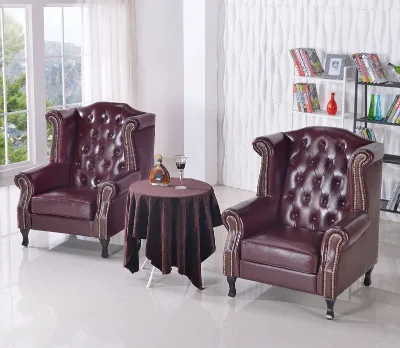
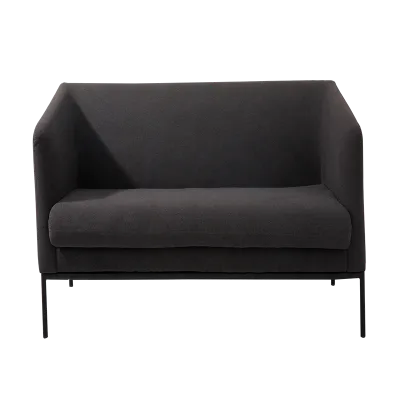


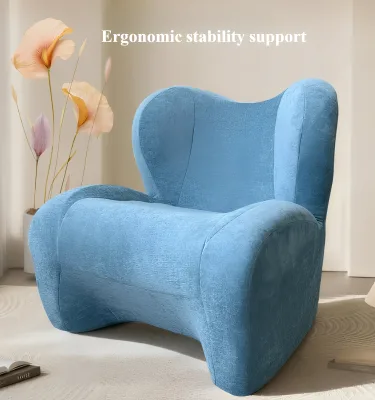
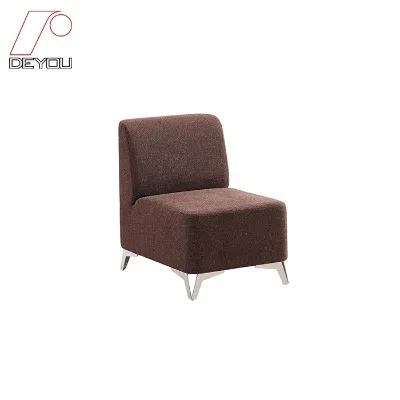
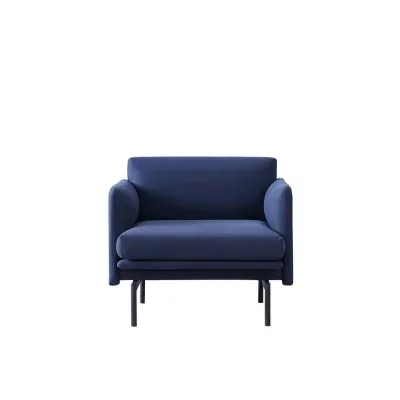

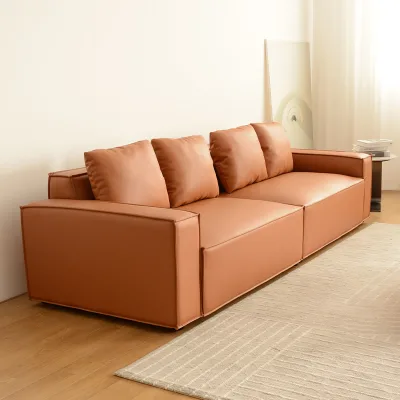


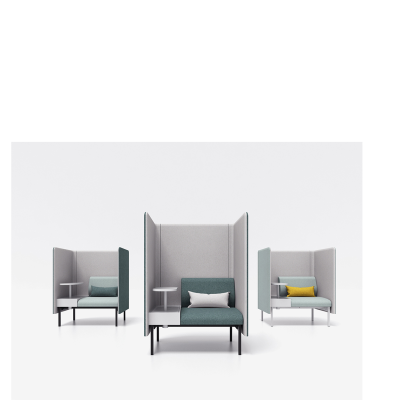
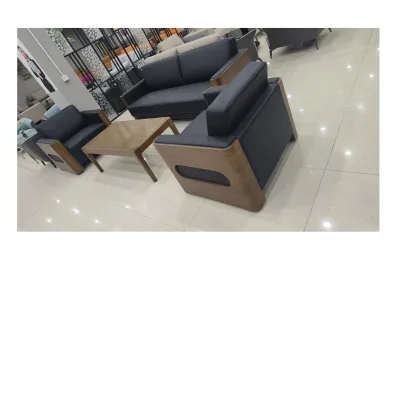
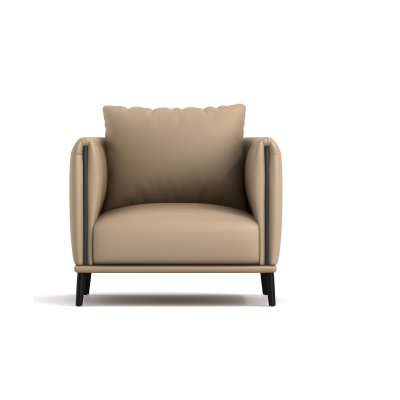
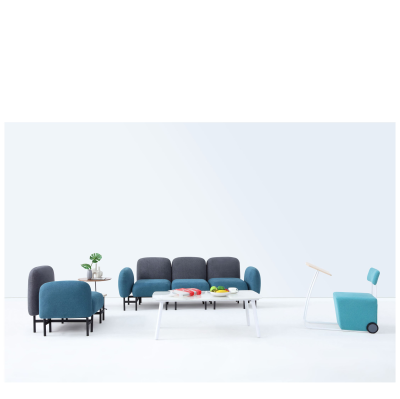
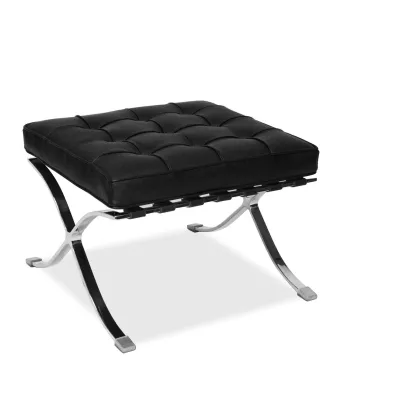
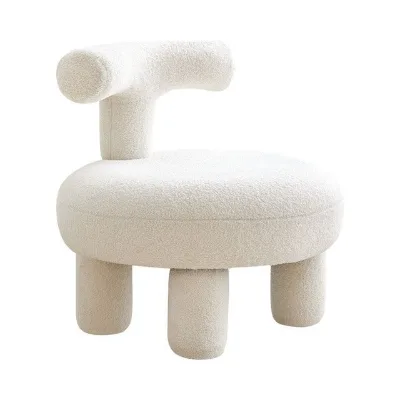
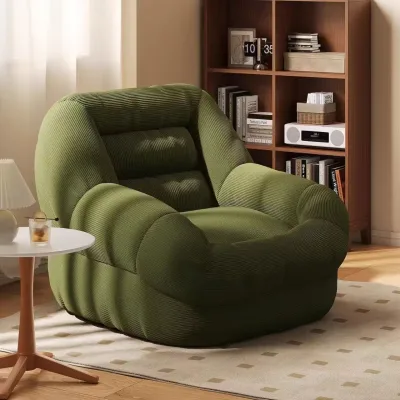
Nordic Designer Furniture Modern Lounge Single Sofa Living Room Low Chair
$23.5943 - $47.0656
MOQ: 30 Minimum
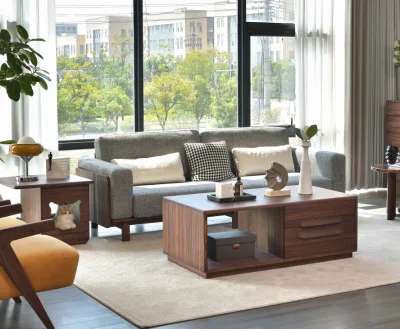
Modern Simple Modular Straight-Row Sofa with Fabric Upholstery and Wood Frame for Living Room
$354.7024 - $409.1925
MOQ: 2 Minimum


Comprehensive Sourcing Guide
Modern Single Sofa Sourcing Guide
Sourcing a Modern Single Sofa requires balancing aesthetic alignment with functional durability, particularly when integrating the piece into diverse environments such as living rooms, hotels, or office buildings. Buyers must first define the specific use case, as the design language and material selection vary significantly between residential comfort and commercial resilience. The observed market signals indicate a strong preference for minimalist and modern styles, often featuring curved designs that maximize space efficiency while maintaining a contemporary visual appeal. This trend is evident in listings that highlight corner configurations or single-seat units designed for compact apartments and high-traffic hospitality settings.
Procurement teams should also consider the customization capabilities of potential suppliers, as off-the-shelf options may not meet specific brand identity or spatial constraints. Many manufacturers offer flexible options for color, size, and upholstery material, allowing buyers to tailor the product to their exact requirements. However, this flexibility introduces complexity in the sourcing process, requiring clear communication of specifications to avoid discrepancies between the ordered item and the delivered product. Understanding these variables early in the sourcing journey helps in establishing realistic expectations and ensures that the final selection aligns with both budgetary constraints and design objectives.
Product Scope and Observed Listing Signals
The current market for modern single sofas presents a wide range of options, with observed price points varying significantly based on material quality and design complexity. Listings indicate a price range that accommodates both budget-conscious buyers and those seeking premium finishes, reflecting the diversity in manufacturing standards and material sourcing. Buyers should note that while some products are listed with specific model numbers and dimensions, others offer extensive customization, which can impact both the lead time and the final cost. This variability necessitates a thorough review of each listing to ensure that the quoted price includes all necessary components, such as packaging and shipping, to avoid hidden costs.
Material selection is a critical factor in defining the product scope, with fabric and PU leather being common choices observed in the market. Fabric options often provide a softer, more traditional feel, while PU leather offers a sleek, modern aesthetic that is easier to maintain in high-use environments. Additionally, the presence of armrests and high-back designs is prevalent, contributing to the overall comfort and structural integrity of the sofa. Buyers should verify whether the padding material, such as sponge, meets their durability expectations, as this directly influences the longevity and comfort of the seating. Understanding these material distinctions helps in making informed decisions that align with the intended application and usage patterns.
Technical Specifications to Verify
When evaluating technical specifications, buyers must prioritize dimensions and structural integrity to ensure the sofa fits the intended space and supports the required load. Observed sizes such as 280cm and 340cm suggest that some listings may refer to larger configurations or modular components, so it is essential to clarify whether the product is a true single-seat unit or part of a larger set. The frame material, often wood, provides the foundational support, and buyers should inquire about the density and quality of the wood to prevent sagging or structural failure over time. Additionally, the design style, whether modern, minimalist, or traditional, should be verified against visual samples to ensure it matches the desired aesthetic.
Comfort and ergonomics are equally important, with features like back height and armrest design playing a significant role in user experience. High-back designs offer enhanced support for the head and neck, which is particularly beneficial in office or hotel settings where prolonged sitting is common. Buyers should also check the type of armrests, as fixed armrests provide stability, while removable or adjustable options offer flexibility. The condition of the product, typically new, should be confirmed, and any signs of wear or damage in product images should be flagged for clarification. Verifying these technical details helps in selecting a sofa that meets both functional and aesthetic requirements.
Compliance and Safety Documentation
Compliance with safety standards is crucial, especially for sofas intended for commercial use in hotels, offices, or public spaces. Buyers should request documentation that verifies the product meets relevant fire retardant standards, such as ISO certifications, to ensure the materials used do not pose a fire hazard. While specific test results may not always be publicly listed, suppliers should be able to provide certificates or test reports from accredited laboratories. This documentation is essential for risk management and ensures that the product adheres to local and international safety regulations, protecting both the buyer and the end-users from potential liabilities.
In addition to fire safety, buyers should consider the environmental and health implications of the materials used, particularly if the sofa is intended for residential or sensitive environments. Although OEKO-TEX is mentioned as a background standard, buyers should verify if the specific product meets this or similar certifications for low emissions and safe chemical usage. This is particularly relevant for fabrics and padding materials, which can off-gas volatile organic compounds (VOCs) if not properly treated. Requesting material safety data sheets (MSDS) and environmental compliance certificates helps in making informed decisions that align with sustainability goals and health standards.
Cost Drivers and Commercial Terms
Understanding the cost drivers is essential for effective budgeting and negotiation. The primary factors influencing the price of a Modern Single Sofa include the material quality, design complexity, and customization options. Premium materials like lamb wool or high-grade PU leather will naturally command higher prices, while standard fabric options may be more cost-effective. Customization, such as specific colors or sizes, can also add to the cost due to the additional labor and material waste involved. Buyers should request detailed breakdowns of the costs to understand where the money is being spent and to identify areas where savings can be made without compromising quality.
Commercial terms, including minimum order quantities (MOQ) and payment terms, also play a significant role in the total cost of ownership. Observed MOQs range from 1 to 150 units, offering flexibility for both small-scale and bulk purchases. Buyers should negotiate terms that align with their inventory management strategies, considering factors like storage capacity and cash flow. Additionally, shipping and packaging costs should be clarified, as some suppliers may include these in the base price while others charge separately. Understanding these commercial terms helps in planning the procurement process more effectively and avoiding unexpected expenses.
Supplier Qualification and Quality Control
Supplier qualification is a critical step in ensuring the reliability and consistency of the product. Buyers should verify the supplier’s manufacturing capabilities, including their production capacity, quality control processes, and experience in producing modern single sofas. Suppliers located in regions like Shanghai or Chongqing may have established supply chains and expertise in furniture manufacturing, but buyers should still conduct due diligence to confirm their capabilities. Requesting samples before placing a bulk order is a best practice to assess the quality of materials, craftsmanship, and overall finish. This allows buyers to identify any potential issues early and make necessary adjustments before committing to a larger purchase.
Quality control measures should be clearly defined and agreed upon with the supplier to ensure that the final product meets the specified standards. This includes inspections during production and before shipment to check for defects, dimensional accuracy, and material consistency. Buyers should also inquire about the supplier’s return and warranty policies to understand how they handle defective products or customer complaints. Establishing a clear communication channel with the supplier’s quality assurance team can help in resolving issues quickly and maintaining a positive business relationship. These steps help in mitigating risks and ensuring that the procurement process runs smoothly.
Long-Term Procurement Checks
Long-term procurement success depends on establishing a robust relationship with suppliers and continuously monitoring product performance. Buyers should implement a system for tracking customer feedback and product durability to identify any recurring issues or areas for improvement. This feedback loop can provide valuable insights into the product’s real-world performance and help in making informed decisions for future purchases. Additionally, buyers should stay updated on market trends and technological advancements in furniture manufacturing to ensure that their product offerings remain competitive and relevant. Regularly reviewing supplier performance and market conditions helps in maintaining a high standard of quality and value.
Sustainability and ethical sourcing are increasingly important considerations for long-term procurement strategies. Buyers should evaluate their suppliers’ commitment to environmental responsibility and ethical labor practices, as these factors can impact brand reputation and customer loyalty. Requesting information on the sourcing of raw materials and the supplier’s environmental policies can help in aligning procurement practices with corporate sustainability goals. By prioritizing these long-term checks, buyers can build a resilient supply chain that supports both business growth and social responsibility. This proactive approach ensures that the procurement process remains aligned with evolving market demands and stakeholder expectations.
FAQs
Can modern single sofas be customized for specific needs?
Yes, customization is available for modern single sofas. Buyers can select from various sizes, including 280cm and 340cm options, and choose colors to match their interior design. The product supports OEM models and allows for tailored packaging solutions, ensuring the final piece fits specific spatial and aesthetic requirements.
What materials are used in these modern single sofas?
These sofas utilize high-quality materials including fabric and lamb wool for the upholstery. The internal structure is supported by a wood frame, providing durability and stability. The padding consists of sponge, ensuring comfortable seating. This combination of materials offers a balance of aesthetic appeal, comfort, and structural integrity for long-term use.
What is the typical MOQ for ordering modern single sofas?
The minimum order quantity ranges from 1 to 150 units, depending on the specific supplier and customization requirements. This flexible MOQ allows both small businesses and large enterprises to place orders. Buyers should verify the exact MOQ with the supplier, as it may vary based on the selected style, material, and packaging preferences.
Where are these modern single sofas manufactured?
These sofas are manufactured in China, with specific origins noted in Shanghai and Chongqing. The products are designed for applications in living rooms, hotels, apartments, and office buildings. Buyers can expect standard export packaging, including cartons and outer packaging options, to ensure safe transit from these manufacturing hubs to global destinations.
What styles are available for modern single sofas?
Available styles include modern, minimalist, and traditional designs. Options range from curved designs to corner sofas and one-seat configurations. The sofas feature high backs and armrests, with fixed rotary mechanisms. These diverse styles cater to various interior themes, allowing buyers to select pieces that align with their specific decor and functional needs.