Source Modular Sports Mannequin with Detachable Limbs
Find 30 Modular Sports Mannequin with Detachable Limbs options from Guangdong suppliers. Compare fiberglass materials, matte or glossy finishes, and various poses including standing, sitting, and running for apparel window displays; compare the available evidence and request quotations based on your requirements.
Updated
Key considerations
Products List
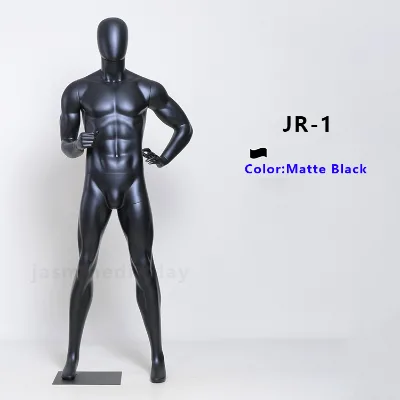
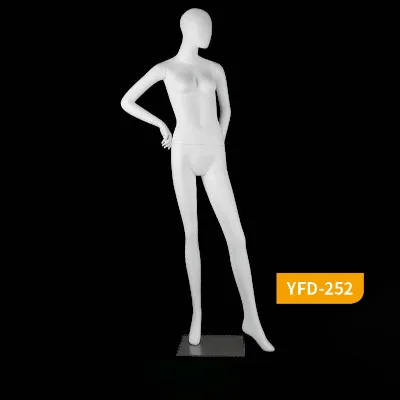
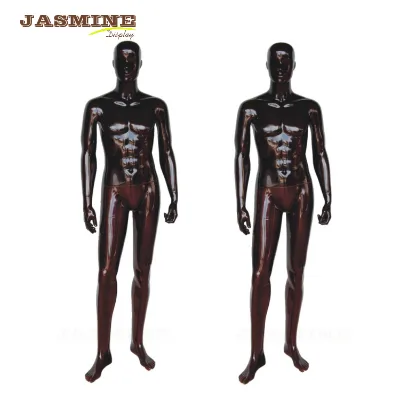
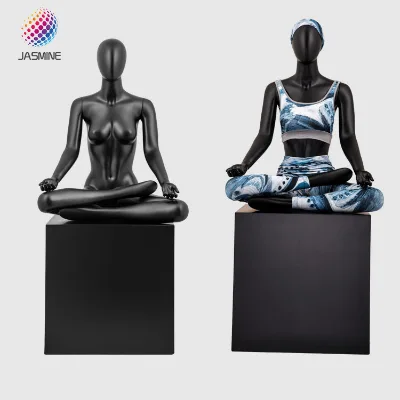
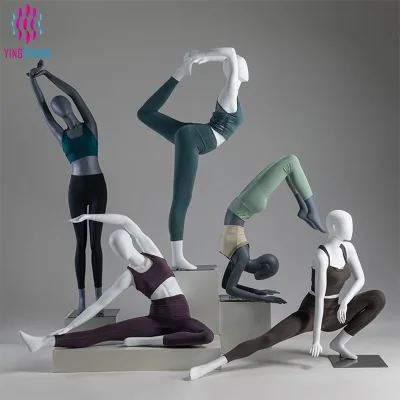


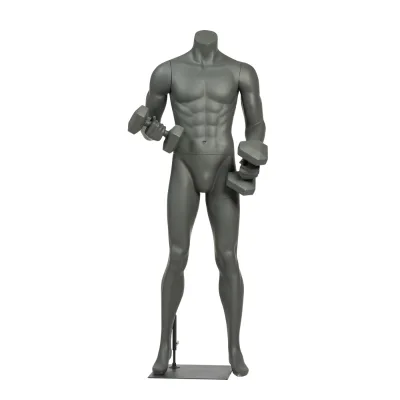
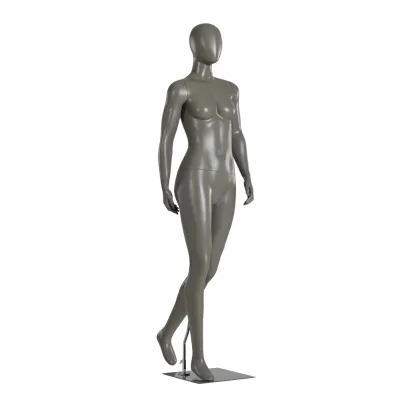
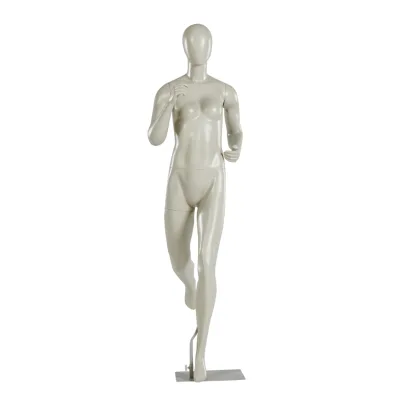
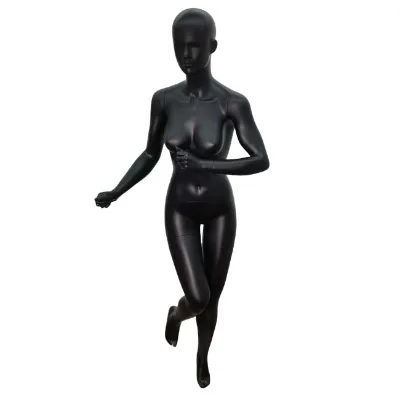
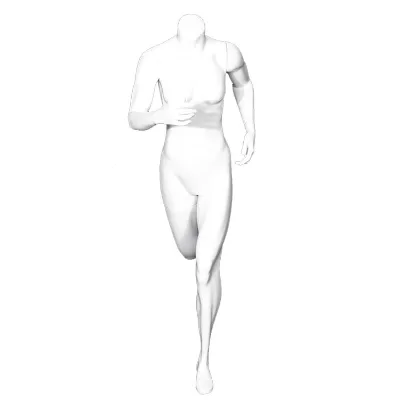
Sports Mannequin Muscular Sports Running Muscular Male and Female Mannequin
$70.00 - $80.00
MOQ: 20 Pieces


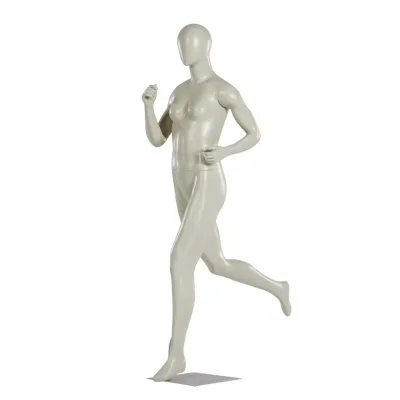
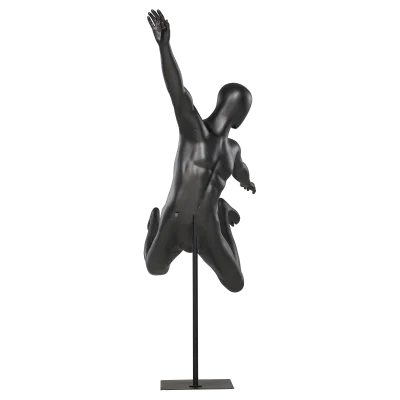
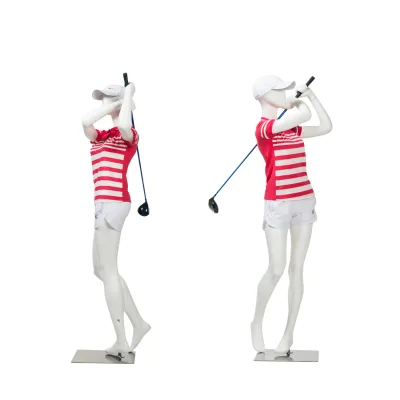

Slim Male Sports Mannequin with Dribbling Pose for Retail Window Display
$75.00 - $135.00
MOQ: 5 Pieces

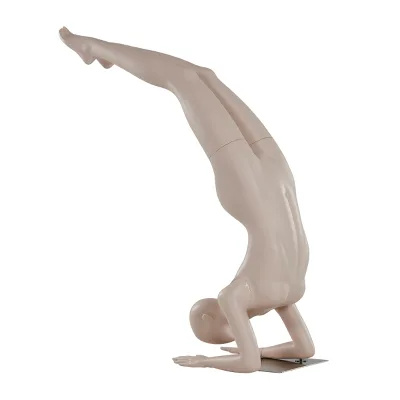
Adjustable Fashion Retail Mannequin with Articulated Arms for Yoga Display
$125.00 - $135.00
MOQ: 5 Pieces

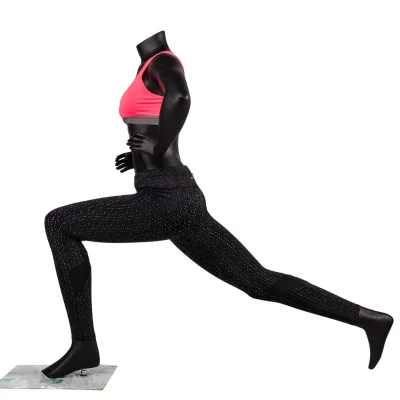
Custom Fiberglass Full Body Leg Stretching Sports Mannequin for Athletic Clothing Display
$100.00 - $130.00
MOQ: 5 Pieces

Factory Direct Fiberglass Leg Stretching Mannequin for Sports Clothing Store Display
$100.00 - $130.00
MOQ: 5 Pieces

Custom Fiberglass Female Mannequin with Jointed Wooden Arms for Fashion Display
$165.00 - $175.00
MOQ: 5 Pieces

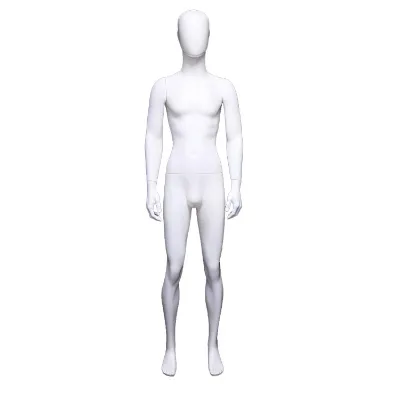
Custom Fiberglass Full Body Sports Male Mannequin for Athletic Clothing Store Display
$100.00 - $130.00
MOQ: 5 Pieces


Comprehensive Sourcing Guide
Modular Sports Mannequin with Detachable Limbs Sourcing Guide
Sourcing modular sports mannequins with detachable limbs requires careful evaluation of structural integrity and display versatility. These units are primarily designed for apparel display in clothes window displays and fashion multi-pose scenarios. Buyers must verify that the detachable mechanism maintains stability during dynamic poses such as running, walking, or leaning. The observed market includes fiberglass constructions with matte or glossy finishes, catering to high-end retail environments.
Procurement teams should assess the base stability, often featuring stainless steel plates or metal bases, to support the weight of the mannequin. The single gross weight can reach approximately 17 kg, indicating substantial material density. Verification of the gender specification is critical, as listings may vary between men, women, and girls. Ensuring the product matches the intended demographic for the retail space is essential for accurate visual merchandising.
Product Scope and Observed Listing Signals
The product scope encompasses full-body and upper-body mannequins with customizable features. Observed listings indicate a wide color palette including black, white, grey, red, blue, yellow, golden yellow, white, silver, and colorful options. The material is predominantly fiberglass, offering durability and a realistic aesthetic. Buyers should note that some listings specify "muscle male mannequin" while others refer to female forms, requiring precise keyword matching to avoid procurement errors.
Listing signals reveal significant variation in minimum order quantities, ranging from 2 pieces to 30 pieces. This flexibility allows for low-volume testing or bulk deployment. The observed price range in USD is 60-175, suggesting competitive pricing for standard models. However, buyers must confirm if this price includes the base and packaging. The single package size is typically around 120x42x42 cm, which impacts shipping logistics and storage requirements in retail backrooms.
Technical Specifications to Verify
Technical verification must focus on the model number and size specifications. Common model identifiers include "Muscle male mannequin" and "realistic mannequin," with sizes ranging from adult to specific numerical sizes like 14. The pose capabilities are extensive, including standing, sitting, running, leaning, kneeling, and walking poses. Buyers should request detailed diagrams of the joint mechanisms to ensure smooth articulation and secure locking when limbs are detached or reattached.
The surface finish is a critical technical attribute, available in matte or glossy textures. This choice affects how light interacts with the mannequin in window displays. The brand name may be JASMINE or OEM, indicating potential for custom branding. Buyers must verify the packing method, which typically involves polybag, styrofoam, and carton box protection. Proper packing is vital to prevent damage to the fiberglass shell during transit, especially given the fragile nature of detachable limbs.
Compliance and Safety Documentation
Compliance documentation should address the material safety of the fiberglass used in construction. Buyers must request material safety data sheets to ensure the product meets local retail safety standards. Although specific certifications are not listed in the observed data, high-end quality levels suggest adherence to rigorous manufacturing practices. Verification of flame retardancy is crucial for window displays near lighting fixtures or in high-traffic areas.
Safety also involves the stability of the base and the security of the detachable limbs. The stainless steel or metal base must be robust enough to prevent tipping, especially when limbs are extended in dynamic poses. Buyers should inquire about load-bearing tests for the joints to ensure they do not fail under normal handling. Documentation should confirm that the product is free from sharp edges or hazardous materials that could pose a risk to store staff or customers.
Cost Drivers and Commercial Terms
Cost drivers include the material quality, surface finish, and the complexity of the detachable limb mechanism. Fiberglass construction adds weight and durability, influencing shipping costs. The observed MOQ range of 2-30 pieces allows for flexible purchasing, but larger orders may yield better unit prices. Buyers should clarify if the price includes the base, as some listings specify stainless steel plates separately. Customization options, such as specific colors or poses, may incur additional charges.
Commercial terms must address lead times and sample availability. Observed data indicates a 7-15 workday delivery time for standard orders. Sample order lead times vary, with some suppliers not supporting 7-day samples while others do support them. Buyers should negotiate clear terms for sample costs and refunds upon bulk ordering. Payment terms should be aligned with the supplier's reliability, and buyers should verify if the supplier offers OEM services for branding purposes.
Supplier Qualification and Quality Control
Supplier qualification requires verifying the place of origin, which is predominantly Guangdong, China. Buyers should assess the supplier's experience in manufacturing fiberglass mannequins and their ability to maintain consistent quality across batches. Quality control processes should include visual inspections for surface defects and functional tests for joint stability. Suppliers with low MOQ advantages may be more flexible but should still demonstrate robust quality assurance protocols.
Buyers should request references or case studies from previous clients in the fashion retail sector. Verification of the supplier's production capacity is essential to ensure timely delivery for large orders. Quality control checks should include packaging integrity tests to prevent damage during shipping. Buyers should also evaluate the supplier's responsiveness to customization requests, as modular mannequins often require specific configurations for unique retail displays.
Long-Term Procurement Checks
Long-term procurement checks involve monitoring the durability of the detachable limbs over time. Buyers should establish a feedback loop with retail staff to report any issues with joint loosening or surface wear. Regular audits of the supplier's quality consistency are necessary to maintain brand image. Buyers should also track changes in material costs or shipping rates that may impact the total cost of ownership.
Sustainability considerations should be evaluated, including the recyclability of the fiberglass and packaging materials. Buyers should inquire about the supplier's environmental policies and waste management practices. Long-term contracts should include clauses for quality guarantees and replacement policies for defective units. Continuous engagement with the supplier can lead to improved product designs and better alignment with evolving retail display trends.
FAQs
What materials are used for modular sports mannequins?
These mannequins are primarily constructed from fiberglass to ensure durability and realistic aesthetics. The surface finish can be selected as either matte or glossy to suit specific display requirements. This material choice supports the detachable limb design while maintaining structural integrity for heavy retail environments.
Can the limbs be detached for different poses?
Yes, the design explicitly features detachable limbs to allow for versatile positioning. Buyers can configure the mannequin in standing, sitting, running, leaning, kneeling, or walking poses. This flexibility enables dynamic window displays that effectively showcase apparel in various active or relaxed stances for fashion retailers.
What is the typical MOQ for these mannequins?
The minimum order quantity varies by supplier, typically ranging from 2 to 30 pieces. Some vendors offer low MOQ options starting at just 2 pieces, while others may require 5 or 20 pieces. Buyers should verify the specific MOQ with the manufacturer before placing an order.
Where are these mannequins manufactured?
These products are manufactured in Guangdong, China. This region is a known hub for fiberglass and display manufacturing. Buyers sourcing from this location should consider shipping logistics and lead times, which typically range from 7 to 15 workdays depending on the order volume and customization needs.
What colors are available for fiberglass mannequins?
Standard color options include black, white, grey, red, blue, yellow, golden yellow, silver, and colorful variations. Some listings also mention specific finishes like matte or glossy. Buyers can often request custom colors to match their brand identity, though availability depends on the specific manufacturer's capabilities.
How are these mannequins packaged for shipping?
They are typically packed in polybags, surrounded by styrofoam for protection, and placed inside carton boxes. The single package size is approximately 120x42x42 cm with a gross weight of 17 kg. This robust packaging ensures the fiberglass structure remains undamaged during international transit to global retail locations.