Source Moisturising Nourishing Wheatgerm Oil for Skincare
Find 30 listings for Moisturising Nourishing Wheatgerm Oil sourced from Jiangxi, China. Compare specifications including purity, certifications like ISO and HACCP, and OEM services for health care and food applications; compare the available evidence and request quotations based on your requirements.
Updated
Key considerations
Products List
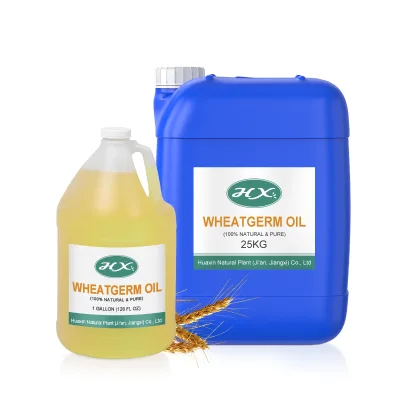
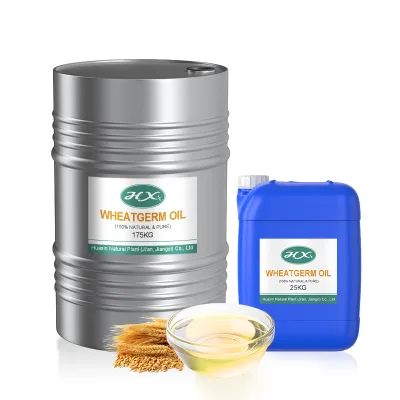
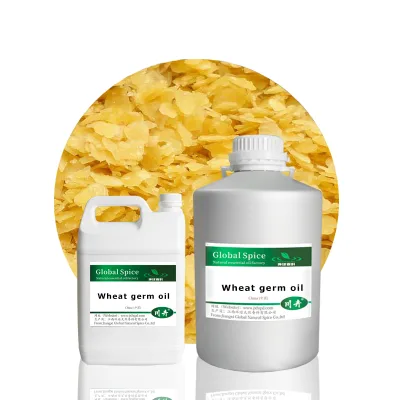
Hot Sale 100% Wheatgerm Carrier Oil for Skin Care Wheatgerm Oil with Free Sample
$7.00 - $7.70
MOQ: 1 kilograms
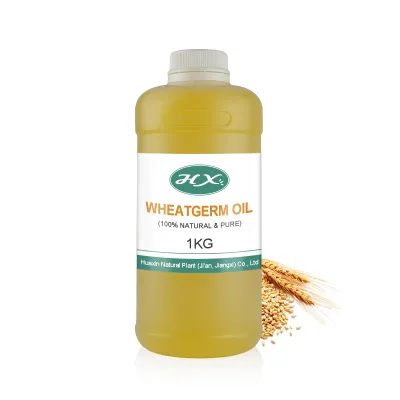
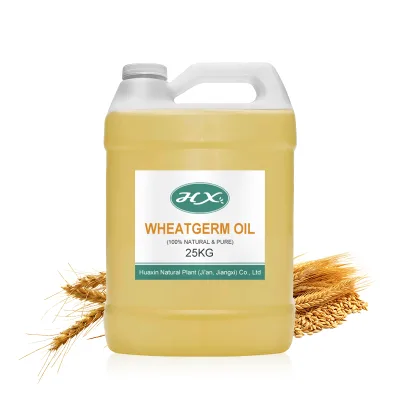
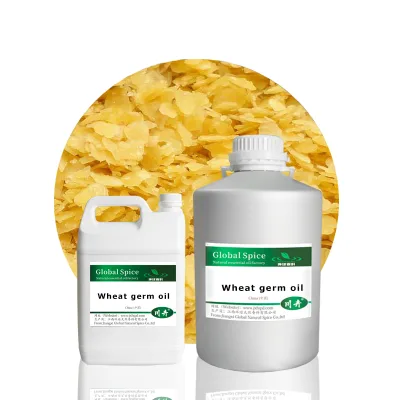
Own Brand 100% Pure Nature Wheatgerm Carrier Oil for Releasing Pressure
$7.00 - $7.70
MOQ: 1 kilograms
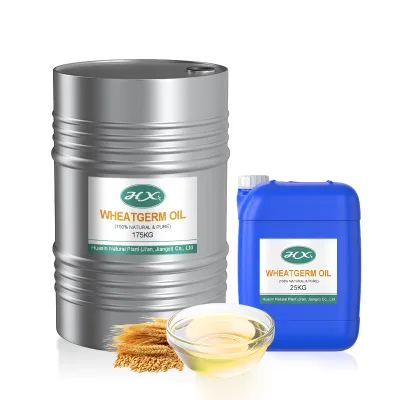
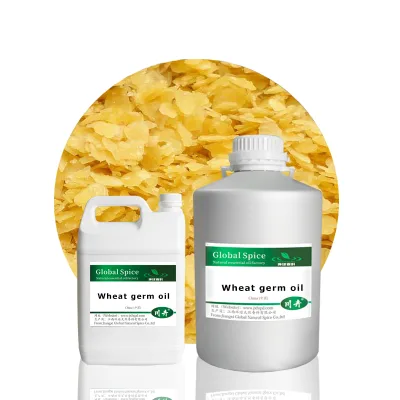
Organic Cold Pressed Wheat Germ Oil -Natural Organic Moisturizing Hair and Skin
$7.00 - $7.70
MOQ: 1 kilograms
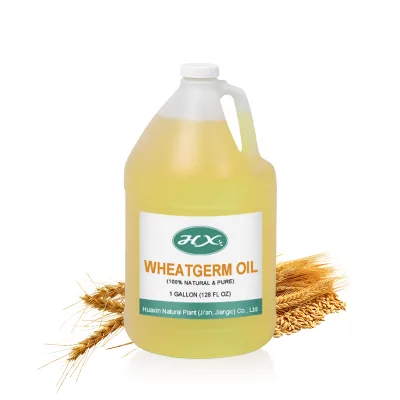


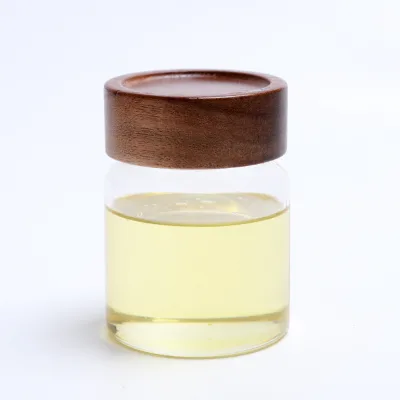
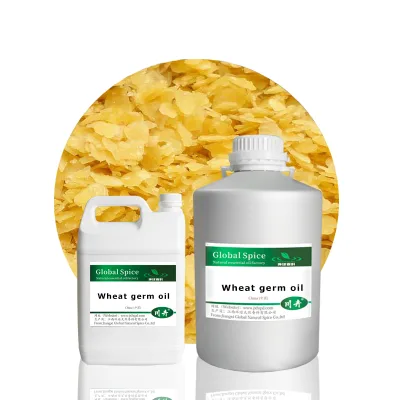
Wheat Germ Oil Skin Lightening Wheat Germ Oil for Cosmetic Wheat Germ Oil
$7.00 - $10.00
MOQ: 1 kilograms


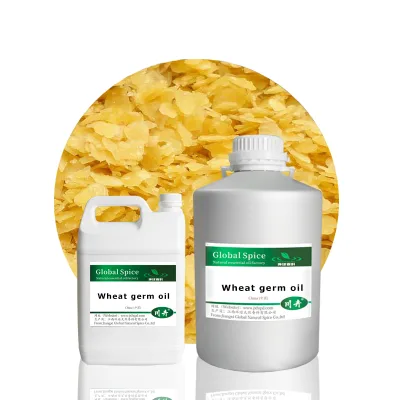

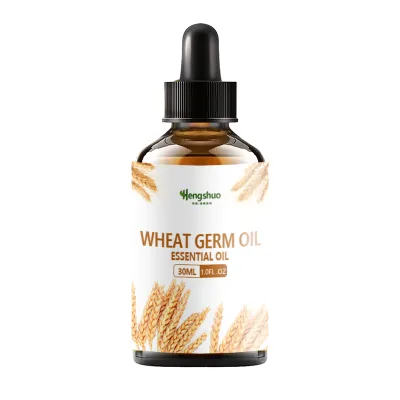
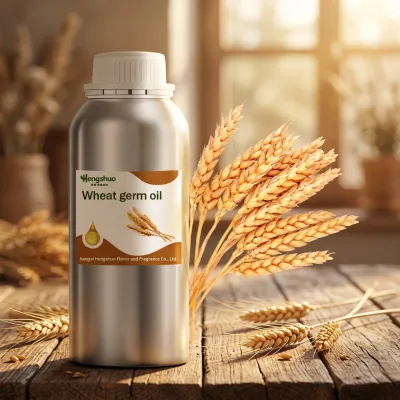
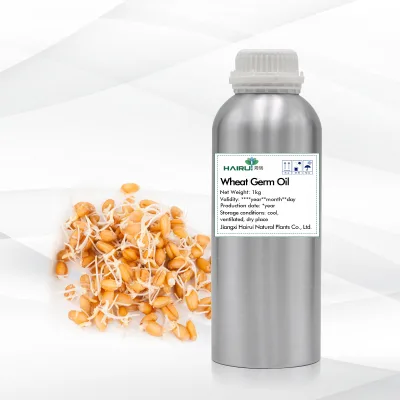
Comprehensive Sourcing Guide
Moisturising Nourishing Wheatgerm Oil Sourcing Guide
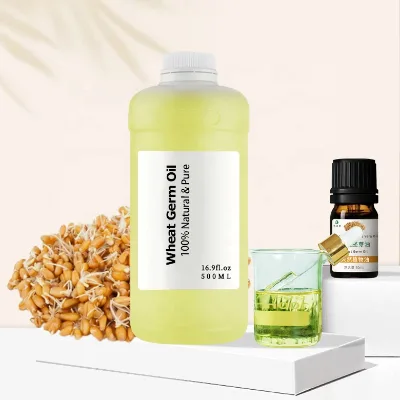
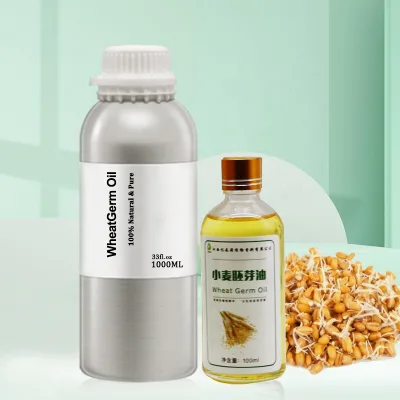
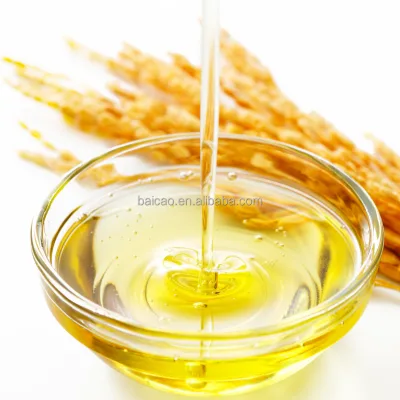
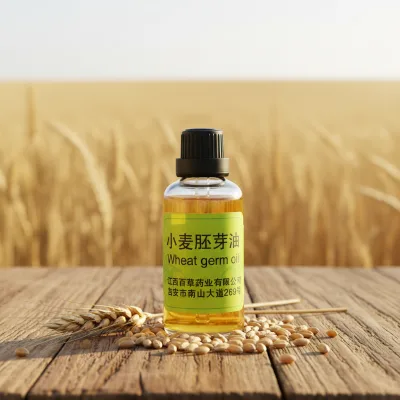
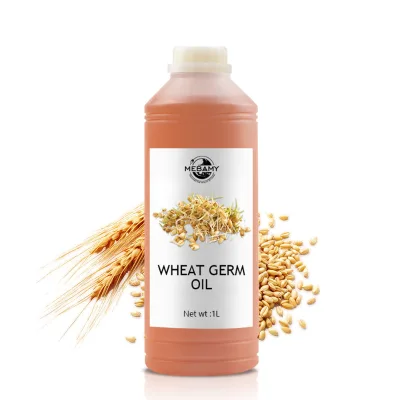
Sourcing high-quality wheatgerm oil requires a clear understanding of its botanical origins and functional properties. The primary raw material is derived from the seed germ of Triticum Aestivum L., commonly known as common wheat. This specific plant part is crucial for retaining the oil’s natural nourishing profile, which includes essential fatty acids and vitamins. Buyers must verify that the supplier explicitly states the use of the seed germ rather than the whole seed or bran, as this distinction directly impacts the concentration of active moisturizing compounds. The oil typically presents as a clear, golden yellow to yellow liquid, offering a characteristic earthy flavor and fresh odor. These sensory attributes are standard indicators of purity and proper extraction methods. Understanding these baseline physical characteristics helps procurement teams distinguish between refined and cold-pressed variants, ensuring the selected product aligns with the intended cosmetic or health care application.
The market offers various supply types, including OEM and ODM services, which cater to brands seeking private label solutions. Suppliers often provide customized logos and packaging options, allowing for tailored branding strategies. The product is generally classified as a carrier oil, making it suitable for diluting essential oils or serving as a base in skincare formulations. Its primary features include skin revitalization, brightening, and moisturizing capabilities, appealing to manufacturers of health care products and food items. Buyers should note that the oil is intended for adult use and must be stored with insect prevention measures to maintain integrity. The shelf life is typically two years, provided storage conditions are optimal. Recognizing these commercial and functional attributes enables buyers to align their procurement strategy with their specific product development goals, whether for direct sale or as an ingredient in larger formulations.
Product Scope and Observed Listing Signals
The current market landscape for wheatgerm oil displays a wide range of listing signals that buyers must navigate carefully. Observed price points vary significantly, ranging from low-cost bulk options to premium-priced specialized extracts. This variance often reflects differences in purity levels, extraction methods, and certification statuses. Buyers should observe that the minimum order quantity (MOQ) can start as low as one kilogram, facilitating small-scale testing, while larger industrial orders may require quantities up to one thousand kilograms. The product is frequently listed as a single item with customized logo acceptance, indicating flexibility in branding. Additionally, sample provision is a common service, allowing buyers to verify quality before committing to large purchases. These signals suggest a mature supply chain with diverse tiering, where buyers can select suppliers based on their volume needs and quality requirements.
Visual and textual cues in product listings often highlight key attributes such as "100% Pure Nature" or "100% Pure," which serve as strong indicators of product integrity. However, buyers must cross-reference these claims with technical specifications to ensure accuracy. The appearance is consistently described as a liquid oil, with colors ranging from clear golden yellow to yellow. Odor descriptions vary from "characteristic flavor" to "earthy" and "fresh," reflecting natural variations in the raw material. Some listings specify the place of origin as Jiangxi, China, providing geographical context for sourcing decisions. These observed signals help buyers filter potential suppliers, but they should not be taken as absolute guarantees of quality. Instead, they serve as initial filters to identify suppliers who align with the buyer’s specific aesthetic and functional requirements for their final products.
Technical Specifications to Verify
Verifying technical specifications is critical to ensuring the wheatgerm oil meets quality standards for its intended application. Buyers must confirm the purity level, which is often stated as 100%, but should be supported by analytical data. Key parameters include moisture and volatile matters, which should not exceed 0.10%, ensuring the oil is stable and free from excessive water content that could promote microbial growth. The acid value is another crucial metric, typically required to be no more than 3.0 mg KOH/g, indicating low levels of free fatty acids and good freshness. Peroxidation values, which measure oxidation, should be no more than 5.0 mmol/kg, preserving the oil’s antioxidant properties. Insoluble impurities must be limited to no more than 0.05%, ensuring clarity and purity. These numerical thresholds are essential for maintaining product stability and efficacy in cosmetic or food formulations.
Heavy metal content is a significant safety parameter, with limits often set at no more than 10 ppm. Buyers should request recent test reports to verify compliance with these limits, as contamination can occur during extraction or storage. The transparency of the oil should be clear and transparent, indicating proper filtration and absence of particulate matter. The botanical source must be confirmed as Triticum Aestivum L., and the plant part used should be explicitly stated as the seed germ. These specifications ensure that the oil retains its natural nourishing properties. Additionally, buyers should verify the packaging details, such as 190 kg HDPE drums, which are standard for bulk transport. Understanding these technical requirements allows buyers to set precise quality benchmarks and avoid suppliers who cannot provide robust analytical data.
Compliance and Safety Documentation
Compliance with international standards is non-negotiable for sourcing wheatgerm oil, particularly for use in health care and food products. Buyers must verify that suppliers hold relevant certifications, such as ISO, HACCP, and GMP, which indicate adherence to good manufacturing practices. Additional certifications like FDA, KOSHER, JAS, OCIA, and NOP may be required depending on the target market and product claims. These certifications ensure that the production process meets rigorous safety and quality criteria. Buyers should request copies of these certificates and check their validity dates to avoid sourcing from non-compliant suppliers. The presence of COA (Certificate of Analysis) and MSDS (Material Safety Data Sheet) is also essential for verifying product composition and handling instructions. These documents provide the necessary legal and safety framework for importing and using the oil.
Safety documentation extends beyond certifications to include detailed handling and storage guidelines. The product should be stored with insect prevention measures to maintain its integrity over its two-year shelf life. Buyers must ensure that the supplier provides clear instructions on storage conditions to prevent degradation. The MSDS should outline any potential hazards and first-aid measures, ensuring safe handling during transportation and storage. Additionally, buyers should verify that the supplier complies with local regulations in the place of origin, such as China, and any import regulations in the destination country. This comprehensive approach to compliance minimizes legal risks and ensures that the final product meets all regulatory requirements. By prioritizing suppliers with robust documentation, buyers can safeguard their brand reputation and consumer safety.
Cost Drivers and Commercial Terms
Understanding the cost drivers for wheatgerm oil helps buyers negotiate better commercial terms. The price is influenced by factors such as purity, certification status, and packaging requirements. Bulk orders typically offer lower per-unit costs, but buyers must balance this with storage capacity and shelf life constraints. The MOQ flexibility, ranging from 1 kg to 1000 kg, allows buyers to manage cash flow and inventory levels effectively. Suppliers offering OEM and ODM services may charge additional fees for customization, such as private labeling and logo design. Buyers should clarify these costs upfront to avoid unexpected expenses. Additionally, the cost of samples, if any, should be considered in the initial procurement budget. Understanding these financial variables enables buyers to create accurate cost models and forecast expenses more precisely.
Commercial terms also include lead times and payment conditions, which vary among suppliers. Buyers should inquire about standard lead times for both sample and bulk orders to plan their production schedules accordingly. Payment terms, such as T/T or L/C, should be negotiated based on the order value and supplier relationship. Buyers must also consider shipping costs and logistics, especially for bulk orders in 190 kg HDPE drums. These factors significantly impact the total landed cost. By understanding the full spectrum of commercial terms, buyers can optimize their procurement strategy, ensuring cost-effectiveness without compromising on quality. Clear communication with suppliers regarding these terms helps establish a transparent and mutually beneficial business relationship.
Supplier Qualification and Quality Control
Supplier qualification is a critical step in ensuring the reliability of the wheatgerm oil supply chain. Buyers should conduct thorough due diligence, including verifying the supplier’s business license, production capacity, and quality management systems. Requesting references from existing clients can provide insights into the supplier’s performance and reliability. Buyers must also assess the supplier’s ability to provide consistent quality, which is often indicated by their adherence to technical specifications and certifications. Regular audits, either on-site or virtual, can help verify these claims. Additionally, buyers should evaluate the supplier’s responsiveness and communication skills, as these factors are crucial for resolving issues promptly. A qualified supplier is one that not only meets technical requirements but also demonstrates a commitment to continuous improvement and customer satisfaction.
Quality control measures should be integrated into the procurement process to maintain product integrity. Buyers should establish clear quality acceptance criteria based on the technical specifications discussed earlier. Regular testing of incoming shipments, including checks for purity, acid value, and peroxidation value, is essential. Buyers may also consider third-party testing services for independent verification. Establishing a robust quality control protocol helps identify and address issues before they impact the final product. Additionally, buyers should maintain open lines of communication with suppliers to discuss any quality concerns and implement corrective actions. By prioritizing supplier qualification and rigorous quality control, buyers can ensure a stable and high-quality supply of wheatgerm oil, supporting their brand’s reputation and consumer trust.
Long-Term Procurement Checks
Long-term procurement checks are essential for maintaining a sustainable and reliable supply of wheatgerm oil. Buyers should regularly review supplier performance metrics, including on-time delivery, quality consistency, and responsiveness to issues. Establishing key performance indicators (KPIs) helps track these metrics objectively. Buyers should also monitor market trends and price fluctuations to anticipate cost changes and adjust procurement strategies accordingly. Regular communication with suppliers can help identify potential risks, such as raw material shortages or regulatory changes. Additionally, buyers should stay informed about new certifications or standards that may become relevant to their products. By proactively managing these long-term factors, buyers can mitigate risks and ensure a stable supply chain.
Continuous improvement is another critical aspect of long-term procurement. Buyers should encourage suppliers to adopt best practices in production and quality control. This may involve sharing feedback from quality checks or suggesting improvements based on market trends. Buyers should also consider diversifying their supplier base to reduce dependency on a single source. This strategy enhances supply chain resilience and provides flexibility in case of disruptions. Regularly updating procurement policies and procedures ensures they remain aligned with industry standards and company goals. By focusing on long-term relationship building and continuous improvement, buyers can secure a competitive advantage and ensure the consistent quality of their wheatgerm oil supply.
FAQs
What certifications does the wheatgerm oil hold?
The product holds multiple certifications including COA, MSDS, GMPC, ISO, HACCP, FDA, KOSHER, JAS, OCIA, NOP, QS, and GMP. These documents verify quality and safety standards for international trade and regulatory compliance in various regions.
Can I request a sample before placing a bulk order?
Yes, samples are provided for potential buyers to evaluate the product quality before committing to a larger purchase. This allows you to verify the oil characteristics, such as its clear golden yellow appearance and fresh odor, ensuring it meets your specific requirements.
What is the minimum order quantity for this oil?
The minimum order quantity is 1 kilogram, though some listings may show ranges up to 1000 units depending on the specific supplier. This low entry point allows small businesses to test the market without significant initial inventory investment or financial risk.
Does the supplier offer private label and customization services?
Yes, the supplier accepts customized labels and offers OEM and ODM services for private labeling. You can request specific packaging, branding, and formulation adjustments to align the wheatgerm oil with your unique brand identity and target market needs effectively.
How long is the shelf life of the wheatgerm oil?
The product has a shelf life of two years when stored correctly. It should be kept in a cool, dry place with insect prevention measures to maintain its purity, antioxidant properties, and effectiveness as a skin revitalizer and moisturizer over time.
What is the botanical source of this wheatgerm oil?
The oil is derived from the seed germ of Triticum Aestivum L., which is 100% natural. This botanical source ensures the product retains its characteristic flavor and fresh odor while providing nourishing benefits for all skin types and health care applications.
What packaging options are available for bulk orders?
Bulk orders are typically packed in 190kg HDPE drums to ensure safe transport and storage. This robust packaging protects the clear golden yellow oil from contamination and maintains its quality during shipping from the Jiangxi, China origin to global destinations.