Source Organic Eucalyptus Essential Oil for Cosmetics
Find 30 listings for Organic Eucalyptus Essential Oil from China. Compare specifications like eucalyptol content, packaging options, and certifications including ISO and GMP for health care and cosmetic applications; compare the available evidence and request quotations based on your requirements.
Updated
Key considerations
Products List


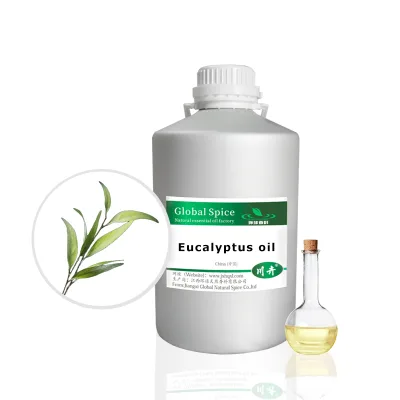
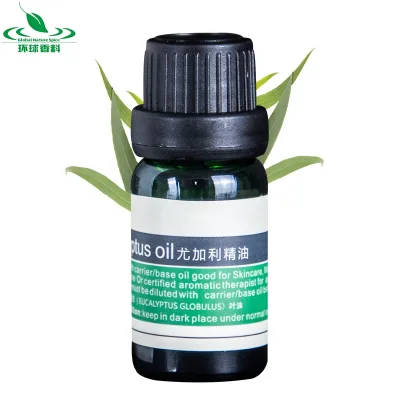
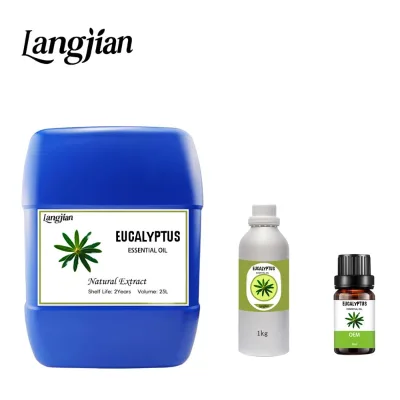
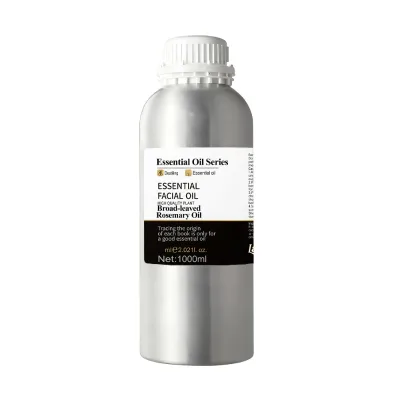


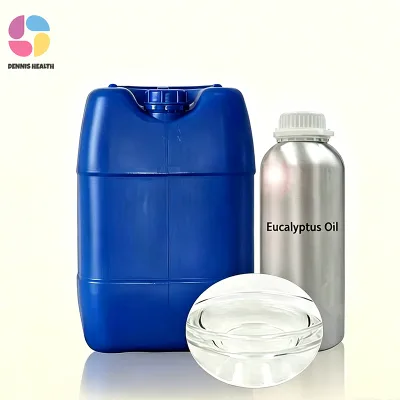

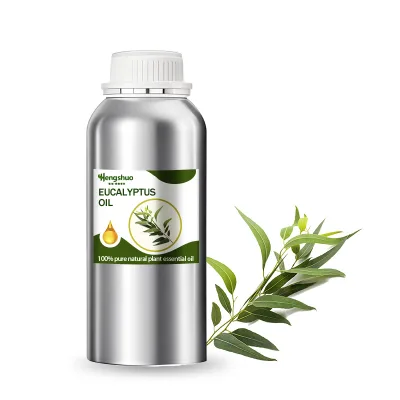
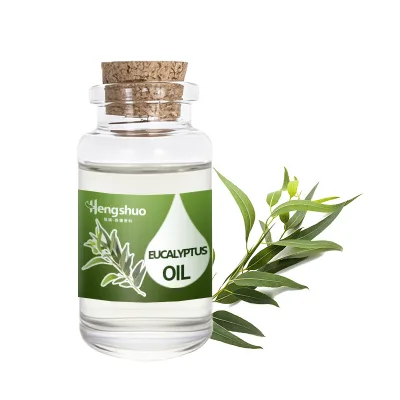
100% Pure Organic Essential Oils Eucalyptus Essential Oil Relief Natural Eucalyptus Oil
$18.00 - $22.00
MOQ: 1 kilograms


Comprehensive Sourcing Guide
Organic Eucalyptus Essential Oil Sourcing Guide
Procuring Organic Eucalyptus Essential Oil requires careful attention to the specific botanical source and extraction method to ensure authenticity. The available market data indicates that the primary raw material consists of leaves processed through distillation to yield a pure essential oil. Buyers must verify that the product is explicitly labeled as derived from Eucalyptus Globulus to align with standard industry expectations for this specific oil type.
The physical state of the product is consistently observed as a colorless to light yellow liquid, which serves as a primary visual indicator of quality. Sourcing decisions should prioritize suppliers who can confirm the oil is in its natural plant oil state without unnecessary dilution. This observation helps buyers distinguish between genuine essential oils and synthetic blends that may mimic the appearance but lack the therapeutic properties required for health care and cosmetic applications.
Product Scope and Observed Listing Signals
The product scope for eucalyptus essential oil spans multiple industrial sectors, including health care products, cosmetic raw materials, and detergent formulations. Listings frequently highlight applications in hair care and oral care chemicals, suggesting a versatile utility for buyers in the personal care and hygiene industries. The observed features often include claims related to respiratory system support, firming, and anti-aging benefits, which are critical for marketing these oils in finished consumer goods.
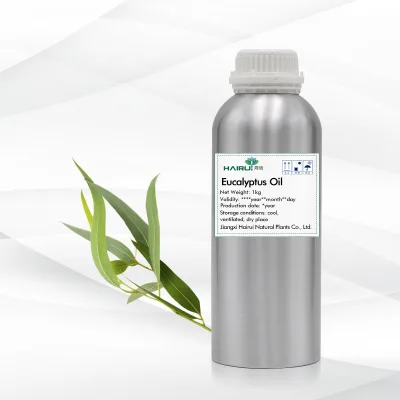
Commercial listings reveal a wide range of packaging options, from small 1kg units to large 180kg drums, catering to both pilot production and bulk manufacturing needs. The supply type is predominantly OEM/ODM, indicating that many manufacturers are prepared to customize branding and packaging for specific client requirements. Buyers should note that while customization is available, the core product remains a pure essential oil grade, often sourced from specific regions like Jiangxi, China.
Technical Specifications to Verify
Technical verification begins with the assay method, which is frequently cited as HPLC-MS for determining the precise chemical composition of the oil. Buyers must confirm that the assay results specifically measure Eucalyptol content, as this is the primary active component defining the oil's potency. The observed standards indicate Eucalyptol levels can range from above 70% to 99%, and procurement contracts should explicitly state the minimum acceptable percentage to ensure product efficacy.
Physical specifications such as appearance and odor are also critical verification points for quality control. The product is typically described as having a characteristic odor and appearing as a colorless or light yellow liquid, though variations in shade can occur based on the harvest season. Additionally, the grade separation is often listed as Pure Grade or Top Grade, and buyers should request documentation confirming the raw material is strictly leaves to avoid adulteration with other plant parts.
Compliance and Safety Documentation
Compliance documentation is essential for international trade, particularly regarding safety data sheets and manufacturing certifications. The observed market data lists MSDS, GMP, and FDA certifications as common attributes, which are vital for importing the oil into regulated markets. Buyers must ensure that the supplier provides up-to-date Material Safety Data Sheets that accurately reflect the chemical properties and handling requirements of the specific batch being purchased.
Regulatory adherence extends to the grade of the product, which is often categorized for food, pharmaceutical, or chemical use. The distinction between these grades affects the permissible applications and the rigor of the quality control processes employed by the supplier. Procurement teams should verify that the specific batch intended for their application, such as cosmetic raw materials or oral care chemicals, meets the relevant regulatory standards for that specific industry sector.
Cost Drivers and Commercial Terms
Cost structures for eucalyptus essential oil are influenced by the purity level and the specific Eucalyptol concentration required. Higher purity grades, such as those exceeding 99% Eucalyptol, typically command a premium price compared to standard grades around 70%. Buyers should analyze the price range observed in the market, which varies significantly, to understand how concentration levels and packaging formats impact the final unit cost.
Commercial terms often include flexible minimum order quantities, ranging from single units to thousands, allowing for scalable procurement strategies. While samples are frequently available, buyers should be aware that freight charges for these samples are often the responsibility of the purchaser. Lead times and payment terms may vary based on the supply type, with OEM/ODM arrangements potentially requiring longer production windows compared to standard stock items.
Supplier Qualification and Quality Control
Supplier qualification relies heavily on verifying the origin and the specific extraction methods used to produce the oil. The observed data points to China, specifically Jiangxi, as a primary place of origin, where the distillation method is standard for processing the leaves. Buyers should request evidence of the supply chain integrity to ensure the raw material is genuinely sourced from the specified region and processed according to the stated methods.
Quality control processes must be robust enough to maintain the consistency of the product's physical and chemical properties. The shelf life is typically noted as two years with proper storage, making it crucial for buyers to assess the supplier's storage conditions and inventory turnover rates. Regular testing against the specified standards, such as the Eucalyptol content and appearance, ensures that the oil remains within the required specifications throughout the supply chain.
Long-Term Procurement Checks
Long-term procurement success depends on establishing a consistent supply of oil that meets the evolving needs of the buyer's production lines. Buyers should implement a schedule for periodic re-verification of the Eucalyptol content and other key assay parameters to detect any drift in quality over time. This proactive approach helps prevent disruptions in manufacturing caused by substandard raw materials that might fail to meet the required performance claims.
Building a resilient supply chain also involves maintaining open communication regarding any changes in the raw material source or production methods. Since the product is often customized for specific applications, any shift in the supplier's capabilities could impact the final product's performance. Regular audits and sample testing ensure that the supplier continues to deliver the pure essential oil grade required for the buyer's specific health care or cosmetic formulations.
FAQs
What is the standard eucalyptol content in this oil?
The standard eucalyptol content is above 70%, with assay options available at 70%, 80%, and 99% purity. This ensures consistent quality for various applications, including health care products and cosmetic raw materials. The oil is derived from eucalyptus leaves via distillation, maintaining its natural properties while meeting specific grade requirements for industrial use.
Can I get a free sample before ordering?
Samples are available, but the buyer must cover the freight charges. This policy allows potential clients to verify the product's quality, appearance, and odor before committing to a larger purchase. The oil appears as a colorless or light yellow liquid with a characteristic odor, suitable for testing in various formulations and applications.
What certifications does the supplier hold?
The supplier holds ISO, MSDS, GMP, and FDA certifications. These credentials ensure that the manufacturing process meets international standards for safety and quality. The product is suitable for use in health care, cosmetic, and oral care applications, providing buyers with confidence in the regulatory compliance and reliability of the supply chain for their specific needs.
What packaging options are available for bulk orders?
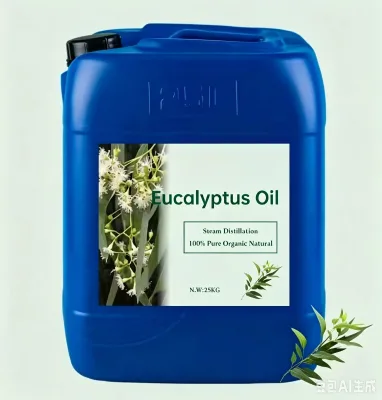
Packaging options include 25kg, 50kg, and 180kg drums, as well as 1kg, 5kg, 10kg, and 200kg galvanized steel drums. These flexible packaging solutions cater to different order sizes and logistical requirements. The durable containers protect the pure essential oil during storage and transportation, ensuring the product remains fresh and uncontaminated until it reaches the buyer.
Is customization available for this essential oil?
Yes, customization is available through OEM and ODM supply types. Buyers can request specific grades, such as food, pharma, or chemical grade, to meet their unique product requirements. This flexibility allows businesses to tailor the eucalyptus oil to their exact specifications, ensuring it integrates seamlessly into their manufacturing processes and final product formulations.
Where is this eucalyptus oil produced?
The product originates from Jiangxi, China. This location is a known hub for plant-based essential oil production, ensuring access to high-quality raw materials. The oil is extracted from eucalyptus leaves, maintaining its natural purity and potency. Buyers can rely on the consistent supply and established infrastructure in this region for their sourcing needs.