Source Hair Growth Rosemary Mint Oil for Scalp Care
Source Hair Growth Rosemary Mint Oil from 30 verified suppliers. Compare OEM formulations, certifications like FDA and CE, and bulk pricing for cosmetic and health care applications. Evaluate ingredients such as rosemary and castor oil for effective hair strengthening and nourishing benefits in private label products.
Updated
Key considerations
Products List






Comprehensive Sourcing Guide
Hair Growth Rosemary Mint Oil Sourcing Guide
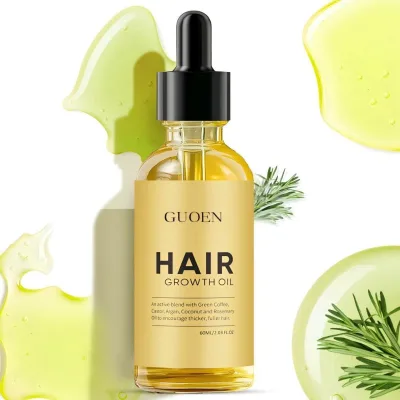
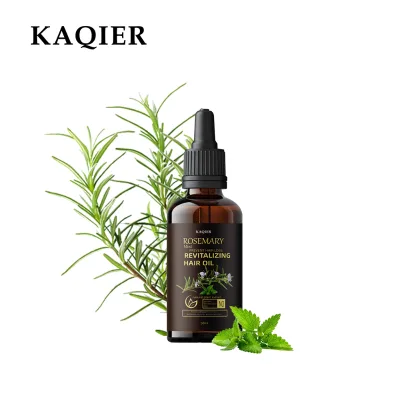
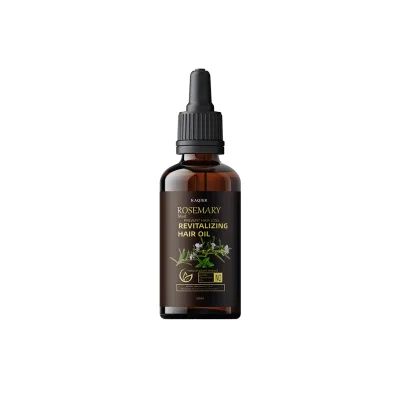
Procuring Hair Growth Rosemary Mint Oil requires a clear understanding of the diverse product forms available in the current market. Buyers often encounter listings that specify the product as a cream, lotion, or oil, with main ingredients ranging from aloe vera and shea butter to pure rosemary and castor oil. It is critical to distinguish between finished cosmetic formulations and raw plant oil ingredients, as the supply chain, regulatory requirements, and end-use applications differ significantly. The observed product landscape includes items marketed for skin revitalization and whitening, as well as those explicitly labeled for hair strengthening and growth prevention.
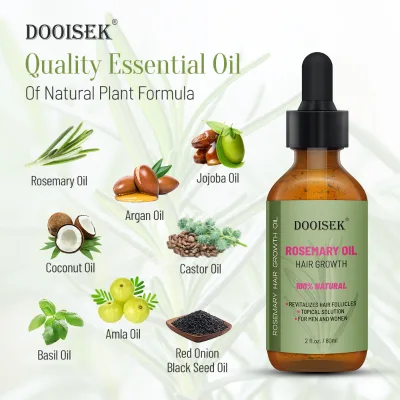
Sourcing decisions must align with the specific formulation needs of your brand, whether you require a vegan, organic, sulfate-free blend or a pure grade essential oil. Many suppliers offer OEM and ODM services, allowing for custom labeling and private label creation, which is essential for brands seeking unique market positioning. However, the presence of multiple ingredient profiles, such as peppermint, almond oil, or tea tree oil, means that buyers must verify the exact composition to ensure it matches their product claims. Misalignment between the ordered specification and the delivered product can lead to compliance issues and customer dissatisfaction.
Product Scope and Observed Listing Signals
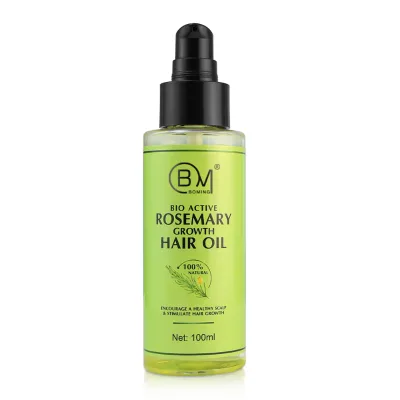
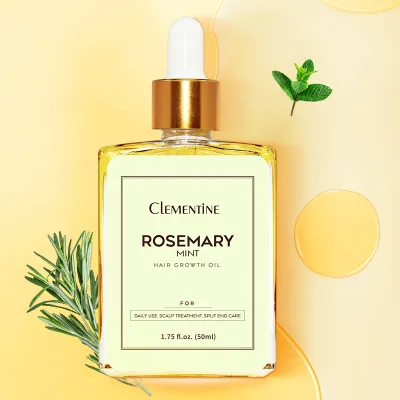
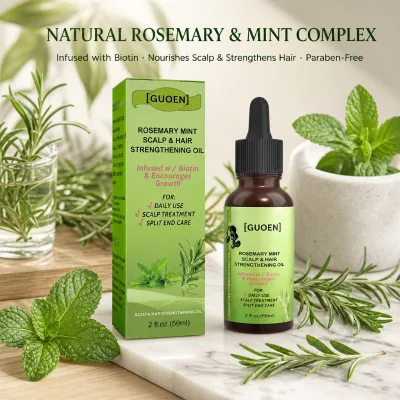
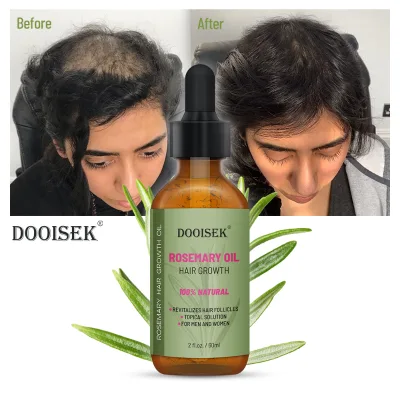
The observed product listings reveal a wide variance in physical attributes and intended applications, necessitating careful scrutiny of product descriptions. Some items are described as creams or pastes with certifications like CE, FDA, and GMP, targeting adult female consumers for skin lightening and moisturizing purposes. In contrast, other listings focus on hair care, specifying ingredients like rosemary oil, castor oil, and peppermint, with features such as hair growth, nourishing, and smoothing. Buyers must carefully parse these details to avoid purchasing skin care products when hair care solutions are required, as the ingredient overlap can be misleading.
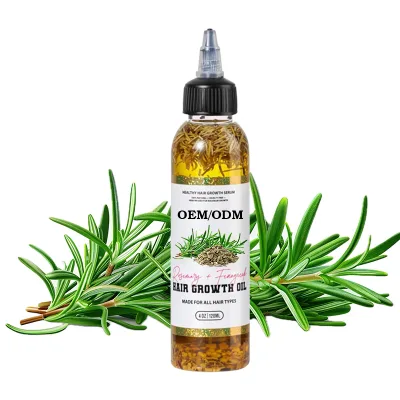
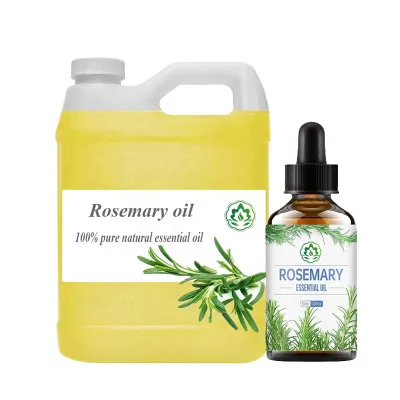
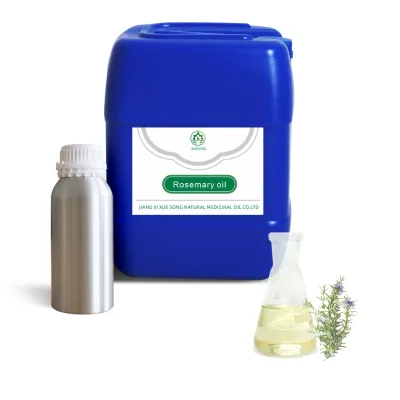
Packaging and volume specifications also vary significantly across suppliers, with some offering single items in small bottles while others provide bulk drums. For instance, certain hair growth oils are packaged in 120ml bottles with a single gross weight of 0.5 kg, while other raw materials are supplied in 25kg drums. These differences impact logistics, storage requirements, and initial capital expenditure. Buyers should verify the single package size and gross weight to accurately calculate shipping costs and warehouse space needs, ensuring that the chosen supplier’s packaging aligns with their distribution strategy and retail presentation goals.
Technical Specifications to Verify
Technical verification begins with confirming the chemical and physical properties of the oil, including its color, state, and assay methods. Suppliers may list the product as a yellow plant oil with a purity standard of 99%, identified by CAS number 8000-25-7 and EINECS 290-140-0. Buyers should request detailed assay reports using UV or HPLC methods to verify the concentration of active ingredients, such as rosmarinic acid or cineole, which are critical for efficacy. Without these specific test results, it is difficult to assess the quality and potency of the rosemary mint oil, potentially leading to inconsistent product performance in final formulations.
Additionally, buyers must verify the specific grade separation and material composition to ensure the product meets their quality standards. Some suppliers offer pure grade separation, while others may blend rosemary oil with castor, almond, or peppermint oils for enhanced moisturizing or growth-promoting effects. It is essential to confirm whether the product is labeled as vegan, organic, or sulfate-free, as these attributes are key selling points for many modern consumers. Buyers should also check the storage requirements, typically a cool dry place, to ensure that the oil maintains its stability and shelf life during transit and storage.
Compliance and Safety Documentation
Compliance documentation is a critical component of sourcing, as different product categories require distinct regulatory approvals. For cosmetic and personal care items, certifications such as CE, FDA, GMP, MSDS, and CPNP are commonly cited. Buyers must ensure that the supplier provides valid certificates for the specific product type, whether it is a hair growth oil or a skin care cream. The presence of HACCP and ISO certifications may indicate a higher level of quality management, particularly for products intended for health care or food applications, but these do not automatically apply to all cosmetic oils.
Safety data sheets (MSDS) are essential for understanding the handling, storage, and transport requirements of the oil. Buyers should review the MSDS to identify any hazardous components or flammability risks, especially when shipping large volumes of essential oils. Additionally, verifying the country of origin, often listed as China or Guangdong, is important for assessing supply chain risks and potential tariffs. Buyers must also ensure that the supplier’s claims regarding organic or natural ingredients are supported by appropriate documentation, as mislabeling can lead to significant legal and reputational risks in regulated markets.
Cost Drivers and Commercial Terms
Cost structures for Hair Growth Rosemary Mint Oil are influenced by several factors, including the purity of the oil, the complexity of the formulation, and the volume of the order. The observed price range of 0.9 to 33 USD per unit suggests significant variation based on product type, packaging, and brand positioning. Buyers should expect higher costs for organic, vegan, or multi-ingredient blends compared to single-ingredient pure oils. Additionally, OEM and ODM services often incur additional fees for custom labeling, packaging design, and private label creation, which should be factored into the total cost of ownership.
Minimum order quantities (MOQs) typically range from 10 to 1000 units, allowing for flexibility for both small startups and large enterprises. Buyers should negotiate MOQs based on their sales forecasts and storage capacity, as lower MOQs may come with higher per-unit costs. Payment terms, lead times, and shipping methods also impact the overall cost, with expedited shipping or air freight increasing expenses. It is advisable to request detailed quotations that break down product costs, packaging fees, and shipping charges to ensure transparency and avoid hidden costs that can erode profit margins.
Supplier Qualification and Quality Control
Supplier qualification involves assessing the manufacturer’s production capabilities, quality control processes, and track record. Buyers should verify the supplier’s certifications, such as ISO, GMP, and BRC, to ensure they meet international quality standards. Additionally, requesting samples is crucial to evaluate the oil’s scent, color, viscosity, and overall quality before committing to a large order. Buyers should also inquire about the supplier’s ability to provide batch-specific test results, ensuring consistency across production runs and minimizing the risk of product variability.
Quality control measures should include regular audits of the supplier’s facilities, particularly if the oil is sourced from raw plant materials. Buyers should confirm that the supplier follows good manufacturing practices (GMP) to prevent contamination and ensure product safety. Additionally, verifying the supplier’s ability to handle custom orders, including private labeling and unique packaging requirements, is essential for brands seeking differentiation. Establishing a clear communication channel with the supplier for addressing quality issues and returns is also vital for maintaining a reliable supply chain and protecting brand reputation.
Long-Term Procurement Checks
Long-term procurement success depends on establishing robust relationships with suppliers and implementing continuous monitoring of product quality and supply chain stability. Buyers should conduct periodic reviews of supplier performance, including on-time delivery rates, product consistency, and responsiveness to issues. Regular re-testing of products, especially for key active ingredients like rosemary and mint extracts, helps ensure that the oil maintains its efficacy over time. Additionally, staying informed about regulatory changes in target markets is crucial, as compliance requirements for cosmetics and personal care products can evolve rapidly.
Diversifying the supplier base is another key strategy for mitigating risks associated with single-source dependencies. Buyers should identify alternative suppliers who can provide similar quality products and meet their commercial requirements. This approach provides flexibility in case of supply disruptions, price fluctuations, or quality issues with the primary supplier. Furthermore, buyers should regularly update their product specifications and market requirements to ensure that the sourced oil remains aligned with consumer trends and brand goals, maintaining a competitive edge in the hair care market.
FAQs
What are the main ingredients in this hair growth oil?
The main ingredients include Rosemary Oil, Castor Oil, Almond Oil, and Peppermint. These components are selected for their nourishing and hair-strengthening properties. The formulation is designed to support hair health and growth while remaining suitable for all hair types. Additional ingredients may include Tea Tree Oil and other natural extracts to enhance efficacy.
Can I get custom branding for this hair growth oil?
Yes, customization is available through OEM and ODM services. Buyers can request private labeling to suit their brand identity. The supplier accepts custom requests for packaging and product formulation. This service allows businesses to create unique products while leveraging established manufacturing capabilities and quality standards for their specific market needs.
What certifications does this hair growth oil hold?
The product holds multiple certifications including CE, FDA, GMP, MSDS, HACCP, ISO, and BRC. These credentials ensure compliance with international safety and quality standards. The certifications cover various aspects of production and distribution. Buyers can rely on these documented standards to verify product safety and regulatory compliance for their target markets.
What is the minimum order quantity for this product?
The minimum order quantity ranges from 10 to 1000 units depending on the specific product variant and packaging requirements. Buyers should check the specific listing for exact MOQ details. This flexibility allows businesses of different sizes to place orders that fit their inventory needs and budget constraints effectively.
Where is this hair growth oil manufactured?
The product is manufactured in Guangdong, China. This location is a known hub for cosmetic and health care product manufacturing. Buyers can expect efficient logistics and supply chain support from this region. The origin is clearly stated to ensure transparency regarding the production source and associated quality control measures.
How should I store this hair growth oil?
Store the product in a cool, dry place to maintain its quality and efficacy. Proper storage helps preserve the integrity of the natural ingredients like Rosemary and Castor Oil. Avoid exposure to direct sunlight or extreme temperatures. Following these storage guidelines ensures the product remains effective throughout its shelf life for end consumers.