Source Natural Collagen Butt Enlarging Cream for Daily Use
Find 30 Natural Collagen Butt Enlarging Cream options from China. Compare OEM/ODM services, FDA/GMP certifications, shipping details, and ingredient profiles for female enhancement products to select the best supplier for your business needs; compare the available evidence and request quotations based on your requirements.
Updated
Key considerations
Products List


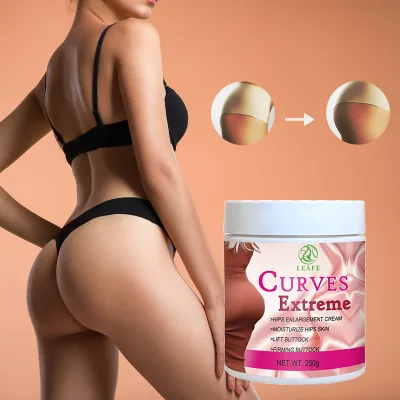
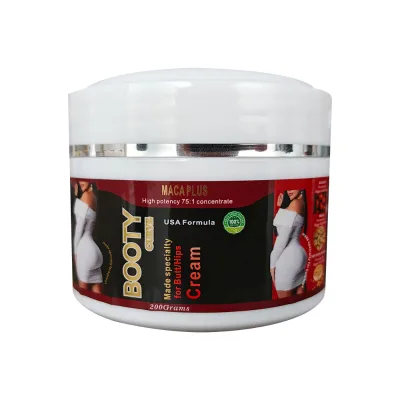
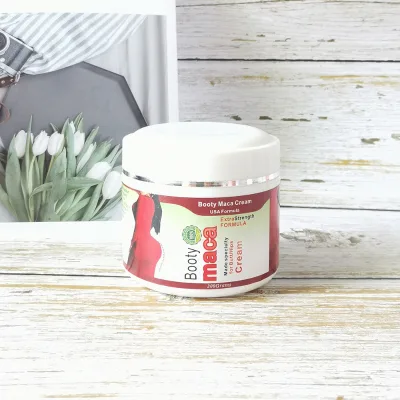
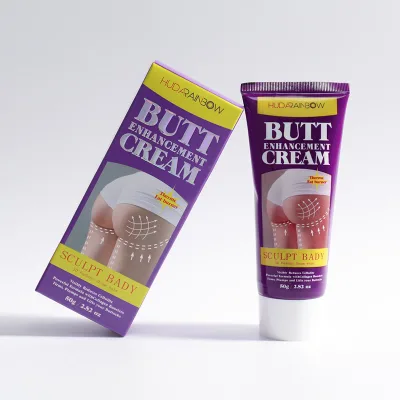
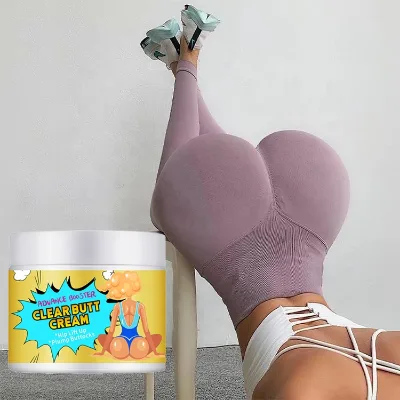
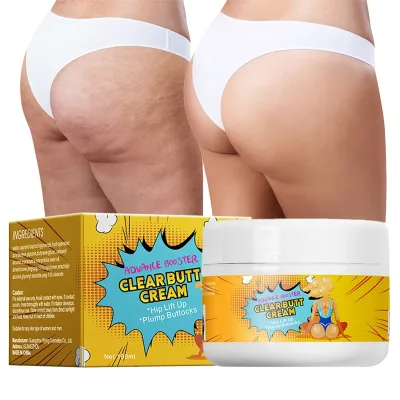
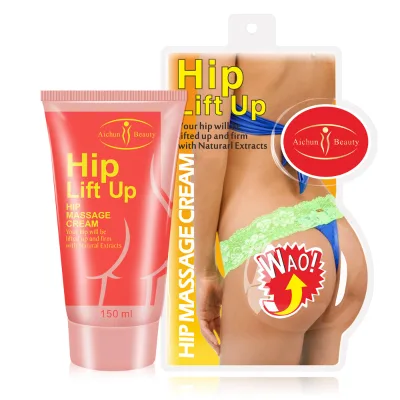
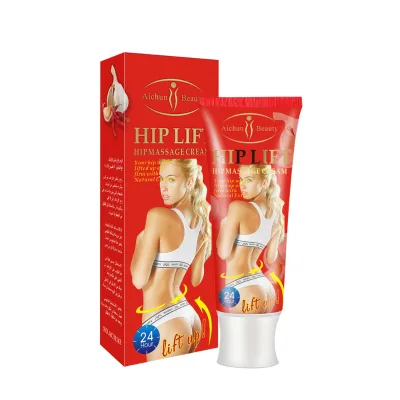


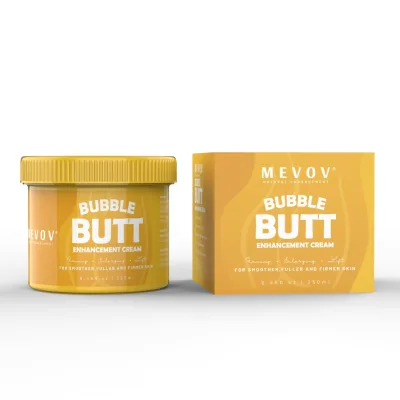


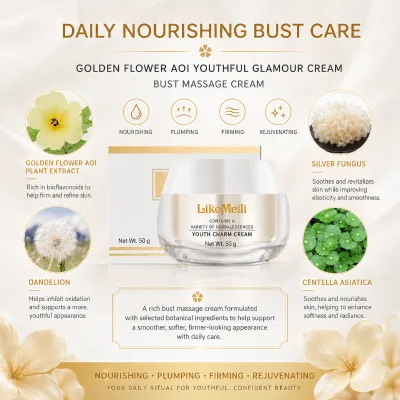
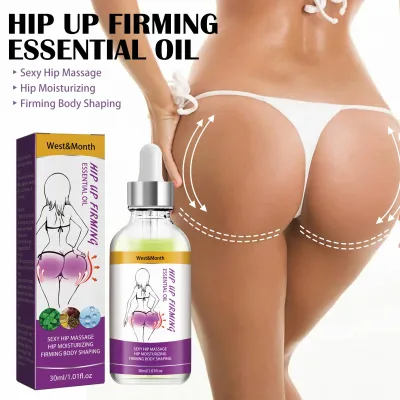
Comprehensive Sourcing Guide
Natural Collagen Butt Enlarging Cream Sourcing Guide
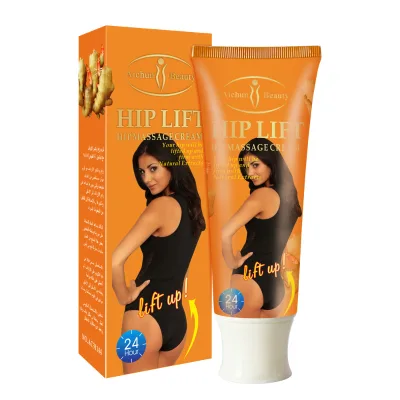
Procuring Natural Collagen Butt Enlarging Cream requires a disciplined approach to verifying ingredient integrity and formulation efficacy. Buyers must distinguish between products marketed with herbal extracts and those relying on synthetic chemical bases, as the supplied data indicates a split in ingredient profiles. Some listings highlight maca, angelica, and papaya extracts alongside collagen, while others simply list "chemical" ingredients. This divergence necessitates rigorous sample testing to confirm that the "natural" claim aligns with the actual formulation. Sourcing teams should prioritize suppliers who provide transparent ingredient lists and batch-specific analysis reports to ensure the product meets the specific marketing claims of "natural organic ingredients" and "quick effect."
The commercial landscape for these creams is characterized by flexible manufacturing services, with many suppliers offering OEM, ODM, and private label options. This flexibility allows brands to customize packaging, branding, and potentially formulation, but it also introduces complexity in quality control. Buyers should note that while some products are branded under specific names like "ButtEnlarge," many are sold under generic OEM/ODM labels. This suggests a market driven by white-label distribution rather than established consumer brands. Consequently, procurement strategies must focus on supplier reliability and consistency rather than brand loyalty, ensuring that the manufacturing partner can maintain quality across different private label iterations.
Product Scope and Observed Listing Signals
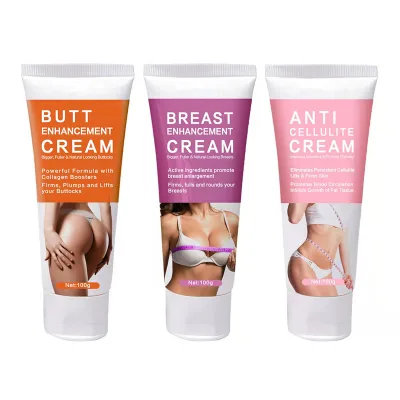
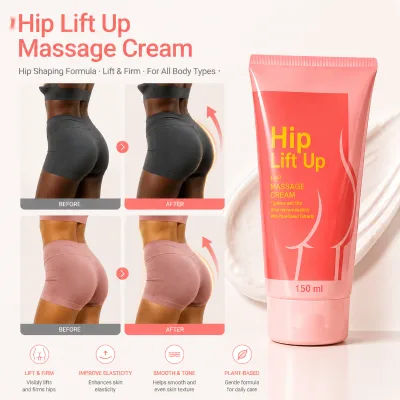
The observed product scope reveals a diverse range of specifications, with volumes varying significantly between 200g, 250g, and 300ml options. This variation impacts shipping calculations and retail pricing strategies, requiring buyers to standardize their selection process. The primary function across these listings is butt and hip enhancement, often marketed with features like "lightening" or "breast enhancers," which may indicate multi-purpose formulations. Buyers should carefully review the product descriptions to ensure the intended use matches their target market’s expectations, as the overlap in feature claims can lead to consumer confusion if not clearly differentiated in marketing materials.
Shipping and logistics parameters are critical for cost estimation, with observed gross weights ranging from 0.300 kg to 0.500 kg per single package. The carton specifications, such as 192 pieces per carton with a gross weight of 26kg, provide a baseline for bulk shipping calculations. Delivery times are typically noted as 3-7 days, which is advantageous for rapid inventory replenishment. However, buyers must verify if this lead time applies to sample orders or bulk production, as manufacturing lead times for custom OEM orders may differ significantly. Understanding these logistical details is essential for accurate supply chain planning and inventory management.
Technical Specifications to Verify
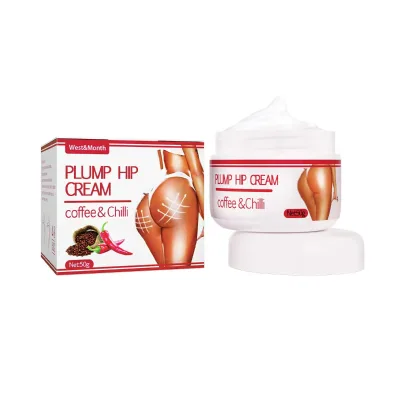
Technical verification must begin with the model numbers and packaging dimensions, which vary across suppliers. Common models include DS-1204 and generic identifiers like "butt enlargement cream" or "Butt Enhancement Cream." Packaging sizes are listed as 8x6x3 cm or 8x6x2.3 cm, which directly influences shelf space and retail display requirements. Buyers should confirm the exact single package size and gross weight for each SKU to ensure compatibility with their distribution channels. Additionally, the shelf life is reported as either 3 or 4 years, a crucial factor for inventory turnover planning and minimizing waste due to expiration.
The formulation’s physical properties, such as being "not water resistant," should be clearly communicated to end-users to manage expectations. Buyers must verify the consistency and texture of the cream, as these affect user experience and product efficacy. The presence of glycerin and shea butter in some formulations suggests a moisturizing base, which may enhance skin feel but does not guarantee enhancement results. It is imperative to request physical samples to test the cream’s absorption rate, scent, and stability under various temperature conditions. This hands-on verification is the only reliable way to assess the product’s quality before committing to large orders.
Compliance and Safety Documentation
Compliance documentation is a primary concern, with some suppliers claiming FDA and GMP certifications. Buyers must independently verify the validity of these certifications, as claims alone do not guarantee regulatory adherence. The presence of GMP certification suggests a controlled manufacturing environment, but it does not automatically validate the safety or efficacy of the final product. Buyers should request copies of the actual certificates and check their expiration dates and issuing authorities. Additionally, the ingredient list, which includes both herbal extracts and chemical components, must be reviewed for compliance with local regulations in the target market, particularly regarding prohibited substances or restricted concentrations.
Safety data sheets (SDS) and ingredient safety assessments are essential for mitigating liability risks. Buyers should ensure that suppliers provide comprehensive documentation for each ingredient, including maca, angelica, papaya extract, and collagen, to confirm their safety for topical application. The claim of "natural organic ingredients" requires substantiation, potentially through organic certification documents if applicable. Furthermore, buyers must verify that the product does not contain any allergens or irritants that could lead to adverse reactions. Establishing a clear chain of custody for safety documentation is crucial for maintaining brand reputation and avoiding regulatory penalties.
Cost Drivers and Commercial Terms
Cost drivers in this market include the complexity of customization, ingredient quality, and order volume. The observed minimum order quantity (MOQ) ranges from 5 to 100 units, with some listings specifying 192 pieces per carton. This flexibility allows for lower initial risk but may result in higher per-unit costs for small orders. Buyers should negotiate tiered pricing structures that reward larger volumes, especially if they plan to scale their private label operations. The inclusion of OEM/ODM services may incur additional setup fees, which should be factored into the total cost of acquisition.
Payment terms and shipping costs are significant components of the overall procurement budget. While specific prices are not universally listed, the observed range of $0.58 to $6.5 USD per unit provides a benchmark for negotiation. Buyers should clarify whether these prices include shipping, taxes, and duties, as these can significantly impact the landed cost. The availability of multiple shipping options, including UPS, FedEx, DHL, and sea/air freight, offers flexibility but also requires careful cost-benefit analysis. Selecting the most cost-effective shipping method based on order size and urgency is essential for maintaining healthy profit margins.
Supplier Qualification and Quality Control
Supplier qualification should focus on manufacturing capabilities and quality assurance processes. Buyers must assess the supplier’s ability to maintain consistency across batches, particularly when dealing with natural ingredients that may vary in potency. The claim of "quick effect" and "herbal extracts make butt bigger" requires rigorous testing to validate, as these are performance claims that can lead to regulatory scrutiny if unsubstantiated. Buyers should request third-party lab tests for efficacy and safety, ensuring that the product delivers on its promises without causing harm.
Quality control protocols should include pre-shipment inspections and random sampling from production batches. Buyers should establish clear acceptance criteria for product appearance, packaging integrity, and labeling accuracy. The ability to provide batch-specific certificates of analysis (COA) is a strong indicator of a supplier’s commitment to quality. Additionally, buyers should evaluate the supplier’s responsiveness to feedback and their willingness to implement corrective actions for any quality issues. Building a strong relationship with a reliable supplier is crucial for long-term success in the competitive beauty and personal care market.
Long-Term Procurement Checks
Long-term procurement success depends on continuous monitoring of supplier performance and market trends. Buyers should regularly review supplier compliance with regulatory changes, particularly in the cosmetics and personal care sectors. The dynamic nature of ingredient regulations means that a product compliant today may not be compliant tomorrow. Establishing a routine for re-verifying certifications and ingredient safety is essential for maintaining legal operation in target markets. Buyers should also stay informed about emerging trends in natural and organic beauty products to ensure their offerings remain relevant.
Customer feedback and market response should be closely tracked to identify potential issues early. Negative reviews regarding product efficacy or adverse reactions can signal underlying quality problems that require immediate attention. Buyers should implement a robust feedback loop with their suppliers to address these issues promptly. Additionally, exploring opportunities for product innovation, such as new formulations or packaging designs, can help maintain a competitive edge. By staying proactive and engaged, buyers can mitigate risks and capitalize on growth opportunities in the Natural Collagen Butt Enlarging Cream market.
FAQs
What are the main ingredients in this butt enhancement cream?
The product utilizes a blend of natural and herbal extracts to support its function. Key components include Maca, Angelica extract, Papaya Extract, and Collagen. Some formulations also incorporate Glycerin and Shea Butter for skin conditioning. These ingredients are selected to provide the advertised enhancement effects while maintaining a natural organic profile for daily use.
Can I get custom branding for this butt enlargement cream?
Yes, the supplier accepts customization requests for private labeling. They offer both OEM and ODM services to accommodate specific brand requirements. Buyers can work with the manufacturer to develop unique packaging and product identities. This service allows businesses to create distinct market offerings while leveraging the established formulation and production capabilities of the factory.
What certifications does the natural collagen cream hold?
The product is manufactured under strict quality standards and holds FDA and GMP certifications. These credentials ensure that the production processes meet international regulatory requirements for safety and hygiene. Buyers can rely on these documented standards when sourcing for markets with stringent cosmetic or health product regulations. The certifications provide assurance of consistent quality and compliance.
What is the typical delivery time for this product?
The standard delivery time is normally 3-7 days after order confirmation. This rapid turnaround supports efficient inventory management for buyers. Shipping options include UPS, FedEx, DHL, as well as sea and air freight for larger volumes. The lead time reflects the operational efficiency of the manufacturing facility in Guangdong, China, ensuring timely fulfillment of orders.
What is the minimum order quantity for this cream?
The minimum order quantity is set at 192 pieces per carton. This MOQ is designed to balance production efficiency with buyer flexibility. The standard packing configuration contains 192 units per carton, measuring 66cm by 35cm by 36cm. Buyers should consider this volume when planning their initial procurement strategy to ensure cost-effective shipping and storage.
How should the butt enhancement cream be stored?
The product has a shelf life of 3 to 4 years when stored correctly. It should be kept in a cool, dry place away from direct sunlight to maintain ingredient stability. The packaging is designed to protect the cream from environmental factors. Proper storage ensures that the herbal extracts and collagen remain effective throughout the usage period, preserving the product's quality and performance.