Source Movable Big Capacity Lithium Battery for cameras, tools, and storage
Find 30 listings for Movable Big Capacity Lithium Battery options suitable for cameras, portable tools, and backup storage. Compare specifications like voltage, capacity, and certifications from verified Chinese manufacturers to select the right power solution; compare the available evidence and request quotations based on your requirements.
Updated
Key considerations
Products List




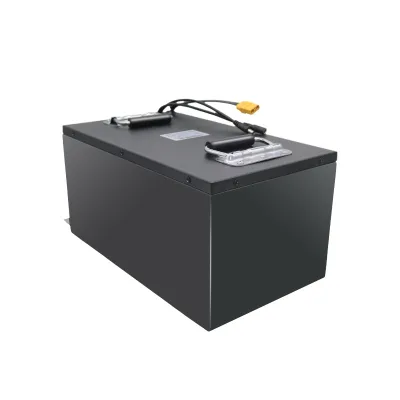
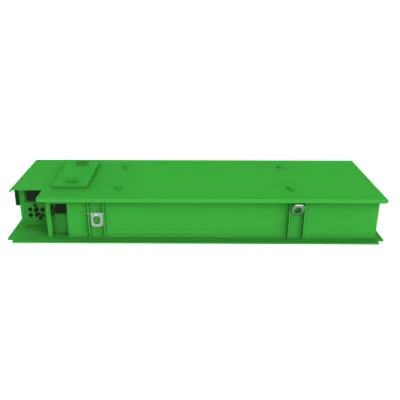


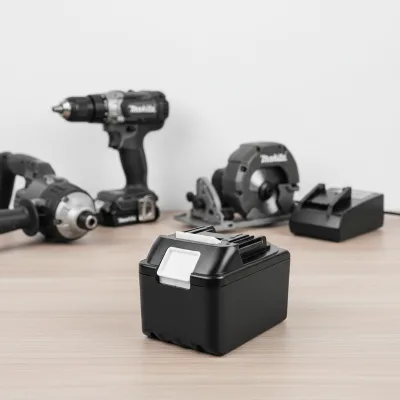

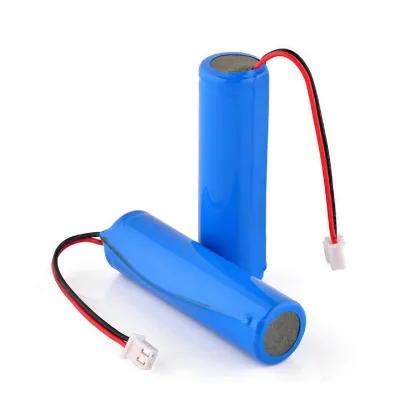
Comprehensive Sourcing Guide
Movable Big Capacity Lithium Battery Sourcing Guide
Procuring movable big capacity lithium batteries requires a disciplined approach to verifying technical specifications and commercial terms. Buyers must navigate a market where product attributes vary significantly across suppliers, ranging from small prismatic cells to large industrial packs. The observed data indicates a wide price range of $0.16 to $1319 USD, reflecting differences in chemistry, capacity, and packaging. Understanding these variables is essential for aligning procurement with specific operational needs.
This guide focuses on evidence-based verification steps to mitigate risk. It covers product scope, technical details, compliance, cost drivers, supplier qualification, and long-term checks. By adhering to these structured verification protocols, procurement teams can ensure that the selected batteries meet safety standards, performance expectations, and logistical requirements. The following sections provide actionable guidance for evaluating suppliers and products in this dynamic market.
Product Scope and Observed Listing Signals
The observed product listings reveal a diverse range of lithium battery types, including Li-ion, LiFePO4, and specific models like the 16340 battery. Attributes such as voltage (3.7V), capacity (700mAh), and cathode materials (LCO, LFP) indicate that offerings span from small consumer electronics components to larger industrial applications. Buyers should carefully distinguish between these variants, as the term "big capacity" may refer to different scale levels depending on the supplier's focus.
Packaging and origin details further clarify the scope, with products originating from Zhejiang, Guangdong, and Shandong provinces in China. Packing methods range from standard cartons to industrial packing with wooden pallets, suggesting suitability for both small-scale and bulk industrial shipments. The presence of customization options and OEM services indicates that many suppliers can tailor products to specific client requirements, which is a critical factor for specialized procurement needs.
Technical Specifications to Verify
Verifying technical specifications is paramount to ensuring compatibility and performance. Key attributes to confirm include the battery type, such as Li-ion or LiFePO4, and the installation method, which may be open frame for larger units. Buyers should also verify the cooling type, with natural cooling being a common specification, and the charger type, which may be electric or simple chargers depending on the application. These details directly impact the operational efficiency and safety of the battery system.
Additional specifications to validate include the size, which can be small, medium, or prismatic, and the shelf time, typically observed as one year. The model number, such as ST or Lithium Battery, helps in identifying the exact product variant. Buyers must ensure that the voltage and capacity match their device or system requirements, as mismatches can lead to performance issues or safety hazards. Cross-referencing these specifications with the supplier's datasheet is essential for accurate procurement.
Compliance and Safety Documentation
Compliance with international standards is crucial for the safe and legal use of lithium batteries. Observed certifications include CE, CB, TUV, RoHS, SGS, and MSDS, which indicate adherence to various safety and environmental regulations. Buyers should request and verify these certificates to ensure that the products meet the regulatory requirements of their target markets. The presence of these certifications suggests a baseline level of quality and safety compliance from the supplier.
Additionally, the standard IEC 62133 is mentioned in the background context, which is a key safety standard for portable lithium batteries. Buyers should confirm if the products comply with this standard, as it is widely recognized for ensuring safety during transportation and use. Verifying compliance with local and international regulations helps mitigate legal risks and ensures that the batteries can be used without regulatory hurdles in various jurisdictions.
Cost Drivers and Commercial Terms
Cost drivers for movable big capacity lithium batteries include the battery chemistry, capacity, and packaging requirements. The observed price range of $0.16 to $1319 USD reflects these variations, with higher capacities and specialized chemistries commanding higher prices. Buyers should consider the total cost of ownership, including shipping, customs duties, and potential warranty claims, when evaluating the cost-effectiveness of different suppliers.
Commercial terms such as MOQ, lead time, and payment methods also influence the procurement process. The observed MOQ ranges from 1 to 10000 pieces, with lead times typically within 10-15 days. Payment methods like T/T and Western Union are common, but buyers should negotiate terms that align with their cash flow and risk management strategies. Understanding these commercial terms helps in planning the procurement timeline and budgeting effectively.
Supplier Qualification and Quality Control
Supplier qualification involves assessing the supplier's manufacturing capabilities, quality control processes, and after-sales support. Buyers should verify the supplier's OEM service acceptance and their ability to provide customized solutions. The presence of a five-year warranty on some products indicates a level of confidence in product durability, but buyers should clarify the warranty terms and conditions to ensure adequate protection.
Quality control measures, such as batch testing and inspection reports, are essential for ensuring product consistency. Buyers should request samples for testing before placing large orders to verify performance and safety. Additionally, assessing the supplier's production capacity and lead time reliability helps in managing supply chain risks. Establishing a strong relationship with a qualified supplier ensures a steady supply of high-quality batteries.
Long-Term Procurement Checks
Long-term procurement checks involve monitoring supplier performance and product reliability over time. Buyers should track key performance indicators such as delivery times, defect rates, and customer support responsiveness. Regular audits of the supplier's quality management system can help identify potential issues early and ensure continuous improvement. Maintaining open communication with the supplier facilitates timely resolution of any problems that may arise.
Additionally, buyers should stay updated on changes in regulations and standards that may affect the use of lithium batteries. Periodic reviews of the product specifications and certifications ensure that the batteries remain compliant with current requirements. By implementing these long-term checks, buyers can maintain a reliable supply chain and ensure that their procurement strategy remains effective and compliant over time.
FAQs
What certifications are commonly available for Movable Big Capacity Lithium Battery products?
Listed Movable Big Capacity Lithium Battery products commonly carry certifications such as CE, CB, TUV, and RoHS, and some listings also reference SGS and MSDS documentation. Certification availability can vary by model and supplier, so confirm the exact certificates for the specific battery model before ordering and request copies for verification.
Which cathode materials are used in these lithium battery products?
The listed products use LCO cathode material in some lithium-ion battery models and LFP cathode material in LiFePO4 battery models. LCO cells are typically compact prismatic cells suited to devices like cameras, while LFP cells are often specified for larger capacity systems with longer service life and higher safety margins.
Can I order Movable Big Capacity Lithium Battery products with OEM or customization?
Yes, customization is available, and OEM service is explicitly offered with OEM requests acceptable on listed products. You can typically discuss specifications, packaging, and branding with suppliers before committing. Lead time for customized orders is commonly within 10 to 15 days, though complex requirements may extend production schedules.
How should Movable Big Capacity Lithium Battery products be packed for shipping?
Packing options seen in listings include carton packing, standard packing, industrial packing, and carton boxes with wooden pallets for larger systems. The right choice depends on battery size and shipping mode. Confirm packing details with the supplier, since heavier capacity battery packs generally need palletized or reinforced export packaging.
What payment terms and delivery times can buyers expect?
Listed suppliers commonly accept T/T and Western Union payments, with lead times within 10 to 15 days for standard orders. Minimum order quantities vary widely, from as low as 1 piece to 10,000 pieces depending on the model. Confirm exact payment conditions and production schedules directly with each supplier before placing an order.
What warranty and shelf life apply to these lithium battery products?
Some listed battery systems come with a 5 year warranty, which typically covers manufacturing defects under normal use. For smaller cells, shelf time of about 1 year is noted, meaning batteries should be charged and stored properly if kept unused. Always verify warranty terms and storage guidance for the specific model you purchase.