Source Organic Vitamin B Complex Capsules for supplements, food, and health care
Find 30 verified suppliers offering Organic Vitamin B Complex Capsules tailored for health care products, food applications, and adult dietary needs. Compare specifications, certifications, and pricing to select the right manufacturer for your bulk requirements.
Key considerations
Products List


Factory Supply Immune and Nervous System Support Vitamin B Complex Capsules
$2.50 - $3.10
MOQ: 100 Pieces
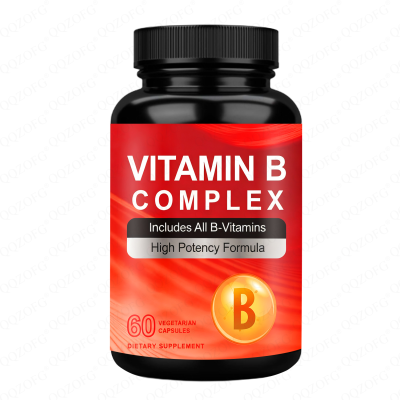


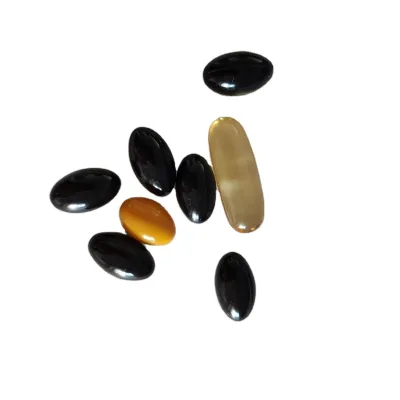
Advanced Vitamin B Complex Soft Capsules for Brain and Metabolism Boost
$0.01 - $0.08
MOQ: 100000 Pieces




Comprehensive Sourcing Guide
Strategic Sourcing Guide for Organic Vitamin B Complex Capsules
Understanding Product Specifications and Formulation
When sourcing Organic Vitamin B Complex Capsules, buyers must first establish a clear understanding of the technical specifications that define the product's identity and utility. The core product is typically identified as a Vitamin B Complex Capsule, often designated by specific model numbers such as HB-Vitamin B Complex Capsules or AHVBC. These formulations are designed primarily for health care products and food applications, targeting adult consumers who require immune support and general nutritional supplementation. The dosage form is consistently observed as capsules, with a standard serving size often noted as two capsules per dose.
The physical presentation of the product is critical for logistics and retail readiness. Packaging is frequently observed in carton boxes, with individual bottles serving as the primary unit. Standard packaging configurations include bottles containing 60, 90, or 120 capsules, though bulk options are also available for large-scale distribution. The product origin is predominantly traced to manufacturing hubs in China, specifically regions like Shaanxi. Buyers should note that while the core product is a vitamin supplement, the "organic" designation requires careful verification against the specific ingredient lists provided by the supplier, as the general product attribute lists "Vitamins" and "Organic" as features, but the exact composition of organic versus synthetic components must be confirmed in the technical data sheet.
Compliance Framework and Certification Verification
In the B2B supplement market, compliance is not merely a formality but a prerequisite for market access. The supply chain for vitamin B complex capsules is heavily regulated, requiring a robust portfolio of certifications to ensure safety and quality. Based on observed market data, suppliers in this category typically hold a combination of certifications including HACCP (Hazard Analysis and Critical Control Points), GMP (Good Manufacturing Practice), ISO (International Organization for Standardization), and FDA (Food and Drug Administration) compliance. Additional certifications such as BRC (British Retail Consortium), QS, and KOSHER are also frequently cited, indicating a supplier's ability to meet diverse international standards.
Buyers must verify that the specific supplier they engage holds current, valid certificates for the specific facility producing the order. The presence of GMP and HACCP is particularly vital for food-grade supplements, ensuring that the manufacturing environment minimizes contamination risks. Furthermore, the QS certification often relates to quality safety in specific regional markets, while KOSHER certification addresses dietary restrictions for specific religious groups. The "Food" product type classification reinforces the need for these rigorous standards. When evaluating a potential partner, the buyer should request copies of these certificates and verify their expiration dates, as the absence of any single major certification could disqualify a supplier from selling in regulated markets like the United States or the European Union.
Cost Drivers and Minimum Order Quantity Analysis
The financial structure of sourcing vitamin B complex capsules is influenced by several variable factors, primarily driven by the Minimum Order Quantity (MOQ) and the level of customization required. Market observations indicate a wide variance in MOQs, ranging from as low as 10 bottles for sample or trial orders to as high as 1,000,000 units for bulk industrial contracts. A common baseline MOQ observed for standard production runs is around 100 bottles, though some suppliers may set this at 500 bottles depending on the formulation complexity.
Cost drivers also include the choice of packaging and the extent of private labeling. While standard packaging involves a simple carton box with a bottle inside, the availability of "Private Package" options allows for custom branding, which often incurs additional setup costs. The service model, specifically OEM (Original Equipment Manufacturer) and ODM (Original Design Manufacturer) capabilities, plays a significant role in pricing. Suppliers offering custom logo printing and private label services typically command a premium over those providing generic, unbranded goods. Additionally, the lead time, which is observed to be approximately 5 to 7 working days for standard orders, can impact the overall cost structure if expedited shipping is required. Buyers should anticipate that smaller orders may have a higher unit cost due to the fixed costs of production setup, whereas larger orders benefit from economies of scale.
Typical Applications and Target Market Segments
The versatility of Organic Vitamin B Complex Capsules makes them suitable for a broad spectrum of applications within the health and wellness sector. The primary application is as a dietary supplement for adults, targeting individuals seeking immune support and general vitality. The product is marketed as a unisex supplement, meaning it is suitable for all adult genders. The "Organic" feature suggests a growing market segment focused on natural and clean-label products, appealing to consumers who prefer supplements derived from organic sources over synthetic alternatives.
Beyond direct consumer sales, these capsules are utilized in the formulation of broader health care products and functional foods. The ability to customize the product allows manufacturers to integrate these capsules into private label lines or to create specific formulations for niche markets. The "Food" classification indicates that the product can be used as an ingredient in fortified food products, expanding its utility beyond traditional pill form. The storage requirements, which mandate a cool and dry place to ensure moisture-proof conditions, are critical for maintaining the efficacy of the vitamins throughout the supply chain. This storage requirement influences the logistics strategy, as suppliers and buyers must ensure that transportation and warehousing conditions do not compromise the product's shelf life, which is typically observed to be 24 months.
Supplier Evaluation and Service Capabilities
Evaluating a supplier for vitamin B complex capsules requires a holistic assessment of their operational capabilities and service offerings. A key differentiator in this market is the flexibility of the service model. Most suppliers offer comprehensive OEM/ODM services, including custom logo printing and private label packaging. This capability is essential for brands looking to differentiate themselves in a crowded marketplace. The availability of samples is another critical factor; suppliers typically provide samples to allow buyers to verify product quality before committing to a large order.
When assessing a supplier, buyers should look for evidence of a robust quality control system. The use of advanced testing methods such as HPLC (High-Performance Liquid Chromatography) and UV (Ultraviolet) spectroscopy is standard for verifying the assay and purity of the vitamin B complex. These tests ensure that the active ingredients meet the specified potency levels. Additionally, the supplier's ability to handle various payment methods, including Wire Transfer, Visa Card, and PayPal, indicates a level of financial flexibility that can facilitate smoother transactions. The shipping options, which include Express, Air, Sea, Train, and Private Airline, provide buyers with the ability to choose a logistics solution that balances cost and speed according to their specific needs.
Quality Control Protocols and Testing Standards
Maintaining product integrity is paramount in the supplement industry, and quality control protocols are the backbone of this assurance. The testing regimen for vitamin B complex capsules typically involves rigorous analytical methods to confirm the identity, strength, and purity of the ingredients. The use of HPLC is a primary method for assay determination, allowing for precise quantification of the vitamin B components. UV testing serves as a complementary method for identifying specific chemical properties.
Buyers must ensure that the supplier adheres to strict storage protocols to prevent degradation. The product attributes indicate a need for moisture-proof storage and a cool, dry environment. This is crucial because vitamins are sensitive to environmental factors, and improper storage can lead to a reduction in potency or the formation of harmful byproducts. The shelf life of 24 months is a standard benchmark, but this is contingent upon the product being stored correctly from the point of manufacture to the point of consumption. Quality control should also extend to the packaging materials, ensuring that the carton and bottle provide adequate protection against moisture and light. Regular third-party testing and the availability of test reports are essential components of a reliable quality assurance program.
Long-Term Procurement Considerations and Sustainability
For buyers looking to establish a long-term supply chain for Organic Vitamin B Complex Capsules, several strategic considerations must be addressed beyond the initial transaction. The scalability of the supplier is a primary concern; the ability to handle orders ranging from 10 bottles to 1,000,000 units suggests that the supplier has the capacity to grow with the buyer's business. However, buyers should verify the supplier's ability to maintain consistent quality as production volumes increase.
Sustainability and ethical sourcing are becoming increasingly important in the procurement of organic products. While the specific organic farming practices of the ingredient suppliers may not be detailed in the general product attributes, buyers should inquire about the supply chain transparency regarding the "organic" claim. This includes verifying the source of the raw materials and ensuring that the organic certification is maintained throughout the processing and packaging stages. Furthermore, the environmental impact of the packaging, which is typically a carton box and bottle, should be evaluated. Buyers may prefer suppliers who utilize recyclable or biodegradable materials to align with corporate sustainability goals. Finally, the reliability of the lead time and the flexibility of the payment terms are critical for maintaining a stable supply chain, ensuring that inventory levels are managed effectively without unnecessary delays or financial risks.
FAQs
What certifications do Organic Vitamin B Complex Capsules suppliers hold?
Suppliers typically hold HACCP, GMP, ISO, FDA, BRC, QS, and KOSHER certifications. These standards ensure safety and quality for food-grade supplements, with GMP and HACCP being critical for minimizing contamination risks in manufacturing facilities.
How is the product packaged and what are the standard quantities?
The product is packaged in carton boxes containing bottles, with standard configurations of 60, 90, or 120 capsules per bottle. Bulk options are also available for large-scale distribution needs, ensuring flexibility for different order sizes.
Can suppliers provide custom logo printing and private label services?
Yes, OEM and ODM services including custom logo printing and private label packaging are available. This allows buyers to differentiate their brand, though custom branding options may incur additional setup costs compared to generic unbranded goods.
What is the typical lead time for standard production orders?
The lead time for standard orders is approximately 5 to 7 working days. This duration allows for efficient production scheduling, though expedited shipping options may be required if faster delivery is needed for urgent inventory replenishment.
Which testing methods are used to verify product potency and purity?
Advanced testing methods such as HPLC and UV spectroscopy are used to verify assay and purity. These analytical techniques ensure that the active vitamin B ingredients meet specified potency levels and maintain product integrity throughout the supply chain.
What are the storage requirements to maintain product shelf life?
Products must be stored in a cool, dry place to ensure moisture-proof conditions. Proper storage is critical to maintaining the 24-month shelf life, as vitamins are sensitive to environmental factors that can reduce potency over time.