Source Portable Rechargeable Nail Dust Collector for Salons, Manicure, and Beauty
Compare 30 listings of Portable Rechargeable Nail Dust Collector units designed for manicure salons and beauty applications. Buyers can evaluate features like suction power, voltage compatibility, and certifications to find the right equipment for commercial use.
Key considerations
Products List




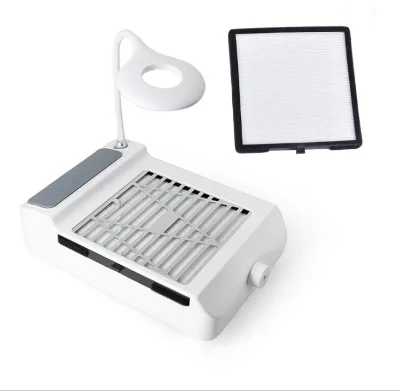
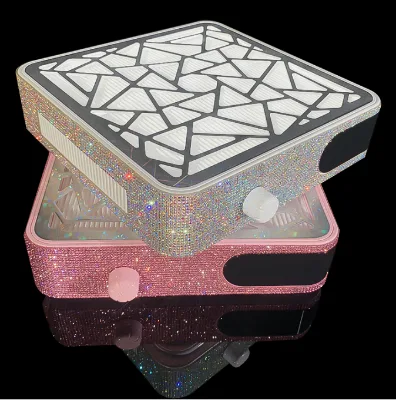
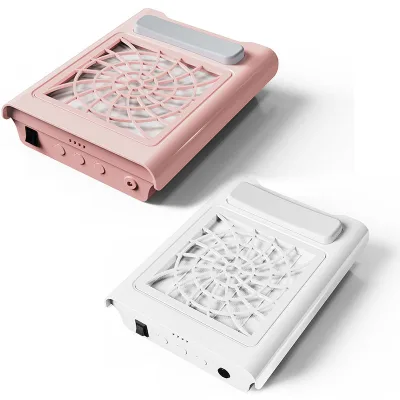
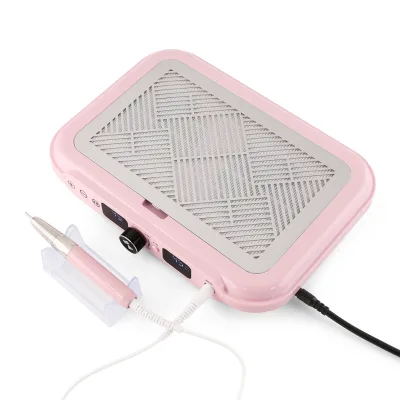
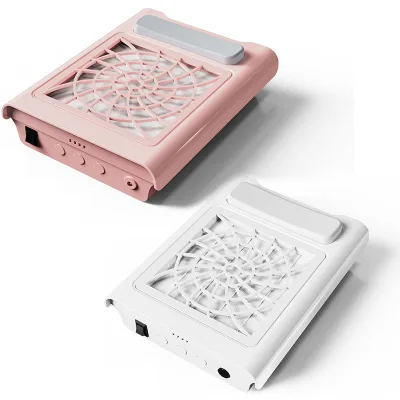
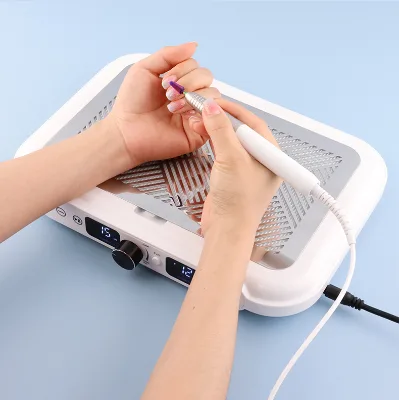
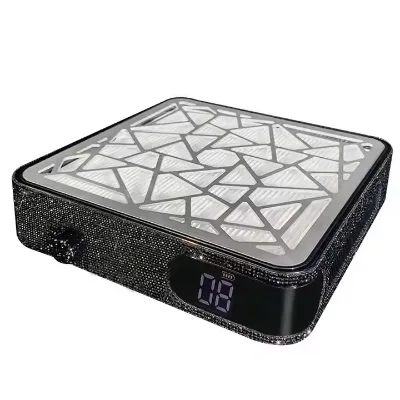


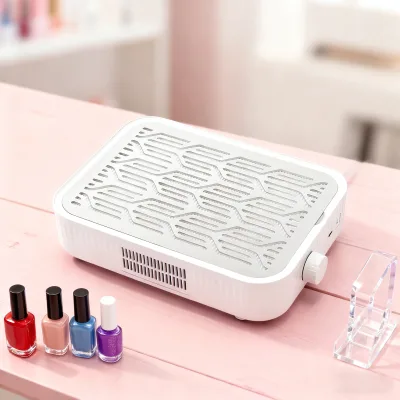
Comprehensive Sourcing Guide
Portable Rechargeable Nail Dust Collector Sourcing Guide
Sourcing a Portable Rechargeable Nail Dust Collector requires a careful balance between suction performance, portability, and regulatory compliance. These devices are essential for maintaining air quality in manicure salons by capturing fine particulate matter generated during filing and polishing. Buyers must distinguish between high-power stationary units and compact, battery-operated models designed for flexibility. The market offers a variety of options, ranging from simple vacuum attachments to advanced units with touch screens and variable speed controls. Understanding the specific operational needs of your salon or retail environment is the first step in selecting the right equipment.
The procurement process involves evaluating multiple technical and commercial factors, including voltage compatibility, power source, and certification status. Observed listings indicate a wide range of specifications, from 7W to 80W power consumption, and various power sources including USB charging and battery operation. Buyers should verify that the selected model meets the electrical standards of their target market, particularly regarding plug types and voltage ranges. Additionally, the physical dimensions and weight of the unit are critical for portable applications, ensuring that the device can be easily moved between stations or stored when not in use.
Product Scope and Observed Listing Signals
The current market for portable nail dust collectors includes a diverse array of products with varying features and specifications. Listings show model numbers such as DR-3025 and NDC5, indicating that manufacturers offer distinct product lines tailored to different use cases. Some units are designed for commercial salon environments, featuring robust construction and higher suction power, while others prioritize portability with lightweight designs and battery operation. The observed price range of 3-240 USD reflects this diversity, with lower-cost options typically offering basic functionality and higher-priced models providing advanced features like touch screen interfaces and variable speed controls.
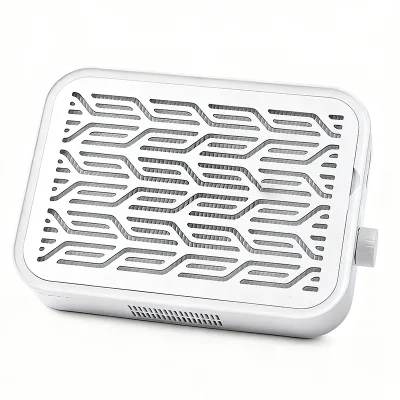
Key attributes observed in listings include material composition, color, and packaging details. Most units are constructed from plastic, with white being a common color choice, and are packaged in boxes for retail or wholesale distribution. Carton sizes and single package dimensions vary, with some units measuring 20205.95cm and others 20X20X10.5 cm. Buyers should pay close attention to these specifications to ensure that the products fit within their storage and shipping constraints. Additionally, the presence of OEM/ODM customization options suggests that many suppliers are willing to tailor products to specific brand requirements, which can be beneficial for businesses looking to offer branded equipment.
Technical Specifications to Verify
When evaluating technical specifications, buyers must prioritize suction power, rotational speed, and power source compatibility. Observed data indicates that some units operate at 4000 RPM with 7W power, while others offer higher speeds of 3100-3500 RPM or even up to 35000 RPM for nail pens, with power ratings up to 80W. It is crucial to verify the actual suction performance, as higher RPM does not always correlate with better dust collection efficiency. Buyers should request detailed specifications on airflow volume and filtration efficiency to ensure that the device effectively captures fine nail dust without releasing it back into the air.
Power source and voltage compatibility are also critical technical considerations. Listings show a mix of AC-powered units (100V-240V, 50/60Hz) and battery-operated or USB-charged devices. Buyers must ensure that the selected model matches the electrical infrastructure of their salon or retail space. For portable units, battery life and charging time are important factors that impact usability. Additionally, the type of plug (US/EU/UK/AU) must be compatible with local outlets. Buyers should also verify the noise level of the device, as high-speed fans can generate significant noise, which may be disruptive in a quiet salon environment.
Compliance and Safety Documentation
Compliance with international safety and environmental standards is non-negotiable for nail dust collectors, especially those sold in regulated markets. Listings frequently mention certifications such as CE, RoHS, FCC, and EMC, which indicate that the products meet specific safety, electromagnetic compatibility, and environmental requirements. Buyers must verify that the certificates provided by suppliers are valid and issued by recognized testing bodies. It is also important to check if the certifications cover the specific model and voltage configuration being purchased, as certifications are often model-specific.
In addition to product certifications, buyers should inquire about the materials used in the construction of the device. The use of plastic components must comply with environmental regulations, particularly regarding the presence of hazardous substances. RoHS certification typically ensures that the product is free from certain hazardous materials, but buyers should request detailed material safety data sheets (MSDS) for confirmation. Furthermore, warranty terms, often listed as 1 year or 12 months, provide an additional layer of protection for buyers, ensuring that defects are addressed within a reasonable timeframe.
Cost Drivers and Commercial Terms
The cost of portable rechargeable nail dust collectors is influenced by several factors, including power output, feature set, and customization options. Units with higher suction power, variable speed controls, and touch screen interfaces tend to be more expensive than basic models. The observed MOQ range of 1-100 units suggests that suppliers are flexible with order quantities, catering to both small businesses and large distributors. Buyers should negotiate pricing based on volume, keeping in mind that larger orders may qualify for discounts, but also considering the storage and cash flow implications of bulk purchases.
Commercial terms such as payment methods, shipping costs, and lead times are also important considerations. While specific lead times are not provided in the listings, buyers should confirm these details with suppliers before placing orders. Shipping costs can vary significantly depending on the weight and dimensions of the packages, so it is advisable to calculate the total landed cost, including freight and customs duties. Additionally, buyers should clarify the warranty process, including who bears the cost of return shipping for defective items and the availability of spare parts such as filters and batteries.
Supplier Qualification and Quality Control
Supplier qualification is a critical step in ensuring the reliability and quality of the sourced products. Buyers should verify the supplier’s business license, manufacturing capabilities, and quality control processes. Suppliers located in regions like Guangdong and Ningbo, China, are common sources for these products, but buyers should conduct due diligence to ensure that the supplier has a proven track record of producing high-quality devices. Requesting samples before placing bulk orders is a best practice to evaluate the product’s performance, build quality, and compliance with stated specifications.
Quality control measures should include inspections of the final products for defects, such as cracks in the plastic housing, faulty switches, or inconsistent suction power. Buyers should also verify that the packaging is adequate to protect the products during transit, preventing damage that could render them unusable. Additionally, suppliers should provide clear labeling and instructions in the target market’s language, ensuring that end-users can operate the devices safely and effectively. Establishing a clear communication channel with the supplier for addressing any quality issues post-delivery is also essential for maintaining customer satisfaction.
Long-Term Procurement Checks
Long-term procurement success depends on the ability to maintain a consistent supply of high-quality products and adapt to changing market demands. Buyers should regularly review supplier performance, including on-time delivery rates, product quality consistency, and responsiveness to issues. Building a strong relationship with reliable suppliers can lead to better pricing, priority production, and access to new product innovations. Additionally, staying informed about regulatory changes in target markets is crucial, as updates to safety or environmental standards may require product modifications or new certifications.
Consumables such as filters and batteries are also important considerations for long-term procurement. Buyers should ensure that these items are readily available and compatible with the purchased units, as their availability can impact the usability of the devices. Establishing a recurring order schedule for consumables can help maintain stock levels and avoid disruptions in service. Finally, gathering feedback from end-users regarding the performance and durability of the products can provide valuable insights for future purchasing decisions, helping to refine the product selection and supplier base over time.
FAQs
What certifications do these nail dust collectors have?
These units typically carry CE, RoHS, FCC, and EMC certifications. The product specifications confirm compliance with these standards, ensuring safety for commercial use in manicure salons and other professional settings.
How is the power supply configured for this device?
The device operates using a battery power source with USB charging capabilities. Some models feature a 7W or 80W power rating and support various plug types including US, EU, UK, and AU standards for global compatibility.
Can I customize the logo on this nail vacuum cleaner?
Yes, OEM and ODM customization services are available for this product. Buyers can request custom logos and branding, making it suitable for commercial applications where brand identity is essential for salon equipment.
What is the warranty period for this nail dust extractor?
The standard warranty period is one year or 12 months for this equipment. This coverage applies to the functional components, ensuring reliability for users who require consistent performance during nail polishing procedures.
Which specifications define the suction performance of this collector?
The unit features high suction capabilities with a motor speed ranging from 3100 to 3500 RPM. It is designed specifically for collecting nail dust during manicure processes, ensuring a clean working environment for professionals.
What is the typical packaging size for a single unit?
A single package size is approximately 20 by 20 by 10.5 centimeters. The product is packed in a box, with a gross weight of 1.5 kilograms, facilitating easy shipping and storage for bulk orders.