Source ce x-ray compatible surgical table for ORs
Find 30 ce x-ray compatible surgical table options from China. Compare stainless steel and carbon fiber models with electric lifting, ISOCE certification, and 1-year warranty for hospital operating rooms; compare the available evidence and request quotations based on your requirements.
Updated
Key considerations
Products List

Double Controller Electric C-Arm X-ray Compatible Surgical Operating Table
$2050.00 - $2100.00
MOQ: 1 Sets


Hospital Electro-Hydraulic Surgical Operating Table with C-Arm X-ray Function
$4950.00 - $5000.00
MOQ: 1 Pieces
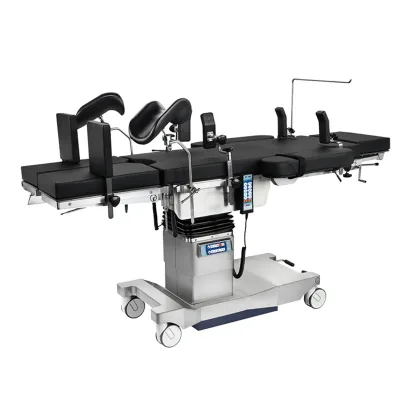
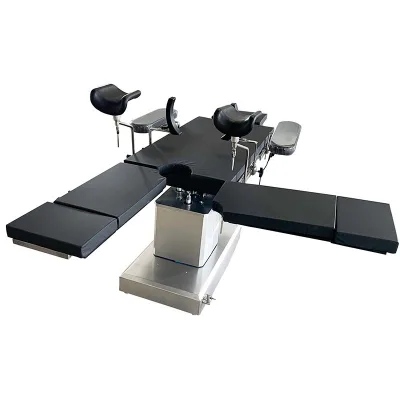
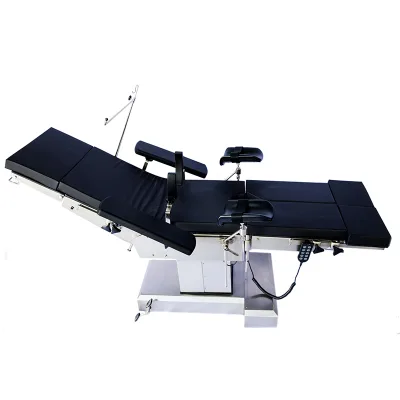
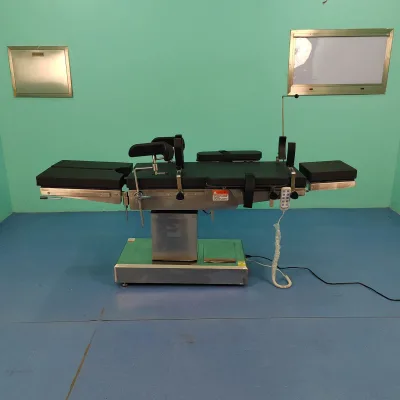
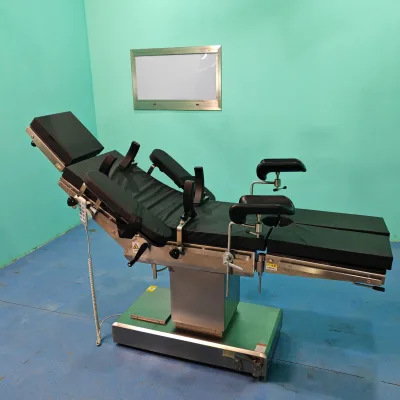

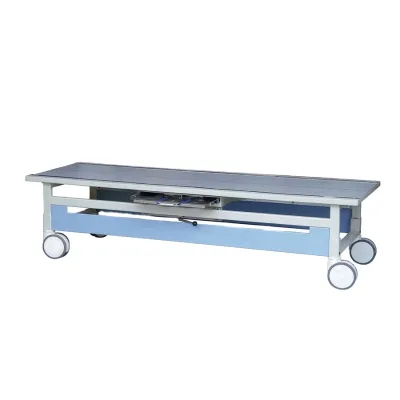
$204.9311 - $2049.3106
MOQ: 1 Minimum

CE ISO Approved X-ray C-Arm Available 5 Parts Electrical Surgical Operating Table
$1900.00 - $2600.00
MOQ: 1 Pieces

Fy503-E2 Hospital X-ray Surgical Operating Table Equipment Electrical Operation Table
$2100.00 - $2500.00
MOQ: 1 Pieces


Electrical Medical Surgical Operating Table X-ray and C-Arm Available Adjustable
$950.00 - $1050.00
MOQ: 1 Pieces

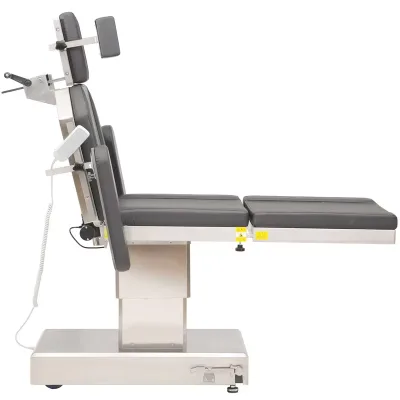
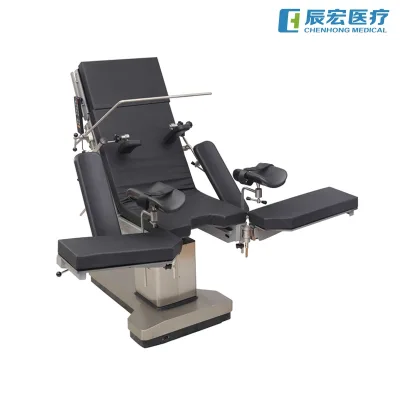
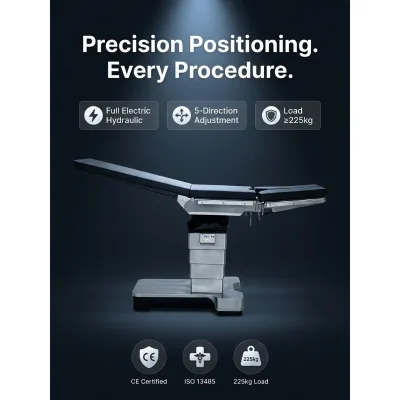
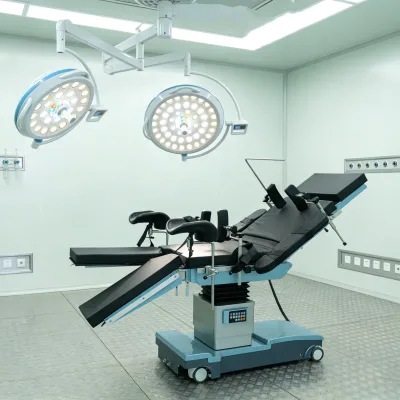
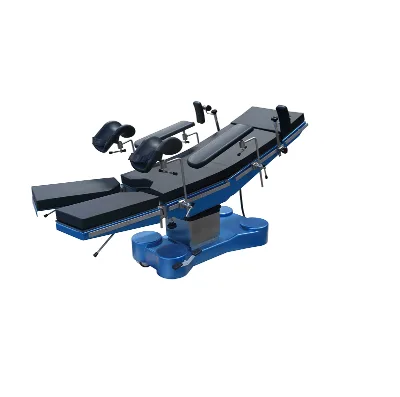

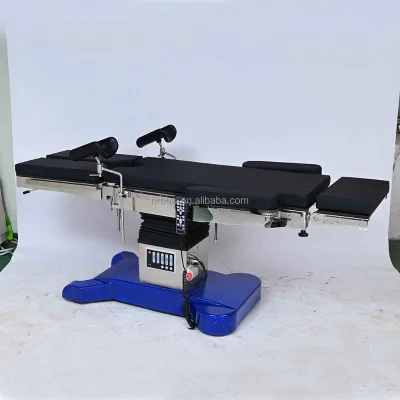
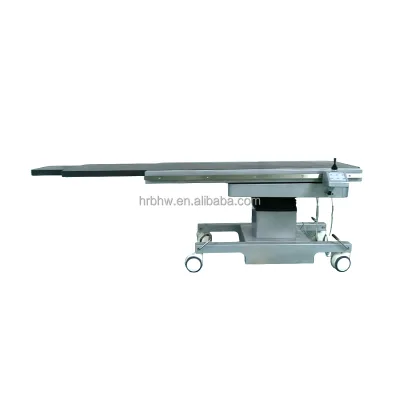
HENGWEI BRAND Carbon Fiber Operating Table Interventional X-ray Imaging Operating Table
$5000.00 - $8000.00
MOQ: 1 Minimum


Ltx31 Medical C-Arm X Ray Table Surgical Operation Simple Surgical Bed
$762.00 - $790.00
MOQ: 1 Pieces

Ltx30 Medical Surgical Operation C-Arm X Ray Bed Mobile X Ray Table for Hospital
$1904.00 - $1980.00
MOQ: 1 Pieces

Comprehensive Sourcing Guide
Ce X-Ray Compatible Surgical Table Sourcing Guide
Procuring a surgical table that integrates seamlessly with C-arm imaging systems requires careful attention to radiolucency and structural stability. Buyers must prioritize tables constructed from materials that minimize X-ray attenuation, ensuring clear diagnostic images without compromising patient safety. The observed market data indicates a diverse range of options, from specialized orthopedic tables to multi-purpose units designed for gynecological and pediatric procedures. Understanding the specific clinical workflow is essential, as the table must support both surgical precision and diagnostic clarity.
The supply chain for these devices is heavily concentrated in China, with manufacturers offering various customization options to meet specific hospital requirements. Key attributes such as power supply compatibility, weight capacity, and folding mechanisms vary significantly across listings. Buyers should verify that the selected model supports the necessary voltage frequencies and includes features like electric tilt lifting or horizontal sliding capabilities. These mechanical functions are critical for positioning patients accurately during complex procedures involving both surgery and real-time imaging.
Product Scope and Observed Listing Signals
The current market listings reveal a broad spectrum of surgical tables, including models explicitly labeled for orthopedic and gynecological use. Observed product types range from standard operating tables to specialized units like the SLV-611T and XYN-CP03, which feature carbon fiber plates for enhanced radiolucency. These materials are crucial for X-ray compatibility, allowing for unobstructed imaging during procedures. The presence of semi-closed anesthesia interfaces and adult group classifications suggests these tables are designed for comprehensive surgical environments where patient monitoring and positioning are paramount.
Commercial signals indicate that manufacturers offer significant customization, including color and structural adjustments, to fit specific operating room aesthetics and functional needs. The observed price range is wide, reflecting differences in material quality, motorization, and additional features like LCD displays or specific safety standards. Buyers should note that many listings specify a minimum order quantity of one unit, facilitating direct procurement for individual hospital upgrades. However, the variation in packing methods, from wooden cases to cartons, highlights the need for careful logistics planning to prevent damage during transit.
Technical Specifications to Verify
When evaluating technical specifications, the material composition of the table top is the most critical factor for X-ray compatibility. Carbon fiber plates are frequently cited in high-end models, offering superior radiolucency compared to traditional metal or plastic alternatives. Buyers must verify the thickness and density of these plates to ensure they meet the diagnostic requirements of their specific imaging equipment. Additionally, the safe bearing load, observed at 180kgs in some listings, must be sufficient for the intended patient demographics, including bariatric cases if applicable.
Mechanical features such as electric tilt lifting and horizontal sliding mechanisms provide essential positioning flexibility. The observed specifications include a tilt lifting range of 340+-20mm and horizontal sliding of at least 340mm, which are vital for accessing different surgical sites. Buyers should also confirm the power supply requirements, as units typically operate on 110V/220V at 50/60Hz, ensuring compatibility with local hospital infrastructure. The folded state of some tables offers storage advantages, but the mechanism must be robust to maintain stability during operation.
Compliance and Safety Documentation
Regulatory compliance is non-negotiable for surgical equipment, particularly when dealing with electrical and mechanical components in a sterile environment. Buyers must verify that the supplier provides valid CE certification and adheres to international safety standards such as IEC 60601-1. These standards ensure that the table meets rigorous requirements for electrical safety, mechanical stability, and electromagnetic compatibility. The classification of the instrument as Class I suggests specific regulatory pathways that must be navigated correctly to ensure legal importation and clinical use.
Documentation should also include detailed user manuals, maintenance schedules, and warranty information. The observed warranty period of one year is standard, but buyers should negotiate extended coverage for critical components like motors and control panels. Additionally, the after-sale service model, often provided as online technical support, must be evaluated for responsiveness and language proficiency. Ensuring that the supplier can provide timely technical assistance is crucial for minimizing downtime in high-volume surgical centers.
Cost Drivers and Commercial Terms
The cost of a surgical table is influenced by several factors, including the material of the table top, the complexity of the motorization system, and the level of customization required. Carbon fiber tops and advanced electric positioning systems command higher prices due to their superior performance and durability. Buyers should request detailed breakdowns of costs to understand the value proposition of each feature. The observed price range of 10 to 44,899 USD reflects this variability, with basic models at the lower end and fully equipped, multi-purpose tables at the higher end.
Commercial terms such as lead time and payment conditions are also significant considerations. The observed delivery date of 7 days suggests rapid production capabilities, but buyers should confirm if this applies to customized orders. Payment terms should be structured to protect the buyer, with milestones tied to production progress and final inspection. Additionally, the port of loading, often Guangzhou, should be factored into the total landed cost, including shipping and insurance. Clear communication regarding these terms prevents unexpected expenses and delays.
Supplier Qualification and Quality Control
Selecting a reliable supplier requires thorough due diligence on their manufacturing capabilities and quality control processes. Buyers should verify the supplier’s business type, ensuring they are a manufacturer rather than a trading company, to guarantee better control over production quality and pricing. The observed origin in Jiangsu, China, indicates a hub for medical device manufacturing, but buyers must confirm specific factory certifications and audit reports. Requesting video tours or third-party inspection reports can provide valuable insights into the production environment.
Quality control should extend to the final product inspection before shipment. Buyers should define clear acceptance criteria, including functional tests of all motors, switches, and safety locks. The packing method, whether wooden case or carton, must be suitable for international shipping to prevent damage. Additionally, buyers should verify the supplier’s ability to provide spare parts and technical support throughout the product’s lifecycle. A supplier with a strong track record in after-sales service is essential for long-term operational reliability.
Long-Term Procurement Checks
Long-term procurement success depends on establishing a robust relationship with the supplier for ongoing support and potential upgrades. Buyers should negotiate service level agreements that define response times for technical issues and availability of spare parts. The rapid evolution of medical technology means that future compatibility with new imaging systems or surgical tools must be considered. Regular maintenance schedules should be established to ensure the table remains in optimal condition, preserving its radiolucency and mechanical integrity.
Feedback loops between clinical staff and the supplier are crucial for identifying any operational issues or desired improvements. Buyers should document any deviations from expected performance and communicate them promptly to the supplier. This collaborative approach helps in refining future purchases and ensures that the equipment continues to meet clinical needs. Additionally, staying informed about regulatory changes and industry standards ensures that the procurement strategy remains compliant and effective over time.
FAQs
What certifications does the surgical table have?
The surgical table holds ISOCE certification as a documented fact. This ensures compliance with specific safety and quality standards required for medical equipment. Buyers should verify the specific certification documents provided by the manufacturer before finalizing any purchase agreement for their facility.
Can the table be customized for specific needs?
Yes, customization is available for this operating table model. Buyers can request specific configurations to match their clinical requirements. The product details confirm that customization options exist, allowing for tailored solutions rather than relying solely on standard factory settings for every installation.
What is the safe bearing load capacity?
The safe bearing load capacity is 180 kilograms. This limit ensures patient safety during procedures involving bariatric or heavy patients. Users must strictly adhere to this weight restriction to prevent equipment failure or injury during surgical operations in the operating theater environment.
How long is the warranty period?
The warranty period for this unit is one year. This coverage applies to the manufacturing defects and functional performance of the table. Buyers should review the specific terms of the warranty to understand what components are included and what maintenance is required to keep the coverage valid.
What is the delivery lead time?
The delivery date is listed as seven days from order confirmation. This lead time indicates a relatively quick turnaround for manufacturing and shipping. Buyers planning urgent procedures should confirm current stock availability to ensure this seven-day window remains accurate for their specific order.
Which power supply voltage is supported?
The table supports 110V and 220V power supplies at 50 or 60Hz frequencies. This dual voltage capability allows for flexible installation in various international locations. Users must ensure their facility power matches these specifications to operate the electric lifting mechanisms safely and effectively.
What material is the table constructed from?
The table is constructed from stainless steel and metal materials. This choice provides durability and resistance to corrosion in sterile environments. The material selection ensures the equipment can withstand rigorous cleaning protocols required in modern operating rooms without degrading over time.