Source Non-Slip Geometric Velvet Rug for Home Hotel Office
Compare 30 non-slip geometric velvet rug options from verified Chinese suppliers. Buyers can evaluate materials like chemical fiber and wool, customization features, and sizes ranging from 40x60cm to custom dimensions for home, hotel, and office use; compare the available evidence and request quotations based on your requirements.
Updated
Key considerations
Products List



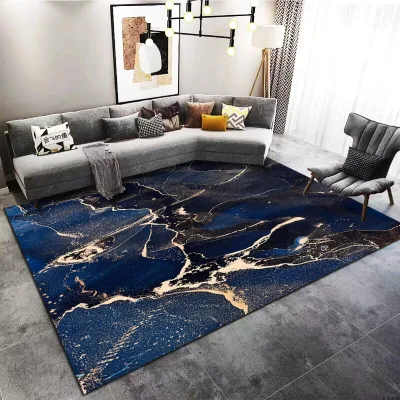
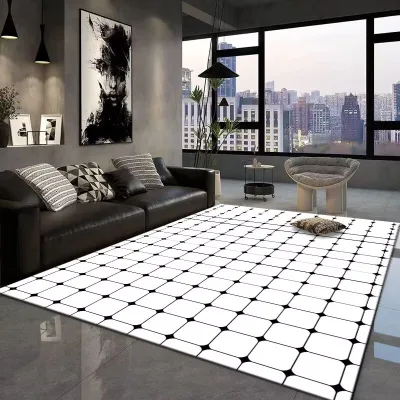
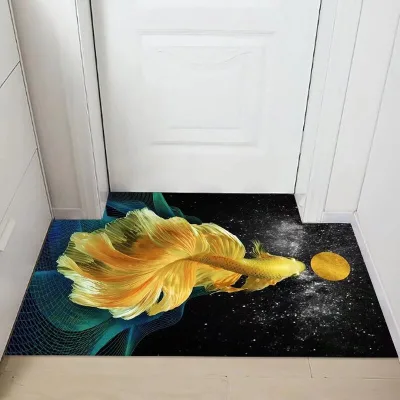
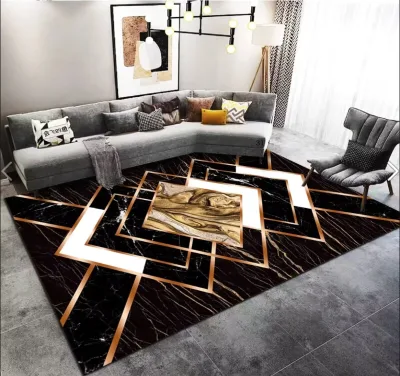
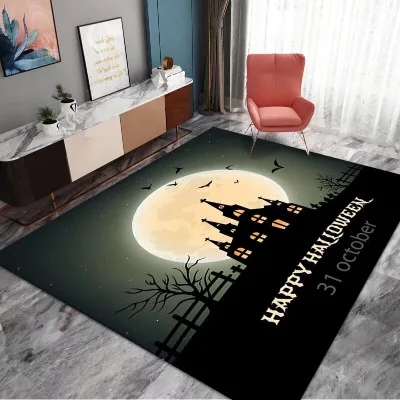
Non Woven Backing Easy Roll Storage Washable Cover Removable Living Room Carpet Area Rug Mat
$1.8528 - $2.1616
MOQ: 10 square
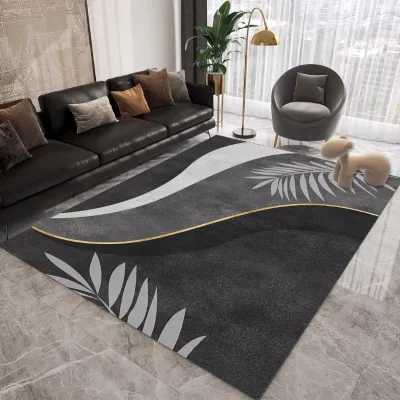
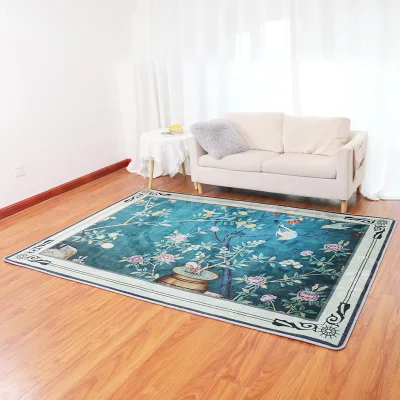

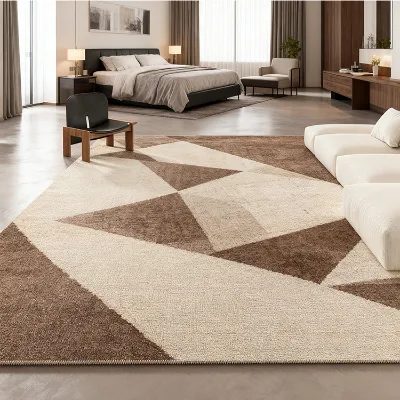
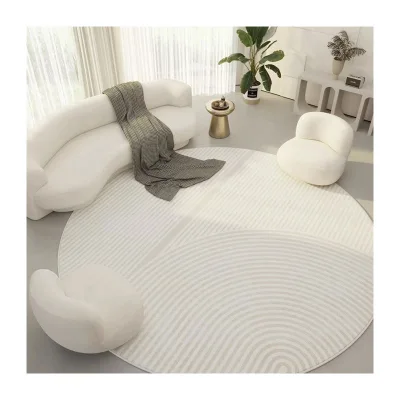
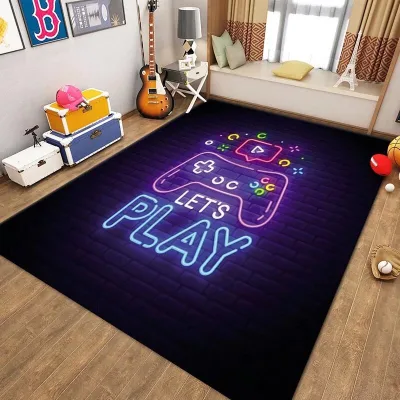


Comprehensive Sourcing Guide
Non-Slip Geometric Velvet Rug Sourcing Guide
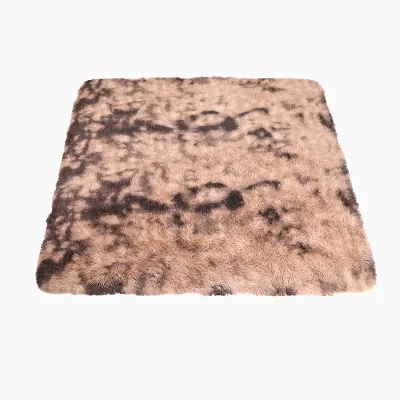
Procuring non-slip geometric velvet rugs requires careful attention to material composition and surface texture to ensure durability in high-traffic environments. The observed market data indicates that chemical fiber and velvet materials are prevalent, often featuring a pile height of 27mm to provide a plush yet stable underfoot experience. Buyers must verify that the specific velvet variant selected offers the necessary density to maintain its geometric pattern integrity over time without excessive matting.
Installation location is a critical decision factor, as these rugs are frequently listed for use in hotels, homes, and commercial spaces like reception rooms. The presence of anti-slip backing, such as 3D mesh spacer fabric, is essential for safety on smooth flooring surfaces. Sourcing teams should prioritize suppliers who explicitly confirm the backing material's ability to prevent shifting, ensuring the rug remains secure in areas with frequent foot traffic or furniture movement.
Product Scope and Observed Listing Signals
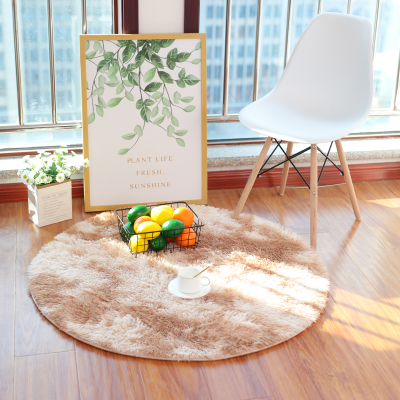
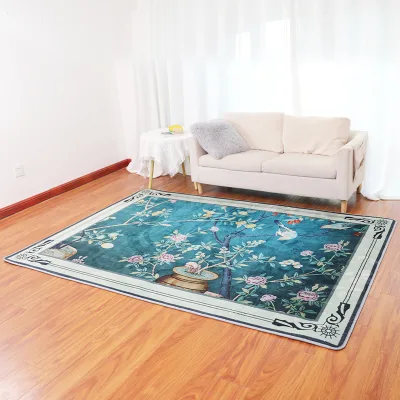
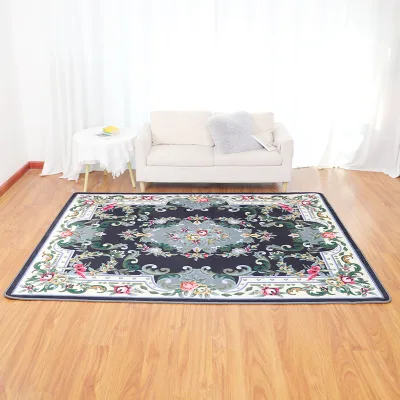
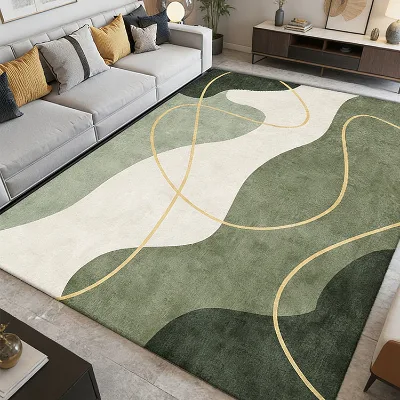
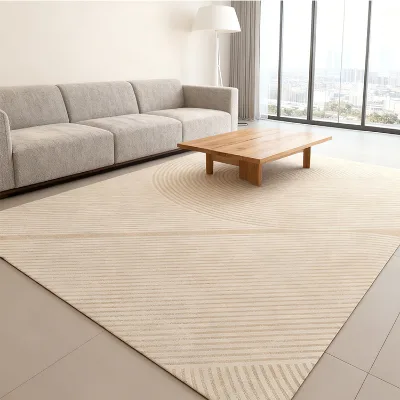
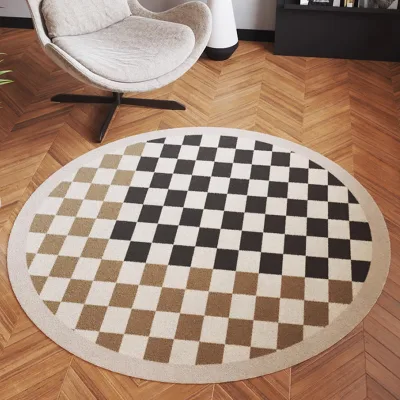
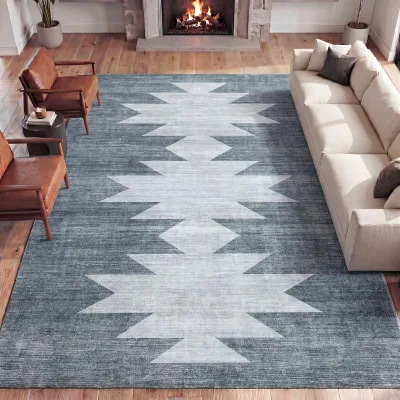
The current product landscape includes diverse forms ranging from floor carpets to decorative rugs, with specific models like #6655 and H3 appearing in listings. These items often feature modern designs with bone jacquard patterns or geometric shapes, available in rectangles and circles. Buyers should note that while some products are hand-made, others utilize jacquard technics, which influences the visual consistency and production lead times for custom orders.
Listing signals reveal a wide range of standard sizes, including 50x75cm, 75x100cm, and larger dimensions up to 140x200cm, alongside options for customized sizing. The observed minimum order quantities vary significantly, with some suppliers requiring as little as 5 units while others mandate 300 square meters. This variance necessitates clear communication regarding volume requirements early in the negotiation process to align with supplier production capabilities and inventory constraints.
Technical Specifications to Verify
Verifying the technical specifications of the rug is paramount, particularly regarding the pile height and material weight. Data suggests a pile height of 27mm and a weight of approximately 1kg per square meter for certain models, while others may be lighter at 0.5kg. Buyers must confirm these metrics against their specific application needs, as heavier rugs generally offer better durability and sound insulation, whereas lighter options may be more suitable for temporary installations or specific decorative purposes.
The shape and backing construction are equally critical technical parameters to validate before finalizing a purchase. Products are available in rectangular and round shapes, with some featuring specialized backings like 3D mesh spacer fabric to enhance grip. It is essential to request physical samples to test the anti-slip performance and ensure the geometric patterns are accurately rendered, as the visual fidelity of the design can vary between hand-knotted and machine-made production methods.
Compliance and Safety Documentation
While specific certification details are not universally listed in the provided data, buyers must insist on safety documentation for any rug intended for commercial or public use. The usage categories often include hotels, bathrooms, and prayer rooms, which may require compliance with local fire safety and slip-resistance standards. Procurement teams should request test reports that verify the anti-slip properties and flame retardancy of the chemical fiber or wool materials used in the construction.
Packaging standards also play a role in ensuring the product arrives in optimal condition, with observations noting packing methods like woven bags or PE bags containing 80 to 100 pieces. Buyers should verify that the packaging protects the velvet surface from crushing and moisture during transit, especially for long-distance shipments from origins in Zhejiang or Jiangsu, China. Ensuring the packaging meets international shipping standards helps prevent damage and maintains the aesthetic quality of the geometric designs upon arrival.
Cost Drivers and Commercial Terms
Cost drivers for non-slip geometric velvet rugs are heavily influenced by the production technics and material composition. Hand-made and hand-knotted options typically command higher prices due to the labor intensity involved, whereas jacquard or machine-made variants may offer more competitive pricing. The observed price range of 0.43 to 10 USD per unit suggests significant variation based on these factors, requiring buyers to balance budget constraints with quality expectations.
Commercial terms, particularly Minimum Order Quantities (MOQ), vary widely across suppliers, ranging from 5 units to 300 square meters. This disparity affects the total cost of ownership, as smaller orders may incur higher per-unit costs or shipping fees. Buyers should negotiate flexible terms that align with their inventory strategy, potentially leveraging the availability of customized sizes to optimize order volumes and reduce waste while maintaining cost efficiency.
Supplier Qualification and Quality Control
Supplier qualification should focus on verifying the origin and production capacity, as many listings indicate origins in Zhejiang and Jiangsu, China. Buyers must assess the supplier's ability to maintain consistent quality across large batches, especially when dealing with custom sizes and specific geometric patterns. Requesting references from previous clients in the hotel or commercial sector can provide insight into the supplier's reliability and adherence to delivery schedules.
Quality control protocols must be established to ensure the final product matches the agreed-upon specifications for material, weight, and backing. Given the variation in pile height and material types, implementing a pre-shipment inspection is crucial to detect defects in the jacquard weaving or velvet texture. Buyers should define clear acceptance criteria for the anti-slip performance and pattern alignment to mitigate the risk of receiving substandard goods that could compromise safety or aesthetics.
Long-Term Procurement Checks
Long-term procurement success depends on establishing a robust relationship with suppliers who can consistently deliver high-quality velvet rugs with anti-slip features. Regular audits of the production process and material sourcing help ensure that the chemical fiber or wool used remains consistent with initial samples. This proactive approach minimizes the risk of quality drift over time and ensures that the geometric designs remain true to the original specifications.
Continuous monitoring of market trends and supplier performance is essential for adapting to changing demands in the home and commercial decoration sectors. Buyers should track changes in material availability, such as shifts in wool or chemical fiber supply, and adjust their sourcing strategies accordingly. Maintaining open communication channels allows for timely adjustments to order volumes and specifications, ensuring a steady supply of non-slip geometric velvet rugs that meet evolving customer expectations.
FAQs
What materials are used for non-slip geometric velvet rugs?
These rugs typically use chemical fiber or wool materials to ensure durability and comfort. The pile height is often around 27mm, providing a soft texture suitable for various indoor environments. Some models feature a 3D mesh spacer fabric backing to enhance stability and prevent slipping on smooth floors.
Can I customize the size of a non-slip geometric velvet rug?
Yes, customization is available for many non-slip geometric velvet rug models. Standard sizes include 50x75cm, 75x100cm, and 120x160cm, but custom dimensions can be requested. Buyers should confirm specific size requirements with the supplier to ensure the final product meets their exact spatial needs.
What is the typical MOQ for ordering non-slip geometric velvet rugs?
The minimum order quantity varies by manufacturer, ranging from 5 to 500 units depending on the product line. Some suppliers require a minimum of 50 square meters, while others may accept smaller orders for standard items. It is essential to check the specific MOQ policy before placing a bulk order.
Where are non-slip geometric velvet rugs typically manufactured?
These rugs are primarily manufactured in China, with key production hubs located in Zhejiang and Jiangsu provinces. Factories in these regions are known for their advanced weaving techniques and competitive pricing. Buyers can often find a wide variety of designs and specifications from suppliers in these established industrial areas.
What techniques are used to make non-slip geometric velvet rugs?
Manufacturers use various techniques including jacquard weaving and hand-knotted methods to create these rugs. Some products are hand-made to achieve intricate geometric patterns, while others utilize machine jacquard for consistency. The choice of technique affects the texture, durability, and overall aesthetic of the final non-slip geometric velvet rug.
What are the common usage scenarios for non-slip geometric velvet rugs?
These rugs are versatile and suitable for home, hotel, office, and commercial decoration. They are commonly used in living rooms, bedrooms, and reception areas. The anti-slip feature makes them ideal for high-traffic areas, ensuring safety while adding a modern decorative touch to various interior design schemes.