Source Cooling Bamboo Fiber Summer Quilt for Home, Hotel, Camping
Explore 30 verified options for the Cooling Bamboo Fiber Summer Quilt suitable for home, hotel, and camping use. Buyers can compare materials, weights, and customization features to find the ideal bedding solution for various seasons and settings; compare the available evidence and request quotations based on your requirements.
Updated
Key considerations
Products List


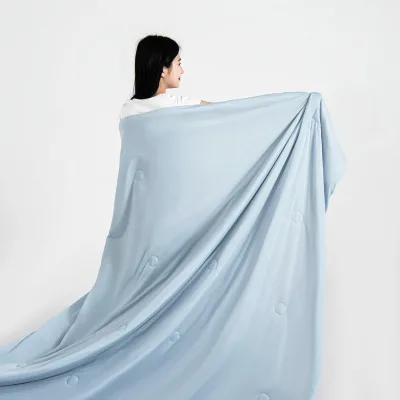
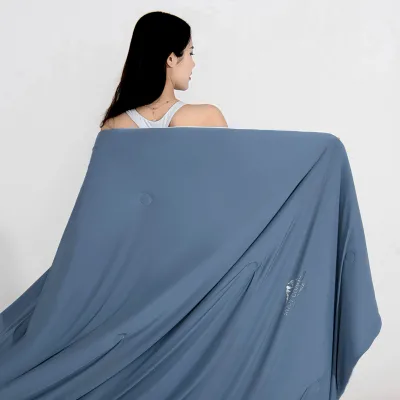
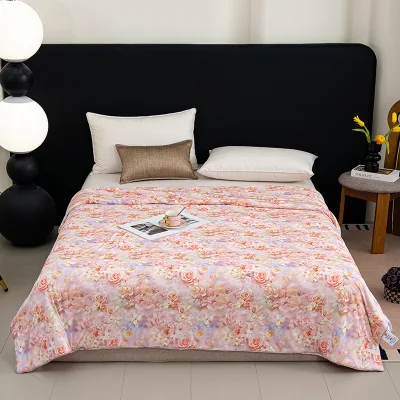
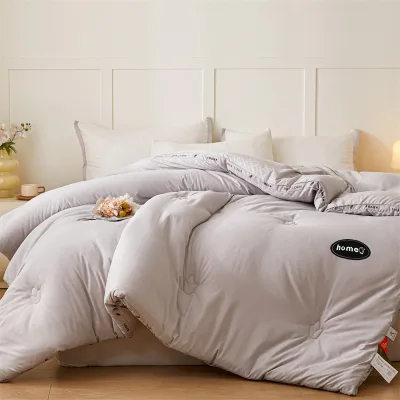
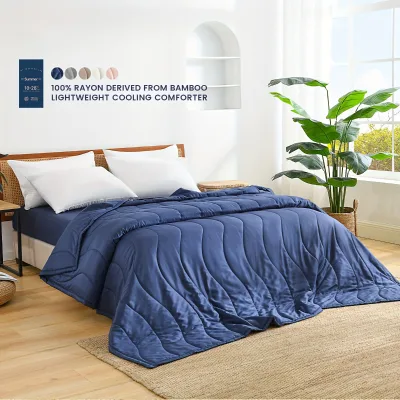
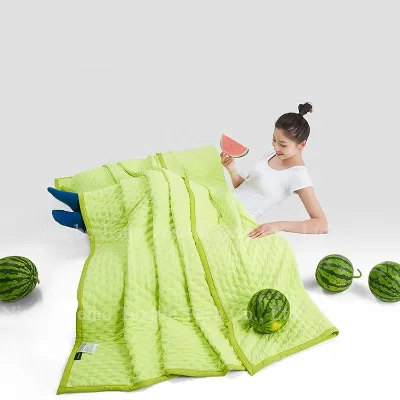
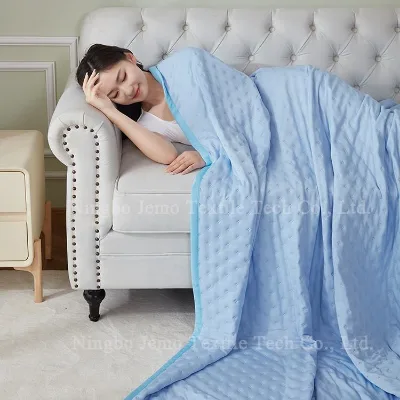
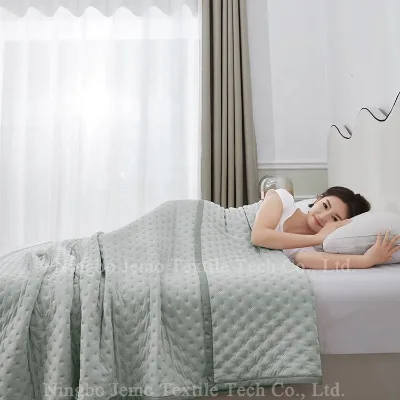
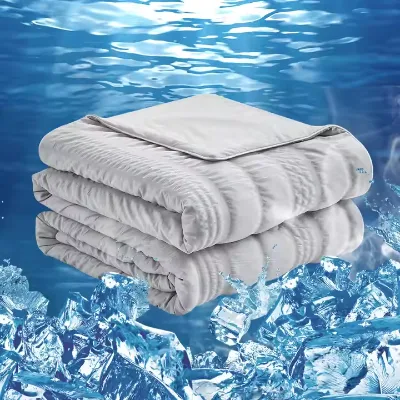


Ultra Soft Lightweight Cooling Comforter Double-Sided Cool Design Summer Blanket
$24.60 - $25.00
MOQ: 200 Pieces

100% Cotton Ultra-Cool Cooling Blanket Lightweight Summer Blanket for Summer
$11.50 - $12.30
MOQ: 200 Pieces

High Quality Cooling Blanket Lightweight Cozy Cotton Blanket for Summer
$9.10 - $10.00
MOQ: 200 Pieces
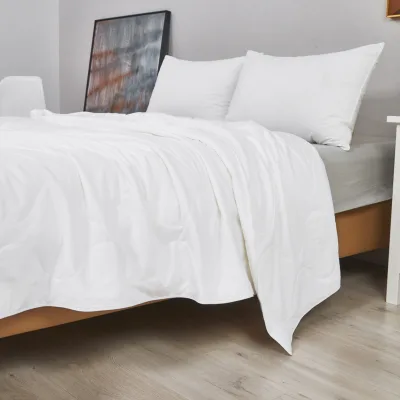
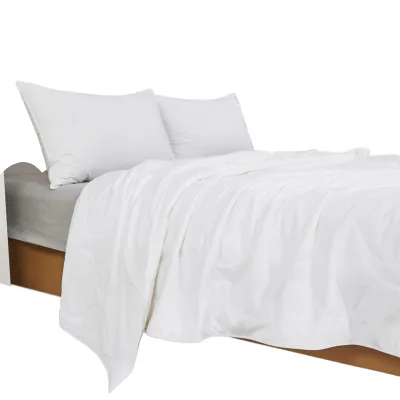
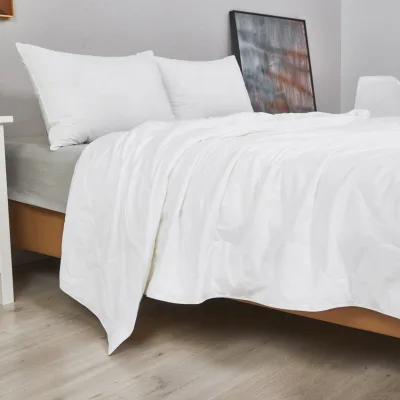

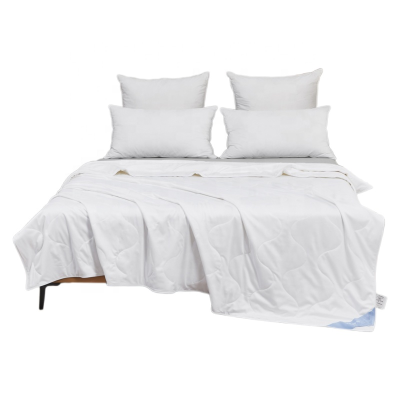
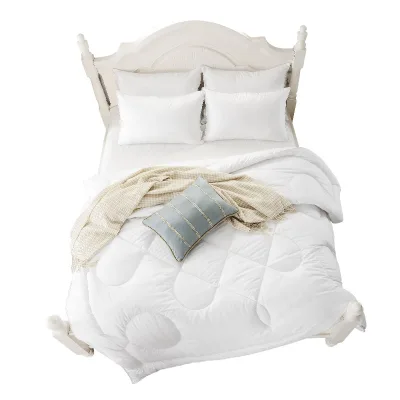

Premium Bamboo Fiber Cool Feeling Summer Soft Breathable Lightweight Cooling Quilt
$25.00 - $40.00
MOQ: 300 Sets

Breathable Moisture Wicking Cool Feeling Summer Soft High Quality Cooling Quilt
$25.00 - $40.00
MOQ: 300 Sets

Moisture Wicking Soft Cool Feeling Summer Comfortable Premium Cotton Cooling Quilt
$25.00 - $40.00
MOQ: 300 Sets

Comfortable Cool Touch Summer Skin Friendly Breathable High Quality Cooling Quilt
$25.00 - $40.00
MOQ: 300 Sets
Comprehensive Sourcing Guide
Cooling Bamboo Fiber Summer Quilt Sourcing Guide
Sourcing cooling bamboo fiber summer quilts requires a nuanced understanding of material science and supply chain transparency, particularly when balancing thermal regulation with durability. Buyers must distinguish between genuine bamboo viscose blends and synthetic alternatives that merely mimic the hand feel of natural fibers. The observed market data indicates a strong presence of microfiber and polyester filling options, which suggests that many listings labeled as "bamboo" may actually be blends or entirely synthetic constructions. This distinction is critical for procurement teams targeting eco-conscious consumers or specific thermal comfort requirements, as the breathability and moisture-wicking properties vary significantly between pure bamboo viscose, cotton blends, and standard polyester fills.
Furthermore, the customization landscape for these products is highly flexible, with suppliers accepting OEM and ODM requests for branding, labeling, and specific filling compositions. The observed product range includes models with customizable sizes, colors, and patterns, allowing buyers to tailor inventory to seasonal trends or specific hotel and hospitality contracts. However, this flexibility introduces complexity in quality assurance, as different filling materials and outer fabric weaves will behave differently during washing and long-term use. Procurement specialists must therefore establish clear technical specifications early in the negotiation phase to ensure that the final product meets the intended performance standards for summer use, particularly regarding heat dissipation and skin comfort.
Product Scope and Observed Listing Signals
The current market landscape for cooling quilts features a diverse array of product attributes, with observed listings highlighting materials such as microfiber, bamboo, polyester, and cotton. Key product names in the search results include "Cooling Bamboo Viscose Comforter," "Hotel Quilt Set," and "Warm for Year Round Comfort Cotton Quilt," indicating a broad spectrum of thermal properties despite the shared "cooling" marketing label. The observed weight range spans from 1-2 kg to 2.5 kg, suggesting that lighter weights are preferred for summer applications, while heavier options may serve all-season needs. Buyers should carefully cross-reference the stated material composition with the intended use case, as some products labeled for summer cooling may contain significant polyester content that affects breathability.
Application scenarios for these quilts extend beyond residential use to include hotels, hospitals, motels, and camping environments, reflecting their versatility in both commercial and personal settings. The observed features frequently cited include reversible designs, hypoallergenic properties, and eco-friendly certifications, which are significant selling points for modern consumers. Additionally, the presence of custom labels and OEM acceptance signals that many manufacturers are equipped to handle private label orders for hospitality chains or retail brands. Procurement teams should verify the specific "cooling" mechanism, whether it is achieved through fabric weave, fiber type, or chemical treatment, to ensure alignment with brand promises and customer expectations for thermal comfort.
Technical Specifications to Verify
When evaluating technical specifications, buyers must prioritize the verification of filling materials and outer fabric composition, as these directly impact thermal performance and durability. The observed data shows a mix of fillings, including 100% polyester, cotton, and custom blends, which means that a product labeled as "bamboo" may only have a bamboo-viscose cover with a synthetic core. It is essential to request detailed material breakdowns to confirm the percentage of bamboo viscose versus other fibers, as this ratio determines the quilt's breathability and moisture-wicking capabilities. Additionally, the stitching and weaving techniques, such as quilting or applique patterns, should be examined for structural integrity, as these affect how evenly the filling distributes and how well the quilt withstands repeated washing.
Size and packaging specifications are also critical for logistics planning and retail presentation. Observed single package sizes, such as 50x40x10 cm, and gross weights around 4.000 kg provide baseline data for freight cost calculations, but buyers should confirm if these dimensions apply to the specific model they are sourcing. The availability of custom sizes and colors allows for tailored solutions, but it also requires precise communication to avoid production errors. Furthermore, the HS code 9404404000 is a standard classification for bedding accessories, which buyers should verify with their customs brokers to ensure accurate tariff application and compliance with import regulations in their target markets.
Compliance and Safety Documentation
Compliance and safety documentation are non-negotiable elements in the procurement of bedding products, particularly those marketed as hypoallergenic or eco-friendly. Buyers must request relevant test reports that verify the absence of harmful substances, such as formaldehyde, heavy metals, and azo dyes, in both the fabric and filling materials. While specific certification statuses are not universally listed in the observed data, suppliers should be able to provide evidence of compliance with international safety standards, such as OEKO-TEX Standard 100, which is widely recognized for textile safety. This documentation is crucial for maintaining brand reputation and avoiding regulatory penalties, especially when selling to health-conscious consumers or supplying to healthcare facilities like hospitals.
Additionally, eco-friendly claims require substantiation through credible certifications or transparent supply chain disclosures. Buyers should inquire about the sourcing of bamboo viscose, ensuring that it is produced using environmentally responsible processes that minimize chemical waste and water usage. The observed mention of "eco-friendly" and "organic" features suggests that some suppliers may hold relevant certifications, but these must be verified independently rather than taken at face value. Procurement teams should also check for compliance with fire safety regulations, particularly for hotel and hospitality contracts, as bedding products often need to meet specific flammability standards to ensure guest safety and regulatory adherence.
Cost Drivers and Commercial Terms
Cost drivers for cooling bamboo fiber summer quilts are primarily influenced by material composition, customization complexity, and order volume. The observed price range of 2.5-40 USD reflects significant variation based on factors such as the percentage of bamboo viscose, the quality of the filling, and the intricacy of the design. Higher prices typically correlate with premium materials, such as pure bamboo covers with cotton or specialized cooling fills, while lower prices may indicate synthetic blends or simpler constructions. Buyers should analyze the cost structure in relation to the desired quality level, ensuring that they do not compromise on essential performance attributes for marginal savings.
Commercial terms, including MOQ and lead times, also play a significant role in total procurement costs. The observed MOQ range of 10-300 units offers flexibility for small businesses and larger enterprises alike, but buyers should negotiate terms that align with their inventory management strategies. Customization options, such as private labeling and custom sizes, may incur additional setup fees or higher unit costs, which should be factored into the budget. Furthermore, payment terms and shipping arrangements should be clearly defined to avoid hidden costs, and buyers should consider the impact of currency fluctuations and freight charges on the final landed cost of the products.
Supplier Qualification and Quality Control
Supplier qualification is a critical step in ensuring the reliability and consistency of cooling bamboo fiber summer quilts. Buyers should conduct thorough due diligence on potential suppliers, verifying their manufacturing capabilities, production capacity, and track record in the bedding industry. The observed data indicates that suppliers are located in regions like Jiangsu and Zhejiang in China, which are known for textile manufacturing, but buyers should still assess the specific factory's quality management systems and production standards. Requesting samples is a vital part of this process, as it allows buyers to physically inspect the product's quality, feel, and construction before committing to a larger order.
Quality control measures should be established early in the partnership to minimize defects and ensure consistency across production batches. Buyers should define clear acceptance criteria for materials, stitching, and finishing, and consider implementing third-party inspections during production or before shipment. The observed availability of free samples is a positive indicator of supplier confidence, but buyers should also evaluate the supplier's responsiveness to feedback and their ability to address quality issues promptly. Establishing a robust quality control protocol helps protect the buyer's brand reputation and reduces the risk of costly returns or customer complaints.
Long-Term Procurement Checks
Long-term procurement success depends on continuous monitoring of supplier performance and market trends. Buyers should regularly review supplier metrics, such as on-time delivery rates, defect rates, and responsiveness to issues, to ensure that the partnership remains beneficial. The dynamic nature of the bedding market, with evolving consumer preferences for sustainable and cooling products, requires buyers to stay informed about new materials and technologies. Regularly updating technical specifications and quality standards helps ensure that the sourced products remain competitive and aligned with market demands.
Additionally, buyers should maintain open communication with suppliers to discuss potential improvements, cost-saving opportunities, and new product developments. Building a collaborative relationship with suppliers can lead to better pricing, priority production slots, and access to innovative designs. It is also important to diversify the supplier base to mitigate risks associated with supply chain disruptions or geopolitical issues. By implementing a structured approach to long-term procurement checks, buyers can ensure a stable and efficient supply of cooling bamboo fiber summer quilts, supporting their business growth and customer satisfaction.
FAQs
What materials are used for cooling bamboo fiber summer quilts?
These quilts typically utilize bamboo viscose, polyester, or cotton blends for the outer fabric and filling. Some models offer customizable material compositions to meet specific comfort or eco-friendly requirements. The filling may consist of 100% polyester or other synthetic fibers designed for breathability and temperature regulation during warm weather conditions.
Can I customize the size and label for these quilts?
Yes, OEM and ODM services are accepted for most suppliers. You can request custom sizes, specific colors like blue, and personalized labels. Many manufacturers support bespoke packaging solutions, allowing you to tailor the product appearance to your brand identity while maintaining standard quality controls and stitching techniques for durability.
What is the typical weight and packing method for these quilts?
The weight generally ranges from 1 to 2.5 kg, with some items listed at 4 kg gross weight. They are commonly packed in bags for protection during transit. The single package size often measures around 50x40x10 cm, ensuring efficient storage and shipping logistics for bulk orders destined for hotels or home use.
Are these quilts suitable for hotel and hospital use?
Yes, they are designed for home, hotel, hospital, and camping applications. Features like hypoallergenic properties, washability, and reversible designs make them ideal for commercial hospitality settings. The modern or simple styles align with professional decor standards, while eco-friendly certifications appeal to health-conscious environments requiring clean and safe bedding solutions.
What certifications or standards apply to these bamboo quilts?
Standards are often customizable to meet buyer specifications. While specific certifications are not universally listed, products may feature eco-friendly, organic, or hypoallergenic attributes. Buyers should verify specific compliance documents with suppliers, as standards vary by manufacturer origin, such as Jiangsu or Zhejiang in China, and depend on the chosen material composition.
How does the MOQ affect pricing for bulk orders?
The minimum order quantity typically ranges from 10 to 300 units, influencing unit pricing tiers. Higher volumes often secure better rates, with observed prices between 2.5 and 40 USD. Buyers should negotiate based on their required quantity, as customization and specific material choices may adjust the final cost per unit significantly.