Source Round Chenille Microfiber Hand Towel for Home, Kitchen, Car
Compare 30 Round Chenille Microfiber Hand Towel options from verified suppliers. These quick-dry towels feature woven microfiber fabric, come in multiple colors, and are suitable for home, kitchen, and car usage with customizable logos available; compare the available evidence and request quotations based on your requirements.
Updated
Key considerations
Products List
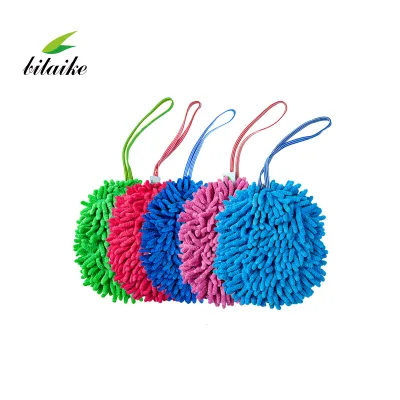


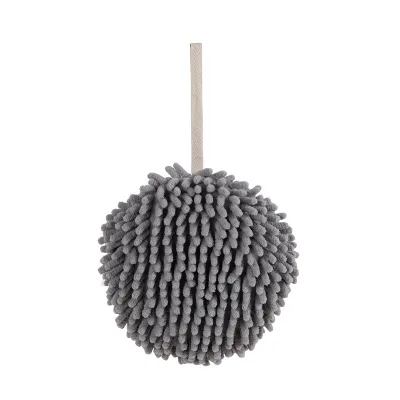


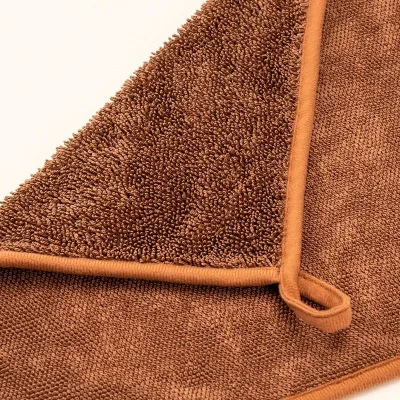
Wholesale Price Waffle Hand Towel Small Microfiber Towel Small Hand Towels
$2.65 - $3.00
MOQ: 1000 Pieces

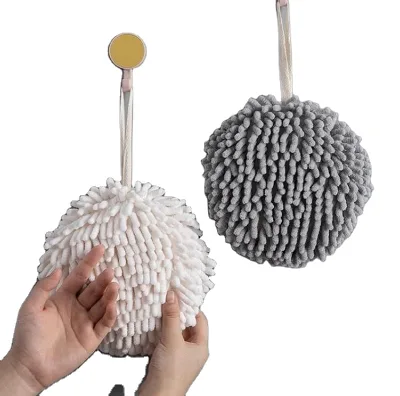
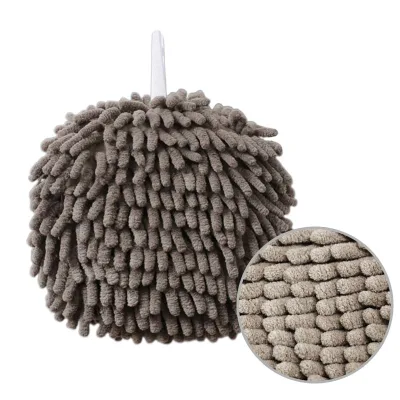
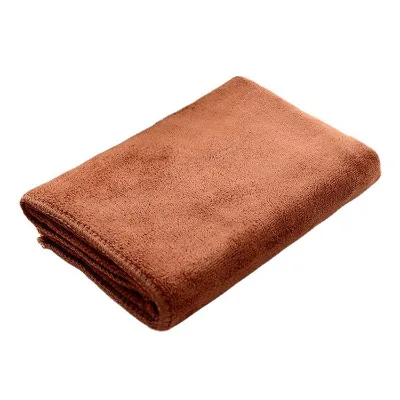
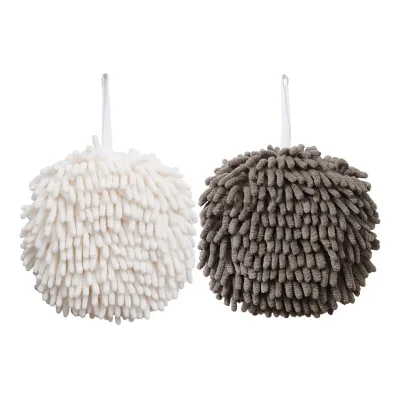


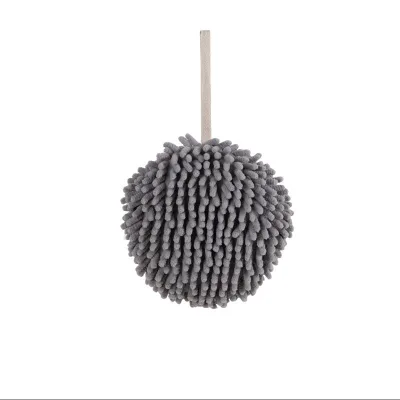
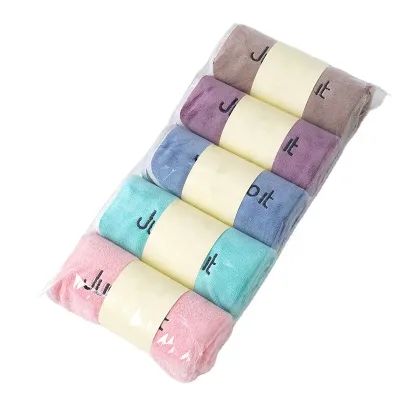

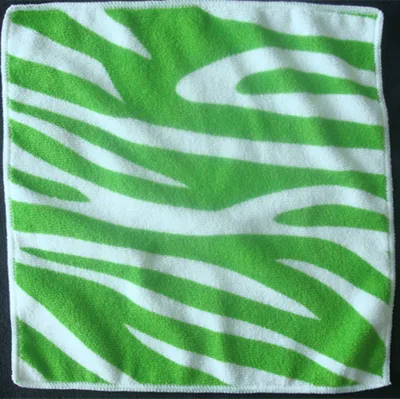
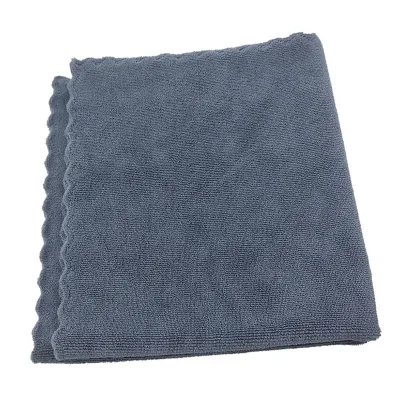
Microfiber Hand Towel Customize Wash Cleaning Cloth 60cm Length 40cm Width
$0.31 - $0.42
MOQ: 1000 Pieces




Comprehensive Sourcing Guide
Round Chenille Microfiber Hand Towel Sourcing Guide
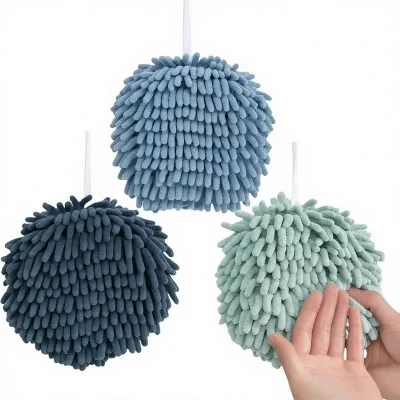
Sourcing round chenille microfiber hand towels requires a nuanced understanding of material properties and manufacturing techniques that differ significantly from traditional cotton or standard terry cloth options. Buyers must recognize that the "round" shape is often a stylistic choice for decorative or specific utility applications, while the chenille texture provides a distinct softness and high absorbency profile. The core material, typically microfiber fabric, offers superior water absorption capabilities, making it ideal for quick-dry applications in both home and commercial settings. Procurement teams should verify whether the product is woven or knitted, as this impacts durability and the final hand feel.
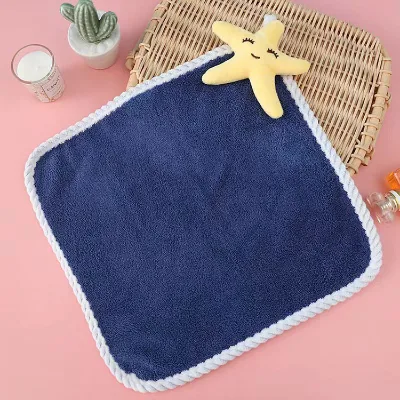
The market landscape for these items is diverse, with suppliers offering various customization options including logo printing and color variations. Common colors observed in listings include blue, red, purple, green, and deep blue, allowing for brand alignment or thematic consistency in hospitality environments. It is crucial to distinguish between products labeled as "microfiber" and those made from polyester or cotton blends, as performance characteristics vary widely. Buyers should focus on suppliers who provide clear material specifications, such as GSM ranges, to ensure the towel meets the required weight and absorbency standards for their specific use case.
Product Scope and Observed Listing Signals
The observed product listings indicate a wide range of applications, from kitchen and car cleaning to general home use and sports activities. Many suppliers highlight the quick-dry feature, which is a critical selling point for hygiene-focused environments where rapid drying prevents bacterial growth. The typical size observed is around 15x20cm, though larger standard sizes like 25x25cm and 30x70cm are also available for different utility needs. Buyers should note that some listings describe the product as a "hand towel" while others may classify it under broader categories, so verifying the exact dimensions and intended use is essential before placing an order.
Customization is a prevalent feature in this segment, with many suppliers offering logo customization and OEM support for various sizes. This flexibility allows businesses to create branded merchandise or uniform accessories that align with their corporate identity. However, buyers must be cautious of conflicting information in listings, such as varying GSM ratings or material descriptions. Some products are described as having a "chenille" style, while others may be plain dyed or jacquard woven. Understanding these distinctions helps in selecting the right product for specific aesthetic or functional requirements, ensuring that the final goods meet the expected quality and appearance standards.
Technical Specifications to Verify
When evaluating technical specifications, the GSM (grams per square meter) is a primary indicator of towel quality and absorbency. Listings show a range from 299 GSM and below to 300-499 GSM, with higher GSM generally indicating a thicker, more luxurious feel. Buyers should verify the exact GSM for their order, as this directly impacts the product's weight, durability, and drying speed. Additionally, the material composition is critical; while microfiber is common, some products may be made from 100% cotton or polyester blends. Confirming the material ensures that the towel performs as expected in terms of softness, linting, and water absorption capabilities.
The construction technique, whether woven or knitted, also plays a significant role in the product's performance. Woven microfiber towels often offer better durability and structure, while chenille styles provide a unique texture and enhanced softness. Buyers should request samples to assess the hand feel and check for loose threads or uneven stitching. Furthermore, the shape and size specifications must be confirmed, as "round" shapes may have specific manufacturing constraints that affect the final dimensions. Verifying these details helps prevent discrepancies between the ordered product and the delivered goods, ensuring consistency in bulk purchases.
Compliance and Safety Documentation
Compliance and safety documentation are essential for ensuring that the hand towels meet international standards for textile products. Buyers should request certificates of conformity and test reports that verify the absence of harmful substances, such as formaldehyde or heavy metals, which can be present in some textile manufacturing processes. Although specific certification statuses are not universally listed, reputable suppliers should be able to provide documentation confirming that their products comply with relevant safety regulations in the target market. This is particularly important for products intended for use in hotels, hospitals, or other public spaces where hygiene and safety are paramount.
In addition to chemical safety, buyers should verify that the products meet any specific labeling requirements, including fiber content and care instructions. Mislabeling can lead to legal issues and customer dissatisfaction, so accurate documentation is crucial. Suppliers should also provide information on the dyeing process, ensuring that the colors used are colorfast and do not bleed during washing. This is especially relevant for products with multiple colors or custom logos. By prioritizing compliance and safety, buyers can mitigate risks and ensure that the sourced products are safe for end-users and meet regulatory requirements.
Cost Drivers and Commercial Terms
Cost drivers for round chenille microfiber hand towels include material quality, GSM, customization options, and order quantity. Higher GSM and premium materials like 100% cotton or high-quality microfiber will increase the unit price, while basic polyester options may be more cost-effective. Customization, such as logo printing or specific color matching, adds to the production cost and may require minimum order quantities (MOQs) to be economically viable. Buyers should negotiate based on volume, as larger orders often result in lower per-unit costs. Understanding these factors helps in budgeting accurately and selecting the most cost-effective solution for their needs.
Commercial terms, including payment methods, lead times, and shipping arrangements, also impact the overall cost. Buyers should clarify the MOQs, which can range from small quantities for sampling to large volumes for bulk orders. Lead times vary depending on the complexity of the order and the supplier's production capacity, so it is important to plan accordingly to avoid delays. Additionally, buyers should consider shipping costs and import duties, which can significantly affect the final landed cost. Establishing clear commercial terms early in the negotiation process helps in avoiding unexpected expenses and ensures a smooth procurement experience.
Supplier Qualification and Quality Control
Supplier qualification is a critical step in ensuring the reliability and quality of the sourced hand towels. Buyers should conduct thorough due diligence, including verifying the supplier's business license, production capacity, and past performance. Requesting references or case studies from previous clients can provide insights into the supplier's consistency and customer service. Additionally, buyers should assess the supplier's quality control processes, including in-line inspections and final random inspections, to ensure that the products meet the specified standards. A robust quality control system minimizes the risk of defects and ensures that the delivered goods are consistent in quality.
Quality control measures should also include sampling and testing before bulk production. Buyers should request pre-production samples to verify the material, size, color, and overall appearance. Once approved, these samples can serve as the reference for mass production. During production, buyers may conduct or commission third-party inspections to monitor the manufacturing process and identify any potential issues early. Post-production inspections should verify that the final products match the approved samples and meet all specified requirements. By implementing rigorous quality control measures, buyers can ensure that they receive high-quality products that meet their expectations.
Long-Term Procurement Checks
Long-term procurement checks involve continuous monitoring of supplier performance and product quality to ensure sustained value. Buyers should establish key performance indicators (KPIs) such as on-time delivery rates, defect rates, and customer satisfaction scores to evaluate supplier performance regularly. Regular audits and feedback sessions can help identify areas for improvement and strengthen the partnership. Additionally, buyers should stay updated on market trends and technological advancements in textile manufacturing to ensure that they are sourcing the most innovative and cost-effective products. This proactive approach helps in maintaining a competitive edge and adapting to changing market demands.
Sustainability and ethical sourcing are increasingly important considerations in long-term procurement strategies. Buyers should inquire about the supplier's environmental practices, such as water usage, waste management, and energy efficiency, to ensure that their sourcing aligns with corporate social responsibility goals. Verifying that the supplier adheres to fair labor practices and provides safe working conditions is also crucial. By prioritizing sustainability and ethical sourcing, buyers can enhance their brand reputation and contribute to a more responsible supply chain. Regular reviews and updates to procurement policies ensure that these values are consistently upheld throughout the sourcing process.
FAQs
What material is used for the Round Chenille Microfiber Hand Towel?
The Round Chenille Microfiber Hand Towel is primarily made from microfiber fabric, which offers superior absorbency and quick-drying properties. Some variants may also utilize polyester or 100% cotton blends to meet specific softness or durability requirements. These materials ensure the towel effectively soaks up water after washing hands while maintaining a soft texture suitable for adult use in various settings.
What are the standard sizes available for this hand towel?
Standard sizes include 15x20cm, 25x25cm, 30x30cm, 30x70cm, and 34x75cm, with the 15x20cm variant being a common compact option. The single package size for the 15x20cm model is listed as 15x20x5 cm. Custom OEM sizes are also supported, allowing buyers to request specific dimensions tailored to their branding or functional needs for kitchen, car, or home applications.
Can the logo on the towel be customized for branding?
Yes, logo customization is available for the Round Chenille Microfiber Hand Towel, allowing businesses to add their branding. The product features a customizable logo option, though some listings may indicate non-customized defaults. Buyers can request designs as per customer requests, making it suitable for promotional gifts, hotel amenities, or corporate branding initiatives where unique visual identity is required.
What is the typical GSM range for these microfiber towels?
The GSM range typically falls between 299 and below, or 300 to 499 GSM, depending on the specific model and material composition. Higher GSM values, such as those in the 300-499 range, often indicate a thicker, more plush texture suitable for chenille styles. Lower GSM options may offer lighter weight and faster drying, catering to different usage scenarios like sports or travel where portability is key.
Where are these hand towels manufactured and what is the origin?
These hand towels are manufactured in China, with specific origins noted in Anqing and Zhejiang provinces. The place of origin is consistently listed as China across various product listings. This regional sourcing allows for competitive pricing and efficient logistics, supporting both domestic and international B2B buyers looking for reliable supply chains for microfiber and cotton towel products.
What colors are available for the Round Chenille Microfiber Hand Towel?
Available colors include red, green, purple, blue, deep blue, pink, coffee, yellow, grey, orange, white, and black. The color options vary by product model, with some listings offering a wide spectrum for customization. These diverse color choices allow buyers to select hues that match specific branding guidelines, interior decor themes, or seasonal marketing campaigns for home, hotel, or car use.