Source Real-Time 360 Degree GPS Tracker for Cars, Trucks, and Buses
Find a real-time 360 degree gps tracker for automotive and fleet applications. Compare 30 models including GT0083 and G900L with 4G connectivity, CE/ROHS certification, and cloud storage options from suppliers in China; compare the available evidence and request quotations based on your requirements.
Updated
Key considerations
Products List


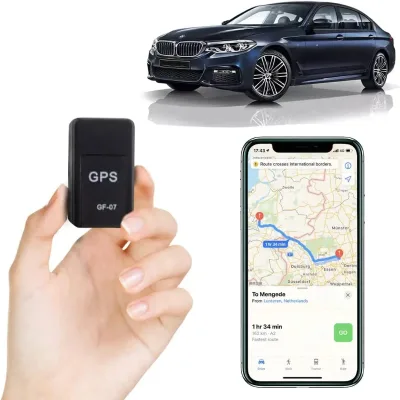
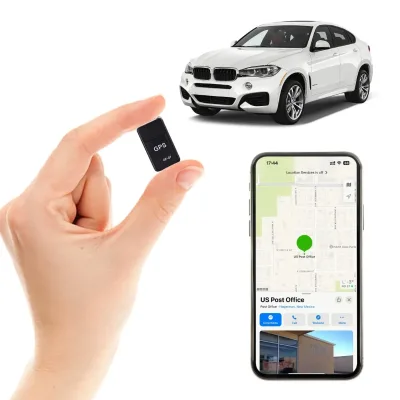


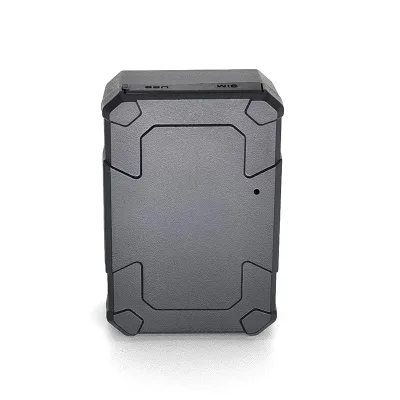
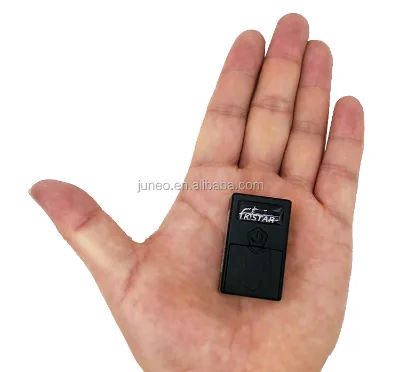
Purchase Realtime Mini GPS Tracker Quad Band Real Time Map Gps Gprs Gsm tracker Device
$10.3389 - $20.6777
MOQ: 1 Minimum


Smart GPS Tracker for Kids and Seniors - Real-Time Location Monitoring
$19.00 - $25.00
MOQ: 1000 Pieces


Comprehensive Sourcing Guide
Real-Time 360 Degree GPS Tracker Sourcing Guide
The market for real-time 360-degree GPS trackers presents a diverse array of devices, primarily categorized as 4G GPS trackers with varying connectivity standards. Observed listings indicate a strong presence of models like the GT0083 and GT0496, which are designed for automotive and fleet applications. These devices often feature magnetic mounting or wired connections, supporting networks such as GSM, GPS, GPRS, and Beidou to ensure robust positioning. Buyers must recognize that while the term "360-degree" implies comprehensive coverage, the actual hardware often relies on specific satellite constellations and network triangulation rather than a literal omnidirectional sensor array.
Procurement decisions should focus on the specific tracking mode required for the intended use case, as observed models range from portable units to OBD and wired installations. The data storage capabilities vary significantly, with some units offering cloud storage while others provide local storage for blind spot tracking points. It is critical to verify whether the device supports the necessary positioning accuracy, such as the observed sub-10-meter precision, to ensure it meets operational requirements for high-value assets or fleet management.
Product Scope and Observed Listing Signals
Buyers should analyze the physical form factors and placement options available in current listings to match specific vehicle types. The observed product scope includes trackers designed for motorcycles, buses, trucks, and general automotive use, with placement options ranging from portable handheld units to windshield or dashboard installations. Some models, such as the Cantrack GF40L, are explicitly described as magnetic mini trackers, while others like the G900LS are OBD-based, requiring direct vehicle integration. Understanding these physical distinctions is essential for selecting a device that fits the target vehicle's architecture without requiring complex modifications.
The packaging and customization options observed in the market provide additional signals regarding the intended distribution channel and end-user experience. Many suppliers offer color gift boxes for retail-ready units, while others provide negotiated or standard carton packaging for bulk industrial orders. Customization is frequently available, allowing buyers to tailor the device for specific branding or functional needs. However, the absence of a screen on many models, such as the GT0083, indicates that these units rely entirely on remote monitoring via PC, iOS, or Android applications rather than local display interfaces.
Technical Specifications to Verify
Verification of battery performance and continuous working time is a primary technical consideration for mobile tracking assets. Observed specifications reveal a wide variance in power capabilities, with some units listing a battery capacity of 120mA and a continuous working time of only two hours. In contrast, other models may offer extended stationary battery life up to five hours or utilize wired power sources for indefinite operation. Buyers must carefully distinguish between battery-dependent portable units and wired solutions to ensure the selected device can sustain the required monitoring duration without frequent recharging or power interruption.
Network support and positioning modes are equally critical for ensuring reliable data transmission in diverse geographic environments. The observed product range supports multiple positioning modes including GSM, GPS, GPRS, LBS, AGPS, and Beidou, which collectively enhance location accuracy and signal resilience. It is imperative to confirm that the specific model supports the necessary network bands for the target region and that the data transmission protocol aligns with the buyer's existing fleet management software. Additionally, storage capacity for blind spot tracking points, observed at 500 points in some listings, should be evaluated against the expected data logging frequency.
Compliance and Safety Documentation
Regulatory compliance is a non-negotiable aspect of sourcing electronic tracking devices for international markets. The observed product listings frequently cite CE and RoHS certifications, indicating adherence to European safety and environmental standards. Some models also include FCC certification, which is essential for deployment in North American markets. Buyers must request and verify current certification documents for the specific model number being purchased, as compliance status can vary between production batches and different product lines within the same supplier catalog.
Safety documentation should also address the electrical specifications and material composition of the devices to prevent operational hazards. Observed models like the G06L specify a DC 9~90VDC input range, which is critical for ensuring compatibility with various vehicle electrical systems without causing damage. The material composition, often listed as plastic for the housing, should be assessed for durability and heat resistance in extreme operating conditions. Ensuring that the device meets these safety and material standards protects the buyer from liability and ensures the longevity of the equipment in harsh environments.
Cost Drivers and Commercial Terms
Pricing in the GPS tracker market is influenced by the complexity of the technology, connectivity standards, and the level of customization required. The observed price range spans from approximately 1.74 USD to 30.15 USD, reflecting the difference between basic GSM units and advanced 4G LTE models with additional features. Buyers should anticipate that higher-priced units often include superior positioning accuracy, longer battery life, or more robust network support. It is important to correlate the unit price with the specific technical specifications to avoid overpaying for features that are not required for the intended application.
Minimum Order Quantities (MOQ) and lead times are significant commercial factors that affect procurement planning and inventory management. The observed MOQ range extends from a single unit to 1000 units, offering flexibility for both small-scale pilots and large-scale fleet deployments. Suppliers may offer negotiated packaging for bulk orders, which can impact the final cost per unit and shipping logistics. Buyers should clarify the lead time and production capacity before placing large orders to ensure timely delivery and avoid supply chain disruptions that could delay fleet operations.
Supplier Qualification and Quality Control
Supplier qualification requires a thorough assessment of the manufacturer's origin and production capabilities to ensure consistent product quality. The observed listings indicate that many suppliers are located in key manufacturing hubs such as Zhejiang, Guangzhou, and Shenzhen in China. These regions are known for their electronics manufacturing ecosystems, but buyers must verify the specific factory's quality control processes and production history. Establishing a direct relationship with the manufacturer or a verified distributor can help mitigate risks associated with counterfeit products or inconsistent quality.
Quality control protocols should include rigorous testing of the device's positioning accuracy, battery life, and network connectivity before mass production. Buyers should request sample units to validate the observed specifications, such as the <10-meter positioning accuracy and the specific continuous working times. It is also advisable to review the warranty terms, which are commonly listed as one year for these devices, to understand the supplier's confidence in their product durability. Implementing a pre-shipment inspection process can further ensure that the delivered units meet the agreed-upon technical and performance standards.
Long-Term Procurement Checks
Sustaining a successful procurement relationship involves regular monitoring of product updates and technological advancements in the GPS tracking sector. As the industry evolves, newer models may offer enhanced features such as improved battery efficiency or support for additional satellite constellations. Buyers should maintain open communication with suppliers to stay informed about product lifecycle changes and potential obsolescence of older models like the GT0083 or QS111. Proactive planning for technology upgrades ensures that the fleet remains equipped with the most reliable and efficient tracking solutions available.
Long-term checks must also include the evaluation of after-sales support and the availability of spare parts or replacement units. The warranty period, typically one year, serves as a baseline for supplier accountability, but buyers should verify the process for handling defective units and the availability of technical support. Ensuring that the supplier can provide firmware updates or software integration support is crucial for maintaining the functionality of the tracking system over time. Regular performance reviews of the deployed devices will help identify any systemic issues and allow for timely corrective actions to maintain operational efficiency.
FAQs
What certifications do these GPS trackers have?
The available GPS trackers hold CE, ROHS, and FCC certifications. These standards ensure compliance with international safety and environmental regulations for electronic devices. Buyers can verify specific model certifications such as those for the GT0083 or GT0193 models before placing orders to meet regional import requirements.
Can these trackers be customized for specific needs?
Yes, customization is available for many of the listed GPS tracker models. Buyers can request specific packaging options, such as color gift boxes or standard cartons, to suit their branding or distribution needs. This flexibility allows businesses to tailor the product presentation while maintaining the core tracking functionality and specifications.
What is the positioning accuracy of these devices?
The positioning accuracy for these GPS trackers is less than 10 meters. This precision is achieved through multiple positioning modes including GSM, GPS, GPRS, LBS, AGPS, and Beidou. The devices support cloud storage for data, ensuring reliable location tracking for automotive, motorcycle, and bus applications with high reliability.
Where are these GPS trackers manufactured?
These GPS trackers are manufactured in China, specifically in regions like Zhejiang, Guangzhou, and Shenzhen Guangdong. The diverse manufacturing locations indicate a robust supply chain within the region. Buyers can source from these areas to access various models, including 4G LTE wired trackers and magnetic mini trackers with different battery capacities.
What is the warranty period for these products?
The standard warranty period for these GPS trackers is one year. This coverage provides buyers with assurance regarding the product's durability and performance during initial use. The warranty applies to the various models listed, including those with different battery types and connectivity options, ensuring support for automotive and portable tracking needs.
What is the minimum order quantity for these trackers?
The minimum order quantity ranges from 1 to 1000 units depending on the specific model and supplier. This flexible MOQ allows both small businesses and large enterprises to procure the necessary inventory. Buyers can negotiate packaging and pricing based on the volume ordered, with options available for single items or bulk carton shipments.