Source Reusable Wine Glass Bottle for Beverage, Whisky, and Brandy
Compare 30 glass bottle options for beverage, whisky, and brandy applications. Find Reusable Wine Glass Bottle suppliers with customization, various capacities, and certifications like SGS, ISO, and FDA. Explore round and rectangle shapes with push button or cork closures. Select from 8-16 oz to 64 oz sizes with printed or no labels.
Updated
Key considerations
Products List


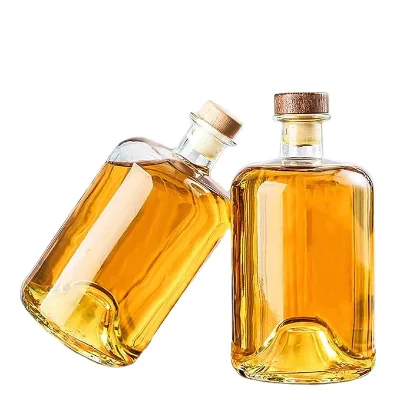
New Promotion Glass Bottle for Liquor Spirit Empty Shape Glass Wine Bottle
$0.41 - $0.47
MOQ: 6000 Pieces


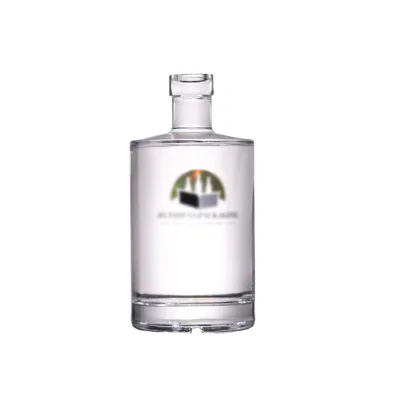
Use Special Packing Reusable Glass Wine Spirits Bottle for Water Whiskey
$0.28 - $0.30
MOQ: 500 pieces


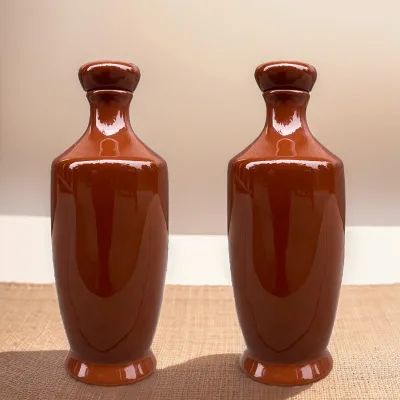
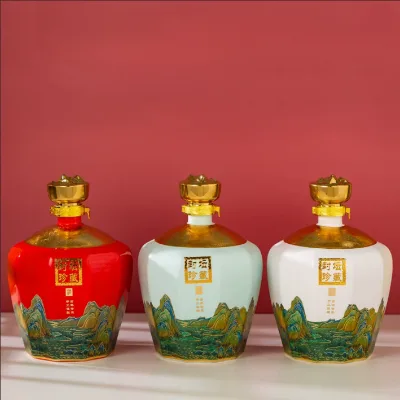


Wine Bottle Custom 300ml Bottle Glass 750ml Whisky Bottle Glass and Bottle
$0.25 - $0.50
MOQ: 6000 Pieces

Wine Bottle Custom Glass Bottles Empty Brandy Bottles Flat Glass Beverage Bottle
$0.25 - $0.50
MOQ: 6000 Pieces

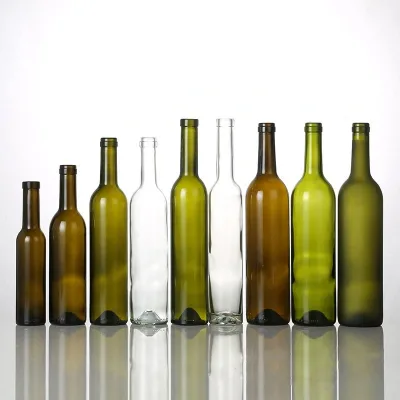
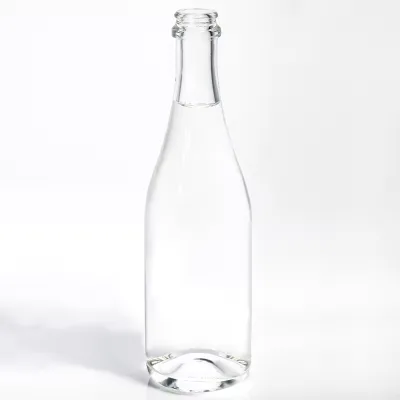
Wine Bottle Manufacturers Wholesale and Customize 700ml Various Wine Bottles With Screw Caps
$0.0514 - $0.072
MOQ: 1000 pieces
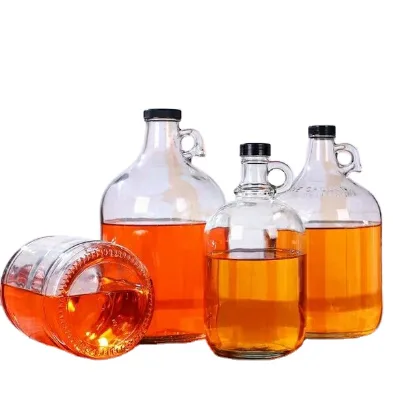
Wholesale Clear Gallon Glass Wine Bottle With Handle for Beer Wine Olive Oil
$0.0514 - $0.072
MOQ: 1000 pieces


Comprehensive Sourcing Guide
Reusable Wine Glass Bottle Sourcing Guide
Sourcing reusable glass bottles for wine and spirits requires a disciplined approach to material integrity and closure compatibility. Buyers must distinguish between standard single-use packaging and durable, reusable vessels designed for multiple fill cycles. The market offers various shapes, including round and rectangle configurations, with capacities ranging from small 8-16 oz formats to larger 33-64 oz and 451-800ml options. Understanding these physical variations is critical for aligning packaging with brand identity and logistical constraints.
Procurement teams should prioritize suppliers who offer customization options for lids, seals, and labeling. Common closure types include push button lids, screw caps, cork caps, and guala caps, each offering distinct sealing properties. The availability of OEM services and logo printing allows brands to maintain visual consistency. However, verifying the specific glass type, such as super flint glass, ensures clarity and durability. Buyers must also consider the insulation type, noting that uninsulated options are prevalent, which affects storage and handling requirements.
Product Scope and Observed Listing Signals
The current market landscape for reusable glass bottles exhibits a wide price range, typically observed between $0.05 and $3.58 per unit. This variance reflects differences in glass thickness, closure complexity, and customization levels. Minimum order quantities (MOQs) generally span from 500 to 50,000 pieces, with specific listings indicating thresholds like 6,000 pieces or 10,000 pieces. These MOQs often align with pallet configurations, meaning buyers should calculate total volume based on pallet capacity rather than just unit count to optimize shipping efficiency.
Listing signals indicate a strong emphasis on customization and branding capabilities. Many suppliers accept OEM orders and offer logo printing through methods like silk screen printing, hot stamping, and gold stamping. Products are frequently described with specific model numbers, such as Z-008, JN9210824, and DZ004, which help in tracking specific design iterations. The presence of both labeled and unlabeled options provides flexibility for different marketing strategies. Buyers should carefully review the single package size and gross weight to estimate freight costs accurately.
Technical Specifications to Verify
Glass material composition is a primary technical consideration, with super flint glass being a common specification for high-clarity applications. Buyers must verify the base material to ensure it meets aesthetic and functional requirements for premium beverages. The standard capacities listed, such as 2500ml or specific weights like 420g to 1000g, provide a baseline for volume planning. However, custom weight options are available, allowing for tailored durability and feel. Confirming the exact weight helps in assessing the bottle's resistance to breakage during transit and handling.
Closure and sealing mechanisms require precise verification to prevent leakage and maintain product freshness. Available seals include PVC, aluminum foil, and thickened PVC, while sealing types range from rubber stoppers to cork stoppers. The choice of closure depends on the beverage type, with options suitable for whisky, vodka, and brandy. Additionally, some listings mention the inclusion of reed diffusers, indicating versatility beyond traditional liquid storage. Buyers should request samples to test the fit and seal integrity of different closure types against their specific liquid formulations.
Compliance and Safety Documentation
Regulatory compliance is non-negotiable for food and beverage packaging, requiring suppliers to provide valid certification documentation. Common certifications observed in the market include SGS, ISO, and FDA approvals, which attest to the safety and quality of the glass materials. Buyers must request current certificates to ensure they align with the import regulations of their target markets. These documents verify that the glass does not leach harmful substances and meets hygiene standards for direct food contact.
Quality management systems, such as ISO 9001, often underpin the manufacturing processes of reputable suppliers. While not always explicitly stated in every listing, the presence of such standards indicates a structured approach to quality control. Buyers should inquire about the supplier's internal testing protocols for seal integrity and glass strength. Verifying these compliance documents early in the sourcing process mitigates the risk of regulatory delays or product recalls. It is essential to ensure that all certifications are up-to-date and cover the specific product models being ordered.
Cost Drivers and Commercial Terms
Several factors influence the final cost of reusable glass bottles, including material thickness, closure complexity, and customization requirements. The observed price range of $0.05 to $3.58 reflects these variables, with higher prices typically associated with premium finishes like hot stamping or specialized seals. Buyers should analyze the cost per unit in the context of the MOQ, as larger orders often yield better economies of scale. Understanding the breakdown of costs helps in negotiating favorable terms and budgeting accurately for the procurement cycle.
Packing and logistics are significant components of the total cost of ownership. Products are typically packed in cartons or on pallets, with specific configurations like pallet and carton combinations. The single gross weight of 0.500 kg and package dimensions of 60x20x125 cm provide critical data for freight calculation. Buyers should consider the origin of the products, often listed as China or Shandong, when estimating shipping times and costs. Efficient packing reduces damage risk and maximizes container utilization, directly impacting the overall procurement budget.
Supplier Qualification and Quality Control
Supplier qualification involves assessing manufacturing capabilities and quality assurance processes. Buyers should verify the supplier's ability to handle custom orders, including logo printing and specific closure types. The acceptance of OEM services suggests flexibility in meeting unique brand requirements. It is advisable to conduct factory audits or request third-party inspection reports to evaluate production standards. Suppliers with a history of consistent output and adherence to specifications are preferable for long-term partnerships.
Quality control measures should be clearly defined before placing orders. Buyers must establish acceptance criteria for defects, such as cracks, bubbles, or seal failures. Requesting pre-shipment inspections ensures that the delivered goods meet the agreed-upon quality standards. Suppliers should provide clear communication channels for addressing any quality issues promptly. Establishing a robust quality control framework protects the buyer from receiving substandard products and maintains brand reputation. Regular feedback loops with suppliers can drive continuous improvement in product quality.
Long-Term Procurement Checks
Sustainable sourcing practices are increasingly important in the procurement of reusable glass bottles. Buyers should evaluate the environmental impact of the packaging, including recyclability and material sourcing. Glass is a highly recyclable material, but the sustainability of the entire lifecycle, from production to disposal, should be considered. Suppliers who demonstrate commitment to eco-friendly practices can enhance the brand's sustainability profile. Buyers should inquire about the use of recycled glass content and energy-efficient manufacturing processes.
Continuous monitoring of supplier performance is essential for maintaining supply chain stability. Regular reviews of delivery times, product quality, and responsiveness help identify potential issues early. Building strong relationships with suppliers can lead to better pricing and priority service. Buyers should also stay informed about market trends and technological advancements in glass packaging. Adapting to changes in consumer preferences and regulatory requirements ensures that the procurement strategy remains effective and competitive over time.
FAQs
What materials are used for reusable wine glass bottles?
These bottles are crafted from high-quality glass, specifically super flint glass, ensuring clarity and durability for repeated use. The uninsulated design allows for easy temperature monitoring of beverages. This material choice supports both aesthetic appeal and functional performance for various drink types.
Can I customize the logo on these glass bottles?
Yes, OEM customization is accepted for logo printing on these products. Buyers can choose from labeling options such as silk screen printing, hot stamping, or gold stamp. This flexibility allows brands to maintain their identity while sourcing sustainable packaging solutions for their beverage lines.
What certifications do these glass bottles hold?
The products hold SGS, ISO, and FDA certifications, ensuring compliance with international safety and quality standards. These credentials verify that the glass materials and manufacturing processes meet rigorous requirements for food and beverage contact, providing confidence for global sourcing and regulatory adherence in various markets.
What is the minimum order quantity for these bottles?
The minimum order quantity varies, with some listings requiring 6,000 pieces or 10,000 pieces per order. Stock availability may allow for orders meeting one pallet requirement. Buyers should verify specific MOQs with suppliers to align with their inventory needs and budget constraints effectively.
What capacities are available for these reusable bottles?
Available capacities range from 8-16 oz up to 451-800ml, including specific models like 750ml. Standard weights also range from 420g to 1000g. This variety supports different beverage types, from spirits to general drinks, allowing buyers to select the precise size for their product line.
How are these bottles packaged for shipping?
Packaging options include cartons, pallets, or customized arrangements to ensure safe transit. The single gross weight is approximately 0.500 kg per unit. Flexible packaging solutions help protect the glass integrity during logistics, reducing damage risks and optimizing storage efficiency for bulk orders.