Source White Opal Glass Perfume Bottle for Cosmetics, Gifts, Personal Care
Compare 30 White Opal Glass Perfume Bottle options from verified suppliers. Buyers can evaluate volumes like 30ml, 50ml, and 100ml, along with customization and delivery details for cosmetics, gifts, and personal care applications; compare the available evidence and request quotations based on your requirements.
Updated
Key considerations
Products List


$0.023 - $0.025
MOQ: 10000 Pieces




Comprehensive Sourcing Guide
White Opal Glass Perfume Bottle Sourcing Guide
Sourcing white opal glass perfume bottles requires a nuanced understanding of material properties, manufacturing capabilities, and supply chain logistics. While the core keyword specifies white opal glass, the available market data indicates a diverse range of materials and designs, including transparent glass, PP plastic, and various shapes like square and round forms. Buyers must carefully distinguish between the desired aesthetic of opaque white glass and the actual listings that may offer transparent or colored alternatives. This guide provides evidence-based procurement strategies to navigate these variations, ensuring that the final product meets both functional requirements and brand identity standards.
The procurement process involves verifying technical specifications, compliance documentation, and commercial terms. Key attributes such as closure type, volume capacity, and surface handling techniques play a critical role in the final product’s performance and appearance. With customization options available and origins primarily from China, including Jiangsu and Ningbo, buyers have access to a wide supplier base. However, this diversity necessitates rigorous verification of product models, such as FEA13/15/18/20, and specific features like recyclability and screen printing capabilities. This guide aims to equip buyers with the knowledge to make informed decisions, mitigate risks, and secure high-quality packaging solutions that align with their specific needs.
Product Scope and Observed Listing Signals
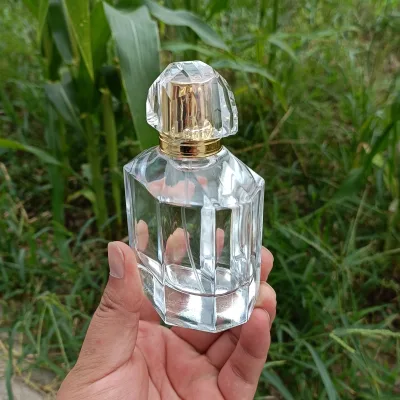
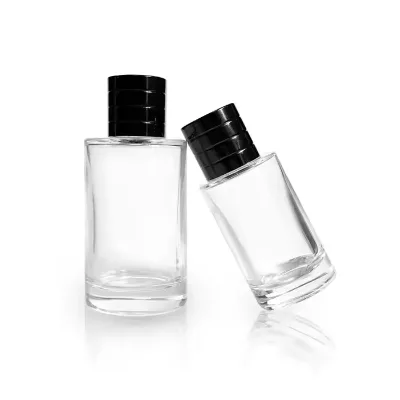
The observed product listings reveal a significant variation in material composition and design, challenging the assumption that all available options are strictly white opal glass. Many suppliers offer transparent glass bottles, PP plastic containers, and even spray pumps with different shapes, including square and round configurations. The volume capacities range widely, with common offerings including 30ml, 50ml, and 100ml options, as well as specific models like the FEA 15 Bottle. Buyers should note that while some listings mention "white" or "color" options, the actual material may be transparent glass or plastic, requiring careful scrutiny of product images and descriptions to ensure the desired aesthetic is achieved.
Customization is a prevalent feature across the observed listings, with suppliers offering options for color, volume, and surface handling techniques like screen printing. The closure types vary, including spray pumps, screw caps, and crimp necks, catering to different application needs such as cosmetics, personal care, and even medicine or chemical products. The observed MOQs range from 10 to 10,000 pieces, with some suppliers requiring higher quantities for specific colors or customizations. Buyers must align their order quantities with supplier requirements and consider the implications of customization on lead times and costs, ensuring that the chosen supplier can meet their specific volume and design needs.
Technical Specifications to Verify
Verifying technical specifications is crucial to ensure the perfume bottles meet functional and aesthetic requirements. Key attributes to confirm include the bottle shape, whether square or round, and the volume capacity, which should align with the product’s intended use. The closure type, such as spray pumps or screw caps, must be compatible with the liquid’s viscosity and dispensing needs. Surface handling techniques, like screen printing, should be evaluated for durability and quality, especially if branding is a priority. Buyers should also verify the material composition, ensuring it is suitable for the intended application, whether it is glass, PP plastic, or another material, and check for features like recyclability if sustainability is a concern.
The product models, such as FEA13/15/18/20, and specific features like the spraying shape, should be cross-referenced with supplier catalogs to ensure accuracy. Additionally, the sealing type, whether it is a pump sprayer or screw cap, must be verified to prevent leaks and ensure product integrity. Buyers should also consider the weight and packing details, such as trading cartons or carton plus pallet options, to assess logistics and storage requirements. By meticulously verifying these technical specifications, buyers can avoid discrepancies between ordered and received products, ensuring a smooth procurement process and satisfactory end results.
Compliance and Safety Documentation
Compliance and safety documentation are essential for ensuring that the perfume bottles meet regulatory standards and are safe for their intended use. Buyers should request certifications such as SGS, which indicates that the product has undergone specific testing and meets certain quality standards. Additionally, verifying that the materials used are food-grade or suitable for cosmetic and personal care applications is crucial to prevent contamination or adverse reactions. Suppliers should provide documentation confirming the recyclability of the materials, especially if sustainability is a key factor in the procurement decision. This documentation not only ensures compliance but also enhances the brand’s reputation for responsible sourcing.
Buyers should also inquire about any specific safety tests or standards that the products have undergone, particularly if they are intended for use with sensitive liquids like perfumes or medicines. This may include tests for chemical resistance, durability, and leak-proof capabilities. It is important to ensure that the suppliers are transparent about their testing processes and provide clear documentation of the results. By prioritizing compliance and safety, buyers can mitigate risks associated with product liability and ensure that the final packaging solution is both effective and responsible. This diligence is particularly important in industries with strict regulatory requirements, such as cosmetics and pharmaceuticals.
Cost Drivers and Commercial Terms
Understanding the cost drivers and commercial terms is vital for effective budgeting and negotiation. The primary cost drivers include the material type, customization options, and order quantity. Transparent glass and PP plastic may have different cost structures, with customization adding to the overall expense. The observed MOQs range from 10 to 10,000 pieces, with higher quantities often resulting in lower per-unit costs. Buyers should also consider the lead times, which can vary from 20 to 25 days, and factor these into their production schedules. Additionally, the origin of the products, primarily from China, may influence shipping costs and import duties, which should be accounted for in the total cost analysis.
Commercial terms such as payment methods, shipping arrangements, and return policies should be clearly defined in the contract. Buyers should negotiate for favorable terms, such as flexible payment schedules or bulk discounts, to optimize cash flow and reduce costs. It is also important to clarify the responsibilities for quality control and defect resolution, ensuring that any issues are addressed promptly and fairly. By understanding the cost drivers and negotiating favorable commercial terms, buyers can secure a competitive advantage and ensure that the procurement process is both efficient and cost-effective. This strategic approach helps in maintaining profitability while meeting quality and delivery expectations.
Supplier Qualification and Quality Control
Supplier qualification and quality control are critical steps in ensuring the reliability and consistency of the perfume bottles. Buyers should conduct thorough due diligence on potential suppliers, verifying their production capabilities, quality management systems, and past performance. This may include site visits, audits, and requests for references from previous clients. It is important to assess the supplier’s ability to meet specific technical specifications and customization requirements, as well as their capacity to handle large orders within the agreed lead times. Suppliers with a strong track record in the industry are more likely to deliver high-quality products consistently.
Quality control measures should be established to monitor the production process and ensure that the final products meet the agreed standards. This may include pre-production samples, in-process inspections, and final random inspections before shipment. Buyers should also define clear acceptance criteria and rejection procedures for defective products, ensuring that any issues are addressed promptly. By implementing robust quality control measures, buyers can minimize the risk of receiving substandard products and maintain the integrity of their brand. This proactive approach to supplier qualification and quality control is essential for building long-term, reliable supply chain relationships.
Long-Term Procurement Checks
Long-term procurement checks are necessary to maintain the quality and reliability of the perfume bottles over time. Regular audits and performance reviews of suppliers should be conducted to ensure that they continue to meet the agreed standards and deliver on their commitments. This may include monitoring key performance indicators such as delivery times, defect rates, and customer satisfaction. Buyers should also stay updated on any changes in regulatory requirements or industry standards that may impact the products, ensuring that the suppliers remain compliant. By maintaining a proactive approach to supplier management, buyers can mitigate risks and ensure a stable supply chain.
Additionally, buyers should consider diversifying their supplier base to reduce dependency on a single source and enhance supply chain resilience. This may involve identifying alternative suppliers who can meet the same quality and cost requirements, providing a backup in case of disruptions. Regular communication and collaboration with suppliers can also help in identifying opportunities for improvement and innovation, such as new materials or designs that may enhance the product’s value. By implementing long-term procurement checks, buyers can ensure that their packaging solutions remain competitive and aligned with their strategic goals, fostering a sustainable and efficient procurement process.
FAQs
Can white opal glass perfume bottles be customized for branding?
Yes, customization is available for these glass containers. Buyers can select specific shapes such as square or round designs. Surface handling options like screen printing allow for logo application. The production standard is custom made, ensuring the final product meets unique aesthetic requirements for personal care or gift packaging applications.
What volume capacities are available for these glass bottles?
The available volume capacities include 30ml, 50ml, and 100ml options. Some listings also reference 51-100 ml capacity ranges. Specific models like FEA13/15/18/20 correspond to these sizes. The bottles are designed to hold cosmetics and personal care liquids, with clear volume specifications provided for each model variant to ensure precise filling and packaging compatibility.
What closure types are used for these perfume bottles?
These bottles utilize spray pump closures for dispensing. The sealing type is identified as a screw cap or pump sprayer mechanism. The spraying shape is a full cone, suitable for fine mist application. The bottleneck is a crimp neck, ensuring a secure fit for the pump assembly. This design supports both personal care and cosmetic product applications effectively.
What is the typical lead time for production and delivery?
The typical delivery time ranges from 20 to 25 days. Production originates from locations such as Shanghai, Jiangsu, and Ningbo in China. Samples are offered to verify quality before full production. The lead time accounts for the custom made nature of the items, including surface handling and packaging preparation for trading cartons or carton plus pallet shipments.
What are the MOQ requirements for these glass bottles?
The minimum order quantity varies by specification. Some listings indicate an MOQ of 10,000 pieces for standard orders. Color-specific requirements may demand a higher MOQ of 20,000 pieces. Other general listings show an MOQ range of 10 to 10,000 units. Buyers should confirm the exact MOQ based on the selected model, color, and customization needs with the supplier.
Are these bottles recyclable and what material are they made of?
Yes, the bottles are made of glass and are recyclable. The material is specified as glass, with some components like pumps potentially using PP plastic. The feature is explicitly listed as recyclable, supporting sustainable packaging goals. The bottles are suitable for cosmetics and personal care products, offering an eco-friendly option for brands seeking recyclable container solutions for their merchandise.