Transparent Fine Mist Perfume Bottle Suppliers and Manufacturers
Source 28 verified suppliers for Transparent Fine Mist Perfume Bottle options. Compare key dimensions including location, lead time, MOQ, and response time to identify suitable partners. Review product specifications and pricing details to streamline your procurement process effectively; review the available evidence before requesting comparable quotations from suitable candidates.
Updated
Suppliers List

Xuzhou Shine Packaging Technology Co., Ltd.
- Verified by SGS
- Manufacturer/Factory
- China Jiangsu
- Lead time45 days
- Avg. response≤ 4h
Main productsCosmetic Packaging, Cosmetic Jar, Lotion Bottle, Shampoo Bottle, Sprayer Bottle, Foam Bottle, Acrylic Jar, Dropper Bottle, Airless Bottle, Pet Cosmetic Jar
Main marketsSouth America,Eastern Europe,Mid East,North America,Southeast Asia,Eastern Asia,Oceania,Western Europe,Africa


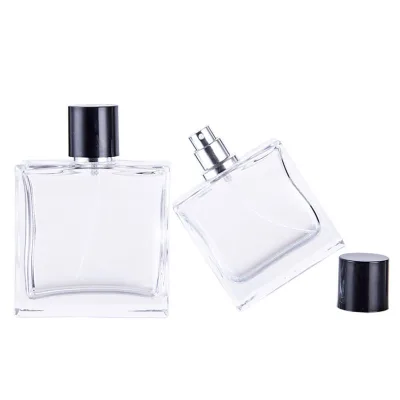
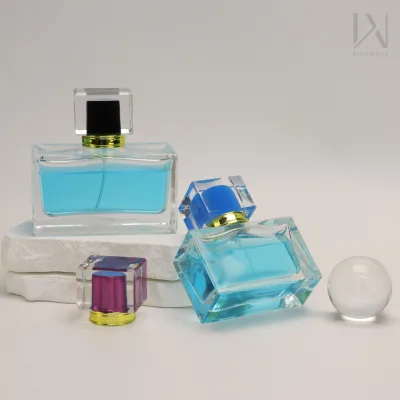
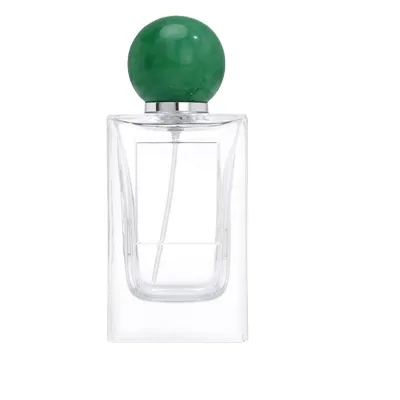
Luxury Clear Perfume Bottle 50ml Glass Custom Fine Mist Bottle with Ball Cap
$0.45 - $0.68
MOQ: 5000 Pieces
Shenyang Jingrui Import And Export Co., Ltd.
- Trading Company
- Liaoning, China
- Lead time0 days
- Avg. response≤ 2h
Main productsplastic bottle,glass bottle,Airless Pump Bottle,lotion bottle,cream bottle
Main marketsSoutheast Asia(15.00%), Eastern Europe(15.00%), South America(15.00%), North America(15.00%), Southern Europe(5.00%), Northern Europe(5.00%), Central America(5.00%), Western Europe(5.00%), Eastern Asia(5.00%), Mid East(5.00%), Oceania(5.00%), Africa(5.00%)

Xuzhou Youchum International Trade Co., Ltd.
- Verified by SGS
- Trading Company
- China Jiangsu
- Lead time15 days
- Avg. response≤ 8h
Main productsGlass Bottle, Cosmetic Packaging, Household, Liquor Packagin, Food Packaging, Cartons, Cardboard Box, Essential Oil Packaging
Main marketsEurope

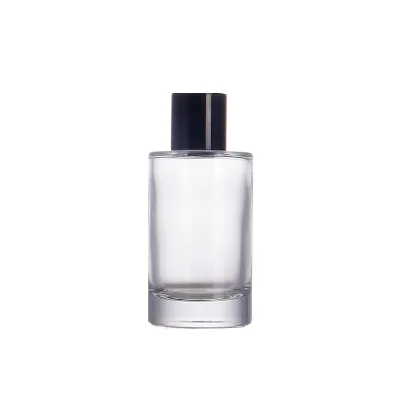
Elegant Appearance Empty Unique Clear Thick Bottom Fine Mist Glass Perfume Bottle
$0.20 - $0.25
MOQ: 30000 Pieces


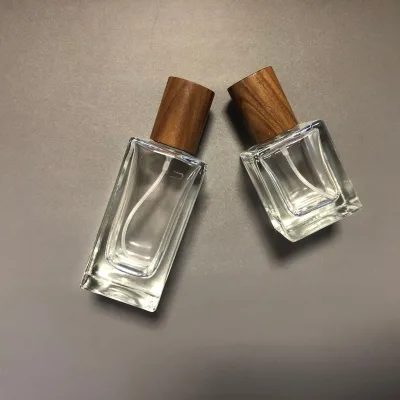
Luxury High End Empty Square Transparent Fine Mist Glass Perfume Bottle
$0.13 - $0.20
MOQ: 1000 Pieces


Elegant Appearance Flat Empty Transparent Fragrance Spray Perfume Glass Bottle
$0.17 - $0.26
MOQ: 500 Pieces


Jiangsu Ai Deli Spray Technology Co., Ltd.
- Verified by TUVRHEINLAND
- Trading Company,Manufacturer/Factory
- China Jiangsu
- Lead time45 days
- Avg. response≤ 5h
Main productsPerfume Sprayer, Perfume Pump, Perfume Bottle, Lotion Pump, Foam Pump
Main marketsSouth America,Mid East,North America,Southeast Asia,Eastern Asia,Oceania,Western Europe,Africa


High-Quality 50ml Empty Transparent Spray Glass Perfume Bottle with Cap
$0.36 - $0.46
MOQ: 10000 Pieces

Guangzhou King Style Trading Co., Ltd.
- Verified by TUVRHEINLAND
- Trading Company
- China Guangdong
- Lead time23 days
- Avg. response≤ 13h
Main productsPerfume, Cosmetics, Fragrance, Perfume Oil, Brand Perfume, Make up, Face Care
Main marketsSouth America,Eastern Europe,Mid East,North America,Southeast Asia,Eastern Asia,Western Europe,Africa

Jinhua Allies Import and Export Co., Ltd.
- Verified by SGS
- Manufacturer/Factory
- China Zhejiang
- Lead time23 days
- Avg. response≤ 6h
Main productsCanister, Container, Bottle, Cosmetic, Make up, Plastic Packaging, Eyeshadow, Palette, Box, Compact Case
Main marketsSouth America,Mid East


50ml 100ml Square Clear Glass Perfume Bottle Transparent Spray Empty Glass Perfume Bottle
$0.24 - $0.58
MOQ: 10000 Pieces


High-Quality Round Transparent Glass Spray Perfume Bottle with Wholesaler
$0.22 - $0.85
MOQ: 10000 Pieces

OLILA (GUANGZHOU) COSMETIC PACKAGE CO., LTD.
- Trading Company,Manufacturer/Factory
- China Guangdong
- Lead time45 days
- Avg. response≤ 11h
Main productsCosmetic Packaging, Perfume Bottles, Perfume Cap, Spray Cap, Aerosol Can, Aerosol Valve, Cream Jars, Cosmetic Packages, Perfume Bottle Caps, Olila Cosmetic Containers
Main marketsSouth America,Eastern Europe,Mid East,North America,Southeast Asia,Eastern Asia,Oceania,Western Europe,Africa
Jiangsu Feng Love Zhen Ai Network Technology Co., Ltd.
- Trading Company
- Jiangsu, China
- Lead time0 days
- Avg. response≤ 10h
Main productsglass bottle,perfume bottle,Reed Diffuser Bottle,Candle jar,spirit bottle
Main marketsEastern Asia(10.00%), Mid East(10.00%), South Asia(10.00%), Africa(10.00%), Southeast Asia(10.00%), South America(10.00%), Northern Europe(10.00%), North America(10.00%), Central America(10.00%), Domestic Market(5.00%), Southern Europe(2.00%), Western Europe(1.00%), Oceania(1.00%), Eastern Europe(1.00%)

Wuxi Meishang Packaging Technology Co., Ltd.
- Verified by BV
- Trading Company,Manufacturer/Factory
- China Jiangsu
- Lead time23 days
- Avg. response≤ 7h
Main productsPerfume Bottle, Dropper, Spray, Plastic Bottle, Essential Oil Bottle, Lotion Pump, Plastic Cap, Trigger Spray, Glass Bottle, Disc Top Cap
Main marketsSouth America,Mid East,North America,Southeast Asia,Western Europe,Africa

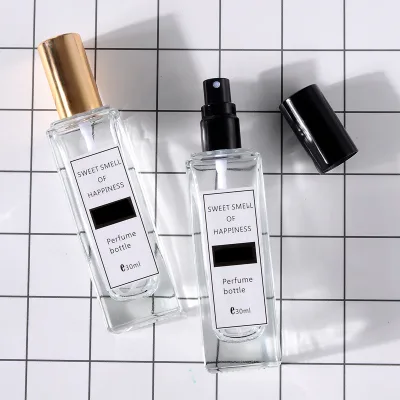
Stock 30ml 50ml Cleartransparent Perfume Bottles Empty Glass Mist Spray Bottles
$0.15 - $0.40
MOQ: 10000 Pieces


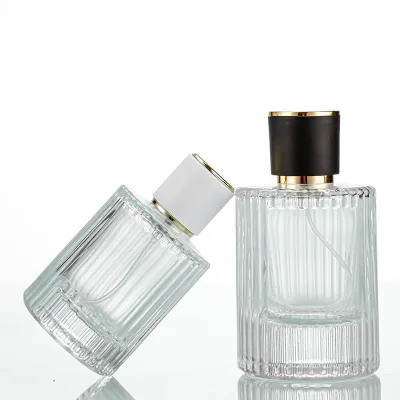
Custom Cylinder Glass Bottle Transparent Empty Perfume Bottle with Lid
$0.20 - $0.80
MOQ: 10000 Pieces


Guangzhou Xingfa Dongfang Glass Products Co., Ltd.
- Verified by SGS Group
- Trading Company
- Lead time30 days
- Avg. response≤ 9h
Main productsPerfume Glass Bottle
Main marketsDomestic Market(60%), Southern Europe(30%), North America(5%)
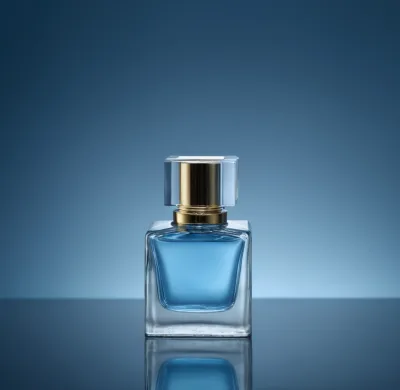
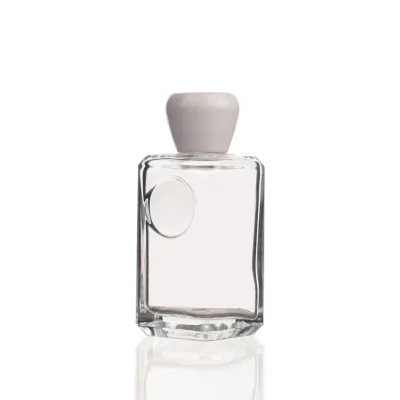
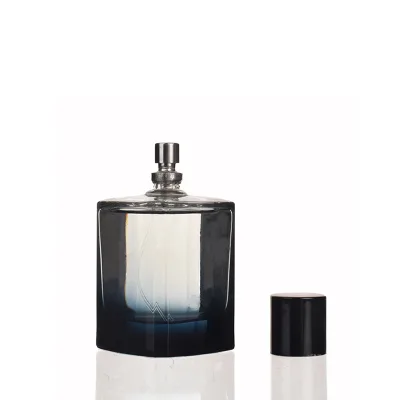
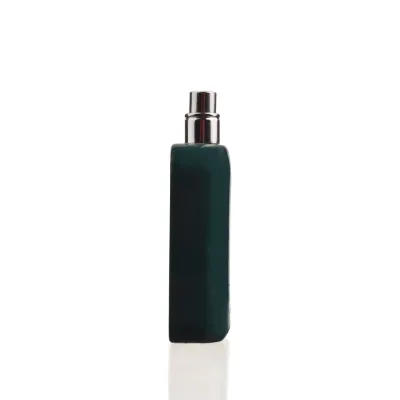
100ml square Perfume Bottle Gradient Blue
$0.51 - $0.61

Wuxi Sunmart Science and Technology Co., Ltd.
- Verified by BV
- Combined
- China Jiangsu
- Lead time15 days
- Avg. response≤ 4h
Main productsFoam Pump, Fine Mist Spray Pump, Lotion Pump, Pen Atomizers, Cream Spray Pump, Perfume Atomizers, Foam(Soap) Pump Trigger Spray Pump, Regular Spray Pumps Nasal Sprayers Oral, Droppers and Glass Pipettes, Plastic Caps
Main marketsDomestic,Europe,Australia,North America


Factory Bottle Perfume Packaging Empty Bottles Clear Glass Perfume Bottle
$0.13 - $0.25
MOQ: 10000 Pieces

Factory Customthick Bottom Glass Transparent Perfume Bottle with Spray Pump
$0.14 - $0.30
MOQ: 10000 Pieces


Advantrio Packaging (Shandong) LLC
- Verified by TUVRHEINLAND
- Trading Company
- China Shandong
- Lead time23 days
- Avg. response≤ 3h
Main productsPlastic Bottles, Plastic Caps, Glass Bottles, Glass Vials, Droppers, Perfume Glass Bottles, Food Glass Jars, Juice Bottles, Medicine Bottles, PET Bottles
Main marketsSouth America,North America,Southeast Asia
Guangzhou Aboland Cosmetics Co., Limited
- Verified by SGS Group
- Manufacturer, Trading Company
- Lead time25 days
- Avg. response≤ 3h
Main productsPerfume Bottle, Perfume
Main marketsNorth America(30%), Mid East(20%), Western Europe(15%)

- Verified by CTI
- Trading Company
- China Zhejiang
- Lead time30 days
- Avg. response≤ 3h
Main productsAirless Bottle, Glass Bottle, Comb, Cosmetic Packaging, Food Packaging, Sprayer, Lotion Pump Machine, Gift, Roll on Ball
Main marketsAfrica,Southeast Asia/ Mideast
Xuzhou Longhua Glass Products Co., Ltd.
- Trading Company
- Jiangsu, China
- Lead time15 days
- Avg. response≤ 2h
Main productsglass bottle,Glass candle holder,Glass storage jar,Glass oil bottle,Cosmetic bottle
Main marketsDomestic Market(10.00%), Africa(10.00%), Southern Europe(10.00%), Eastern Europe(10.00%), South America(10.00%), Northern Europe(10.00%), Oceania(5.00%), South Asia(5.00%), Southeast Asia(5.00%), North America(5.00%), Central America(5.00%), Western Europe(5.00%), Eastern Asia(5.00%), Mid East(5.00%)

NOVA PACKAGING TECHNOLOGY(SHANDONG) Co., LTD
- Verified by CTI
- Manufacturer/Factory
- China Shandong
- Lead time45 days
- Avg. response≤ 4h
Main productsPerfume Bottle, Glass Bottle, Dropper Bottle, Essential Oil Bottle, Perfume Cap, Custom Perfume Bottle, Perfume Pump Sprayer, Car Perfume Bottle, Diffuser Bottle, Mini Perfume Bottle
Main marketsSouth America,Eastern Europe,Mid East,North America,Southeast Asia,Eastern Asia,Oceania,Western Europe,Africa

Empty Transparent Glass Perfume Bottle with Golden Lid Stylish and Durable
$0.42 - $0.57
MOQ: 2000 Pieces

Flexible and Stylish High-Quality 50ml Transparent Perfume Bottle with Pump
$0.54 - $0.62
MOQ: 2000 Pieces


HONG KONG AQUIMAN TRADING CO., LIMITED
- Verified by SGS Group
- Trading Company
- Lead time10 days
- Avg. response≤ 2h
Main productsCosmetic Packaging, Glass Bottles, Plastic Bottles, Jar, Boxes
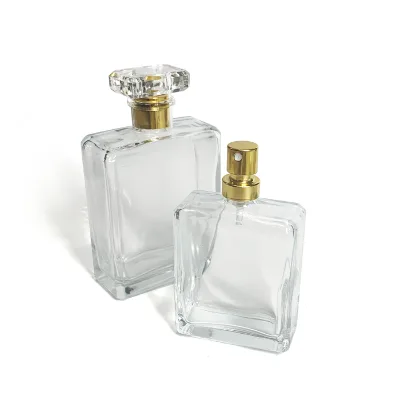
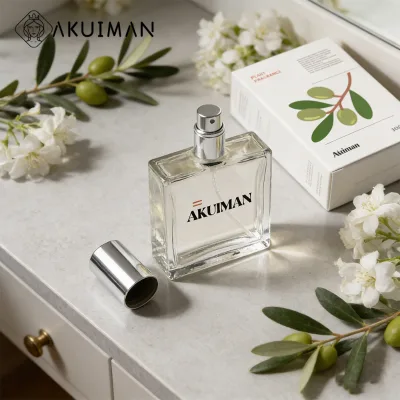
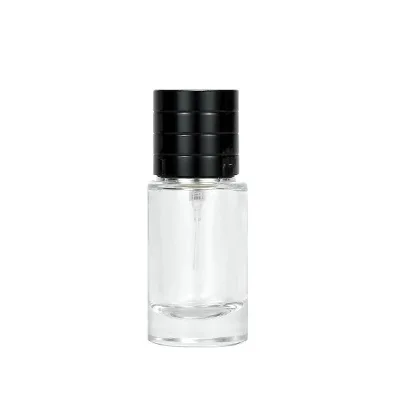
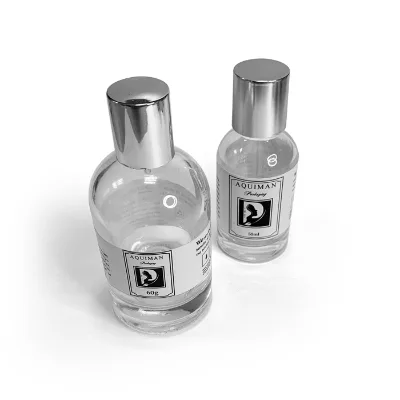
Cosmetic 30ml 50ml 100ml clear Glass Wholesale Empty Custom Perfume Spray Bottle
$0.32 - $0.34
MOQ: 3000
Yiwu Leyan Packaging Co., Ltd.
- Manufacturer, Trading Company
- Zhejiang, China
- Lead time7 days
- Avg. response≤ 3h
Main productsGlass Bottle,Glass Jar,perfume bottle/spray bottle,Dropper bottle,rollen bottle
Main marketsNorth America(25.00%), Domestic Market(15.00%), Central America(10.00%), South America(10.00%), Eastern Asia(8.00%), Western Europe(6.00%), Southern Europe(5.00%), Oceania(5.00%), Eastern Europe(5.00%), Mid East(5.00%), Southeast Asia(2.00%), Northern Europe(2.00%), Africa(1.00%), South Asia(1.00%)
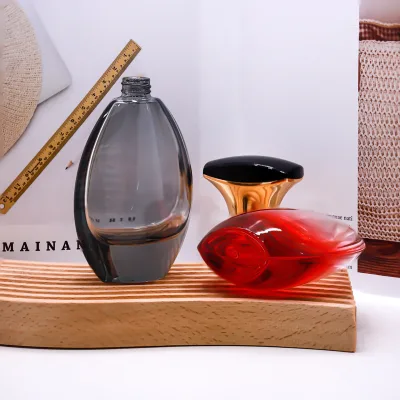
$0.1765 - $0.1975
MOQ: 1000 pieces
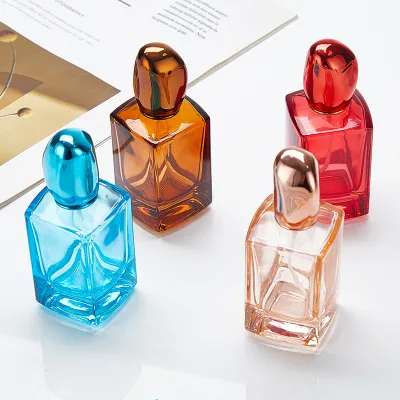
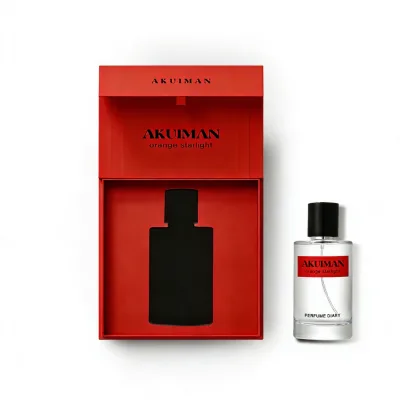
Luxury Perfume Bottle 50 ml Customized Perfume Bottle and Box Perfume Bottle Rectangle
$0.55
MOQ: 1000 Minimum
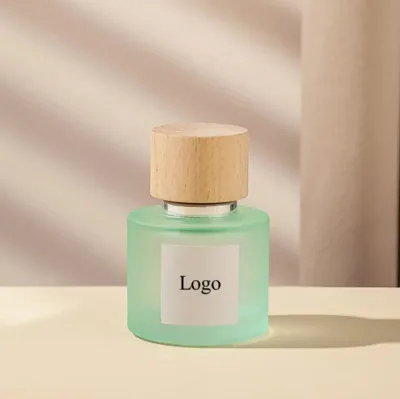
Akuiman (Guangzhou) Packaging Products Co., Ltd.
- Verified by SGS Group
- Trading Company
- Lead time7 days
- Avg. response≤ 2h
Main productsCosmetic Packaging, Glass Bottle, Plastic Bottle, Jar, Paper Boxes
Main marketsNorth America(40%), South America(10%), Eastern Europe(10%)
Dingwang (guangzhou) Packaging Products Co., Ltd.
- Verified by SGS Group
- Manufacturer, Trading Company
- Lead time15 days
- Avg. response≤ 2h
Main productsPerfume Oil Bottles, Nail Polish Bottles, Essential Oil Bottles
Guangzhou Meup Biotech Co., Ltd.
- Verified by SGS Group
- Manufacturer, Trading Company
- Lead time30 days
- Avg. response≤ 4h
Main productsPerfume bottle, Diffusion bottle, Roll oil bottle, Mini spray bottle, Perfume box
Main marketsMid East(50%), Oceania(20%), Northern Europe(15%)
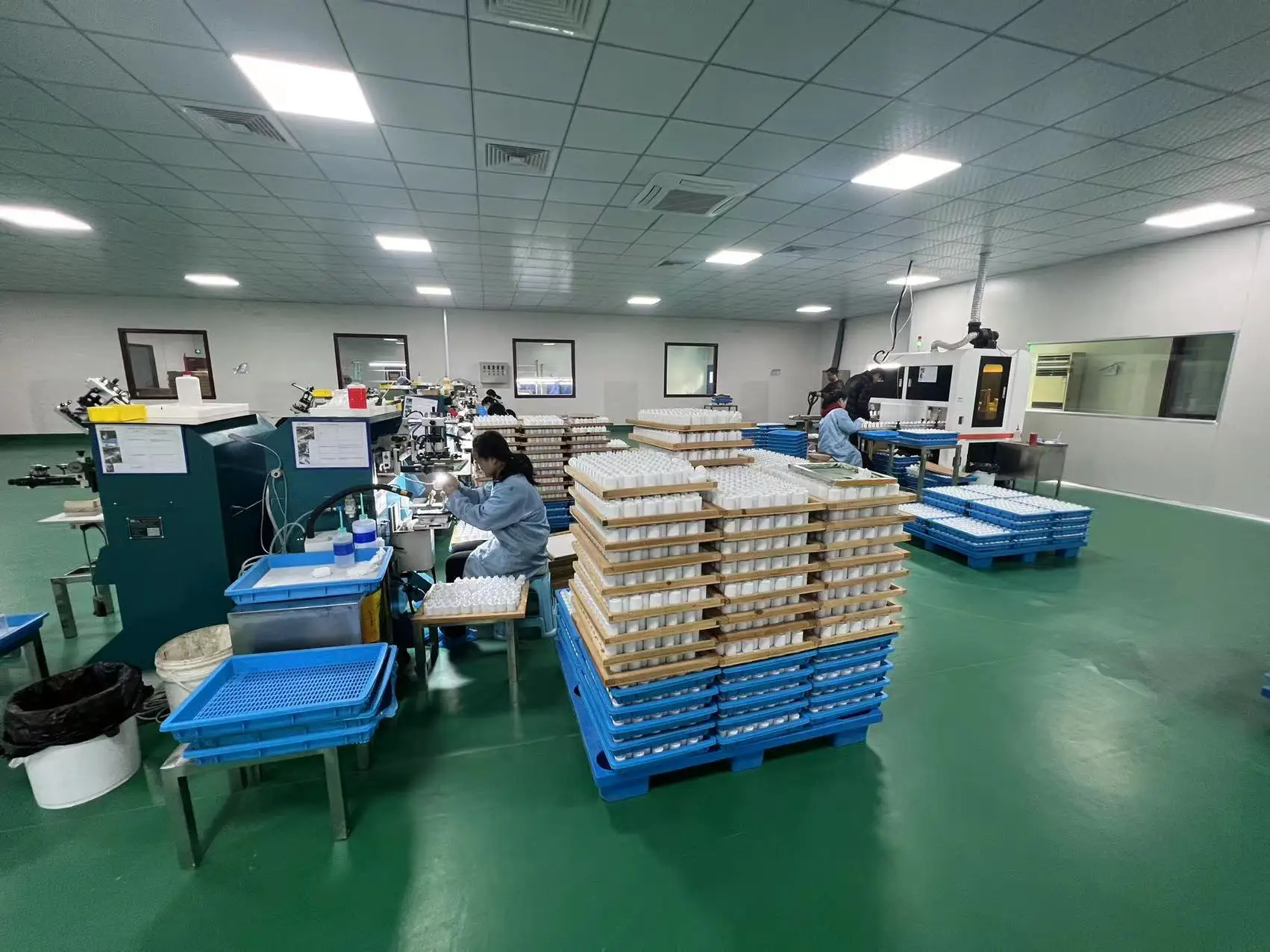
Xuzhou Abeisi Glass Products Co., Ltd.
- Trading Company
- Jiangsu, China
- Lead time35 days
- Avg. response≤ 5h
Main productsOud glass bottle &box,Glass Food Jar,Glass Perfume Bottle,Glass Cream Jar,Glass Aroma Diffuser Bottle
Main marketsNorth America(29.00%), Eastern Asia(21.00%), Western Europe(19.00%), South America(14.00%), Eastern Europe(12.00%), South Asia(5.00%)
Xuzhou Cuican Glass Products Co., Ltd.
- Verified by TüVRheinland
- Manufacturer, Trading Company
- Jiangsu, China
- Lead time35 days
- Avg. response≤ 2h
Main productsGlass Bottle, Glass Jar, Bottle Cap
Main marketsMid East(32%), North America(16%), Eastern Asia(16%)
Yiwu Yujin Import And Export Co., Ltd.
- Verified by SGS Group
- Trading Company
- Lead time20 days
- Avg. response≤ 3h
Main productsPerfume Bottle / Parfum Glass Bottle / Aluminum Atomizer / Mini Spray Bottle / Car Perfume Bottle
Main marketsNorth America(30%), Mid East(30%), Western Europe(25%)
- Verified by SGS Group
- Trading Company
- Lead time30 days
- Avg. response≤ 3h
Main productsGlass Beverage Liquor Sauce Milk Bottles, Glass Food and cosmetic Jars, Supplement Bottles Vitamin Bottles, Lids Accessories, Paper box and cartons
Main marketsNorth America(24%), Oceania(14%), Southeast Asia(10%)

Jiangyin Keling Glass Products Co., Ltd.
- Verified by SGS
- Combined
- China Jiangsu
- Lead time15 days
- Avg. response≤ 3h
Main productsLED Lighting Glass Lens, Outdoor Lighting Glass Cover, Borosilicate Glass Lens, Explosion Proof Light Glass, Street Light Glass Lens, Pressed Glass Components, Optical Glass Lens, Tempered Glass for Lighting, Industrial Glass Parts, Custom Glass Lens
Main marketsDomestic,Europe

- Verified by CTI
- Trading Company
- China Shanghai
- Lead time23 days
- Avg. response≤ 8h
Main productsGlass Bottle, Bottle, Vodka Glass Bottle, Whisky Glass Bottle, Glass Beer Bottle, Glass Wine Bottle, Beer Bottle, Glass Decanter, Glass Jars, Glass
Main marketsSouth America,Africa,Europe,Australia,North America
Shijiazhuang Truter Packaging Co., Ltd.
- Trading Company
- Hebei, China
- Lead time30 days
- Avg. response≤ 9h
Main productsGlass bottle,Plastic bottle,Perfume bottle,Plastic jar,Candle jar
Main marketsNorth America(30.00%), Southeast Asia(20.00%), Mid East(13.00%), South Asia(10.00%), Eastern Asia(5.00%), Africa(5.00%), Central America(3.00%), Domestic Market(2.00%), South America(2.00%), Southern Europe(2.00%), Eastern Europe(2.00%), Northern Europe(2.00%), Western Europe(2.00%), Oceania(2.00%)








Comprehensive Sourcing Guide
Transparent Fine Mist Perfume Bottle Supplier Concentration and Factory Types
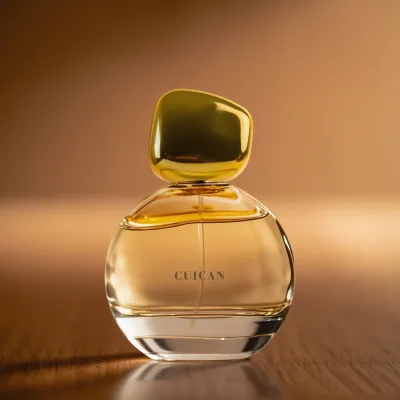
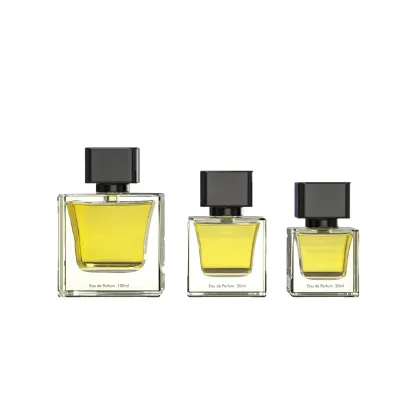
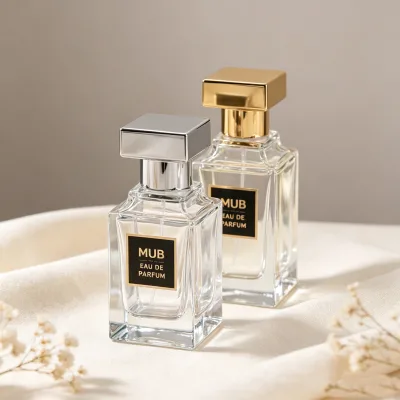
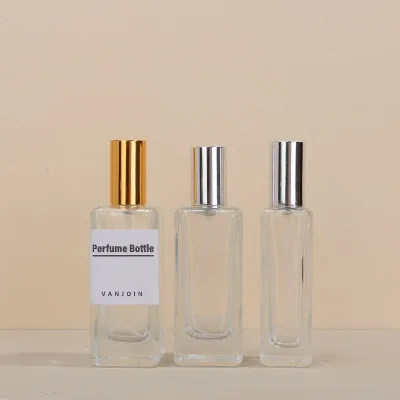
Sourcing pages for the Transparent Fine Mist Perfume Bottle category typically show a mix of manufacturers and trading companies rather than a single factory type. On current results, glass perfume bottle listings cluster in Jiangsu, China, including Xuzhou, a region with a long history in glass production, while a separate group of suppliers operates from Liaoning, China, offering both glass and plastic cosmetic containers. Recognizing this split matters because a manufacturer/factory label in a glass-producing province often signals direct mold and production control, whereas a trading company may consolidate output from multiple workshops and offer broader product ranges, including plastic bottles, airless pumps, and lotion bottles, alongside fragrance containers.
When the results do not expose a clear regional cluster for a given search, buyers should infer concentration indirectly. Sort or filter by location fields, count how many suppliers share the same province, and check whether listed products carry origin attributes such as "prod_origin" pointing to the same area. A dense pattern of origin tags in one province is a practical proxy for a manufacturing cluster even without an explicit statement. Also examine main-product lines: a supplier whose catalog is dominated by cosmetic packaging and glass bottles is more likely to own production assets than one listing household goods, liquor packaging, and cartons alongside perfume containers, which may indicate trading or mixed sourcing.
How to Verify Transparent Fine Mist Perfume Bottle Suppliers
Verification for Transparent Fine Mist Perfume Bottle suppliers should start with the platform-displayed credentials and drill into what each actually proves. Some listings show third-party verification, such as an SGS badge, which confirms the business was audited by an inspection body but does not guarantee production quality on a specific bottle. Company type is equally important: a "Manufacturer/Factory" designation suggests direct production capability, while a "Trading Company" means the seller intermediates between you and the actual workshop. Neither is inherently bad, but the buyer's diligence differs. For a factory, request evidence of glass-forming equipment; for a trader, ask which factory produces the bottle and whether you may audit or at least receive factory-level documentation.
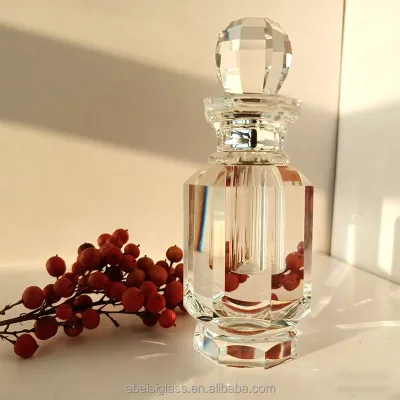
Product-level attributes provide a second verification layer. Well-populated listings disclose material (for example, crystal glass or borosilicate glass), technics (blown), sealing type (pump sprayer), model numbers, packing method (carton and pallet), and origin. A supplier who fills these fields consistently is more likely to have genuine catalog control. Check whether samples are explicitly provided, and whether OEM/ODM customization is marked as available rather than vaguely implied. Response time is a behavioral signal: suppliers in this results set respond in roughly two to seven hours on average, and a slow response during pre-sale usually predicts slower issue resolution later. Finally, ask for documentation that is not displayed on the page, such as material compliance declarations, and treat any claim the platform does not show as unverified until proven.
What to Compare Across Transparent Fine Mist Perfume Bottle Suppliers
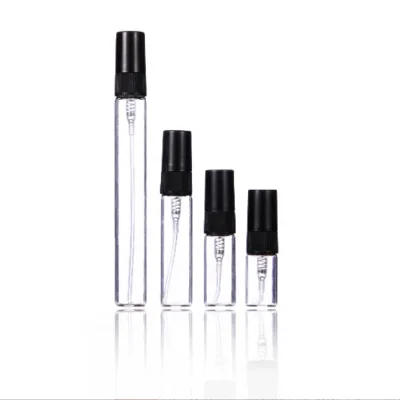
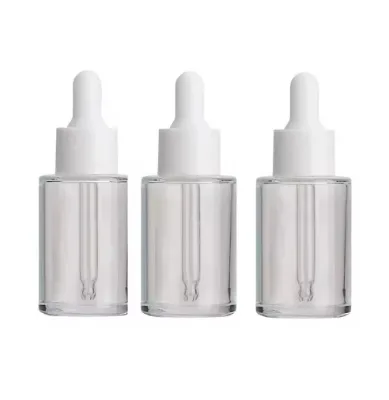
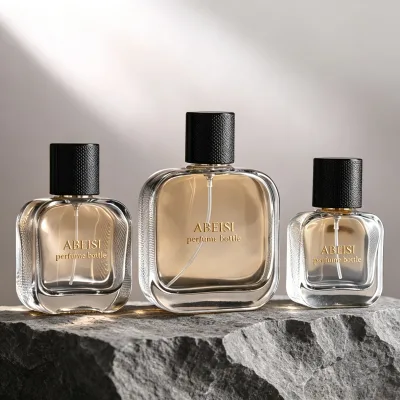
Build a comparison sheet from the attributes suppliers actually display, without assuming every field is present for every seller. For the Transparent Fine Mist Perfume Bottle, the most decision-relevant columns are: location, company type, verification status, average response time, stated lead time, MOQ per product, price range, and main products. Current results illustrate the spread you should expect. One Jiangsu-based manufacturer lists a 50ml/100ml crystal glass perfume spray bottle at roughly $0.65–$0.70 with a 1,000-piece MOQ, a 45-day lead time, and OEM/ODM capability. Another Jiangsu supplier offers a rectangular 50ml glass bottle at $0.45–$0.68 with a 5,000 MOQ. A third Jiangsu source quotes transparent mist spray bottles in 30ml/50ml/100ml at $0.10–$0.18, with a separate square model from $0.13 and an MOQ as high as 30,000 pieces. A Liaoning trading company lists small 2ml–10ml sample bottles and a 50ml dropper-style bottle around $0.20–$0.30 with only a 500 MOQ.
These gaps show why unit price alone is misleading. The $0.10–$0.18 option carries a 30,000-piece MOQ and a 15-day lead time, suiting large replenishment orders; the 1,000-piece option at $0.65 suits launches and sampling programs despite the longer 45-day turnaround. Compare customization scope, sample availability, and packaging together with price before ranking suppliers.
Common Transparent Fine Mist Perfume Bottle Sourcing Risks
The most frequent risk in this category is MOQ and price mismatch. As the current results show, per-unit prices from roughly $0.10 up to $0.70 coexist in the same category, and the cheapest listings frequently attach the largest minimums, such as 30,000 pieces. Buyers who shortlist on price alone often discover the volume commitment exceeds their needs, or that the low price applies only to one standard size while custom decoration, collars, or caps are quoted separately. Confirm in writing which configuration the quoted price covers: bottle only, bottle plus spray pump, or a fully assembled unit with cap and actuator.
A second risk area is material and construction ambiguity. Listings in this set describe bodies of crystal glass, generic glass, and borosilicate glass, with sealing types ranging from pump sprayers to glass lids and droppers. Crystal and borosilicate behave differently in weight, clarity, and durability, and a "fine mist" claim depends on pump quality more than on the bottle itself. Suppliers also differ structurally: a trading company may not control pump assembly or leak testing at the source. Additional risks include long lead times hidden behind fast sample responses, silk-screen printing that fades or misregisters on curved glass, and carton-and-pallet packing that is adequate domestically but insufficient for long ocean freight without added protection. Mitigate each risk through pre-production samples, drop and leak tests, and明确 written specifications.
Transparent Fine Mist Perfume Bottle Regional Sourcing and Logistics
Regional context directly affects cost, lead time, and logistics for the Transparent Fine Mist Perfume Bottle. The current results point to two Chinese sourcing regions. Jiangsu, including Xuzhou, appears repeatedly as the origin of glass perfume bottles, consistent with an established glassmaking base; suppliers there list 30ml, 50ml, and 100ml spray formats with carton or pallet packing. Liaoning suppliers position differently, offering small 2ml–10ml press-spray sample bottles in borosilicate glass and glass dropper bottles, which suits buyers building sampling programs or essential-oil lines rather than mass fragrance production. Jiangsu's coastal proximity generally simplifies container loading and port access, though you should confirm the exact factory-to-port distance with each supplier rather than assuming it.
Logistics planning should account for what the listings disclose about packing: most perfume bottle orders ship in cartons, with some specifying carton and pallet. Glass perfume bottles with pump sprayers are fragile and leak-prone in transit, so request details on dividers, inner boxes, and palletization, and test one master carton from a trial shipment. Lead times in the current set range from 15 to 45 days, which materially affects your reorder calendar; a 45-day production window plus ocean transit demands ordering well ahead of seasonal fragrance demand. When sourcing outside a known cluster, ask suppliers for their upstream glass plant location, since the origin of the bottle body, not the trader's address, determines freight routing and inspection logistics.
Transparent Fine Mist Perfume Bottle Commercial Terms and Order Planning
Commercial planning for the Transparent Fine Mist Perfume Bottle should reverse-engineer from the displayed economics. Current results span roughly $0.10–$0.70 per bottle depending on size, material, and finish, with MOQs from 500 pieces on small sample formats to 30,000 pieces on volume models. Anchor negotiations to the price-MOQ curve rather than the headline price: if your volume sits between tiers, ask whether the supplier will accept an intermediate MOQ at a modest price uplift, or whether you can mix sizes within one order to reach the threshold. Confirm whether tooling or decoration setup is charged separately, since customization is marked available on many listings but pricing of custom artwork is rarely shown.
Order planning must respect the stated lead times, which vary from 15 to 45 days in the current results. Sequence your program as: sample approval, a pilot order near the minimum, quality inspection, then scale-up. For payment protection, check whether the platform offers escrow or secure payment and use it on first orders; if no escrow indicator is displayed for a given supplier, structure payments in stages tied to sample approval and pre-shipment inspection instead. Verify what the supplier will not guarantee in writing, including pump mist consistency and leak rates, and add those specifications to your purchase contract. Finally, build reorder points from the longest lead time in your shortlist, not the shortest, so a 45-day supplier does not break your launch calendar.
FAQs
What is the price range for transparent fine mist perfume bottles?
Prices typically range from $0.10 to $0.70 per unit depending on material and customization. Glass bottles often cost between $0.45 and $0.70, while simpler options may start at $0.10. Final pricing depends on order volume and specific design requirements.
What is the minimum order quantity for these bottles?
MOQs vary significantly by supplier and product type. Some manufacturers require as few as 500 units, while others set thresholds at 1,000 or 5,000 pieces. Bulk orders may allow for lower per-unit costs, so checking specific supplier requirements is essential for accurate planning.
How long does production take for custom orders?
Lead times generally range from 15 to 45 days for manufacturing. Some suppliers offer faster turnaround times, while others may have longer production schedules depending on complexity. Confirming specific lead times with the supplier before placing an order ensures timely delivery for your project.
Are OEM and ODM services available for these bottles?
Yes, many suppliers offer both OEM and ODM customization services. You can request specific designs, logos, or packaging solutions tailored to your brand. This flexibility allows for unique product differentiation and ensures the final packaging aligns with your marketing and aesthetic goals.
What materials are used for these perfume bottles?
Common materials include crystal glass, borosilicate glass, and plastic. Glass options provide a premium feel and clarity, while plastic offers durability and lighter weight. The choice of material affects the bottle's weight, cost, and overall aesthetic appeal for your final perfume product.
Where are these suppliers located?
Suppliers are primarily located in China, specifically in regions like Jiangsu and Liaoning. These areas are known for their manufacturing capabilities in glass and plastic packaging. Sourcing from these locations can offer competitive pricing and access to a wide variety of packaging solutions.