Cosmetic Shiny Essential Oil Bottle Suppliers and Manufacturers
Source 30 verified suppliers for cosmetic shiny essential oil bottles. Compare options based on location, lead time, MOQ, and certifications like ISO 9001 and FDA standards. Review product attributes and request quotes to streamline your procurement process; review the available evidence before requesting comparable quotations from suitable candidates.
Updated
Suppliers List

Ningbo Passen Technology Co., Ltd.
- Verified by BV
- Trading Company
- China Zhejiang
- Lead time30 days
- Avg. response≤ 10h
Main productsWide Mouth Jar, Cosmetic Bottle, Plastic Bottle, Cosmetic Jar, Cosmetic Packaging, Aluminum Bottle, Cream Jar, Plastic Packaging, Aluminum Jar, Lotion Bottle
Main marketsSouth America,Africa,Southeast Asia/ Mideast,East Asia(Japan/ South Korea),Europe,Australia,North America

Xuzhou Youchum International Trade Co., Ltd.
- Verified by SGS
- Trading Company
- China Jiangsu
- Lead time15 days
- Avg. response≤ 7h
Main productsGlass Bottle, Cosmetic Packaging, Household, Liquor Packagin, Food Packaging, Cartons, Cardboard Box, Essential Oil Packaging
Main marketsEurope

Unique Butterfly Luxury Elegant Glass Essential Oil Bottle Cosmetic Skin Care Bottle
$0.08 - $0.10
MOQ: 20000 Pieces

Cosmetic Packaging Wholesale Custom Empty Flat Luxury Fancy Essential Oil Bottle
$0.09 - $0.10
MOQ: 30000 Pieces

Wholesale Square Empty Essential Oil Container Skin Care Cosmetic Packaging Bottle
$0.14 - $0.37
MOQ: 1000 Pieces

Custom Square Empty Glass Essential Oil Skin Care Cosmetic Hair Oil Bottle
$0.06 - $0.09
MOQ: 30000 Pieces


High Grade Empty Round Black Amber Cosmetic Packaging Essential Oil Glass Bottle
$0.06 - $0.11
MOQ: 1000 Pieces

Ningbo Beixuan International Trading Co., Ltd.
- Verified by TUVRHEINLAND
- Manufacturer/Factory
- China Zhejiang
- Lead time15 days
- Avg. response≤ 10h
Main productsPlastic Bottle, Plastic Cup, Plastic Honey Jar, Plastic Food Container, Glass Juice/ Beverage Bottle, Glass Jar, Glass Wine Bottle, Glass Essential Oil Bottles, Cosmetic & Perfume Glass Bottles, Paper Cup
Main marketsSouth America,Eastern Europe,Mid East,North America,Southeast Asia,Eastern Asia,Oceania,Western Europe,Africa


Color Essential Oil Bottle Wholesale Dropper Glass Bottle Skin Care Product
$0.20 - $0.24
MOQ: 5000 Pieces
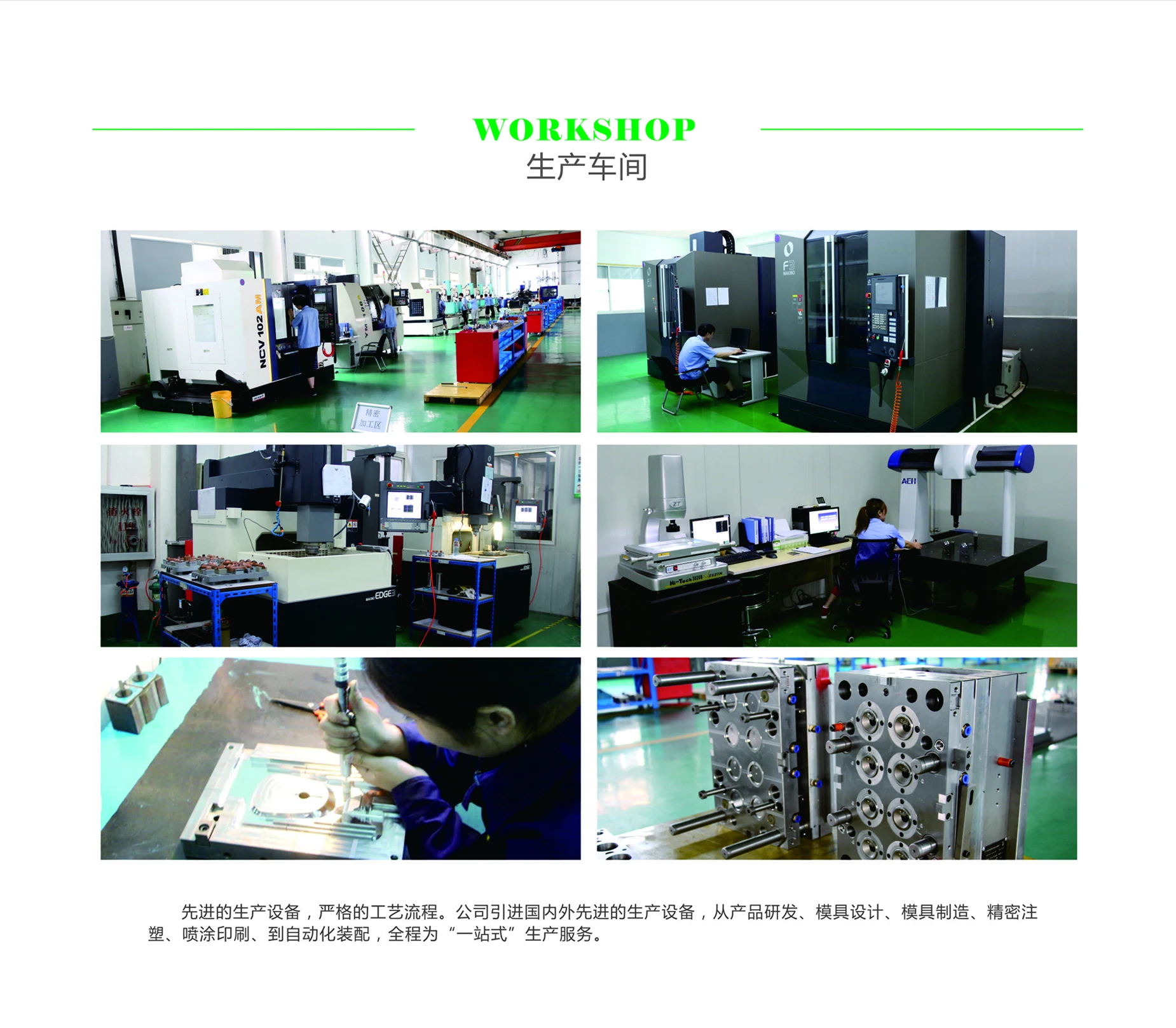
Shanghai Bropack Trade Co., Ltd.
- Trading Company
- Shanghai, China
- Lead time30 days
- Avg. response≤ 2h
Main productsPlastic Jar, Plastic Cap, Plastic Bottle, Airless Jar, Plastic Pump
Main marketsNorth America(30.00%), Western Europe(30.00%), Southeast Asia(20.00%), Eastern Europe(10.00%), Northern Europe(5.00%), Mid East(5.00%)

Jinhua Allies Import and Export Co., Ltd.
- Verified by SGS
- Manufacturer/Factory
- China Zhejiang
- Lead time23 days
- Avg. response≤ 6h
Main productsCanister, Container, Bottle, Cosmetic, Make up, Plastic Packaging, Eyeshadow, Palette, Box, Compact Case
Main marketsSouth America,Mid East


$0.15 - $0.65
MOQ: 10000 Pieces

Glass Bottle Cosmetic Packaging Glass Dropper Bottle Essence Oil Skin Care Cosmetics
$0.12 - $0.65
MOQ: 10000 Pieces

Impac International Trading Co., Ltd. (zhangjiagang)
- Verified by Intertek
- Trading Company
- Lead time30 days
- Avg. response≤ 4h
Main productsAcrylic Bottles And Jars, Plastic Bottles And Jars, Glass Bottles And Jars, Cosmetic Packaging, Spray Bottles
Main marketsNorth America(45%), Western Europe(25%), South America(8%)
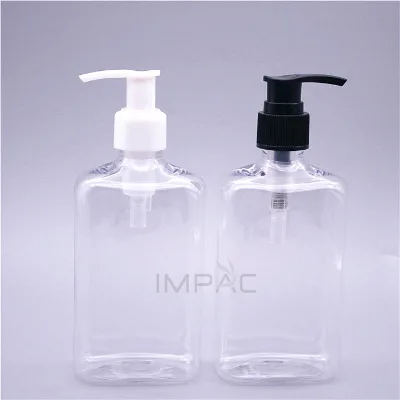
Transparent square Shape Cosmetic Essential Oil Packaging Bottle 260ml
$0.1037 - $1.5564
MOQ: 10 Minimum
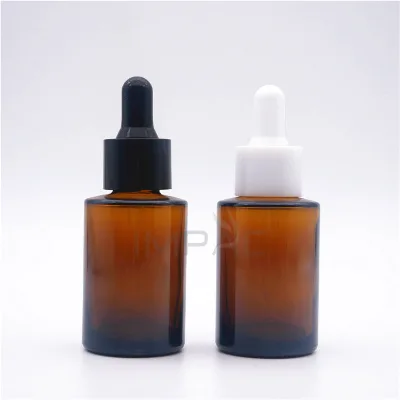
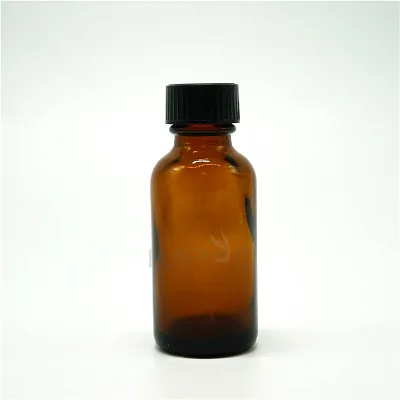
Glass cosmetic 30ml facial oil dropper bottle essential oil skin care hair oil packaging 1oz
$0.10 - $1.50
MOQ: 10000 Minimum
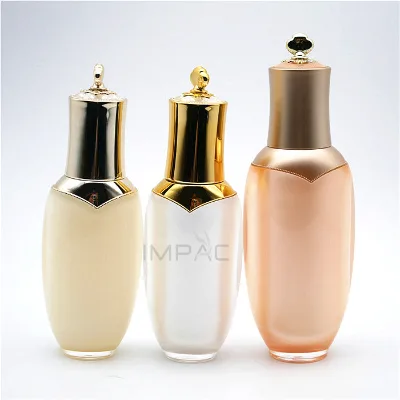
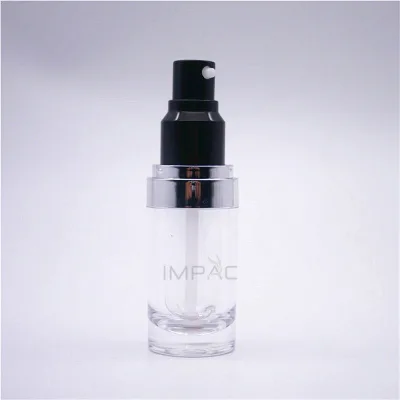
Elegant Crown Essence Bottle with Lotion Pump for Essential Oil 50ml
$0.1034 - $1.5519
MOQ: 5000 Minimum

- Verified by CTI
- Trading Company
- China Zhejiang
- Lead time30 days
- Avg. response≤ 3h
Main productsAirless Bottle, Glass Bottle, Comb, Cosmetic Packaging, Food Packaging, Sprayer, Lotion Pump Machine, Gift, Roll on Ball
Main marketsAfrica,Southeast Asia/ Mideast


Luxurious Cosmetic Glass Perfume Oil Essential Bottle with Glass Dropper
$0.10 - $0.11
MOQ: 10000 Pieces

Elegant Cosmetic Lotion Bottle for High-Quality Skincare and Beauty Essentials
$0.10 - $0.11
MOQ: 5000 Pieces


ZHANGJIAGANG HUAXING PACKING CO., LTD.
- Verified by CTI
- Combined
- China Jiangsu
- Lead time23 days
- Avg. response≤ 5h
Main productsPlastic Bottles, Lotion Pump, Glass Bottles, Plastic Medical Products, Perfume Spray, Perfume Bottle, Skincare Pumps, Mist Sprayer, Vomit Bags, Emesis Bags
Main marketsDomestic

Cosmetics Package Dropper Bottle, Foundation Bottle, Skincare Bottle, Essential Oil Bottle
$0.05 - $0.15
MOQ: 10000 Pieces

Glass Foundation Bottle, Skincare Bottle, Essential Oil Bottle, Dropper Bottle
$0.05 - $0.15
MOQ: 10000 Pieces

$0.05 - $0.15
MOQ: 10000 Pieces


Glass Dropper Bottle, Foundation Bottle, Skincare Bottle, Essential Oil Bottle for Sale
$0.05 - $0.15
MOQ: 10000 Pieces

Colourful Dropper Bottle, Glass Foundation Bottle, Glass Skincare Bottle, Glass Essential Oil Bottle
$0.05 - $0.15
MOQ: 10000 Pieces

Zibo Chuangxinzhe International Trade Co., Ltd
- Verified by TUVRHEINLAND
- Trading Company
- China Shandong
- Lead time15 days
- Avg. response≤ 3h
Main productsGlass Bottle, Glass Jar, Bottle, Glass Storage Jar, Glass Tube, Mason Jar, Food Jar, Dropper Bottle, Empty Candle Jars, Perfume Bottle
Main marketsSouth America

Guangzhou Winly Packaging Products Co., Ltd.
- Verified by CTI
- Trading Company
- China Guangdong
- Lead time15 days
- Avg. response≤ 4h
Main productsCosmetic Packaging Pet Bottle, HDPE LDPE Bottle, Glass Bottle, Paper Boxes, Airless Bottle, Make-up Tools
Main marketsSoutheast Asia/ Mideast,Europe,North America

Qingdao E-Pack Material Co., Ltd
- Verified by BV
- Trading Company,Manufacturer/Factory
- China Shandong
- Lead time23 days
- Avg. response≤ 3h
Main productsGlass Bottle, Glass Jar, Plastic Cap, Pipette Cap, Tubular Glass Vial, Ampoule, Glass Vial, Plastic Bottle, Empty Wine Bottle, Rubber Stopper
Main marketsSouth America,Eastern Europe,Mid East,North America,Southeast Asia,Eastern Asia,Oceania,Western Europe,Africa


5ml Small Cosmetic Glass Essential Oil Amber Brush Bottle for Storage Nail Polish Oil
$0.022 - $0.029
MOQ: 5000 Pieces

Advantrio Packaging (Shandong) LLC
- Verified by TUVRHEINLAND
- Trading Company
- China Shandong
- Lead time23 days
- Avg. response≤ 3h
Main productsPlastic Bottles, Plastic Caps, Glass Bottles, Glass Vials, Droppers, Perfume Glass Bottles, Food Glass Jars, Juice Bottles, Medicine Bottles, PET Bottles
Main marketsSouth America,North America,Southeast Asia


Essential Oil 50ml Clear Flat Hair Oil Cosmetic Serum Lotion Glass Pump Bottle
$0.53 - $0.81
MOQ: 10000 Pieces

30ml glass cosmetic packaging bottle clear skin care serum essential oil dropper bottle
$0.39 - $0.60
MOQ: 10000 Pieces

15ml Cosmetic Black Glass Dropper Bottle for Essential Oil Serum Hair Oil Bottle
$0.47 - $0.72
MOQ: 10000 Pieces

Cosmetic Packaging 30ml Clear Serum Essential Oil Glass Bottle with Dropper
$0.40 - $0.61
MOQ: 10000 Pieces


Cangzhou Weikang Package Co., Ltd.
- Verified by BV
- Trading Company
- China Hebei
- Lead time15 days
- Avg. response≤ 3h
Main productsPlastic Bottle, Spray Bottle, Medicine Bottle, Pill Bottle, Test Cassette, Capsule Bottle, Supplement Bottle, Hand Snitizer Bottle, Glass Bottle
Main marketsSouth America,Africa,Southeast Asia/ Mideast,East Asia(Japan/ South Korea),Domestic,Europe,Australia,North America

Cosmetic Packaging Serum Essential Oil Glass Dropper Bottle Cosmetic Glass Bottles
$0.18
MOQ: 10000 Pieces


Wuxi Sunmart Science and Technology Co., Ltd.
- Verified by BV
- Combined
- China Jiangsu
- Lead time15 days
- Avg. response≤ 4h
Main productsFoam Pump, Fine Mist Spray Pump, Lotion Pump, Pen Atomizers, Cream Spray Pump, Perfume Atomizers, Foam(Soap) Pump Trigger Spray Pump, Regular Spray Pumps Nasal Sprayers Oral, Droppers and Glass Pipettes, Plastic Caps
Main marketsDomestic,Europe,Australia,North America

Hot Cosmetic Packaging Skin Care Essential Oil Spray and Dropper Bottle
$0.10 - $1.00
MOQ: 10000 Pieces


Jiangyin Euphoria International Trade Co., Ltd.
- Trading Company
- Jiangsu, China
- Lead time25 days
- Avg. response≤ 2h
Main productsPlastic Bottles,Plastic Tubes,Glass Bottles,Plastic Jars,Perfume Atomizers
Main marketsOceania(100.00%), Domestic Market(100.00%), Africa(100.00%), North America(24.00%), South Asia(20.00%), South America(16.00%), Northern Europe(7.00%), Mid East(6.00%), Central America(6.00%), Southern Europe(6.00%), Western Europe(5.00%), Southeast Asia(4.00%), Eastern Europe(4.00%), Eastern Asia(2.00%)
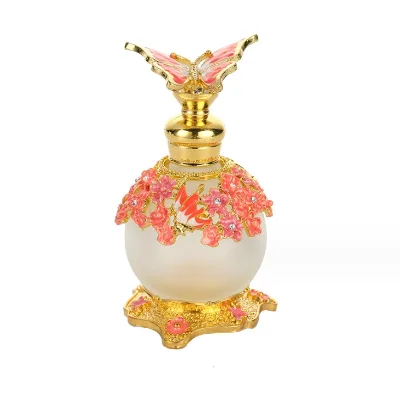
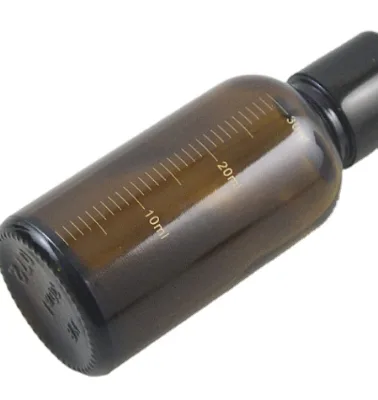
25ML Butterfly Perfume Essential Oil Spherical Bottle Metal Cosmetics Essence Split Bottle
$2.0717 - $2.5885
MOQ: 20
Shijiazhuang Meiche Trade Co., Ltd.
- Trading Company
- Hebei, China
- Lead time0 days
- Avg. response≤ 2h
Main productsGlass Bottles & Jars,Airless & Plastic Packaging,Cosmetic Tubes & Flexible Packaging,Custom Printing & Decoration,Custom Boxes & Sustainable Packaging
Main marketsSouth America(25.00%), North America(15.00%), Eastern Asia(10.00%), Northern Europe(10.00%), Africa(10.00%), Eastern Europe(10.00%), Western Europe(5.00%), Southern Europe(5.00%), South Asia(3.00%), Central America(2.00%), Mid East(2.00%), Oceania(2.00%), Domestic Market(1.00%)
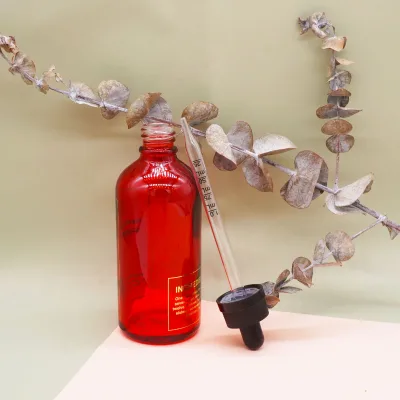
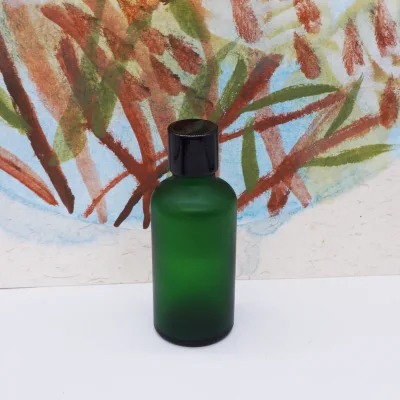
Skincare Cosmetic Red Hair Serum Bottle 100ml
$0.55 - $0.72

Guangzhou Chuanghe Glass Products Co., Ltd.
- Manufacturer, Trading Company
- Guangdong, China
- Lead time7 days
- Avg. response≤ 3h
Main productsGlass Vial,Ampoule,Medical Bottle,Cosmetic bottle,Flip off cap
Main marketsNorth America(25.00%), Western Europe(15.00%), Eastern Europe(10.00%), Mid East(10.00%), Oceania(9.00%), South America(8.00%), Southern Europe(6.00%), Northern Europe(6.00%), Southeast Asia(2.00%), South Asia(2.00%), Domestic Market(2.00%), Eastern Asia(2.00%), Central America(2.00%), Africa(1.00%)
Hebei Laiyan Technology Co., Ltd.
- Trading Company
- Hebei, China
- Lead time7 days
- Avg. response≤ 2h
Main productsglass storage jar,glass bottles and jars,plastic bottles and jars,aluminum bottles and tins,caps accessories
Main marketsEastern Europe(20.00%), Eastern Asia(20.00%), Africa(15.00%), Western Europe(10.00%), South America(10.00%), North America(10.00%), Oceania(8.00%), Southeast Asia(5.00%), Mid East(2.00%)

Hebei Shengjin Package Co., Ltd.
- Verified by TUVRHEINLAND
- Manufacturer/Factory
- China Hebei
- Lead time0 days
- Avg. response≤ 3h
Main productsGlass Bottle, Cosmetic Bottle, Perfume Bottle, Dropper Bottle, Pill Bottle
Main marketsSouth America,Eastern Europe,Mid East,North America,Southeast Asia,Eastern Asia,Oceania,Western Europe,Africa

Custom Color 30ml Cosmetic Dropper Essential Oil Bottle for Personal Care
$0.05 - $0.12
MOQ: 10000 Pieces

Cosmetic Packaging Small Cosmetic Glass Amber Clear Essential Oil Bottle with Brush Lid
$0.10 - $0.20
MOQ: 10000 Pieces


OLILA (GUANGZHOU) COSMETIC PACKAGE CO., LTD.
- Verified by TUVRHEINLAND
- Trading Company
- China Guangdong
- Lead time23 days
- Avg. response≤ 5h
Main productsPerfume Bottles, Diffuser Bottle, Perfume Bottle Caps, Cosmetic Packaging, Essential Oil Bottle
Main marketsSoutheast Asia/ Mideast

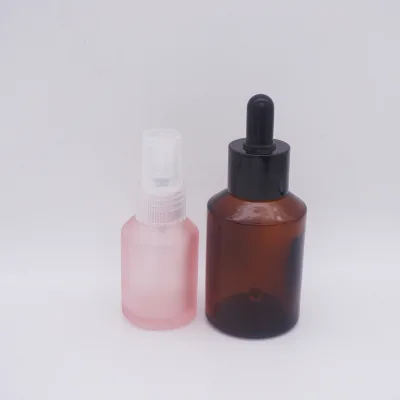
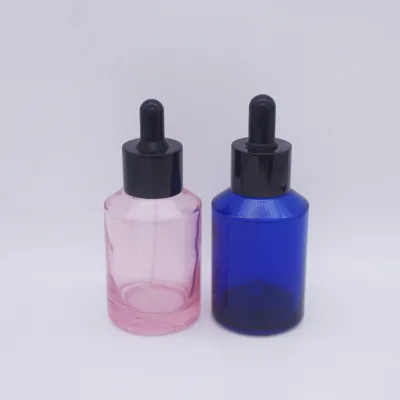
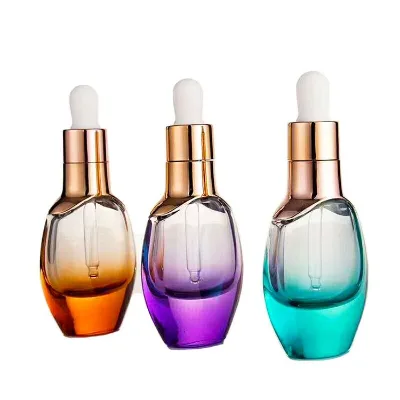
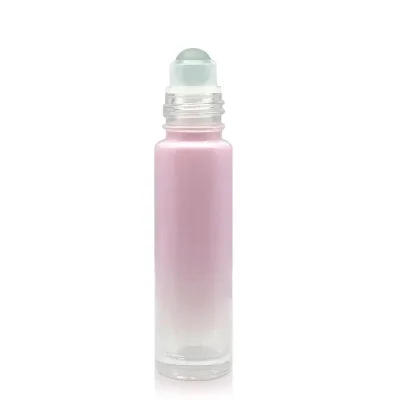
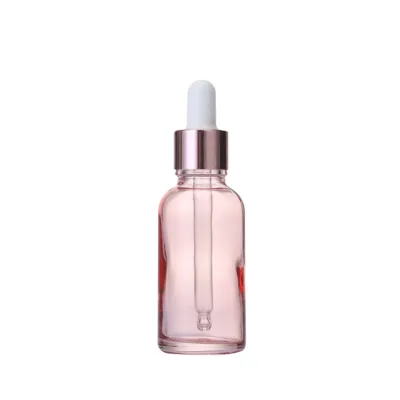
Gradient Pink Dropper Bottle Glass Cosmetic Package Essential Oil Dropper Bottle
$0.25 - $0.39
MOQ: 10000 Pieces

Wholesale Gradient Pink Dropper Bottle Glass Cosmetic Package Essential Oil Dropper Bottle
$0.08 - $0.28
MOQ: 10000 Pieces
Hefei Max Import And Export Trading Co., Ltd.
- Trading Company
- Anhui, China
- Lead time0 days
- Avg. response≤ 7h
Nanning Yuebo Packaging Solutions Co., Ltd.
- Verified by Intertek
- Trading Company
- Lead time30 days
- Avg. response≤ 2h
Main productsGlass Bottle, Glass Jar, Perfume Bottle, Medicine Bottle, Cosmetic Bottle
Main marketsNorth America(20%), Southeast Asia(20%), South America(8%)
$0.13 - $0.20
MOQ: 5000 pieces
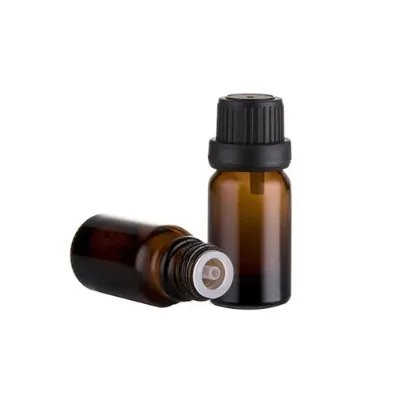
$0.09 - $0.30
MOQ: 5000 pieces
Xuzhou Lingpai Packaging Products Co., Ltd.
- Verified by TüVRheinland
- Trading Company
- Lead time20 days
- Avg. response≤ 5h
Main productsGlass Bottles, Glass Jars, Laboratory Glassware, Perfume Bottle, Glass Craft
Main marketsSouth America(15%), Southeast Asia(15%), North America(10%)
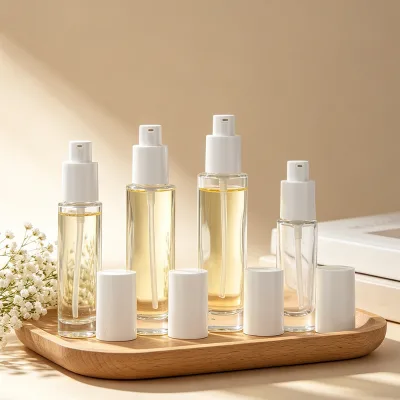
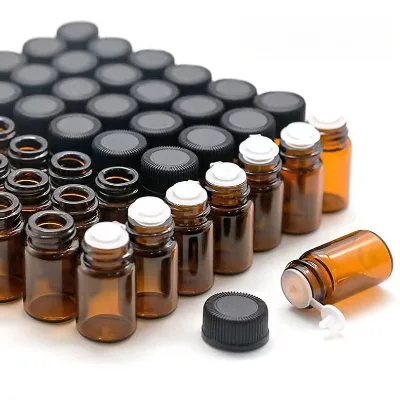
New Type Essential Oil Bottle Two ml Bottles Essential Oils Bottle Glass 5ml
$0.03 - $0.20
MOQ: 100 pieces
HONG KONG AQUIMAN TRADING CO., LIMITED
- Verified by SGS Group
- Trading Company
- Lead time10 days
- Avg. response≤ 2h
Main productsCosmetic Packaging, Glass Bottles, Plastic Bottles, Jar, Boxes

GOLD FORTUNE (GUANGDONG) IMPORT & EXPORT CO., LTD.
- Trading Company,Manufacturer/Factory
- China Guangdong
- Lead time23 days
- Avg. response≤ 24h
Main productsCollapsible Aluminium Tube, Laminated Tube, PE Cosmetic Tube, Aluminium and Tinplate Aerosol Can, Hair Colour Chart, Pet/PE Bottle, Packaging Paper Box, Aluminium Bottle, Aerosol Actuator and Valve, OEM Aerosol Products
Main marketsSouth America,Eastern Europe,Mid East,North America,Southeast Asia,Africa

- Verified by CTI
- Trading Company
- China Shanghai
- Lead time23 days
- Avg. response≤ 8h
Main productsGlass Bottle, Bottle, Vodka Glass Bottle, Whisky Glass Bottle, Glass Beer Bottle, Glass Wine Bottle, Beer Bottle, Glass Decanter, Glass Jars, Glass
Main marketsSouth America,Africa,Europe,Australia,North America
Hangzhou Rainbow Packaging Co., Ltd.
- Verified by SGS Group
- Manufacturer, Trading Company
- Lead time30 days
- Avg. response≤ 7h
Main productsGlass Bottle, Plastic Bottle
Main marketsNorth America(33%), South America(15%), Western Europe(12%)
Shijiazhuang Baotou Import And Export Trade Co., Ltd.
- Trading Company
- Hebei, China
- Lead time5 days
- Avg. response≤ 2h
Main productsplastic Bottle,glass Bottle,cream jar,sticker,Paper Box
Main marketsNorth America(50.00%), Oceania(15.00%), South America(10.00%), Eastern Asia(5.00%), South Asia(5.00%), Southeast Asia(5.00%), Northern Europe(2.00%), Western Europe(2.00%), Eastern Europe(2.00%), Southern Europe(2.00%), Africa(1.00%), Mid East(1.00%)

Guangzhou T&E Packaging Co., Limited
- Verified by SGS
- Trading Company,Manufacturer/Factory
- China Guangdong
- Lead time45 days
- Avg. response≤ 6h
Main productsPerfume Bottle, Cosmetic Bottle, Pet Bottle, Glass Bottle, Plastic Bottle, Lotion Pump, Fine Mist Sprayer, Bottle Cap, Closure, Plastic Tube
Main marketsEastern Europe,Mid East,North America,Southeast Asia,Eastern Asia,Western Europe,Africa

Cosmetic Essential Oil Bottle High Quality Cosmetic Amber Glass Bottle with Cap
$0.10 - $0.18
MOQ: 5000 Pieces


Ningbo Kylin Packaging Solutions Co., Ltd.
- Verified by TUVRHEINLAND
- Manufacturer/Factory
- China Zhejiang
- Lead time23 days
- Avg. response≤ 9h
Main productsTrigger Sprayer, Lotion Pump, Fine Mist Sprayer, Plastic Cap, Dropper, Cream Pump, Airless, Glass Bottle, Alum. Bottle, Mini Trigger
Main marketsSouth America,Eastern Europe,North America,Oceania,Western Europe

Cosmetic Packing Essential Oil Bottle Amber Glass Drop Bottle with Dropper
$0.085 - $0.09
MOQ: 10000 Pieces


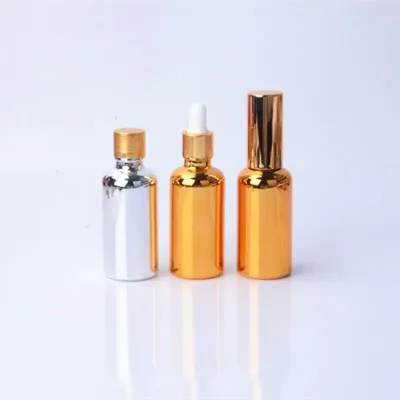
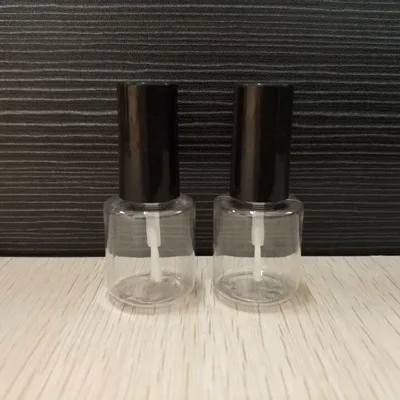
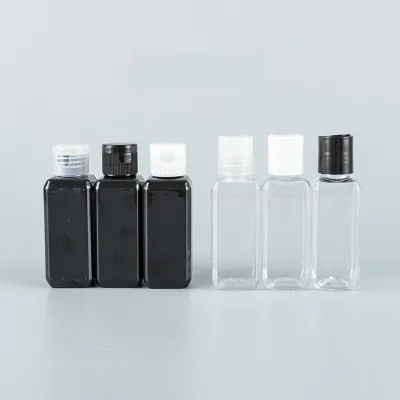
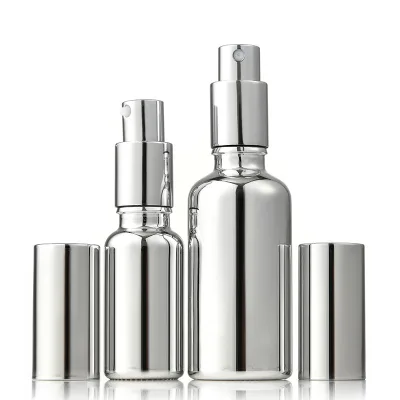




Comprehensive Sourcing Guide
Cosmetic Shiny Essential Oil Bottle Supplier Concentration and Factory Types
The current supplier landscape for cosmetic shiny essential oil bottles reveals a distinct split between trading companies and direct manufacturers, primarily concentrated in specific Chinese provinces. Data indicates that suppliers located in Zhejiang are predominantly trading companies, which often aggregate products from various factories to offer a wider catalog. These entities typically handle the commercial interface, allowing buyers to access diverse packaging options without managing multiple factory relationships directly. In contrast, suppliers in Jiangsu are identified as manufacturers or factories, suggesting a more direct production line for glass and plastic packaging. This geographic and structural division is critical for buyers who need to decide whether they prioritize the breadth of a trading company’s inventory or the direct control and potential cost advantages of a factory source. Understanding this concentration helps in targeting the right type of partner for your specific volume and customization needs.
Factory types also influence the range of materials and finishes available for shiny essential oil bottles. Zhejiang-based suppliers often list main products that include aluminum bottles, plastic jars, and cosmetic packaging, indicating a strong capability in metal and plastic finishing techniques that create shiny surfaces. These suppliers may offer ODM and OEM services, allowing for custom logos and surface treatments like color painting on aluminum. Meanwhile, Jiangsu-based manufacturers focus heavily on glass packaging, including essential oil bottles and cosmetic jars. While glass is inherently less "shiny" in the metallic sense, these manufacturers offer options like engraved designs and transparent finishes that can be perceived as luxurious. The distinction between metal/plastic trading companies and glass manufacturers dictates the aesthetic and functional possibilities for your product, requiring buyers to align their material preference with the correct supplier type to ensure quality and consistency in the final shiny appearance of the bottle.
How to Verify Cosmetic Shiny Essential Oil Bottle Suppliers
Verification is the first step in ensuring that a supplier can deliver high-quality cosmetic shiny essential oil bottles that meet your brand’s standards. Buyers should prioritize suppliers who hold recognized third-party verifications, as these provide an objective assessment of the company’s operational integrity. For instance, some suppliers in the current results are verified by BV, while others hold SGS or TÜV Rheinland certifications. These verifications often cover aspects like business legitimacy, production capacity, and quality management systems. Additionally, system certifications such as ISO 9001, ISO 14001, and TS 16949 are critical indicators of a manufacturer’s commitment to standardized processes. These certifications suggest that the factory has established protocols for quality control, environmental management, and potentially automotive-grade precision, which can translate to higher consistency in cosmetic packaging. Buyers should request copies of these certificates and verify their validity through the issuing bodies to avoid relying solely on self-declared claims.
Beyond certifications, buyers must verify the supplier’s response capabilities and production transparency. Response time is a key metric for assessing communication efficiency; for example, some suppliers show response times around 6.99 hours, while others may take longer. A faster response time often correlates with better customer service and quicker resolution of issues during the sampling and production phases. Furthermore, buyers should inquire about the supplier’s R&D capacity, particularly if they require custom designs. Suppliers with ODM capabilities can offer innovative solutions for shiny finishes, such as specialized coatings or unique bottle shapes. It is also advisable to ask for recent production videos or detailed photos of the shiny bottles to assess the actual finish quality. This visual evidence can reveal the uniformity of the coating, the clarity of the glass, or the precision of the aluminum molding, providing a tangible measure of the supplier’s technical proficiency before committing to a large order.
What to Compare Across Cosmetic Shiny Essential Oil Bottle Suppliers
When evaluating multiple suppliers for cosmetic shiny essential oil bottles, comparing key operational metrics is essential to find the best fit for your business. Lead time is a critical factor, especially for brands with tight launch schedules. Some suppliers offer lead times as short as 15 days, which is advantageous for rapid restocking or quick market entry, while others may require 30 days or more. This difference can significantly impact your inventory planning and cash flow. Additionally, Minimum Order Quantity (MOQ) varies widely among suppliers. For instance, some manufacturers have MOQs as low as 1,000 units for aluminum bottles, making them suitable for startups or small batches, whereas others may require 20,000 or 30,000 units for glass bottles. Buyers should align their MOQ expectations with their sales volume to avoid excessive inventory costs or production delays. Comparing these two metrics helps in identifying suppliers who can accommodate your specific scale and timing requirements.
Price and customization options are also vital comparison points. The price range for cosmetic shiny essential oil bottles can vary based on material, size, and finishing complexity. For example, aluminum bottles may range from $0.28 to $1.00 per unit, while glass bottles can be as low as $0.06 to $0.37 per unit. Buyers should request detailed quotes that include all costs, such as mold fees for custom designs or surface treatments like color painting. Customization availability is another key differentiator; some suppliers offer full ODM/OEM services, allowing for custom logos, neck sizes, and cap types, while others may only offer standard products. Additionally, buyers should compare the supplier’s main product focus. A supplier specializing in aluminum and plastic packaging may offer better options for shiny metal finishes, while a glass-focused supplier may excel in transparent or amber glass options. By systematically comparing lead times, MOQs, prices, and customization capabilities, buyers can make an informed decision that balances cost, quality, and operational efficiency.
Common Cosmetic Shiny Essential Oil Bottle Sourcing Risks
One of the primary risks in sourcing cosmetic shiny essential oil bottles is the inconsistency in finish quality, particularly for aluminum and plastic products. Shiny surfaces, such as color painting or metallic coatings, are susceptible to defects like uneven application, scratching, or peeling during transit. Buyers must ensure that suppliers have robust quality control processes to mitigate these risks. For glass bottles, the risk often lies in breakage and chipping, especially if the packaging is not adequately protected. Suppliers should use standard export cartons or pallets to minimize damage, but buyers should still verify the packing details. Additionally, the risk of color mismatch is significant, as the shiny finish must match the brand’s exact color specifications. Buyers should request physical samples to verify the color and finish before approving mass production, as digital images can be misleading. This step is crucial to avoid receiving batches that do not meet the brand’s aesthetic standards.
Another common risk is the discrepancy between the quoted lead time and the actual delivery date. Suppliers may underestimate production times due to high order volumes or supply chain disruptions, leading to delays that can impact product launches. Buyers should communicate clearly about their deadlines and ask for a detailed production schedule. Furthermore, there is a risk of hidden costs, such as mold fees for custom designs or additional charges for specific surface treatments. Buyers should ensure that all costs are included in the initial quote to avoid unexpected expenses. Additionally, the risk of intellectual property infringement exists if the supplier uses unauthorized designs or logos. Buyers should sign clear contracts that protect their IP and specify penalties for non-compliance. By proactively addressing these risks through careful supplier selection, clear communication, and thorough contract terms, buyers can minimize potential issues and ensure a smooth sourcing process for their cosmetic shiny essential oil bottles.
Cosmetic Shiny Essential Oil Bottle Regional Sourcing and Logistics
Sourcing cosmetic shiny essential oil bottles from China offers access to established manufacturing clusters, but buyers must consider the logistical implications of these locations. Suppliers in Zhejiang are often trading companies that aggregate products from various factories, which can simplify the sourcing process but may add layers to the supply chain. This region is known for its expertise in metal and plastic packaging, making it a hub for shiny aluminum and plastic bottles. On the other hand, suppliers in Jiangsu are typically manufacturers specializing in glass packaging. This region’s focus on glass production means that buyers sourcing shiny glass bottles may find more direct factory relationships and potentially lower costs. However, the distance between these regions and major ports can affect shipping times and costs. Buyers should evaluate the proximity of the supplier to the port of export to minimize inland transportation expenses and reduce the risk of delays.
Logistics planning is crucial for ensuring that the cosmetic shiny essential oil bottles arrive in perfect condition. For aluminum and plastic bottles, the risk of denting or scratching is higher, so buyers should specify sturdy packaging requirements. Glass bottles, while more fragile, can be protected with adequate cushioning and palletization. Buyers should also consider the volume and weight of the shipment, as this affects freight costs. Consolidating orders from multiple suppliers in the same region can reduce shipping costs and simplify customs clearance. Additionally, buyers should verify the supplier’s experience with international shipping and their ability to handle export documentation. Some suppliers may offer FOB or CIF terms, which determine who is responsible for the shipping costs and risks. Understanding these logistics details helps buyers plan their supply chain more effectively and avoid unexpected costs or delays in receiving their cosmetic shiny essential oil bottles.
Cosmetic Shiny Essential Oil Bottle Commercial Terms and Order Planning
Commercial terms and order planning are essential for managing the financial and operational aspects of sourcing cosmetic shiny essential oil bottles. Buyers should negotiate clear payment terms, such as a deposit followed by the balance upon shipment, to protect their interests. It is also important to specify the Incoterms, such as FOB or CIF, to define the responsibilities of both parties regarding shipping and insurance. For custom orders, buyers should clarify the mold ownership and any associated fees. Some suppliers may charge a one-time mold fee, which can be waived for large orders. Additionally, buyers should establish a clear quality acceptance criteria, including acceptable defect rates and procedures for handling non-conforming goods. This ensures that any issues are resolved promptly and fairly, minimizing the impact on the business.
Order planning should also account for the supplier’s production capacity and lead times. Buyers should place orders well in advance of their launch dates to accommodate any potential delays. For repeat orders, buyers can establish a standing order agreement to streamline the process and secure better pricing. It is also advisable to maintain a buffer stock of cosmetic shiny essential oil bottles to mitigate the risk of supply chain disruptions. Buyers should regularly review their inventory levels and adjust their orders based on sales data and market trends. Additionally, buyers should consider the supplier’s ability to scale production up or down based on demand fluctuations. A flexible supplier can help buyers manage their inventory more efficiently and reduce the risk of overstocking or stockouts. By carefully planning commercial terms and order volumes, buyers can build a resilient and cost-effective supply chain for their cosmetic shiny essential oil bottles.
FAQs
What is the price range for cosmetic aluminum bottles?
Cosmetic aluminum bottles are priced between $0.28 and $1.00 per unit. This range depends on the specific customization, surface treatment, and cap type selected. Buyers should verify the exact quote based on their required neck size and order volume to ensure accurate budgeting for their packaging needs.
What is the minimum order quantity for aluminum bottles?
The minimum order quantity for aluminum bottles varies by supplier, typically starting at 1,000 units or 3,000 units. These thresholds ensure cost-effective production runs. Buyers must confirm the specific MOQ with the supplier before placing an order to align with their inventory requirements and financial planning.
How long does it take to produce aluminum bottles?
Production lead times for aluminum bottles are generally around 30 days. This timeframe allows for material sourcing, manufacturing, and quality checks. Buyers should plan their supply chain accordingly and confirm the exact delivery schedule with the supplier to avoid delays in their product launch timelines.
What is the price range for glass essential oil bottles?
Glass essential oil bottles are priced between $0.06 and $0.37 per unit. The cost varies based on the bottle shape, capacity, and customization options like engraving. Buyers should request detailed quotes for their specific model numbers to determine the most cost-effective option for their brand.
What is the minimum order quantity for glass bottles?
The minimum order quantity for glass essential oil bottles is typically 20,000 units or 30,000 units. These higher thresholds reflect the manufacturing processes for glass packaging. Buyers with smaller volume needs should verify if suppliers offer lower MOQs or alternative packaging materials to meet their specific requirements.
How quickly do suppliers respond to inquiries?
Supplier response times vary, with some responding within 6.99 hours and others within 9.53 hours. Faster response times indicate active sales teams ready to assist with quotes and samples. Buyers should prioritize suppliers with quicker response rates to streamline their sourcing process and resolve questions efficiently.
Are these suppliers verified for quality assurance?
Suppliers are verified by recognized third-party agencies such as BV, SGS, and TÜV Rheinland. These verifications confirm the company's operational status and compliance with industry standards. Buyers can rely on these credentials to assess the reliability and professionalism of the suppliers before initiating business relationships.