Source Vintage Embossed Reed Diffuser Bottle for Home, Office, and Spa
Compare 30 listings for the Vintage Embossed Reed Diffuser Bottle featuring glass construction, corked sealing, and square or round shapes. Buyers can evaluate options for home fragrance, essential oils, and aromatic applications with capacities ranging from 100 mL to 500 mL.
Updated
Key considerations
Products List
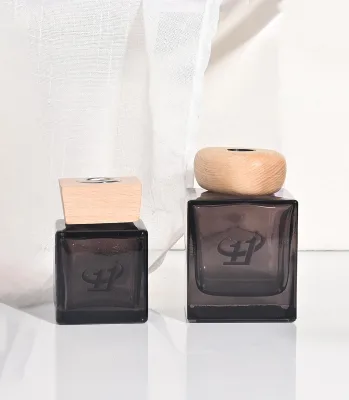
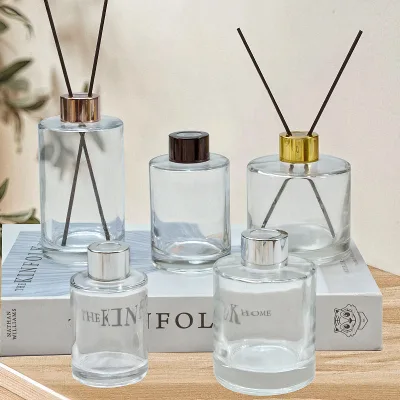


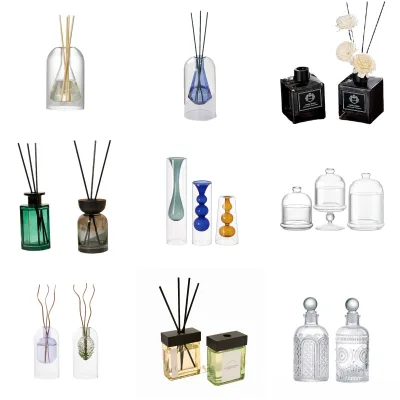
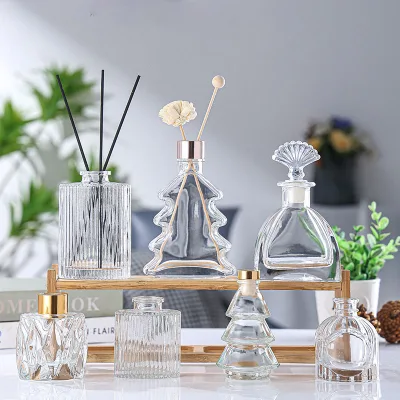
Wholesale 100ml Crreative Clear Glass Empty Car Reed Diffuser Reed Diffuser Bottle Elegant
$0.3088 - $0.5651
MOQ: 100 pieces
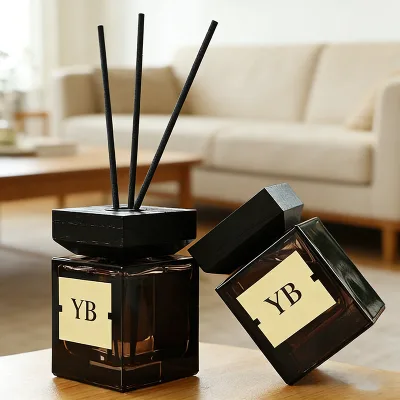
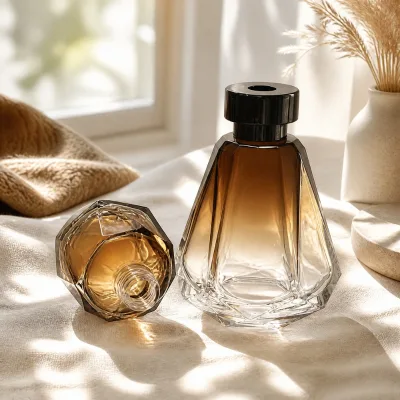
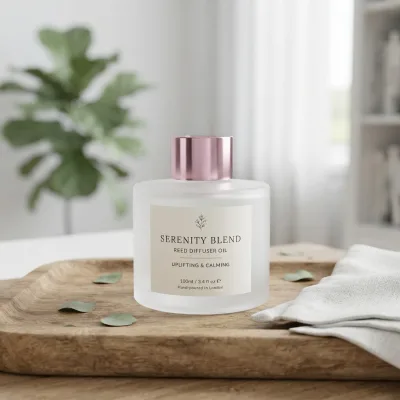


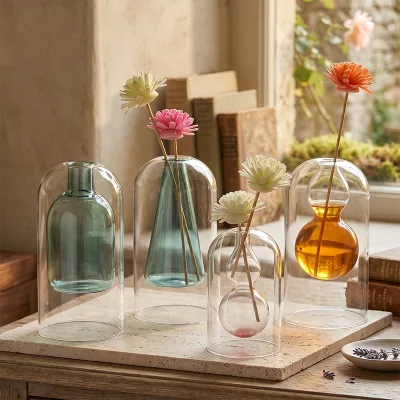
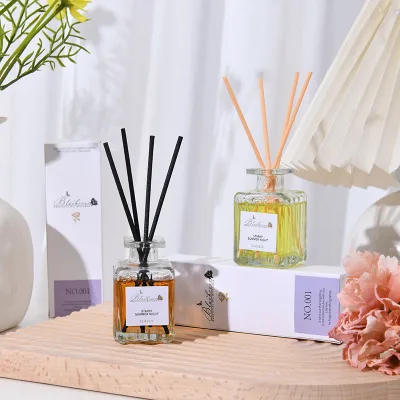
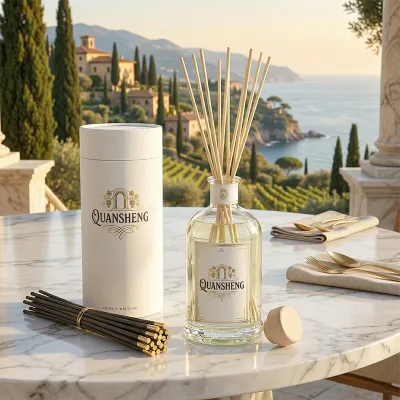
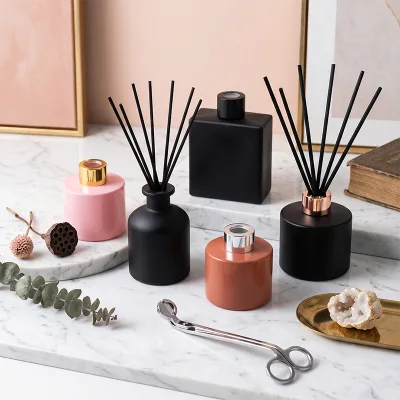
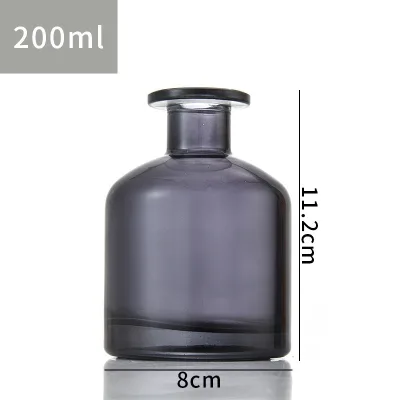



Comprehensive Sourcing Guide
Vintage Embossed Reed Diffuser Bottle Sourcing Guide
Sourcing vintage-style embossed reed diffuser bottles requires a careful balance between aesthetic appeal and functional integrity, particularly when dealing with glass components that must withstand long-term exposure to essential oils. Buyers often seek these decorative vessels for home fragrance applications, where the visual texture of embossed patterns adds a premium feel to the final product. However, the "vintage" label is largely a stylistic descriptor rather than a technical specification, meaning procurement teams must verify that the embossing does not compromise the structural strength of the glass or create crevices that trap dust and impurities.
The primary challenge lies in ensuring that the decorative elements do not interfere with the sealing mechanism or the diffusion process. While the aesthetic value is high, the functional requirements for leak-proof performance and chemical resistance remain critical. Procurement specialists should prioritize suppliers who demonstrate consistent quality in both the glass molding process and the surface finishing, as uneven embossing can lead to weak points in the bottle structure. This dual focus on form and function ensures that the final product meets both marketing expectations and practical usage standards.
Product Scope and Observed Listing Signals
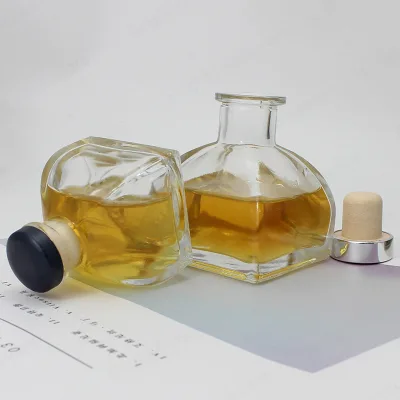
Market observations indicate a diverse range of glass diffuser bottles available from suppliers, primarily originating from Jiangsu, China, with capacities typically ranging from 100 mL to 200 mL. The observed product attributes include square and round shapes, with heights varying from 47mm to 109mm, and weights between 150g and 180g. These variations suggest that buyers can find options that fit specific branding needs, whether they prefer a compact, minimalist design or a larger, more substantial vessel. The presence of "clear" and "transparent" color options allows for the visibility of the liquid level, which is a key feature for consumer convenience.
Additionally, the listings highlight features such as "Stocked" availability and "Customization" options, including logo printing and specific neck types like flanged open necks. The material is consistently identified as glass, with some products noted as recyclable, which aligns with growing sustainability trends in the home fragrance industry. However, it is important to note that not all listed products are leak-proof, particularly those with open neck designs, which requires buyers to carefully select the appropriate sealing type, such as corked closures, to ensure product integrity during shipping and use.
Technical Specifications to Verify
When evaluating technical specifications, buyers must verify the single package dimensions, which have been observed to range from 15x15x20 cm to 20x20x25 cm, depending on the bottle size and protective packaging used. The gross weight per single package is typically around 0.5 kg, which is crucial for calculating shipping costs and warehouse storage requirements. It is essential to confirm the exact capacity of the bottle, as discrepancies between labeled and actual capacity can lead to customer dissatisfaction. Buyers should also check the surface finish, with smooth polished surfaces being a common attribute that enhances the tactile experience and visual appeal of the embossed design.
Furthermore, the neck type is a critical specification, with flanged open necks being a common design that requires compatible reeds and caps. Buyers should verify the compatibility of the neck diameter with standard reed diffuser sticks to ensure proper diffusion rates. The height of the bottle, ranging from 96mm to 109mm in some observations, affects the overall aesthetic and the volume of reeds that can be inserted. It is advisable to request physical samples to test the fit of reeds and caps, as well as to inspect the quality of the embossing for consistency and depth, ensuring that the design meets the desired vintage aesthetic without compromising functionality.
Compliance and Safety Documentation
Compliance and safety documentation are paramount when sourcing glass diffuser bottles, especially those intended for use with essential oils and aromatic products. Buyers should request certification documents such as SGS testing reports to verify that the glass material is free from harmful substances and meets relevant safety standards. Although some listings mention RoHS compliance, this is a low-confidence background fact and should not be assumed without direct verification from the supplier. It is crucial to ensure that the glass used is food-grade if there is any potential for accidental ingestion, although most diffuser bottles are explicitly labeled as non-food-grade.
Additionally, buyers must verify the recyclability of the packaging and the bottles themselves, as sustainability is increasingly important to consumers. The observation that some products are 100% recyclable is a positive attribute, but buyers should confirm the specific recycling codes and instructions provided by the supplier. It is also important to check for any chemical compatibility certifications, ensuring that the glass does not react with the essential oils or fragrances contained within. This due diligence helps mitigate risks associated with product liability and ensures that the final product meets regulatory requirements in the target market.
Cost Drivers and Commercial Terms
Cost drivers for vintage embossed reed diffuser bottles include the complexity of the embossing design, the thickness of the glass, and the volume of the order. Suppliers often offer negotiable MOQs, ranging from 20 to 5000 units, which allows for flexibility in initial orders and scaling up production. The price range observed is between $0.04 and $4.99 per unit, reflecting the wide variation in quality, design, and capacity. Buyers should consider the cost of customization, such as logo printing, which may incur additional fees but can enhance brand recognition and product value.
Commercial terms also play a significant role in the total cost of ownership. Buyers should negotiate for free samples to evaluate quality before committing to large orders, as this reduces the risk of receiving substandard products. The lead time for production and shipping should be clearly defined, as delays can impact inventory levels and customer satisfaction. Additionally, buyers should inquire about the packaging method, with carton and pallet options being common, to ensure that the bottles arrive in good condition. Understanding these cost drivers and commercial terms helps buyers make informed decisions and optimize their procurement strategy.
Supplier Qualification and Quality Control
Supplier qualification is a critical step in ensuring the reliability and consistency of vintage embossed reed diffuser bottles. Buyers should assess the supplier's production capabilities, including their experience with glass molding and embossing techniques. It is advisable to request references or case studies from previous clients to gauge the supplier's reputation and reliability. Quality control processes should be transparent, with suppliers providing detailed information on their inspection procedures, including visual checks for embossing defects and pressure tests for leak-proof performance.
Furthermore, buyers should verify the supplier's ability to handle customization requests, such as specific logo printing and packaging requirements. This involves assessing their design capabilities and production flexibility. It is also important to check the supplier's response time and communication effectiveness, as these factors can impact the overall procurement experience. By conducting thorough supplier qualification and quality control checks, buyers can mitigate risks and ensure a smooth and successful sourcing process for their vintage embossed reed diffuser bottles.
Long-Term Procurement Checks
Long-term procurement checks involve continuous monitoring of supplier performance and product quality to ensure sustained satisfaction. Buyers should establish key performance indicators (KPIs) such as defect rates, on-time delivery, and responsiveness to issues. Regular audits of the supplier's quality control processes can help identify potential problems early and prevent them from affecting the final product. It is also important to stay updated on any changes in regulatory requirements or market trends that may impact the sourcing strategy.
Additionally, buyers should foster a collaborative relationship with their suppliers, encouraging open communication and feedback. This can lead to continuous improvement and innovation in product design and quality. Regularly reviewing the cost structure and negotiating favorable terms can help maintain competitiveness and profitability. By implementing these long-term procurement checks, buyers can build a resilient supply chain that supports their business goals and meets the evolving needs of their customers.
FAQs
Can I customize the Vintage Embossed Reed Diffuser Bottle with my logo?
Yes, customization is available for these glass diffuser bottles. Buyers can request specific printing logos on the clear or transparent glass surface. The design remains plain to highlight the embossed texture. This service allows brands to add their identity while maintaining the classic aesthetic suitable for home fragrance applications.
What is the typical MOQ for ordering these reed diffuser bottles?
The minimum order quantity is negotiable, typically ranging from 20 to 5000 units. This flexibility supports both small trial orders and large bulk purchases. Buyers should confirm the exact MOQ with suppliers based on their specific customization needs and packaging requirements. The flexible terms help accommodate diverse business scales effectively.
Are these glass bottles leak-proof for essential oil storage?
No, these bottles are not leak-proof due to their flanged open neck design. They are intended for use with reeds or wicks rather than sealed storage. The open neck allows for proper capillary action to diffuse fragrances. Buyers should ensure proper handling to prevent spills during transport and initial setup.
What certifications do these diffuser bottles carry for safety?
These products are SGS tested to ensure quality and safety standards. The glass material is recyclable, supporting eco-friendly sourcing goals. While RoHS is noted in background data, the primary verified certification is SGS. Buyers can rely on these tests for compliance in home fragrance applications without additional complex verification steps.
What are the standard capacity options for these diffuser bottles?
Standard capacities include 100 mL and 200 mL options. Some models may also reference 500ml specifications depending on the specific product line. These sizes are suitable for various home fragrance needs. Buyers can select the capacity that best fits their retail packaging and usage requirements for essential oils or aromatic blends.
Where are these vintage embossed bottles manufactured?
These bottles are manufactured in Jiangsu, China. The origin ensures access to established glass production facilities. Buyers can expect consistent quality from this regional feature. The location supports efficient logistics for global shipping. This origin is standard for many glass packaging solutions in the home fragrance industry.
Is a free sample provided for quality verification?
Yes, free samples are provided for quality verification. Buyers can test the glass quality, embossing detail, and neck design before placing bulk orders. This service helps ensure the product meets specific aesthetic and functional requirements. It reduces risk for new buyers establishing a supply chain for their fragrance brands.