Source Rimless Glasses for Computer, Reading, and Optical Use
Compare 30 Rimless Glasses listings from China with varying frame materials like acetate, metal, and titanium. Buyers can evaluate customization options, certifications, and MOQs for computer, reading, and optical applications.
Key considerations
Products List

$36.00 - $58.00
MOQ: 10

$33.00 - $35.00
MOQ: 1 Pieces
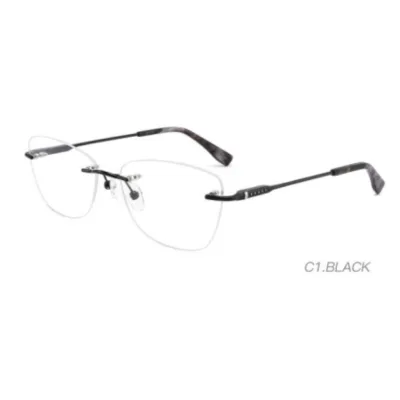


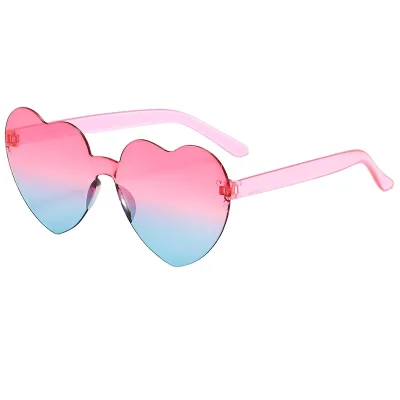


Anti Blue Light Blocking Glasses Rimless Glasses Square Protect Your Eyes
$4.50 - $5.50
MOQ: 15 Pieces


High Quality Men Titanium Rimless Glasses Frames Women Optical Frame Eyeglasses
$9.00 - $10.50
MOQ: 12 Pieces
Comprehensive Sourcing Guide
Strategic Sourcing Guide for Rimless Eyewear Procurement
Understanding Rimless Eyewear Specifications and Construction
When evaluating Rimless Glasses for B2B procurement, the primary focus must be on the structural integrity of the frame and the compatibility of the lens materials. Unlike full-rim or semi-rim designs, rimless eyewear relies entirely on the mechanical strength of the screws and the drilling points to hold the lenses in place. Based on current market observations, the frame materials for these products vary significantly, with acetate, metal, titanium, and super thin alloy stainless steel being the most prevalent options. Acetate frames often provide a specific aesthetic profile, while metal and titanium variants offer superior durability and lightweight characteristics essential for rimless designs.
The lens material is equally critical. Polycarbonate (PC) is frequently observed as the standard lens material for these products, offering high impact resistance which is a safety necessity for rimless constructions. Buyers must verify the specific material composition of each supplier's offering, as the choice between PC and other materials directly influences the product's weight, thickness, and safety rating. The design of the frame also dictates the nose support mechanism. Common configurations include one-piece nose supports, which are standard for many models, though the specific engineering of the bridge area must be scrutinized to ensure comfort and stability.
Product dimensions and sizing are not uniform across the category. Specifications such as 55-17-140 indicate a standard measurement format for lens width, bridge width, and temple length, but these figures vary by model. Procurement teams should not assume a single size fits all applications. Instead, they must request detailed size charts for each model number, such as 633753, 943606, or 6212, to ensure the inventory matches the target demographic's face shape requirements. The "all" face shape match attribute suggests versatility, but technical verification is required to confirm the actual fit for specific customer segments.
Compliance Standards and Certification Verification
In the eyewear industry, particularly for rimless designs, compliance with international safety and quality standards is non-negotiable. Rimless Glasses undergo significant stress at the drilling points where the lenses are attached, making certification a vital indicator of product safety. The market data indicates that suppliers often cite FDA and CE certifications as standard compliance markers. Some advanced listings also reference ISO standards, specifically ISO En 14889: 2003, which relates to personal eye protection, and UV400 protection claims.
Buyers must treat these certifications as verification points rather than automatic guarantees. The presence of a "CE FDA" or "FDA, CE ISO" label on a product page suggests the manufacturer has undergone testing, but the specific scope of that testing must be confirmed. For instance, UV400 protection is a critical feature for optical glasses, ensuring that the lenses block harmful ultraviolet radiation up to 400 nanometers. Procurement teams should request copies of the actual test reports or certificates of conformity from the supplier to validate these claims. Relying solely on the product description without documentary evidence poses a significant risk, especially when importing goods into regulated markets like the European Union or the United States.
Furthermore, the origin of the product plays a role in compliance. The majority of the observed Rimless Glasses originate from China, specifically from manufacturing hubs like Zhejiang and Wenzhou. While these regions have a mature supply chain for eyewear, the regulatory environment and the rigor of local testing can vary. Buyers should ensure that the supplier's quality management system aligns with the standards required by their destination market. The "Standard" attribute in product listings often lists the specific norms the product claims to meet, such as "203816" or specific ISO numbers. These values must be cross-referenced with the actual product documentation to ensure accuracy.
Cost Drivers and Minimum Order Quantity Analysis
The pricing structure for Rimless Glasses is influenced by several variables, including material selection, customization complexity, and order volume. The observed price range in the market spans from $0.55 to $58 USD, a wide disparity that reflects the difference between basic commodity models and premium, highly customized designs. The lower end of the spectrum typically corresponds to standard metal or alloy frames with minimal branding, while the higher end often involves titanium frames, complex customization, or specialized lens treatments.
Minimum Order Quantity (MOQ) is another critical cost driver. The market data shows an MOQ range from 1 piece to 1200 pieces, with common thresholds observed at 6 pieces per color, 300 pieces, or even higher for specific custom runs. A supplier listing an MOQ of 6 pieces per color suggests a flexibility suitable for small retailers or testing new designs. Conversely, an MOQ of 300 pieces indicates a focus on bulk wholesale where unit costs are significantly reduced. Buyers must align their inventory strategy with these thresholds. Ordering at the lower end of the MOQ range may result in a higher per-unit cost, while exceeding the threshold can unlock better pricing tiers.
Customization is a significant factor in cost escalation. The availability of customized logos and specific color options adds value but also increases the production complexity. Suppliers offering "Accept Customized Logo" or "Logo: Can Be Customized" services often have different pricing structures for the first run versus subsequent reorders. The packaging requirements also impact the final cost. Options range from simple polybag packaging to more elaborate inner boxes and cartons, such as "1PC/Polybag, 12PCS/Inner Box, 300PCS/Carton." The choice of packaging affects the shipping volume and weight, which in turn influences logistics costs. Buyers should calculate the total landed cost, including packaging and shipping, rather than focusing solely on the unit price.
Typical Applications and Target Demographics
Rimless Glasses serve a diverse range of applications, from everyday fashion to specialized optical needs. The product attributes indicate that these glasses are suitable for computer use, reading, and general optical correction. The "Usage" field often lists multiple applications, such as "For Computer Glasses" or "For Reading Glasses, For Optical," suggesting that the lenses can be fitted with various prescriptions. This versatility makes Rimless Glasses a staple in both optical retail and fashion eyewear markets.
The target demographic for rimless eyewear is broad, with many products marketed as suitable for "Unisex," "Women," or "All" face shapes. The design aesthetic, often described as "Fashion" or "Metal Rimless Glasses," appeals to consumers seeking a lightweight and unobtrusive look. The color options, ranging from black and gold brown to silver blue and purple red, allow for customization to match different fashion trends. The "Face Shape Match: all" attribute suggests a universal design philosophy, but buyers should verify this with physical samples, as the fit can vary based on the specific nose support and temple length.
For B2B buyers, understanding the end-user application is crucial for inventory planning. Optical shops may prioritize models with high prescription compatibility and durability, while fashion retailers may focus on color variety and trendy designs. The "Single-focal Lens" type indicates that these are primarily for distance or reading correction, but the ability to customize lenses means they can be adapted for progressive or bifocal needs. Buyers should ensure that the supplier can accommodate the specific lens requirements of their customer base, including lens thickness and coating options.
Supplier Evaluation and Quality Control Protocols
Evaluating suppliers for Rimless Glasses requires a rigorous approach to quality control, given the structural vulnerabilities inherent in the design. The drilling points on the lenses are the most common failure points, making the precision of the manufacturing process paramount. Buyers should request detailed information on the supplier's quality control procedures, including how they test for lens durability and frame stability. The presence of certifications like CE and FDA is a positive indicator, but it should be complemented by in-house testing protocols.
Supplier location is another factor to consider. The observed data points to manufacturers in Zhejiang and Wenzhou, China, which are established hubs for eyewear production. While these regions offer competitive pricing and established supply chains, buyers should verify the specific factory's capacity and reputation. The "Place of Origin" and "Prod Origin" fields provide this information, but buyers should go beyond the listing and conduct due diligence on the specific facility. This includes checking for consistent production output, adherence to lead times, and the ability to handle custom orders.
Quality control should also extend to the packaging and labeling. The "Prod Packing" specifications, such as "Box" or "1PC/Polybag," must be consistent with the buyer's requirements. Inconsistent packaging can lead to product damage during transit or confusion in the retail environment. Buyers should request samples to verify the quality of the packaging and the accuracy of the labeling, including the presence of required certifications and model numbers. The "Single gross weight" and "Single package size" are also important for logistics planning, ensuring that the shipping costs are accurately calculated.
Long-Term Procurement and Inventory Management Strategies
Sourcing Rimless Glasses is not a one-time transaction but a long-term relationship that requires strategic planning. The variability in model numbers, such as 23C151M, OT181003, and RP319005, indicates a dynamic product line. Buyers should develop a system to track these models and their performance in the market. This includes monitoring sales data, customer feedback, and return rates to identify which models are most successful and which may need to be discontinued.
Inventory management is critical for Rimless Glasses due to the potential for lens breakage and the need for specific replacements. Buyers should maintain a buffer stock of popular models and colors to meet sudden demand spikes. The "Selling Units" attribute, often listed as "Single item," suggests that the product is sold individually, but the packaging may be in bulk. Buyers should clarify the unit of measure for reordering to avoid confusion. Additionally, the "Customization" attribute offers an opportunity to build a unique product line, but it requires careful planning to manage the lead times and MOQs associated with custom orders.
Long-term procurement also involves building a relationship with the supplier to ensure consistent quality and pricing. Negotiating volume discounts and securing favorable payment terms can improve the overall profitability of the business. Buyers should also consider the environmental impact of their sourcing decisions, looking for suppliers who use sustainable materials or packaging where possible. The "Frame Material" and "Lenses Material" attributes provide insight into the sustainability profile of the product, with options like titanium and acetate offering different environmental footprints.
Comparative Analysis of Rimless Frame Materials
To assist buyers in making informed decisions, the following table compares the key characteristics of the most common frame materials observed in the Rimless Glasses market. This comparison is based on the provided product attributes and general industry knowledge regarding material properties.
| Frame Material | Key Characteristics | Typical Applications | Durability Notes |
|---|---|---|---|
| Acetate | Rich colors, hypoallergenic, heavier than metal | Fashion, casual wear | Moderate; prone to scratching |
| Metal | Lightweight, strong, versatile finishes | Everyday, optical | High; requires careful handling |
| Titanium | Extremely lightweight, corrosion-resistant, premium feel | High-end, sensitive skin | Very High; excellent longevity |
| Super Thin Alloy Stainless Steel | Strong, thin profile, cost-effective | Budget-friendly, unisex | High; good balance of strength and weight |
This comparison highlights that the choice of material should align with the target market's expectations for comfort, style, and price point. Titanium and super thin alloy stainless steel are particularly well-suited for rimless designs due to their strength-to-weight ratio, which minimizes the risk of frame failure. Acetate offers a different aesthetic but may require more careful handling to prevent damage. By understanding these material differences, buyers can curate a product line that meets the diverse needs of their customers while maintaining high quality standards.
FAQs
What certifications do Rimless Glasses typically have?
Many Rimless Glasses listings include FDA and CE certifications, with some also referencing ISO En 14889: 2003 standards. Buyers should verify these claims by requesting actual test reports or certificates of conformity to ensure the products meet safety requirements for their specific destination market.
Which frame materials are common for rimless designs?
Common frame materials include acetate, metal, titanium, and super thin alloy stainless steel. Acetate offers a specific aesthetic, while metal and titanium variants provide superior durability and lightweight characteristics essential for the structural integrity of rimless constructions.
Can I customize the logo on these glasses?
Yes, most suppliers accept customized logos for Rimless Glasses. This service adds value but increases production complexity, so buyers should clarify pricing structures for custom runs and verify minimum order quantities before placing an order.
What is the typical minimum order quantity for these products?
The minimum order quantity ranges from 1 piece to 1200 pieces, with common thresholds at 6 pieces per color or 300 pieces. Lower MOQs suit small retailers testing designs, while higher thresholds unlock better pricing tiers for bulk wholesale.
Where are these Rimless Glasses typically manufactured?
The majority of observed Rimless Glasses originate from China, specifically from manufacturing hubs like Zhejiang and Wenzhou. Buyers should verify the specific factory's capacity and reputation, as regulatory environments and testing rigor can vary within these regions.
How are these glasses packaged for shipping?
Packaging options range from simple polybags to elaborate inner boxes and cartons, such as 12 pieces per inner box. The choice of packaging affects shipping volume and weight, so buyers should calculate total landed costs including packaging and logistics.
What lens material is used for Rimless Glasses?
Polycarbonate is frequently observed as the standard lens material, offering high impact resistance which is a safety necessity for rimless constructions. Buyers must verify the specific material composition as it directly influences the product's weight, thickness, and safety rating.
Can these glasses be used for computer and reading?
Yes, the usage field often lists multiple applications including computer glasses and reading glasses. This versatility makes them suitable for optical retail and fashion markets, though buyers should confirm lens prescription compatibility for their specific customer needs.