Source Ring Bezel Tray for Food, Mining, and Special Truck Uses
Find and compare 30 Ring Bezel Tray options for food service, geological exploration, and special truck applications. Evaluate materials like plastic and stainless steel, check certifications, and review customization features to select the right supplier for your specific industrial or commercial needs.
Key considerations
Products List


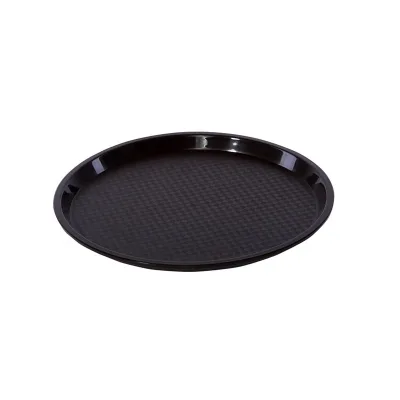


$35.00 - $45.00
MOQ: 500 Square Meters


$3.50 - $4.50
MOQ: 500 Pieces


Comprehensive Sourcing Guide
Ring Bezel Tray Sourcing Guide
Sourcing ring bezel trays requires a nuanced understanding of the diverse industrial applications these components serve, ranging from precision jewelry display to heavy-duty industrial core drilling. The term "Ring Bezel Tray" often intersects with specialized packaging, storage, and handling solutions, where the primary function is to secure circular or round items against movement, damage, or contamination. Buyers must distinguish between decorative display trays used in retail environments and functional industrial trays designed for logistics or manufacturing processes. The observed market data indicates a wide variance in product types, including double-faced pallets, round trays, and stainless steel fruit plates, suggesting that the keyword may encompass a broad spectrum of related hardware rather than a single standardized item.
Procurement success depends on aligning the specific physical and material requirements of the tray with the intended use case. For instance, if the application involves food service, materials such as stainless steel or eco-friendly plastics are critical, whereas industrial applications like geological exploration may require hollow, hard tubes or core boxes made from durable plastics. The presence of customization options, such as CAD/3D drawing capabilities and OEM services, allows buyers to tailor these trays to exact dimensional and aesthetic needs. However, this flexibility also introduces complexity in verification, as each customized design must be rigorously checked against the operational demands of the end-user environment.
Product Scope and Observed Listing Signals
The current market landscape for ring bezel trays and related components exhibits significant diversity in form factors and material compositions. Listings indicate the availability of round trays, double-faced pallets, and specialized trays for food, eggs, and even ore mining core drilling. This variety suggests that buyers should not assume a uniform product definition but rather evaluate each supplier’s specific offering against their operational requirements. The observed price range of $0.01 to $10,000 USD reflects this disparity, with lower-cost items likely being simple plastic or paper-based trays and higher-cost items potentially involving complex stainless steel fabrication or heavy-duty industrial designs.
Minimum Order Quantities (MOQ) also vary widely, ranging from single-piece orders to bulk requirements of 1500 units or more, with some listings indicating an MOQ of 10,000 units for specific models. This variance allows for flexibility in procurement strategies, enabling both prototype testing and large-scale production runs. Buyers should note that while some suppliers offer negotiable prices and low MOQs, others may have stricter volume requirements. Understanding these signals helps in identifying suppliers who are best suited for small-batch customization versus those capable of high-volume manufacturing, ensuring that the procurement strategy aligns with budget and inventory constraints.
Technical Specifications to Verify
When evaluating ring bezel trays, verifying the material composition is paramount, as it directly impacts durability, hygiene, and suitability for the intended application. Common materials observed include plastic and stainless steel, each offering distinct advantages. Plastic trays may be lightweight and cost-effective, suitable for food service or light industrial use, while stainless steel options provide superior strength and resistance to corrosion, making them ideal for heavy-duty or sanitary environments. Buyers must confirm the specific grade of stainless steel or the type of plastic used, as these details influence the tray’s lifespan and performance under stress.
Dimensional accuracy and structural integrity are also critical technical specifications to verify. The observed data highlights features such as hollow construction, square or round shapes, and specific load capacities, such as 2T for pallets. For ring bezel trays, this translates to verifying the internal diameter, wall thickness, and overall stability to ensure they can securely hold the intended items without deformation. Additionally, surface treatments and manufacturing processes, such as casting or standard processing, should be confirmed to ensure the tray meets the required aesthetic and functional standards. Customization options, including logo printing and design adjustments, should be clearly defined in the technical specifications to avoid discrepancies in the final product.
Compliance and Safety Documentation
Compliance with relevant standards and certifications is essential, particularly for trays used in food service or industrial applications. The observed market includes products certified under CE, CCC, ISO, RoHS, EMC, FDA, and ISO 9001 standards. For food-related applications, FDA certification is crucial to ensure that the materials used are safe for contact with consumables. Similarly, ISO 9001 certification indicates a robust quality management system, providing assurance that the supplier maintains consistent production standards. Buyers should request copies of these certifications and verify their validity to mitigate risks associated with non-compliant materials or manufacturing processes.
Safety documentation also extends to the structural integrity and load-bearing capabilities of the trays. For industrial applications, such as those involving ore mining or geological exploration, verifying that the trays meet specific safety standards for load capacity and durability is vital. The observed data mentions a security level of "a+" and specific load capacities, which should be cross-referenced with industry-specific safety regulations. Additionally, buyers should ensure that the trays are non-disposable if long-term use is intended, and that they are made from materials that do not pose health or environmental hazards, as indicated by eco-friendly features and RoHS compliance.
Cost Drivers and Commercial Terms
The cost of ring bezel trays is influenced by several factors, including material selection, manufacturing complexity, and customization requirements. Stainless steel trays, for instance, are typically more expensive than plastic alternatives due to higher material costs and more labor-intensive manufacturing processes. Customization, such as OEM branding or specific design modifications, can also increase costs, as it requires additional engineering and production setup. Buyers should request detailed price breakdowns to understand how these factors contribute to the final cost, allowing for more accurate budgeting and cost-benefit analysis.
Commercial terms, including MOQ, lead times, and payment conditions, play a significant role in the overall procurement strategy. The observed data indicates lead times ranging from 3 to 7 days for samples and potentially longer for bulk orders, depending on the complexity of the design. Buyers should negotiate clear delivery schedules and penalty clauses for delays to ensure timely receipt of goods. Additionally, understanding the packing standards, such as standard packaging or individual polybag packing, is important for logistics planning and cost estimation. Transparent communication regarding these terms helps in avoiding unexpected expenses and ensures a smooth procurement process.
Supplier Qualification and Quality Control
Supplier qualification is a critical step in ensuring the reliability and quality of ring bezel trays. Buyers should assess suppliers based on their production capabilities, quality control processes, and past performance. The observed data highlights suppliers with OEM capabilities and customization options, indicating a level of technical proficiency. However, buyers should also verify the supplier’s ability to maintain consistent quality across batches, particularly for customized orders. Requesting samples and conducting thorough inspections before placing large orders is a prudent measure to validate the supplier’s claims and ensure that the products meet the specified requirements.
Quality control measures should be clearly defined and agreed upon with the supplier. This includes specifying inspection criteria, such as dimensional accuracy, material integrity, and surface finish. Buyers should also inquire about the supplier’s defect rate and their process for handling non-conforming products. The observed data mentions free sample availability, which can be leveraged to test the supplier’s responsiveness and quality standards. Establishing a robust quality control framework helps in minimizing risks and ensuring that the procured trays meet the expected performance and safety standards.
Long-Term Procurement Checks
Long-term procurement success depends on establishing a sustainable relationship with suppliers and continuously monitoring performance. Buyers should conduct regular audits and reviews to ensure that suppliers maintain their quality standards and comply with agreed-upon terms. This includes monitoring delivery times, product consistency, and responsiveness to issues. The observed data indicates a focus on customization and OEM services, which suggests that suppliers are capable of adapting to changing buyer needs. However, buyers should remain vigilant and ensure that these capabilities do not come at the expense of quality or reliability.
Additionally, buyers should stay informed about industry trends and regulatory changes that may impact the procurement of ring bezel trays. This includes updates to material safety standards, environmental regulations, and industry-specific requirements. By maintaining a proactive approach to supplier management and staying abreast of market developments, buyers can mitigate risks and ensure that their procurement strategy remains effective and compliant over time. Regular communication with suppliers and feedback loops can also help in identifying areas for improvement and fostering a collaborative partnership that benefits both parties.
FAQs
Can I get customized designs for ring bezel trays?
Yes, customized designs are available for these products. The supplier offers OEM services and allows logo customization to meet specific buyer requirements. This ensures the final product aligns with your unique branding and functional needs.
What certifications do the ring bezel trays hold?
The products hold multiple certifications including CE, CCC, ISO, RoHS, and EMC. Some specific models also carry FDA or EU certifications. These credentials ensure compliance with international safety and quality standards for various applications.
How long is the delivery time for orders?
The standard delivery time ranges from 3 to 7 days. This quick turnaround applies to standard orders, though custom drawing requests may require an additional three days for design preparation before production begins.
What is the minimum order quantity for these trays?
The minimum order quantity is 1 piece for general inquiries. However, specific product models may have a higher MOQ of 10,000 pieces. Buyers should verify the specific requirement for their chosen model number before placing an order.
Which materials are used to manufacture the trays?
The trays are manufactured using plastic and stainless steel materials. These materials are selected for durability and suitability in food applications. The choice of material depends on the specific model and intended usage requirements.
Can the trays be used for food storage?
Yes, the trays are suitable for food and egg usage. They are designed with eco-friendly features and meet relevant food safety standards. This makes them appropriate for commercial food handling and storage applications.
What is the origin of these ring bezel trays?
The products originate from Jiangxi, China. This location is the primary place of origin for the manufacturing process. Buyers can expect standard packaging and shipping protocols from this specific region.