Source Rotating Cube Storage Basket for Kitchen, Office, and Retail
Find 30 verified Rotating Cube Storage Basket options from Chinese manufacturers. Compare metal and stainless steel models with 360-degree rotation, multi-tier designs, and eco-friendly features. View MOQs, weights, and customization availability for your sourcing needs; compare the available evidence and request quotations based on your requirements.
Updated
Key considerations
Products List







Comprehensive Sourcing Guide
Rotating Cube Storage Basket Sourcing Guide
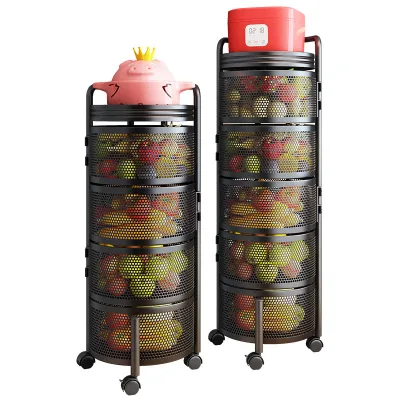
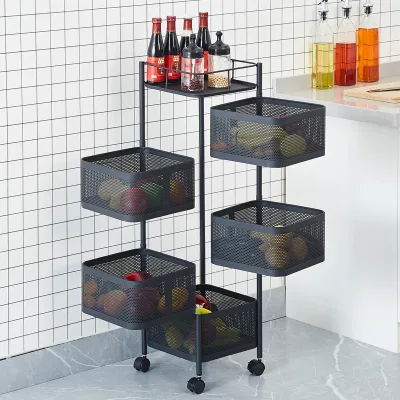
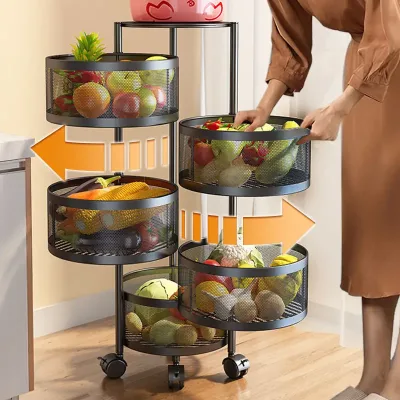
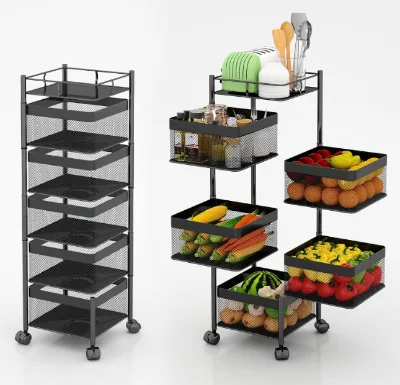
Sourcing rotating cube storage baskets requires a clear understanding of the mechanical and material distinctions available in the current market. Buyers must differentiate between static wire mesh units and dynamic, multi-tier rotating racks that offer 360-degree access. The observed product landscape includes items labeled as "Rotatable Storage Vegetable Fruit Basket" and "360 Degree Rotating Rack," indicating a split between specialized kitchen organizers and general-purpose rotating shelving. Understanding these functional differences is critical for aligning procurement with specific retail or industrial use cases, ensuring the selected product meets the intended ergonomic and spatial requirements.
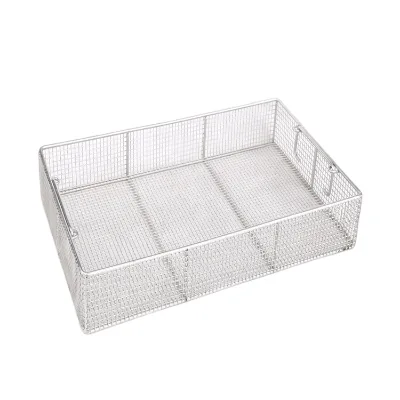
Material composition and origin are primary filters for initial supplier screening. The available data highlights products manufactured from metal, with specific mentions of stainless steel mesh and general metal constructions. Origins are primarily noted in Guangdong and Hebei provinces, suggesting distinct manufacturing ecosystems for different product types. Buyers should verify whether the rotating mechanism relies on welded joints or integrated bearings, as this impacts durability. The presence of "Eco-Friendly" attributes and "Anti-Rust" features suggests a market trend toward corrosion-resistant finishes, which is essential for products intended for humid environments like kitchens or bathrooms.
Product Scope and Observed Listing Signals
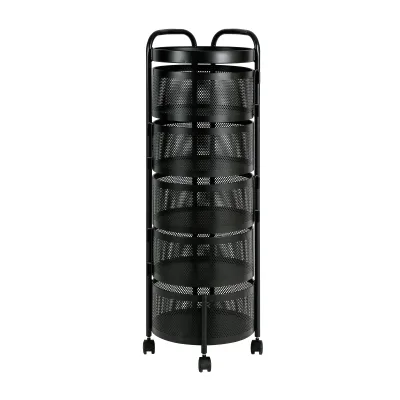
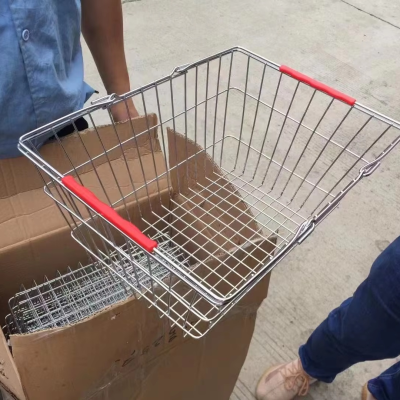
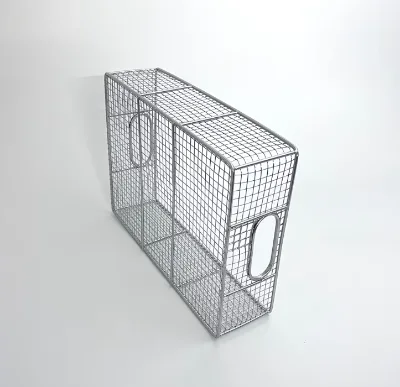
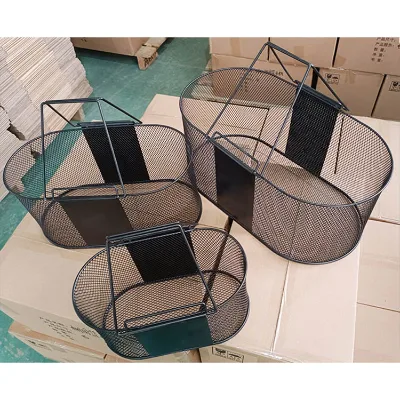
The product scope encompasses a variety of configurations, including three-tier, four-tier, and five-tier options, as well as single-layer mesh baskets. Listings indicate a range of sizes, from small dimensions like 24.7x24.7x11 cm to larger packages measuring up to 95x32x32 cm. This variance suggests that buyers can source compact desktop organizers or larger floor-standing units. The "Cube" designation often refers to the geometric shape of the individual storage compartments, which are typically square or rectangular. Buyers should carefully review the dimensional specifications to ensure the product fits their intended display or storage space, noting that package dimensions may differ significantly from the assembled product size.
Color and style options are limited but distinct, with black, white, and natural color finishes being the most common. The "Classic" and "European Style" descriptors indicate a focus on aesthetic versatility for home or commercial decor. Some products are marketed for specific uses such as weddings, gifts, or food storage, while others are positioned for general sundries, apparel, or tools. The "Folded" attribute for certain mesh baskets highlights logistical advantages, allowing for reduced shipping volume. Buyers should assess whether the rotating feature is a permanent structural element or a modular add-on, as this affects assembly complexity and long-term maintenance requirements.
Technical Specifications to Verify
Dimensional tolerance and weight specifications are critical for quality assurance, particularly for rotating mechanisms that require precise alignment. Observed data indicates a dimensional tolerance of less than ±1mm and a weight tolerance of less than ±1%, which are stringent requirements for ensuring smooth rotation. Buyers must verify that the single gross weight aligns with the material density, noting values such as 3.000 kg and 5.000 kg for different models. The processing method, often welding for metal structures, must be inspected for joint integrity. A robust weld is essential to prevent failure under the rotational stress and the weight of stored items, ensuring the product remains stable during use.
Surface treatment and material grade are key technical factors influencing longevity. Spray treatment is commonly applied to metal baskets to provide a protective coating against rust and wear. For stainless steel mesh products, the buyer should confirm the specific grade of steel to ensure it meets anti-rust claims. The "Customized" standard and available customization options suggest that suppliers can adapt dimensions or finishes to specific client needs. However, buyers should clarify the minimum order quantity for custom specifications, as these may differ from standard stock items. Verifying the single package size is also important for calculating freight costs and warehouse storage efficiency.
Compliance and Safety Documentation
Safety and compliance documentation must be verified to ensure the product meets regional regulatory standards. While specific certification statuses are not explicitly confirmed in the observed data, buyers should request evidence of compliance with relevant safety standards for metal storage products. The mention of ASTM F2057 in background context suggests that certain safety benchmarks may be applicable, particularly if the product is marketed for consumer use. Buyers should inquire about material safety data sheets (MSDS) to confirm that surface treatments and coatings are free from harmful substances, especially for products intended for food or fruit storage.
Quality assurance protocols should include testing for mechanical stability and load-bearing capacity. The rotating mechanism must be tested for smooth operation and resistance to wobbling or jamming under load. Buyers should ask for test reports or inspection certificates that verify the structural integrity of the welded joints and the durability of the surface treatment. It is also important to verify that the product meets any specific labeling requirements for the target market, including material composition labels and care instructions. Ensuring that the supplier has a robust quality control process in place helps mitigate the risk of receiving defective units that could lead to customer complaints or returns.
Cost Drivers and Commercial Terms
Cost drivers for rotating cube storage baskets include material costs, manufacturing complexity, and packaging requirements. The use of stainless steel or specialized metal alloys will significantly impact the base price compared to standard metal constructions. The complexity of the rotating mechanism, including bearings or pivot points, adds to the manufacturing cost. Packaging also plays a role, with options ranging from standard export cartons to plastic foam for added protection. Buyers should analyze the total landed cost, including freight and duties, rather than focusing solely on the unit price, as larger or heavier items may incur higher shipping fees.
Commercial terms such as MOQ and lead times are essential for planning procurement cycles. Observed MOQs range from 1 to 1000 pieces, with some specific listings indicating an MOQ of 10 pieces. This flexibility allows buyers to test the market with smaller orders before committing to larger volumes. Lead times should be confirmed with the supplier, as customizations or high-demand periods may extend production schedules. Payment terms and warranty policies should also be negotiated to protect the buyer's investment. Understanding the cost structure helps in identifying potential areas for negotiation, such as bulk discounts or reduced packaging costs for large orders.
Supplier Qualification and Quality Control
Supplier qualification involves verifying the manufacturer's capabilities and reputation in the rotating storage basket market. Buyers should assess the supplier's production capacity, quality control processes, and ability to meet customization requests. The presence of suppliers in Guangdong and Hebei indicates a concentration of manufacturing expertise in these regions. Buyers should request samples to evaluate the build quality, rotation smoothness, and finish consistency. It is also important to verify the supplier's ability to provide consistent quality across large production runs, ensuring that every unit meets the specified tolerances and performance standards.
Quality control checks should include both pre-production and pre-shipment inspections. Pre-production inspections can verify material quality and initial manufacturing processes, while pre-shipment inspections ensure that the final products meet all specifications. Buyers should define clear acceptance criteria for defects, such as scratches, weld imperfections, or malfunctioning rotating mechanisms. Establishing a communication channel for addressing quality issues is crucial for maintaining a productive supplier relationship. Regular audits or third-party inspections may be necessary for large orders to ensure ongoing compliance with quality standards and to identify any potential improvements in the manufacturing process.
Long-Term Procurement Checks
Long-term procurement success depends on continuous monitoring of supplier performance and market trends. Buyers should track key performance indicators such as on-time delivery rates, defect rates, and responsiveness to issues. Regular feedback loops with the supplier can help identify areas for improvement and strengthen the partnership. Staying informed about new materials, designs, and technologies in the rotating storage basket market can provide competitive advantages. Buyers should also consider the sustainability of the product, evaluating the recyclability of materials and the environmental impact of manufacturing processes.
Adapting to changing customer preferences and regulatory requirements is essential for long-term viability. As consumer demand shifts towards eco-friendly and multifunctional products, buyers should ensure that their suppliers can meet these evolving needs. Regularly reviewing the product portfolio and discontinuing underperforming items can help maintain a competitive edge. Building a diverse supplier base can mitigate risks associated with single-source dependencies. By maintaining a proactive approach to procurement, buyers can ensure a steady supply of high-quality rotating cube storage baskets that meet the needs of their customers and support their business growth.
FAQs
What materials are used for rotating cube storage baskets?
Rotating cube storage baskets are primarily constructed from metal and stainless steel mesh. These materials provide durability and anti-rust properties. Some models feature a classic style with spray surface treatment. The metal construction ensures the baskets remain sturdy while offering eco-friendly storage solutions for various household items.
Can rotating storage baskets be customized for specific needs?
Yes, customization is available for many rotating storage basket models. Buyers can request specific sizes, such as small or XL dimensions, to fit their space. Customized standards and surface treatments like spray coating are also offered. This flexibility allows businesses to tailor the product to specific branding or functional requirements effectively.
What are the typical MOQs for these storage baskets?
The minimum order quantity for these rotating storage baskets starts at 10 pieces. This low MOQ allows buyers to test the product with minimal initial investment. The range typically extends up to 1000 pieces for larger orders. This structure supports both small-scale testing and bulk procurement needs for various commercial applications.
How are the rotating baskets packaged for shipping?
The baskets are packaged in standard export packages, typically using carton boxes. Some descriptions mention plastic foam for additional protection. The single gross weight varies by model, ranging from 3.000 kg to 5.000 kg. This packaging ensures the products arrive safely while maintaining their structural integrity during transit.
What sizes are available for the rotating storage racks?
Available sizes include 3-tier, 4-tier, and 5-tier configurations. Specific dimensions like 95X32X32 cm or 80X30X30 cm are observed. Widths can range from 230mm to 530mm depending on the model. These varied sizes allow buyers to select the optimal storage capacity for their specific space constraints and organizational needs.
Where are these metal storage baskets manufactured?
These rotating storage baskets are manufactured in China, specifically in Guangdong and Anping, Hebei. Guangdong is noted for metal processing, while Anping is known for wire mesh products. This geographic distribution highlights the specialized manufacturing capabilities available for different material types and design requirements in the region.