Source Stackable PP Storage Cabinet for Hospital and Lab Use
Find 30 Stackable PP Storage Cabinet options from China. Compare models like JK-HG05 and ML-PL048 for hospital, school, and research institute needs. View specs, colors, and customization details for your facility; compare the available evidence and request quotations based on your requirements.
Updated
Key considerations
Products List


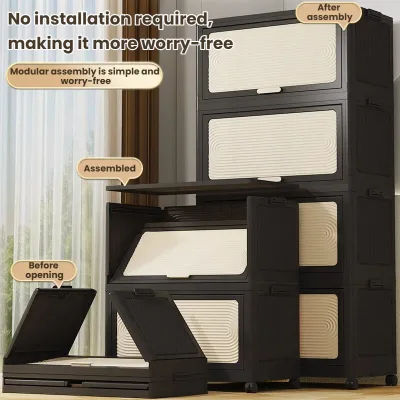
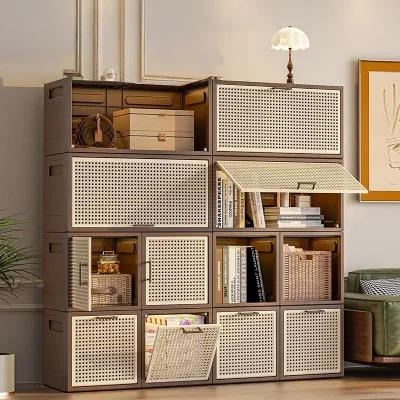
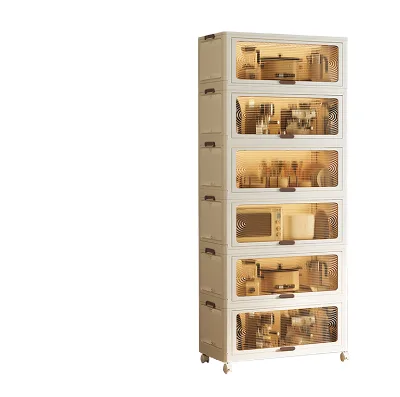


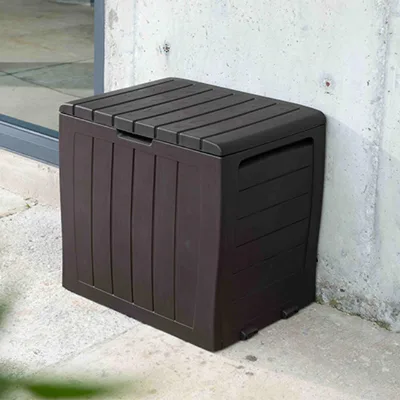
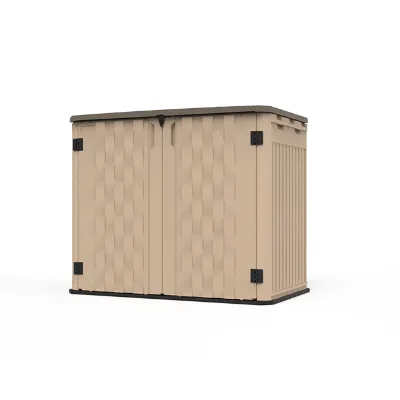
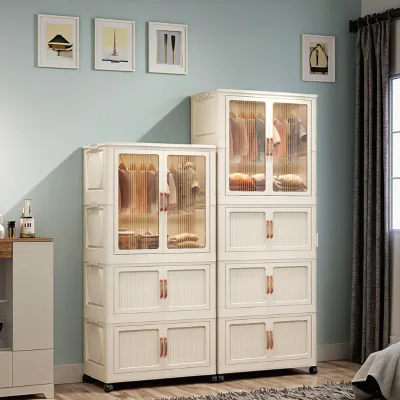
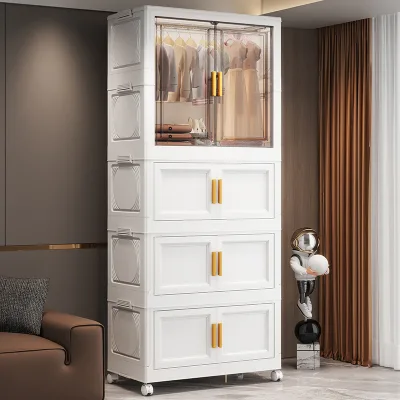
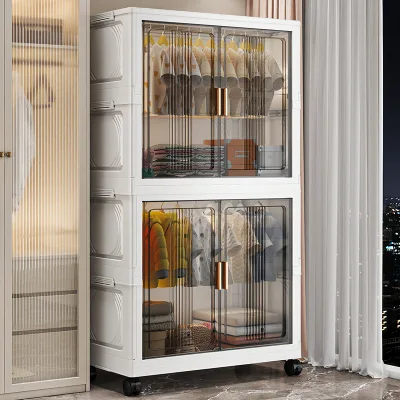
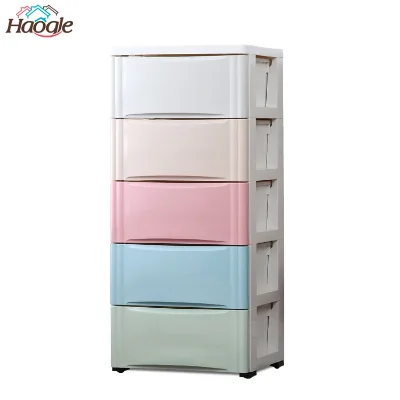
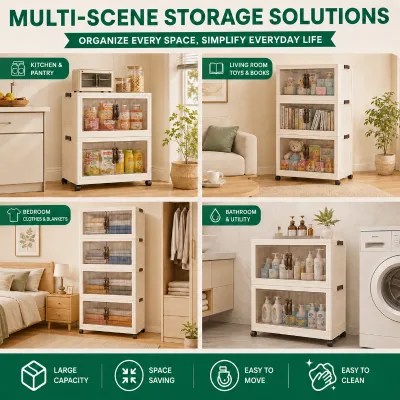


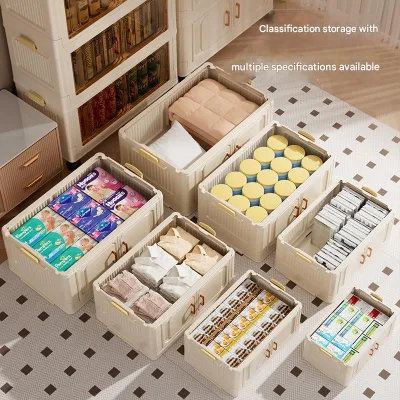
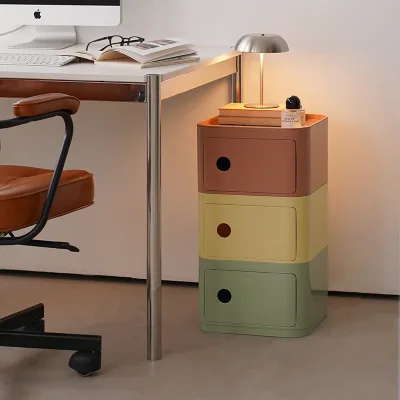
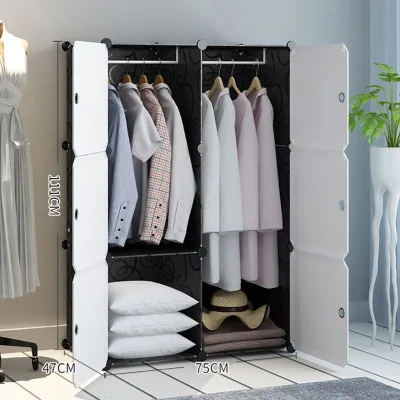
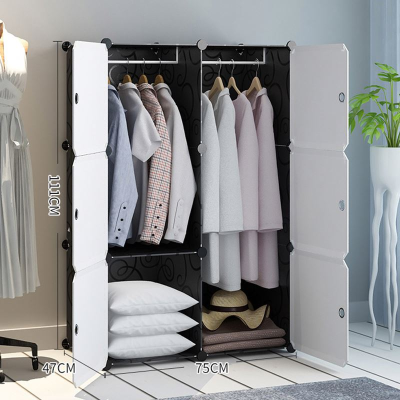
Multi Functional Abs Plastic Storage Circular Cabinet Creative Design Large Capacity Storage Cabinet
$17.3102 - $30.7039
MOQ: 2 Minimum
Comprehensive Sourcing Guide
Stackable PP Storage Cabinet Sourcing Guide
Procuring stackable polypropylene storage cabinets requires a disciplined approach to material verification and structural integrity assessment. Buyers must prioritize cabinets constructed from high-grade PP to ensure resistance to moisture, chemicals, and impact, which are critical for hospital, school, and research institute environments. The observed market data indicates a wide range of customization options, including color variations like grey and white, and specific layer configurations ranging from two to five layers. This variability demands precise specification alignment to avoid functional mismatches in high-traffic or sterile storage areas.
Commercial terms and minimum order quantities vary significantly across suppliers, with observed MOQs starting as low as one unit up to one hundred pieces. This flexibility allows for both trial orders and bulk procurement, but it necessitates careful evaluation of unit pricing against total landed costs. Buyers should also consider the packaging standards, such as five-layer strong cartons or individual packing, to minimize transit damage. Understanding these commercial nuances ensures that the procurement strategy aligns with both budget constraints and logistical capabilities, securing a reliable supply chain for essential storage infrastructure.
Product Scope and Observed Listing Signals
The current market landscape for stackable PP storage cabinets reveals a diverse array of product types, including medicine cabinets and utensil cabinets, catering to distinct operational needs. Listings frequently highlight customization capabilities, allowing buyers to tailor dimensions and features to specific facility requirements. The observed product models, such as #BLP101 and #PM306, suggest a standardized yet adaptable manufacturing base. Buyers should note that while many units are described as new and customized, the specific structural designs, such as assembly versus knock-down formats, vary and must be explicitly confirmed during the sourcing phase to ensure ease of installation and maintenance.
Color and aesthetic options are limited but functional, with grey and white being the predominant choices observed in current listings. These neutral tones are suitable for professional environments like laboratories and companies, where hygiene and visual clarity are paramount. Additionally, some products feature accessories like magnetic doors, enhancing security and ease of access. The presence of modern style designs indicates a shift towards integrating functional storage with contemporary interior aesthetics. Buyers should verify if the specific cabinet model supports the intended usage, whether for packaging, storage, or gift applications, to ensure the product meets the operational context of the purchasing organization.
Technical Specifications to Verify
Verifying the physical dimensions and layer count is essential for ensuring the cabinet fits the designated storage space and meets capacity requirements. Observed specifications include models with two, three, and five layers, each offering different storage densities and accessibility profiles. Buyers must confirm the exact external and internal dimensions, as some listings provide standard sizes while others offer customized dimensions. The structural integrity, particularly for stackable units, depends on the quality of the PP material and the design of the interlocking mechanisms. Ensuring that the cabinet can safely support the weight of stored items without deformation is a critical technical check that should be validated through supplier documentation or sample testing.
Temperature resistance and material durability are key technical factors, with some products rated for temperatures ranging from -10 to 70 degrees Celsius. This range suggests suitability for various environmental conditions, though buyers should verify if the specific PP grade meets the thermal requirements of their storage area. Additionally, the availability of dishwasher-safe options is limited, with some listings explicitly stating that dishwasher cleaning is not available. This impacts maintenance protocols, requiring manual cleaning procedures. Buyers should also check for the presence of specific features like magnetic doors, which can enhance security and convenience, and ensure that the product model number corresponds to the exact technical specifications required for the procurement.
Compliance and Safety Documentation
While specific certification statuses are not uniformly detailed in the observed listings, buyers must request relevant safety and quality documentation from suppliers. For products intended for use in hospitals, schools, or research institutes, compliance with local health and safety regulations is non-negotiable. Buyers should inquire about material safety data sheets to confirm that the PP used is free from harmful additives and meets food-grade or medical-grade standards if applicable. Although EN1186 is mentioned in background contexts, its direct applicability to these specific storage cabinets should be verified with the supplier to ensure it meets the required regulatory framework for the destination market.
Documentation should also cover the manufacturing standards and quality control processes employed by the supplier. Buyers should request evidence of consistent production quality, such as batch testing reports or quality assurance certificates. This is particularly important for customized products, where deviations from standard specifications can occur. Ensuring that the supplier adheres to recognized manufacturing practices helps mitigate risks associated with product failure or safety hazards. Buyers should also verify if the product origin, such as Zhejiang or Luoyang in China, is associated with any specific regional quality benchmarks or export requirements that might impact the procurement process.
Cost Drivers and Commercial Terms
The cost of stackable PP storage cabinets is influenced by several factors, including material quality, customization level, and order volume. Observed price ranges vary widely, reflecting differences in product complexity and supplier pricing strategies. Buyers should analyze the cost per unit in relation to the specified features, such as the number of layers, color options, and additional accessories like magnetic doors. Higher customization levels, such as specific dimensions or branded packaging, may incur additional charges. Understanding these cost drivers helps buyers negotiate better terms and select products that offer the best value for their specific requirements.
Minimum order quantities and payment terms are critical commercial considerations that impact cash flow and inventory management. With MOQs ranging from one to one hundred pieces, buyers have flexibility in ordering, but larger orders may offer better unit pricing. Buyers should also consider the packaging costs and logistics, as some suppliers use standard export packages while others opt for individual packing. These factors can affect the total landed cost and should be factored into the procurement budget. Additionally, lead times and delivery schedules should be clarified to ensure timely receipt of goods, especially for time-sensitive projects in hospitals or research institutes.
Supplier Qualification and Quality Control
Evaluating supplier qualifications is crucial for ensuring a reliable and consistent supply of stackable PP storage cabinets. Buyers should verify the supplier's manufacturing capabilities, including their experience with PP materials and customization processes. Suppliers with a proven track record in producing medical or laboratory-grade storage solutions are preferable, as they are likely to adhere to stricter quality standards. Buyers should also assess the supplier's ability to provide samples for evaluation, allowing for a thorough inspection of material quality, structural integrity, and finish. This due diligence helps mitigate the risk of receiving substandard products that may not meet the operational requirements.
Quality control measures should be clearly defined and agreed upon before placing orders. Buyers should inquire about the supplier's inspection processes, including pre-production samples, in-line inspections, and final random inspections. Establishing clear acceptance criteria for defects, such as cracks, discoloration, or dimensional inaccuracies, ensures that only compliant products are delivered. Additionally, buyers should consider implementing third-party quality inspections for larger orders to provide an independent verification of product quality. This proactive approach helps maintain high standards and reduces the likelihood of disputes or returns, ensuring a smooth procurement process.
Long-Term Procurement Checks
Establishing long-term procurement relationships requires ongoing monitoring of product performance and supplier reliability. Buyers should track the durability and functionality of the cabinets in their actual usage environment, noting any issues related to stacking stability, material degradation, or hardware failure. Regular feedback loops with the supplier can help identify areas for improvement and ensure that future orders meet evolving needs. Additionally, buyers should periodically review market trends and supplier offerings to ensure they are getting the best value and quality. This continuous evaluation helps maintain a competitive edge and ensures that the storage solutions remain effective and efficient over time.
Contractual agreements should include provisions for quality guarantees, replacement policies, and continuous improvement commitments. Buyers should ensure that the supplier is responsive to any post-delivery issues and willing to address defects or performance concerns promptly. Regular audits of the supplier's quality management systems can also help maintain high standards and identify potential risks early. By fostering a collaborative relationship with the supplier, buyers can benefit from innovation and cost-saving opportunities, ensuring that the stackable PP storage cabinets continue to meet the organization's needs effectively and reliably.
FAQs
Can stackable pp storage cabinets be customized for specific lab environments?
Yes, customization is available for these storage units to suit various laboratory settings. The products support customized standards and can be tailored for physics or chemical laboratories. This flexibility allows institutions to adapt the grey-colored cabinets to their specific operational needs and spatial constraints effectively.
What materials are used in the construction of these storage cabinets?
The primary material used is polypropylene, ensuring durability and resistance to common laboratory chemicals. These cabinets are designed for use in hospitals, schools, and research institutes. The polypropylene construction supports the structural integrity required for storing medical supplies and other sensitive items in professional environments.
What are the typical layer configurations for these storage cabinets?
These cabinets are available in multiple layer configurations, including two, three, and five layers. The specific layer count depends on the model selected, such as the BLP101 or JK-HG series. This variety allows buyers to choose the optimal storage density for their specific inventory and space requirements.
Where are these storage cabinets manufactured and shipped from?
These cabinets are manufactured in China, with origins in Zhejiang and Luoyang, Henan. The products are packed in five-layer strong cartons or standard export packages to ensure safe transit. Buyers can expect reliable shipping logistics from these established manufacturing hubs in China for global distribution.
What is the minimum order quantity for these storage cabinets?
The minimum order quantity varies by product, with some items requiring 100 pieces while others allow for lower quantities. The observed MOQ range spans from 1 to 100 units. Buyers should check the specific model details to determine the exact MOQ applicable to their procurement needs and budget.
Are these cabinets suitable for use in living room environments?
Yes, certain models are explicitly designed for living room use, offering a modern style. These units can serve as utensil cabinets or general storage solutions. The design focuses on large capacity and aesthetic appeal, making them versatile for both professional laboratory settings and residential interior spaces effectively.