Source Seven-hole Non-stick Egg Waffle Pan for Cafes, Markets, and Home Kitchens
Find 30 listings for the Seven-hole Non-stick Egg Waffle Pan to compare prices, materials, and features. Buyers can evaluate options including induction bases, PTFE coatings, and various handle types from suppliers in Zhejiang, China.
Key considerations
Products List
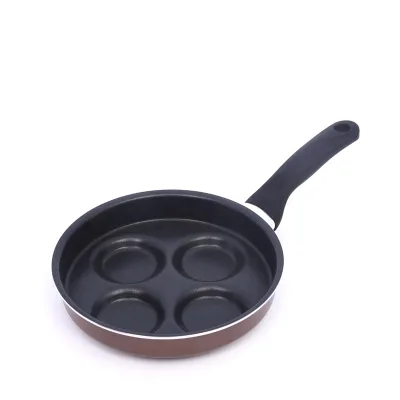
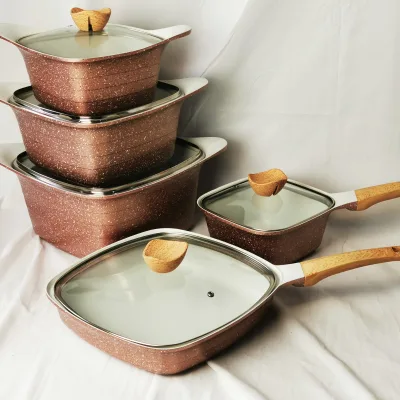
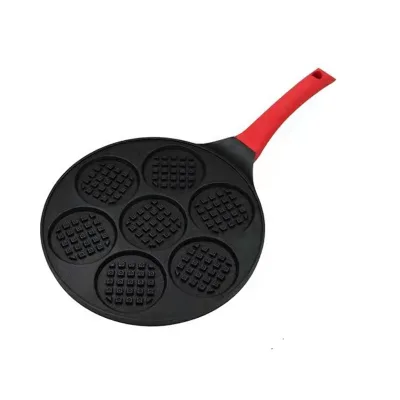
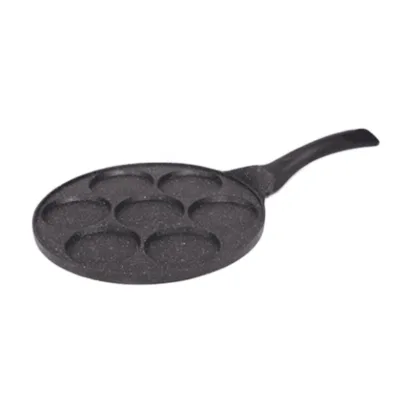
Hot Sale High Quality Aluminum Pancake Pan Non-stick Egg Pan Baking Pan
$2.00 - $6.00
MOQ: 500 Minimum


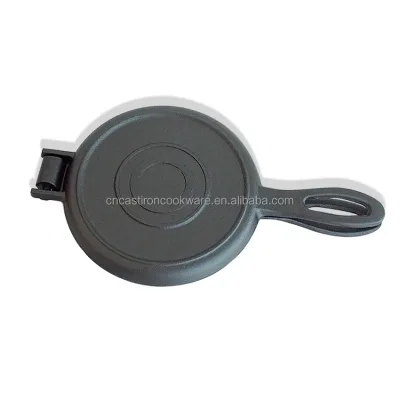


Hot Sale Breakfast Cooker Flat Bottom Cast Iron Egg Pan 4 Holes Baking Pan
$2.54 - $2.57
MOQ: 390 Pieces

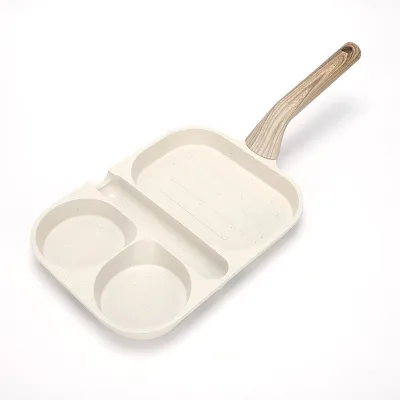
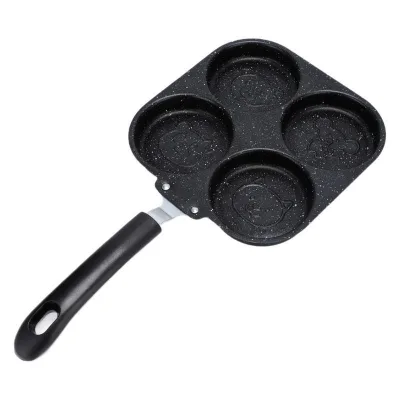
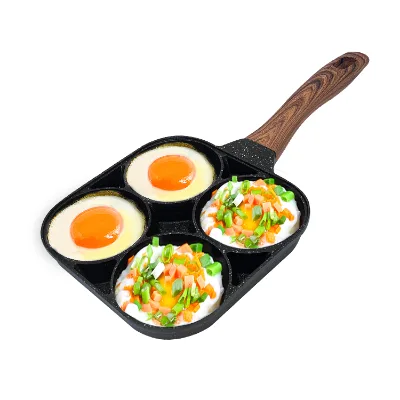
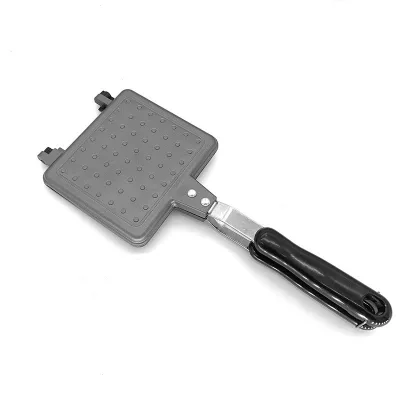


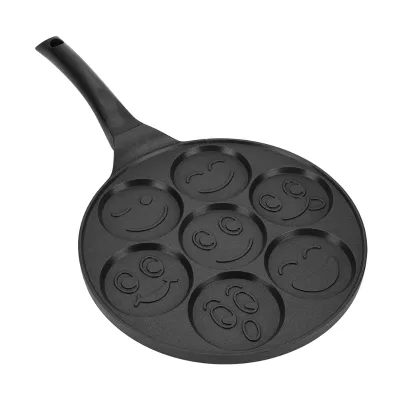
26CM Aluminum Egg Fry Pan Non-stick Dutch Pancake Pan Waffle Pancake Pan
$4.67 - $6.36
MOQ: 120 pieces
Comprehensive Sourcing Guide
Strategic Sourcing Guide for Seven Hole Non Stick Egg Waffle Pans
The global demand for specialized breakfast and snack cookware has driven a significant shift in B2B procurement strategies, particularly for niche items like the seven-hole non-stick egg waffle pan. These pans, designed for creating uniform, pocketed egg waffles or similar batter-based snacks, require precise engineering to ensure even heat distribution and consistent product release. For procurement professionals, sourcing these items involves navigating a complex landscape of material science, coating technologies, and compliance standards. This guide provides a structured approach to evaluating suppliers and products, grounded in observable market data and technical requirements.
Technical Specifications and Material Composition
Understanding the physical and chemical properties of the seven-hole pan is the first step in any sourcing process. The core functionality of these pans relies heavily on the substrate material and the coating system. Based on observed market data, the bottom material for high-performance variants often utilizes a multi-layer base or aluminum construction. Aluminum is frequently selected for its superior thermal conductivity, which is critical for the rapid heating and cooling cycles required in waffle production. However, buyers must verify if the specific unit includes an induction-compatible bottom, as some models feature an induction base or induction bottom option, while others are designed exclusively for gas cookers.
The coating system is equally vital. The interior coating is typically a PTFE-based non-stick coating, which facilitates the easy release of the delicate egg waffle structure. The exterior coating often employs a multi-layer coating process to enhance durability and aesthetic appeal. When evaluating specifications, procurement teams should look for details regarding the pan's shape, which is predominantly round, and the specific diameter, which commonly ranges from 16cm to 25cm for various models. The capacity of the cooking surface, often cited as 4-5L for the associated cookware sets, indicates the volume of batter the pan can handle in a single cycle.
Furthermore, the handle construction is a critical safety and usability factor. Many units feature a plastic hand grip material to prevent heat transfer, though some specifications list an aluminum handle, which may require additional insulation or a specific design to remain safe to touch. The design style varies, with options ranging from minimalist to cute aesthetics, and colors often include brown, red, or customized color options to match brand identities. The single package size for these units is substantial, often measuring around 57x28.5x44.5 cm, which significantly impacts logistics planning and shipping cost calculations.
Compliance and Certification Verification
In the B2B food contact equipment sector, compliance is non-negotiable. Buyers must rigorously verify that suppliers possess valid certifications for the materials used in the pan's construction. Observed data indicates that products in this category often carry the EEC certification, which is essential for market access in European regions. Additionally, the LFGB certification is a critical standard for food safety in Germany and other European markets, ensuring that the materials do not leach harmful substances into food.
When sourcing, procurement officers should not assume that all listed products meet these standards. Instead, they must request current, verifiable documentation for each batch. The presence of an "Eco-Friendly" feature in product descriptions suggests adherence to environmental standards, but this must be backed by specific testing data or third-party verification. The "Stocked" attribute indicates immediate availability, which is beneficial for short-lead-time orders, but it does not replace the need for compliance checks. Buyers should also verify if the product is marked as "Oven Safe," as this expands the utility of the cookware but requires specific temperature resistance testing.
The certification status must be cross-referenced with the specific model number, such as YDTG or CAWP, as different models may have different compliance profiles. For instance, a model with a PTFE coating must be verified for heavy metal content and thermal stability. The "General Use for Gas and Induction Cooker" attribute implies a broader compatibility, but this must be confirmed against the specific induction bottom specifications. Without these verifications, the risk of regulatory non-compliance and subsequent product recalls remains high.
Cost Drivers and Pricing Dynamics
The pricing of seven-hole non-stick egg waffle pans is influenced by a complex interplay of material costs, manufacturing complexity, and order volume. The observed price range in the market spans from $1.10 to $45.00 USD. This wide variance suggests that the lowest prices likely correspond to basic, single-piece units with standard aluminum construction and basic non-stick coatings. Conversely, the higher price points are associated with premium sets, such as 10-piece cookware sets, which include additional accessories like tempered glass lids and specialized handles.
The Minimum Order Quantity (MOQ) is another significant cost driver. The observed MOQ range is between 1 and 1000 units. Suppliers offering an MOQ of 1 are typically trading platforms or distributors, whereas manufacturers with an MOQ of 1000 are likely offering direct factory pricing. For large-scale buyers, negotiating an MOQ closer to the upper limit can significantly reduce the unit cost. However, buyers must balance this with inventory holding costs and cash flow requirements.
Other cost factors include the customization of the design style and color. "Customized Color" options often incur additional tooling or setup fees, which can increase the unit price. The "Selling Units" attribute, often listed as a single item, simplifies the pricing structure but may not reflect the cost of bulk packaging. The single gross weight of 7.000 kg for a single package indicates the density of the product, which directly affects shipping costs. Buyers should calculate the total landed cost, including freight, duties, and insurance, rather than focusing solely on the ex-works price.
Typical Applications and Usage Scenarios
The primary application of the seven-hole non-stick egg waffle pan is in commercial and home cooking environments where speed and consistency are paramount. The "Function" is explicitly listed as "Cooking Food Tools," indicating its role as a specialized utility item. These pans are ideal for street food vendors, breakfast cafes, and home cooks who produce egg waffles, egg bites, or similar batter-based snacks. The "Usage" category of "Home Cooking" confirms their versatility, but their design also supports commercial throughput.
The "Applicable Stove" attribute, which includes "Gas Cooker" and "General Use for Gas and Induction Cooker," highlights the adaptability of these pans across different kitchen setups. In commercial settings, induction cookers are increasingly preferred for their energy efficiency and precise temperature control, making the induction-compatible models highly desirable. The "Care Instructions" noting "Oven Safe" capability allows for additional cooking methods, such as finishing the waffles in an oven to achieve a specific texture or browning.
The "Shape" being round and the "Diameter" ranging from 16cm to 25cm suggest that these pans are designed for individual or small-batch production. The "Seven Hole" configuration is specific to creating the characteristic pocketed texture of egg waffles, which requires a precise mold depth and heat distribution. The "Wok Type" being "Non-Stick" ensures that the batter does not adhere to the pan, reducing waste and simplifying the cleaning process. The "Accessories" being "With None" for some models suggests a focus on the core cooking surface, while others may include lids or other components.
Supplier Evaluation and Quality Control
Evaluating suppliers requires a multi-faceted approach that goes beyond price and MOQ. The "Place of Origin" is a key indicator, with "Zhejiang China" being a prominent manufacturing hub for cookware. This region is known for its established supply chains and expertise in aluminum casting and coating technologies. However, buyers should not rely solely on the origin; they must assess the supplier's production capacity and quality control processes.
Quality control should focus on the consistency of the "Interior Coating" and the durability of the "Multi-Layer Coating." Buyers should request samples to test the non-stick performance, the evenness of the heat distribution, and the structural integrity of the "Bottom Material." The "Single Package Size" and "Single Gross Weight" should be verified to ensure that the packaging protects the product during transit. The "Design Style," whether "Cute" or "Minimalist," should align with the target market's preferences, but this is secondary to functional performance.
Suppliers should also demonstrate their ability to meet the "Certification" requirements, such as EEC and LFGB. The "Brand Name," such as Honhey, may indicate a specific manufacturer, but buyers should be cautious of private labeling opportunities where the brand name might change. The "Model Number" is a critical identifier for tracking specific product iterations and ensuring consistency across orders. A robust supplier will provide detailed technical data sheets and quality assurance reports for each batch.
Long-Term Procurement Considerations
Sourcing seven-hole non-stick egg waffle pans is not a one-time transaction but a long-term partnership. Buyers must consider the lifecycle of the product, including the durability of the non-stick coating and the potential for re-coating or replacement. The "Feature" of being "Eco-Friendly" and "Easy to Clean" are selling points that can enhance the product's marketability and customer satisfaction over time.
Procurement strategies should also account for the "Selling Units" and "Number of Pieces" attributes. A 10-piece set may offer better value for bulk buyers, but it requires more storage space and a higher initial investment. The "Color" options, including "Red" and "Brown," should be aligned with brand identity and seasonal trends. The "Lid" type, such as "Tempered Glass Lid," adds value but also increases the complexity of the supply chain.
Finally, buyers should monitor market trends and technological advancements in cookware. The shift towards induction-compatible cookware and eco-friendly materials suggests that future sourcing decisions should prioritize these attributes. Maintaining a relationship with suppliers who can adapt to these changes will ensure a steady supply of high-quality, compliant products. The "Maximum Temperature" of 500°F is a critical specification that must be maintained to ensure safety and performance. By focusing on these long-term factors, buyers can build a resilient supply chain that meets the evolving demands of the market.
FAQs
What certifications do seven hole non stick egg waffle pans typically have?
Products often carry EEC and LFGB certifications for European market access. These standards ensure food safety and material compliance, but buyers must verify specific batch documentation rather than assuming all units meet these requirements.
Which stove types are compatible with these pans?
Many models support general use for gas and induction cookers, while some are designed exclusively for gas cookers. Buyers should check the specific induction bottom option or base material before purchasing to ensure compatibility with their kitchen setup.
How is the bottom material constructed for heat distribution?
The bottom material often features a multi-layer base or aluminum construction for superior thermal conductivity. Some variants include an induction base option, which is critical for rapid heating cycles required in waffle production and consistent product release.
What is the typical price range for these cookware items?
The observed price range spans from 1.1 to 45 USD depending on the unit type. Lower prices usually correspond to basic single-piece units, while higher points reflect premium sets with additional accessories like tempered glass lids and specialized handles.
Can buyers find these pans with customized colors?
Yes, customized color options are available to match specific brand identities. However, customization often incurs additional tooling or setup fees, which can increase the unit price and should be factored into the total landed cost calculation.
What is the minimum order quantity for these products?
The MOQ range observed is between 1 and 1000 units depending on the supplier. Suppliers with an MOQ of 1 are typically distributors, while manufacturers with an MOQ of 1000 offer direct factory pricing suitable for large-scale buyers.
Where are these pans typically manufactured?
The place of origin is predominantly Zhejiang, China, a known hub for cookware manufacturing. This region offers established supply chains for aluminum casting and coating technologies, but buyers should still assess individual supplier quality control processes.