Source Slim 14 Inch Gaming Laptop for Office, Business, and Home
Explore 30 options for a Slim 14 Inch Gaming Laptop featuring Intel processors, Windows OS, and built-in connectivity. Compare specifications like RAM, HDD capacity, and graphics configurations to find the ideal device for office, business, and home applications; compare the available evidence and request quotations based on your requirements.
Updated
Key considerations
Products List


Ultra Slim Intel Celeron Processor N5095 4 Core Fast Speed Laptop for Gaming
$289.00 - $330.00
MOQ: 10 Pieces


Core I3 I5 I7 High Performance Gaming Laptop School Home Business Laptop Compute
$459.00 - $465.50
MOQ: 1000 Pieces
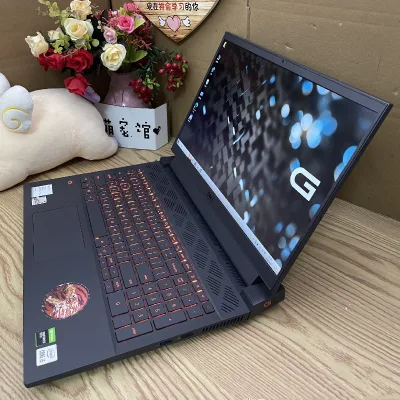
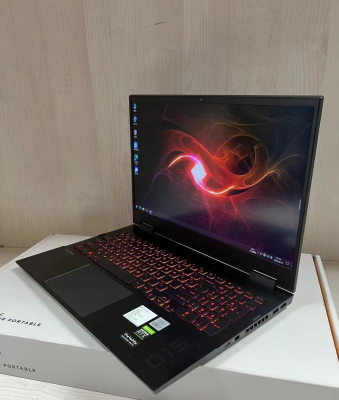
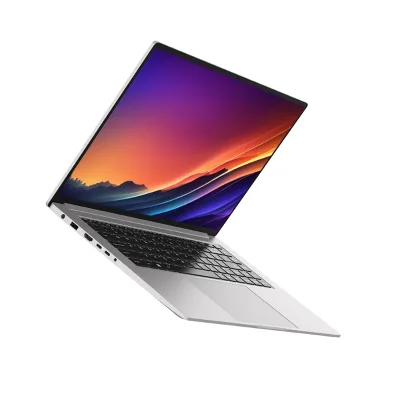
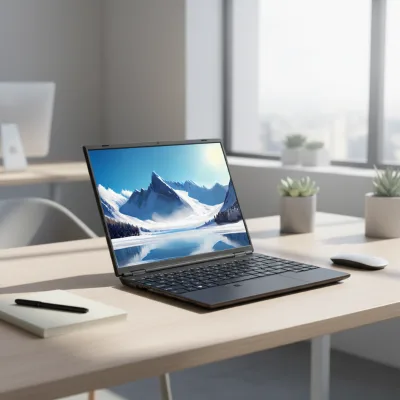
High Quality 14.1 Inch Laptop 1920*1200 IPS Screen RAM 8GB SSD 256GB Gaming Laptop
$108.7637 - $139.5454
MOQ: 2 inches
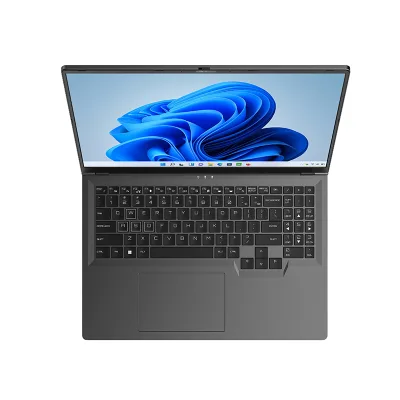
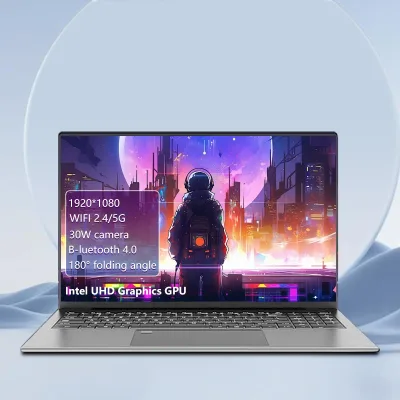


Super Slim J4125 Intel Processor Laptops 14.1 Inch Portable Gaming Business Student Laptops
$210.00 - $230.00
MOQ: 1 Pieces

Factory Direct 14 Inch Core I7 Notebook Customized I3 Manufacturer I5 Gaming Laptop
$205.00 - $300.00
MOQ: 1 Pieces

Laptops 14.1 Inch Computer Notebook Laptops Computer Core I5 I7 I9 Gaming Laptop Computer
$205.00 - $300.00
MOQ: 1 Pieces
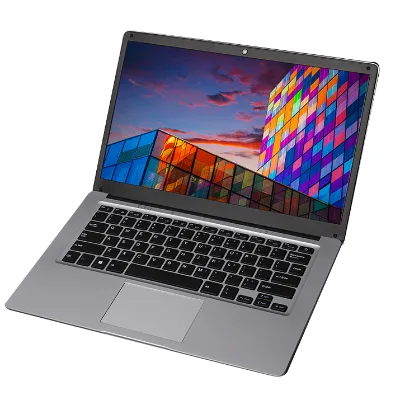
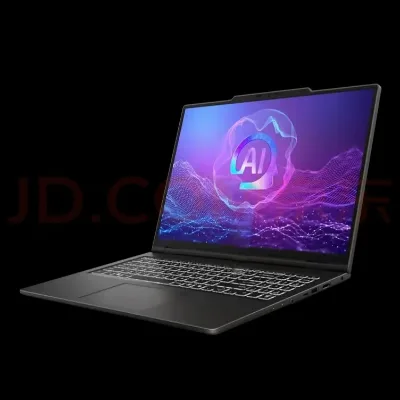
Comprehensive Sourcing Guide
Slim 14 Inch Gaming Laptop Sourcing Guide
Procuring a device that balances portability with high-performance gaming capabilities requires careful navigation of conflicting technical specifications. The term "slim" typically implies a lightweight chassis, yet gaming laptops often demand robust cooling systems and larger batteries that increase weight. Buyers must reconcile these physical constraints with the need for dedicated graphics processing units. The observed market data indicates a wide variance in product attributes, ranging from integrated graphics to high-end discrete GPUs, which directly impacts both the form factor and the thermal design power of the final unit.
Sourcing decisions should be driven by a clear understanding of the intended use case, whether for competitive esports, content creation, or general office productivity. The supplied facts reveal distinct product categories, including models designed specifically for gaming with dedicated graphics and others optimized for office use with integrated solutions. Understanding this distinction is critical, as a "gaming" label does not guarantee the presence of a dedicated GPU or the necessary thermal management for sustained performance. Buyers must verify the specific configuration of each potential supplier to ensure the hardware meets the rigorous demands of modern gaming software.
Product Scope and Observed Listing Signals
The current market landscape for 14-inch laptops presents a fragmented array of specifications that challenge the traditional definition of a gaming device. Observed listings show a price range from approximately $62 to nearly $1,400, reflecting significant differences in component quality and brand positioning. Minimum order quantities vary widely from single units to thousands, indicating that suppliers cater to both individual consumers and large-scale corporate procurement. This diversity suggests that buyers must look beyond superficial marketing terms and examine the underlying hardware architecture to determine true value and capability.
Specific product models highlight the divergence in design philosophy within this category. For instance, the Bus-P14SJ is listed with integrated graphics and a weight between 1.5 and 2.0 kg, suggesting a focus on mobility rather than raw gaming power. In contrast, other models like the X17 feature 17-inch screens and dedicated graphics, indicating that the "14-inch" constraint may not apply to all gaming-oriented devices. Buyers should note that some listings include built-in 3G modules and Bluetooth, which are less common in standard gaming laptops but may be relevant for specific mobile use cases.
Technical Specifications to Verify
Graphics processing is the most critical differentiator for gaming laptops, yet the supplied data shows conflicting attributes for similar form factors. Some 14-inch models are explicitly listed with integrated graphics, while others in the broader category feature dedicated cards such as the RTX 3060. Buyers must verify whether the specific 14-inch model they are considering includes a discrete GPU, as integrated solutions may struggle with modern AAA titles. Additionally, the presence of a dedicated graphics card often necessitates a thicker chassis for cooling, which may contradict the "slim" requirement, requiring a trade-off analysis.
Processor and memory configurations also play a vital role in gaming performance. The observed data includes Intel processors ranging from Celeron to unspecified high-end models, with RAM capacities starting at 4GB and HDD options up to 1TB. For a true gaming experience, buyers should look for higher-tier Intel processors and at least 8GB or 16GB of DDR4 RAM. The display type is consistently listed as LCD, but refresh rates and color accuracy are not specified in the available facts. Buyers must request detailed display specifications to ensure the screen can handle the frame rates generated by the graphics hardware.
Compliance and Safety Documentation
Regulatory compliance is essential for importing electronics, particularly when sourcing from manufacturers in China. The supplied facts mention ISO, CE, and RoHS certifications for certain models, which are standard requirements for selling in European and many other international markets. Buyers must confirm that the specific 14-inch gaming laptop they intend to purchase holds these certifications, as non-compliant devices may be seized at customs or rejected by corporate IT departments. The absence of these certifications in a listing should be treated as a significant red flag, regardless of the hardware's performance capabilities.
Safety standards also extend to battery safety and electrical compliance. Gaming laptops consume significant power, and the charging adapters must meet local safety regulations. The observed listings mention adapters as accessories, but buyers should verify that these components are certified for the destination market. Additionally, the weight of the device, which ranges from 1.5 kg to over 2.0 kg, may impact shipping costs and handling requirements. Buyers should ensure that the packaging, whether carton or gift box, provides adequate protection to prevent damage during transit, especially for devices with delicate internal components.
Cost Drivers and Commercial Terms
The price variance in the observed market is driven primarily by the graphics card and processor tier. Models with dedicated GPUs and high-end processors command prices near the upper end of the observed range, while those with integrated graphics and entry-level CPUs are priced significantly lower. Buyers should align their budget with the specific performance requirements of their gaming applications. It is important to note that "slim" designs often incur a premium due to the engineering complexity required to fit powerful components into a compact chassis.
Commercial terms such as minimum order quantity and customization options also influence the total cost of ownership. The observed MOQ ranges from 1 to 1000 units, allowing for flexibility in procurement scale. Customization is available for many models, which can be beneficial for branding purposes but may increase lead times and unit costs. Buyers should clarify whether the listed price includes taxes, shipping, and warranty support. Understanding the total landed cost is crucial for accurate budgeting, especially when dealing with international suppliers and varying logistics requirements.
Supplier Qualification and Quality Control
Verifying the legitimacy and capability of suppliers is a critical step in the sourcing process. Buyers should request detailed product datasheets that confirm the specific model numbers and component origins. The observed data includes various model identifiers such as Bus-P14SJ, X17, X13, and VK-K7G, which should be cross-referenced with the supplier's official documentation. Buyers must ensure that the supplier can provide consistent quality across batches, particularly for devices with complex thermal management systems.
Quality control procedures should include pre-shipment inspections to verify hardware functionality and cosmetic condition. Buyers should inquire about the supplier's testing protocols for graphics performance and thermal stability. The presence of features like fingerprint readers or specific operating systems should be confirmed through sample units before placing large orders. Additionally, buyers should assess the supplier's responsiveness and ability to provide technical support, as gaming laptops may require driver updates and troubleshooting assistance post-purchase.
Long-Term Procurement Checks
Sustainability and after-sales support are key considerations for long-term procurement success. Buyers should evaluate the supplier's warranty policies and the availability of replacement parts, particularly for components like batteries and screens that may degrade over time. The observed listings mention various accessories, but buyers should confirm the availability of spare parts for the specific model. A robust supply chain for components ensures that devices can be repaired rather than replaced, reducing long-term costs and environmental impact.
Future-proofing the procurement strategy involves considering the upgradeability of the laptops. Buyers should verify whether RAM and storage components are user-upgradeable, which can extend the device's lifecycle. The observed data includes DDR3/DDR4 memory options, but the specific slots and limits are not detailed. Buyers should request this information to ensure the devices can be upgraded to meet evolving software demands. Additionally, monitoring market trends for new graphics technologies will help buyers make informed decisions about future purchases and avoid obsolescence.
FAQs
Can I find a Slim 14 Inch Gaming Laptop with integrated graphics?
Yes, you can source models featuring integrated graphics cards suitable for office and general use. These devices typically weigh between 1.5 and 2.0 kg and include built-in WiFi and Bluetooth. They often run Windows and come in silver colors, offering a lightweight profile for business applications rather than heavy gaming performance.
What processor brands are available for 14 inch laptops?
Intel processors are commonly available for these devices, including specific configurations like Celeron. Buyers can choose from various RAM capacities starting at 4GB or more. The operating system is typically Windows, and the display is a widescreen LCD, ensuring compatibility with standard office software and general computing tasks.
Which customization options exist for OEM laptop orders?
Customization is available for bulk orders, allowing buyers to request specific logos via ODM or OEM services. Packaging can be selected as carton boxes or gift boxes depending on the model. These options support business branding needs while maintaining standard specifications like built-in WiFi and Windows operating systems for consistent performance.
How does the weight compare between 14 and 17 inch models?
The 14 inch models typically weigh between 1.5 and 2.0 kg, making them portable for office use. In contrast, larger 17 inch gaming laptops often weigh more than 2.0 kg. This difference highlights the trade-off between screen size and portability, with smaller screens offering easier transport for business travelers.
What storage capacities are optional for these laptop configurations?
Buyers can select from optional HDD capacities including 128GB, 256GB, 512GB, or 1TB. These storage options allow customization based on data needs. The devices support DDR3 or DDR4 memory types and come with adapters, ensuring flexible configurations for both home and business use scenarios.
Are certifications like ISO or CE required for these products?
Yes, products often comply with ISO, CE, and RoHS standards. These certifications ensure safety and environmental compliance for international markets. Buyers should verify specific model documentation to confirm adherence to these standards, which is crucial for importing electronics into regulated regions and ensuring product reliability for business applications.