Source Smart Backlit Bathroom Vanity with Towel Rack for Homes, Hotels, and Spas
Explore 30 listings for Smart Backlit Bathroom Vanity with Towel Rack options featuring wall-mounted and floor-standing designs. Compare specifications including LED mirrors, MDF carcases, and customization availability for residential and commercial projects; compare the available evidence and request quotations based on your requirements.
Updated
Key considerations
Products List


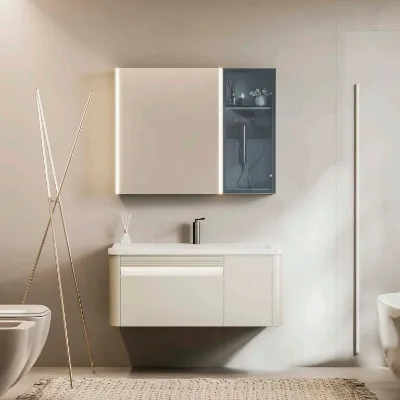
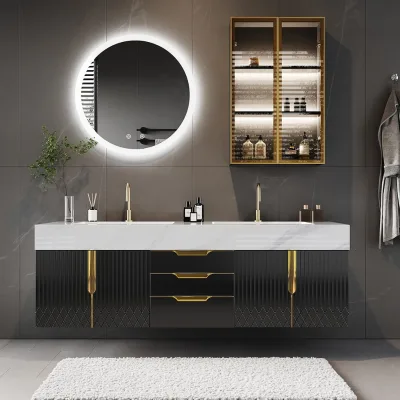
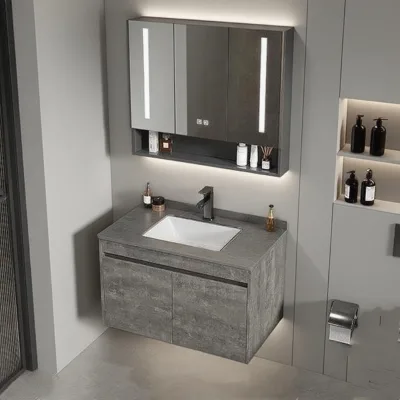
European Style Wall Mounted Bathroom Vanity Cabinet with Smart LED Light
$185.00 - $255.00
MOQ: 10 Sets


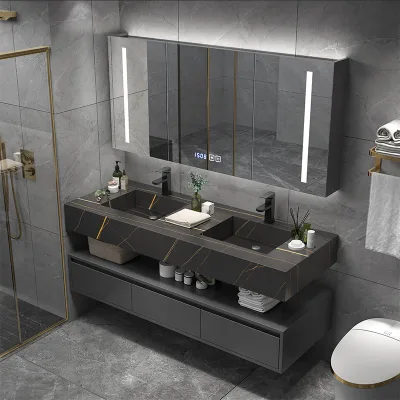
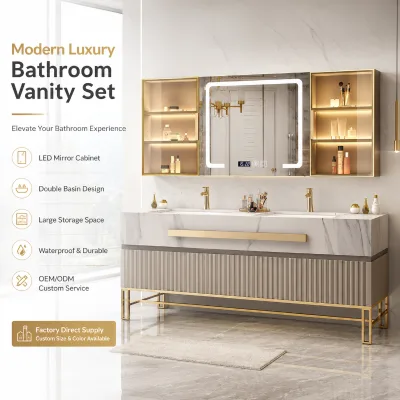
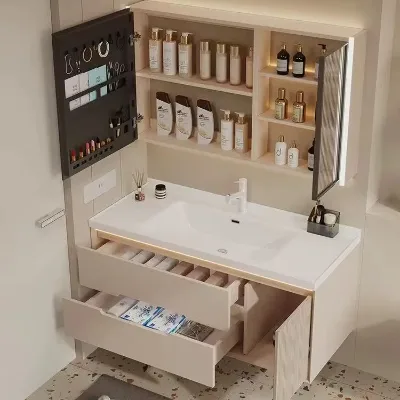
Modern Luxury Cabinet with Basin and Smart Mirror Furniture Bathroom Vanity
$39.00 - $89.00
MOQ: 30 Pieces






Comprehensive Sourcing Guide
Smart Backlit Bathroom Vanity with Towel Rack Sourcing Guide
Sourcing a smart backlit bathroom vanity with a towel rack requires balancing aesthetic integration with functional durability. Buyers must recognize that "smart" features often imply integrated lighting or digital controls, which necessitates careful verification of electrical safety and waterproofing ratings. The presence of a towel rack adds structural complexity, requiring the cabinet to support additional weight without compromising the integrity of the wall-mounted or floor-standing installation. Procurement teams should prioritize suppliers who provide clear documentation on the power source for the backlighting, whether it is hardwired or battery-operated, as this impacts the installation workflow and long-term maintenance costs.
The visual appeal of these units often drives initial interest, but the underlying construction materials determine longevity in humid environments. Buyers should scrutinize the core material specifications, such as MDF or ceramic basins, to ensure resistance to moisture damage. The inclusion of a mirror with or without integrated lamps further complicates the electrical requirements. It is essential to verify that the lighting components are sealed against steam and splashes, particularly if the unit is installed in a shower zone. Understanding the specific configuration of the towel rack, including its material and attachment method, is crucial for ensuring it meets both aesthetic preferences and practical usage demands in high-traffic bathrooms.
Product Scope and Observed Listing Signals
Market listings for bathroom vanities reveal a diverse range of configurations, with prices typically observed between 39 and 500 USD. This wide variance often reflects differences in material quality, such as the distinction between standard MDF carcases and more durable ceramic basins. Buyers should note that some units are explicitly described as having a water blocking plate, while others do not, which is a critical differentiator for preventing moisture damage in the cabinet interior. The availability of customization options allows for tailored solutions, but it may also extend lead times and complicate quality control processes. Understanding these baseline signals helps in filtering suppliers who offer genuine value versus those with superficial feature sets.
Installation methods vary significantly, with options including wall-mounted and floor-standing designs. Wall-mounted units often require robust wall structures to support the weight, especially when combined with a towel rack and a heavy countertop. Floor-standing units provide stability but may limit cleaning access underneath. The style of the vanity, whether classic or modern, influences the choice of hardware and mirror design. Some listings specify a thickness of panel between 15mm and 18mm, which is a key indicator of structural rigidity. Buyers must align these observed signals with their specific project requirements, ensuring that the selected unit fits both the spatial constraints and the desired aesthetic theme of the bathroom.
Technical Specifications to Verify
Verifying the technical specifications of the vanity is paramount to ensuring compatibility with existing plumbing and electrical systems. Buyers should confirm the dimensions of the unit, as standards often range from 400mm to 1200mm in width, with specific depth and height measurements provided in the product data. The thickness of the panel, typically 15mm to 18mm, must be verified to ensure it can support the countertop and any attached accessories like towel racks. Additionally, the type of mirror, such as a 4mm copper-free mirror, should be checked for clarity and durability. These physical attributes directly impact the fit and finish of the installation, making precise measurement and specification alignment essential for a successful procurement outcome.
Electrical specifications for the smart backlit features require careful attention to detail. Buyers must determine the voltage requirements and the IP rating of the lighting components to ensure they are safe for bathroom use. The presence of a mirror lamp, whether integrated or separate, adds to the electrical load and must be accounted for in the bathroom's wiring plan. Furthermore, the faucet configuration, whether included or excluded, affects the overall cost and installation complexity. Hardware brands, such as Bfb or Dtc, may indicate the quality of the hinges and slides, which are critical for the longevity of the cabinet doors and drawers. Verifying these technical details prevents costly modifications and ensures a seamless integration into the bathroom design.
Compliance and Safety Documentation
Compliance with local electrical and building codes is non-negotiable for smart bathroom vanities. Buyers must request documentation that verifies the electrical components meet relevant safety standards, such as CE or UL certification, depending on the target market. The waterproofing rating of the lighting and any integrated electronics must be clearly stated to prevent hazards in a wet environment. Additionally, the materials used in the construction, particularly the MDF and composite acrylic countertops, should be checked for formaldehyde emissions and other volatile organic compounds. Ensuring that the product meets environmental and health standards is crucial for maintaining indoor air quality and protecting the health of the building occupants.
Safety documentation should also include information on the structural integrity of the unit, especially when a towel rack is included. Buyers should verify that the mounting hardware is rated to support the combined weight of the vanity, countertop, and any accessories. The installation instructions must be clear and comprehensive, providing guidance on proper anchoring and electrical connections. In cases where the unit is wall-mounted, the wall structure must be assessed to ensure it can bear the load. Requesting test reports or certification marks for these aspects provides assurance that the product has been rigorously evaluated for safety and performance, reducing the risk of liability and ensuring a secure installation.
Cost Drivers and Commercial Terms
The cost of a smart backlit bathroom vanity with a towel rack is influenced by several key factors, including material quality, customization options, and the complexity of the electrical integration. Buyers should expect variations in pricing based on the choice of countertop material, such as composite acrylic versus stone, and the type of basin, whether ceramic or integrated. Customization, such as logo printing or specific color choices, may incur additional fees. The supply ability of the supplier, often measured in sets per month, can also impact pricing, with larger orders potentially benefiting from economies of scale. Understanding these cost drivers allows buyers to negotiate more effectively and budget accurately for the project.
Commercial terms, including payment methods and delivery times, are critical components of the procurement process. Buyers should clarify the payment structure, such as TT or LC at sight, and any required deposits. Delivery times can vary significantly, with some suppliers offering lead times of 30 to 40 days, depending on the order size and customization level. Packaging methods, such as foam, carton, and pallet, should be verified to ensure the product arrives undamaged. Additionally, the minimum order quantity (MOQ) may range from 1 to 50 sets, affecting the feasibility of small-scale projects. Aligning these commercial terms with the project timeline and budget is essential for a smooth procurement experience and timely delivery.
Supplier Qualification and Quality Control
Qualifying suppliers for smart bathroom vanities requires a thorough assessment of their manufacturing capabilities and quality control processes. Buyers should verify the supplier's production capacity, which may be listed as 1000 to 3000 sets per month, to ensure they can meet the project's volume requirements. It is essential to request samples to evaluate the finish, material quality, and functionality of the smart features. Suppliers with a history of exporting to the target market may have better experience with international standards and logistics. Additionally, checking for certifications related to quality management systems, such as ISO 9001, can provide confidence in the supplier's ability to maintain consistent product quality.
Quality control measures should be explicitly defined in the procurement agreement. Buyers should inquire about the inspection processes at various stages of production, including raw material inspection, in-process checks, and final random inspections. The use of specific hardware brands, such as Bfb or Dtc, can be a proxy for quality, but direct verification is recommended. Suppliers should also provide a warranty policy that covers defects in materials and workmanship. Establishing clear communication channels for addressing any issues that arise during or after delivery is crucial. By prioritizing suppliers with robust quality control systems, buyers can minimize the risk of receiving defective products and ensure long-term satisfaction with the procurement.
Long-Term Procurement Checks
Long-term procurement success depends on establishing a reliable supply chain and maintaining ongoing quality assurance. Buyers should conduct periodic audits of the supplier's production facilities to ensure compliance with agreed-upon standards and ethical practices. Regular feedback loops with the end-users can provide valuable insights into the performance and durability of the vanities in real-world conditions. Monitoring market trends and technological advancements in smart bathroom fixtures can help buyers stay competitive and offer innovative solutions. Additionally, maintaining a diverse supplier base can mitigate risks associated with supply chain disruptions and ensure continuity of supply.
After-sales support is a critical component of long-term procurement. Buyers should verify the availability of spare parts and the responsiveness of the supplier's technical support team. Clear warranty terms and a straightforward claims process are essential for addressing any issues that may arise post-installation. Building a strong relationship with the supplier can lead to better pricing, priority production, and access to new product developments. Regularly reviewing the performance of the vanities and updating procurement specifications based on lessons learned ensures continuous improvement. By focusing on these long-term checks, buyers can secure a sustainable and efficient procurement process for their bathroom vanity needs.
FAQs
Can I get a Smart Backlit Bathroom Vanity with Towel Rack customized?
Yes, customization is available for this product line. You can request specific logos, colors, and dimensions to match your requirements. The manufacturer accepts customized orders with a minimum order quantity of 10 sets and a delivery time of 40 days.
What installation types are available for these bathroom vanities?
Both wall-mounted and floor-mounted installation options are available depending on the specific model selected. Some units feature a water blocking plate while others do not. You can choose between classic or modern styles to suit your bathroom design preferences.
How long does it take to receive an order for these units?
The standard delivery time is 40 days after the order is confirmed. Some specific models may require 30 days after receiving the deposit. The supplier has a monthly supply ability of 3000 sets to ensure timely fulfillment of bulk orders.
Which materials are used for the basin and carcase construction?
The basins are made of ceramics, while the carcase material is MDF. The panel thickness ranges from 15mm to 18mm. The mirror included is a 4mm copper-free mirror, ensuring durability and safety for long-term use in humid environments.
What is the minimum order quantity for purchasing these vanities?
The minimum order quantity is 10 sets for most models. However, some listings indicate an MOQ of 1 set is possible for specific configurations. Payment terms typically require TT or LC at sight to secure the production schedule.
Can I find suppliers with specific capacity for large orders?
Yes, suppliers offer a supply ability of 3000 sets per month. Some sources indicate a capacity of 1000 pieces per month for specific product lines. This ensures that large commercial projects can be fulfilled without significant delays in the supply chain.