Source Solar Pole Mount Roadway Delineator for Highways, Roads, Parking
Compare 30 Solar Pole Mount Roadway Delineator options for highways, urban roads, and construction zones. These units feature LED flashing lights, IP67 waterproof ratings, and solar power for reliable visibility in varied weather conditions; compare the available evidence and request quotations based on your requirements.
Updated
Key considerations
Products List
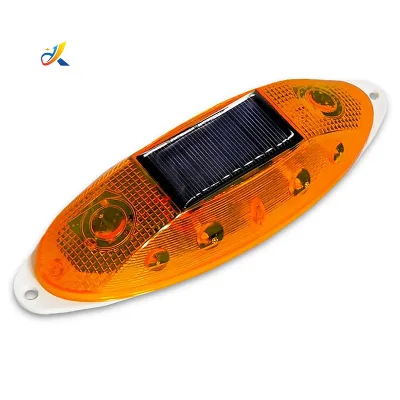
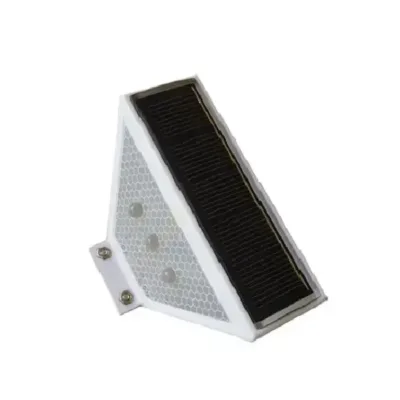
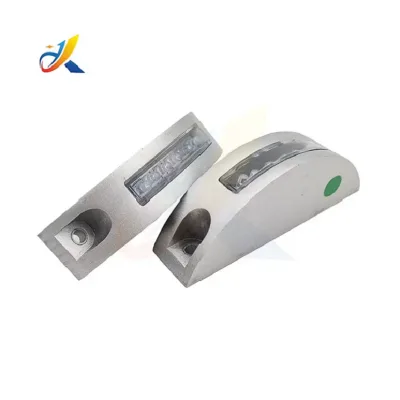

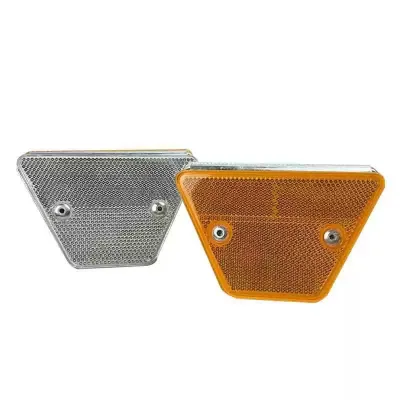
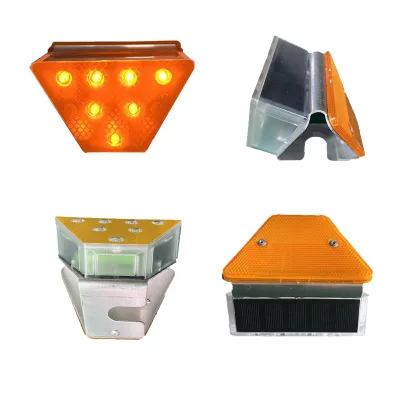
Road Guardrail Solar LED Reflector Trapezoid Highway Guardrail Delineator
$4.00 - $6.00
MOQ: 100 Pieces


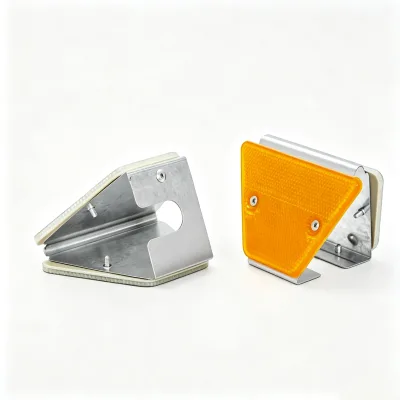
Solar Trapezoidal Outline Highway Guardrail Double Faced Reflector Delineator
$10.00 - $10.50
MOQ: 10 Pieces


Highway Traffic Guardrail Double Reflector Solar Trapezoidal Delineator
$10.50 - $11.00
MOQ: 10 Pieces

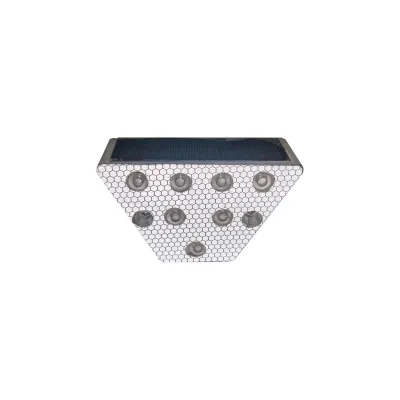





Comprehensive Sourcing Guide
Solar Pole Mount Roadway Delineator Sourcing Guide
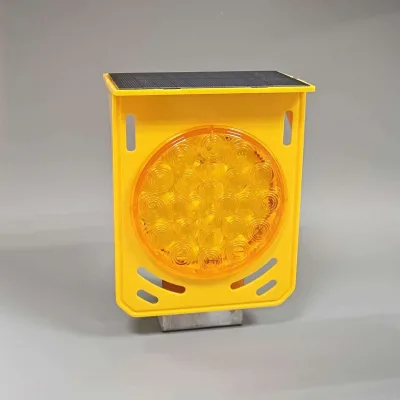
Procurement teams must first distinguish between fixed solar warning lights and active roadway delineators, as the supplied data reveals a mix of product types including solar-powered traffic safety lights and solar road stud lamps. While some listings describe fixed installations with standard cone styles and LED quantities of six pieces, others specify ground mount capabilities with aluminum construction and IP68 protection ratings. Buyers should verify that the specific unit selected matches the intended pole-mount application, noting that some observed products are designed for wall, ground, or door mounting rather than vertical pole integration.
The observed market signals indicate a diverse range of battery capacities, from 600 mAh to 750 mAh, and varying working times between seven and ten days under solar charging conditions. Sourcing decisions must account for these discrepancies, as a 700 mAh battery may not sustain the required operational duration for high-traffic highways compared to higher-capacity alternatives. Additionally, the visible distance ranges from 500 to over 1000 meters, requiring buyers to match the specific visual performance claims to the safety standards of their target roadways, such as airports or construction zones.
Product Scope and Observed Listing Signals
Buyers should analyze the material composition carefully, as the supply base includes units constructed from PC plus ABS, pure PC, and aluminum, each offering different durability profiles for outdoor exposure. The observed product names range from "Solar Powered Traffic Safety Warning Light" to "Solar Road Stud Lamp," indicating that the core keyword may encompass both illuminated warning devices and passive reflective delineators. It is critical to confirm whether the supplier provides the specific pole-mount hardware or if the unit is strictly a standalone device requiring separate installation accessories.
The listing data shows significant variation in flash frequencies, with some units flashing approximately 60 times per minute while others offer customizable rates up to 90 times per minute. This variability impacts the visual signal's effectiveness in different traffic environments, necessitating a clear specification of the required flash pattern before ordering. Furthermore, the presence of non-reflective and high-intensity prismatic reflective grades suggests that buyers must explicitly define the optical requirements to ensure the device meets visibility standards for both day and night operations.
Technical Specifications to Verify
Technical verification must begin with the waterproof rating, as the observed data includes both IP67 and IP68 protection levels, which dictate the device's resilience against heavy rain and submersion. Buyers should confirm the specific ingress protection rating required for their local climate, ensuring that the selected solar delineator can withstand the environmental stressors of highways and urban roads without internal component failure. The working temperature range of -20℃ to 60℃ is a critical parameter that must be validated against the extreme weather conditions of the installation site.
Power supply and battery specifications require rigorous cross-referencing, as the supply chain lists charging times of 6-8 hours and battery types including Ni-MH and 1.2V/600 mAh configurations. Procurement teams must ensure the solar panel efficiency aligns with the stated charging time to guarantee the device operates for the claimed 7-10 days without external power. Additionally, the LED quantity and color options, ranging from red and yellow to blue and green, must be matched to the specific traffic control signals required by local regulations.
Compliance and Safety Documentation
Safety documentation should focus on the reflective grade and visual distance claims, as the observed listings mention high-intensity prismatic reflective sheeting and visual distances exceeding 1000 meters. Buyers must request test reports or certification data that substantiate these visibility claims, particularly for applications involving airports and high-speed highways where failure to be seen can lead to severe accidents. The absence of warning sound in some observed models means that visual compliance is the primary safety mechanism, requiring strict adherence to optical performance standards.
Compliance verification also extends to the installation method, as the data lists wall, ground, and door mounts alongside ground mount options, but does not explicitly confirm pole-mount certification. Procurement teams should demand evidence that the product design supports secure attachment to standard roadway poles without compromising the structural integrity of the unit. Without explicit certification for pole mounting, the device may not meet the safety requirements for dynamic traffic environments where vibration and wind load are significant factors.
Cost Drivers and Commercial Terms
Cost structures are heavily influenced by the material choice, with aluminum construction and high-intensity reflective sheeting likely commanding higher prices than standard PC or ABS plastic units. The observed price range of 0.16 to 12 USD suggests a wide disparity in quality and feature sets, requiring buyers to correlate the unit cost with the specific technical specifications like battery capacity and waterproof rating. Higher costs may be justified by the inclusion of customizable flash frequencies or superior visible distance capabilities, but these must be validated against the actual budget constraints of the project.
Commercial terms must address the minimum order quantity, which ranges from 1 to 1000 units, and the single package dimensions that affect shipping logistics. Buyers should calculate the total landed cost by considering the single gross weight of 0.500 kg to 0.800 kg per unit, as this impacts freight charges for bulk orders. The selling unit is listed as a single item, which may simplify inventory management but requires careful planning to ensure sufficient stock levels for large-scale roadway deployment projects.
Supplier Qualification and Quality Control
Supplier qualification should prioritize manufacturers with a proven track record in producing solar-powered traffic safety devices, as the observed data indicates a concentration of production in Henan, China. Buyers must verify the supplier's ability to maintain consistent quality across different battery capacities and LED configurations, as the supply base shows variations in product names and specifications that could indicate multiple production lines. Quality control protocols should include random sampling to test the waterproof rating and flash frequency consistency before mass production begins.
Quality assurance processes must also evaluate the durability of the surface treatment, specifically the reflective sheeting and aluminum or PC construction, to ensure long-term performance in harsh environments. Suppliers should provide data on the lifespan of the Ni-MH batteries and the degradation rate of the solar charging efficiency over time. Establishing a clear quality control agreement that defines acceptable tolerances for the 6-8 hour charging time and the 7-10 day working period is essential to prevent supply chain disruptions.
Long-Term Procurement Checks
Long-term procurement strategies should include a review of the working temperature tolerance and battery degradation rates to ensure the devices remain functional throughout their intended service life. Buyers must plan for periodic maintenance checks, as the 7-10 day working time relies on consistent solar exposure, which may vary seasonally or due to environmental obstructions. Establishing a replacement protocol for units that fail to meet the 500-1000 meter visible distance requirement is crucial for maintaining continuous safety coverage on highways and construction zones.
Sustainability and supply chain resilience should be evaluated by assessing the supplier's ability to source consistent raw materials like PC, ABS, and aluminum for future orders. Buyers should monitor the market for changes in battery technology, such as the transition from Ni-MH to more efficient alternatives, to ensure the procurement strategy remains competitive. Regular audits of the supplier's production capacity and quality control records will help mitigate risks associated with the observed variations in product specifications and performance claims.
FAQs
What is the visible distance for solar roadway delineators?
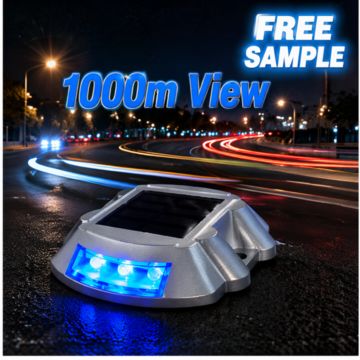
The visible distance ranges from 500 to 1000 meters depending on the specific model. Some high-intensity prismatic reflective signs offer a visual distance of about 800 meters. Advanced LED stud lamps provide a visual distance exceeding 1000 meters. These distances ensure clear visibility for drivers on highways and urban roads during night conditions.
How long does the battery last on a single charge?
The working time lasts between 7 to 10 days on a full charge. The device utilizes a solar power supply with a charging time of 6 to 8 hours. Battery capacities vary, with some units featuring 600mAh or 750mAh Ni-MH batteries. This ensures reliable operation even during periods of limited sunlight exposure.
What materials are used to construct these safety lights?
Construction materials typically include PC, ABS, and Aluminum for durability. Some models use PC alone for the housing. The surface treatment often involves reflective sheeting for enhanced visibility. These robust materials ensure the devices withstand harsh environmental conditions while maintaining structural integrity for long-term deployment.
Can these devices be installed on walls or the ground?
Yes, installation options include wall mount, ground mount, and door mount configurations. Some specific models are designed exclusively for ground mounting. The flexible installation methods allow for versatile deployment in construction zones, parking lots, and highways. This adaptability ensures secure placement according to specific site requirements and safety protocols.
What is the waterproof rating for outdoor use?
The waterproof level is rated at IP67 for standard models. Higher-end stud lamps offer an IP68 protection rating. These ratings ensure resistance against dust and water immersion. The devices operate effectively within a working temperature range of -20°C to 60°C. This durability supports reliable performance in diverse weather conditions across global markets.
What LED flash frequency do these warning lights use?
The flash frequency is approximately 60 times per minute for standard units. Some advanced models flash at 90 times per minute or allow for custom settings. The light source consists of high-brightness LEDs in various colors. This flashing pattern enhances attention and safety for drivers approaching construction zones or hazardous road sections.