Source Portable Folding Anti-Slip Wheelchair Ramp for Car, Truck, Trailer
Compare 30 portable folding anti-slip wheelchair ramp options from verified Chinese suppliers. Buyers can evaluate models like AR-WR01 and SJ-AR based on dimensions, load capacity, and customization features for vehicles and mobility needs; compare the available evidence and request quotations based on your requirements.
Updated
Key considerations
Products List


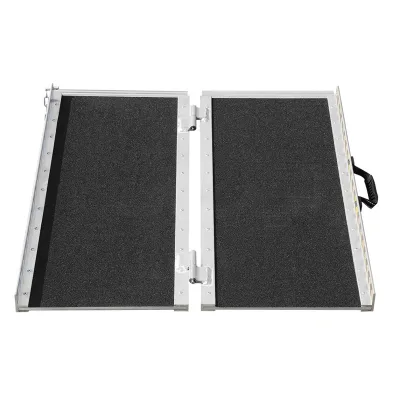
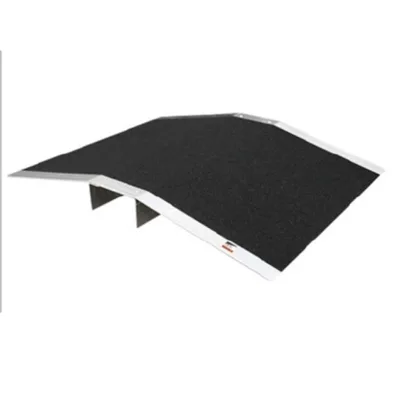
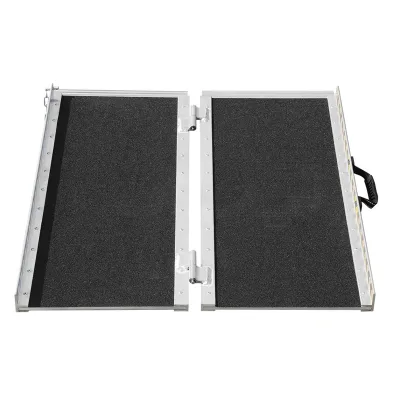
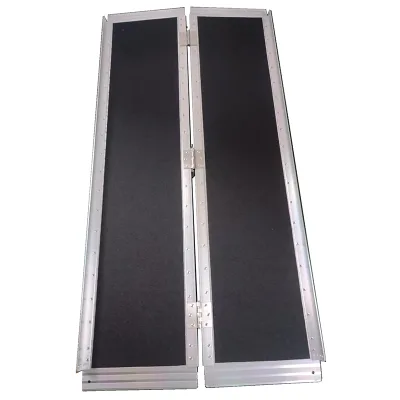
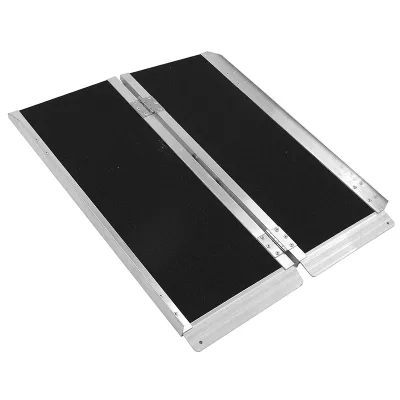
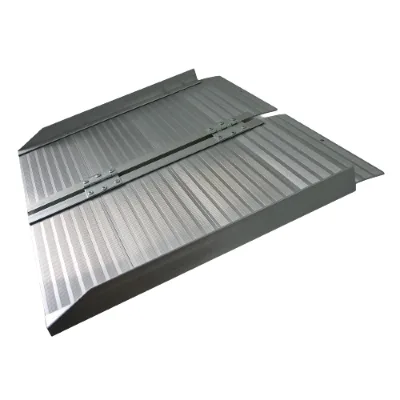
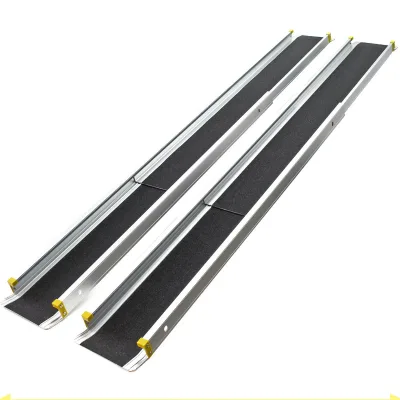


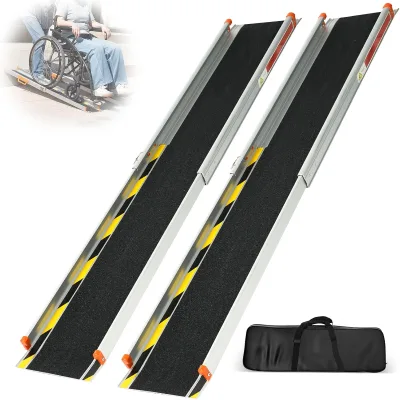
Non-Slip Wheelchair Ramp, Portable Aluminum Ramp for Wheelchairs Single Fold 600lbs
$65.00 - $90.00
MOQ: 50 Pieces


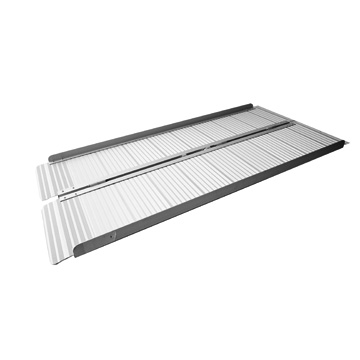


Comprehensive Sourcing Guide
Portable Folding Anti-Slip Wheelchair Ramp Sourcing Guide
Procuring portable folding anti-slip wheelchair ramps requires a strategic approach that balances mobility, structural integrity, and user safety. These ramps serve as critical accessibility solutions for vehicles and buildings, enabling independent movement for individuals using wheelchairs or mobility aids. The core challenge lies in selecting a product that offers reliable load-bearing capacity while remaining lightweight enough for easy transport and storage. Buyers must prioritize ramps that feature robust folding mechanisms and durable anti-slip surfaces to prevent accidents during use.
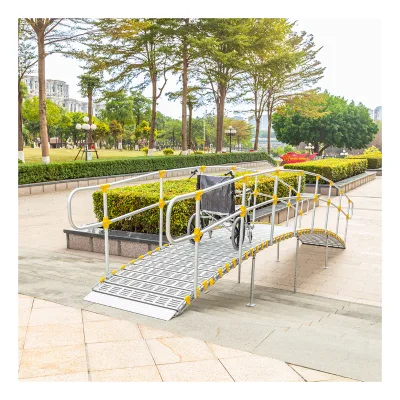
The market offers various configurations, including aluminum alloy models designed for specific vehicle types like cars, trucks, and excavators. Sourcing decisions should be guided by the intended application, whether for personal home use or commercial fleet accessibility. Understanding the specific dimensions and weight limits is essential to ensure the ramp meets the user’s physical requirements and the vehicle’s entry constraints. This guide outlines the key technical, commercial, and quality factors necessary for making an informed procurement decision.
Product Scope and Observed Listing Signals
The current market landscape for portable folding ramps includes a diverse range of models, with observed product counts indicating a robust supply base. Listings frequently highlight materials such as aluminum and aluminum alloy, which are preferred for their strength-to-weight ratio and corrosion resistance. Key attributes often include foldable designs, plastic handles for ease of carrying, and customizable options for logos and branding. These features cater to both individual consumers seeking personal mobility solutions and businesses requiring branded equipment for their fleets or facilities.
Observed specifications reveal a wide variance in dimensions and load capacities, reflecting the specialized nature of these products. For instance, some models are designed with standard dimensions like 610720mm or 1220720mm, while others offer adjustable lengths ranging from 65-215940cm. Load capacities vary significantly, with some units supporting up to 360kg, while others are rated for 300kg. Buyers should carefully review these technical details to ensure compatibility with their specific mobility devices and usage environments, avoiding assumptions about universal fit.
Technical Specifications to Verify
Verifying technical specifications is paramount to ensuring the ramp’s suitability for its intended use. Buyers must confirm the exact dimensions, including length, width, and curb length, to ensure proper fitment at entry points. For example, some models specify a curb length of 2 ft or a total length of 4ft, with widths such as 48 inches. It is crucial to match these dimensions with the height of the threshold or vehicle step to achieve a safe and manageable incline angle. Incorrect dimensions can lead to unsafe slopes that are difficult or dangerous for wheelchair users to navigate.
Load capacity and weight are equally critical technical factors that must be verified against the user’s requirements. Ramps are rated for specific maximum weights, such as 300kg or 360kg, which must exceed the combined weight of the user and their mobility device. Additionally, the ramp’s own weight affects portability; some models weigh as little as 4kg or 9kg, while others may be heavier due to increased durability. Buyers should also inspect the construction material, ensuring it is genuine aluminum or aluminum alloy, and check for features like anti-slip surfaces and secure folding mechanisms that prevent accidental collapse during use.
Compliance and Safety Documentation
Safety documentation is a non-negotiable aspect of sourcing wheelchair ramps, as these products directly impact user well-being. Buyers should request detailed safety data sheets and compliance certificates that verify the ramp meets relevant accessibility and structural standards. While specific certification names may vary by region, the documentation should confirm that the product has undergone rigorous testing for load-bearing stability, slip resistance, and material durability. This ensures that the ramp can safely support dynamic loads without failing or slipping, which is critical for preventing accidents.
Anti-slip properties are a key safety feature that must be explicitly documented. Buyers should verify that the ramp surface includes textured or coated materials designed to provide traction in various weather conditions. Additionally, the folding mechanism should be tested for reliability, ensuring it locks securely in the open position and folds safely for storage. Documentation should also include user manuals and maintenance guidelines, which provide essential information on proper usage, weight limits, and care instructions to prolong the product’s lifespan and maintain its safety performance over time.
Cost Drivers and Commercial Terms
Understanding the cost drivers behind portable folding ramps helps buyers budget effectively and negotiate favorable terms. The primary cost factors include the material quality, specifically the grade of aluminum or aluminum alloy used, and the complexity of the folding mechanism. Additional costs may arise from customization options, such as logo printing or specific color finishes, which are often available but can increase the unit price. Buyers should also consider packaging costs, as ramps are typically shipped in carton boxes or standard export packaging, which affects shipping volume and weight.
Commercial terms, including minimum order quantities (MOQ) and lead times, significantly impact the procurement process. Observed MOQs can range from 1 to 250 units, offering flexibility for both small-scale and bulk purchases. Lead times may vary based on customization requirements and production schedules, so buyers should confirm these details early in the sourcing process. Payment terms and shipping ports, such as Ningbo, should also be clarified to avoid unexpected logistics costs. Understanding these commercial variables allows buyers to plan their inventory and cash flow more efficiently.
Supplier Qualification and Quality Control
Supplier qualification is essential to ensure consistent product quality and reliable service. Buyers should verify the supplier’s manufacturing capabilities, including their facility location, such as Zhejiang or Jiangsu in China, and their experience in producing mobility aids. Quality control processes should be transparent, with suppliers providing evidence of regular inspections and testing procedures. Buyers may request samples to evaluate the ramp’s build quality, foldability, and surface texture before committing to larger orders. This due diligence helps mitigate the risk of receiving substandard products that could compromise user safety.
Establishing clear quality expectations is crucial for maintaining high standards. Buyers should define specific acceptance criteria for dimensions, weight, and load capacity, ensuring they align with the product specifications. Regular audits or third-party inspections can be employed to verify that production batches meet these standards. Additionally, suppliers should be required to provide detailed packaging instructions to prevent damage during transit. By prioritizing supplier qualification and rigorous quality control, buyers can build a reliable supply chain that delivers safe and durable wheelchair ramps consistently.
Long-Term Procurement Checks
Long-term procurement success depends on continuous monitoring of product performance and supplier reliability. Buyers should establish feedback loops with end-users to gather insights on the ramp’s durability, ease of use, and any maintenance issues. This feedback can inform future purchasing decisions and help identify areas for product improvement. Regularly reviewing supplier performance metrics, such as on-time delivery rates and defect rates, ensures that the supply chain remains efficient and responsive to changing needs. Proactive management of these relationships helps maintain high standards of accessibility and safety over time.
Adapting to evolving market trends and regulatory changes is also vital for long-term procurement strategies. Buyers should stay informed about new accessibility standards and technological advancements in ramp design, such as improved anti-slip materials or lighter alloys. Periodic re-evaluation of product specifications ensures that the sourced ramps continue to meet user requirements and regulatory compliance. By maintaining a flexible and informed procurement approach, buyers can secure high-quality portable folding ramps that support independent mobility and enhance the quality of life for users.
FAQs
How much weight can these portable folding anti-slip wheelchair ramps hold?
Listed models show loading capacities of 300kg and 360kg, which covers most manual wheelchairs, scooters, and mobility devices with a user. Always confirm the capacity of the specific model you order, since different lengths and aluminum alloy constructions may carry different ratings. Check the ramp rating against the combined weight of the user and the chair.
What sizes and lengths are available for the folding aluminum wheelchair ramps?
Available standard sizes include 610*720mm, 910*720mm, 1220*720mm, and 65-215*9*40cm, with a 4ft length option and a 48inch width specification. Some models include a 2ft curb length. Choose a size based on the rise you need to cross and whether the ramp must fold small enough to fit your vehicle or storage space.
What material is used to build these portable folding wheelchair ramps?
The ramps are made from aluminum and aluminum alloy, which keeps them lightweight yet strong enough for heavy loading capacities. Aluminum also resists corrosion, making the ramps suitable for indoor and outdoor use. Model weights range from about 4kg to 11kg, so a single caregiver can usually carry and position the ramp without assistance.
Can I order a wheelchair ramp with a custom logo or OEM branding?
Yes, OEM is available and customized logos are accepted on these folding aluminum ramps. Customization is listed as available, so you can typically add your branding to the product and packaging. Confirm minimum order quantities, artwork requirements, and sample approval steps with the supplier before placing a bulk order.
How are the folding aluminum ramps packed for shipping?
Ramps are packed in cartons or carton boxes, with standard export packaging used for shipping from ports such as Ningbo. For example, one model ships as a single item in a package measuring 125X10X42 cm with a gross weight of 11.0 kg, while another packs at 60X37X27 cm and 9.000 kg. Carton packing protects the aluminum surface during transit.
Where are these folding wheelchair ramps manufactured and shipped from?
The ramps are produced in China, with origins listed in Zhejiang and Jiangsu, and shipping is available through the port of Ningbo. Both regions have established aluminum product manufacturing. When sourcing, confirm which location a specific model ships from, since lead times and freight costs can vary between Zhejiang and Jiangsu suppliers.
What vehicles and equipment can these portable ramps be used with?
The ramps are designed to fit cars, excavators, trucks, and trailers, in addition to supporting wheelchair and scooter access. The foldable aluminum construction makes them practical for loading thresholds, vehicle doorways, and steps. Verify the ramp width and rated capacity against your specific equipment before ordering to ensure a safe fit.
Can I get samples before placing a bulk order for folding wheelchair ramps?
Customization and OEM options are available, and several listed models have low minimum order requirements, with observed MOQs starting from as little as 1 unit. This makes ordering a sample or trial quantity practical. Contact suppliers to confirm sample pricing, sample lead time, and whether the sample cost can be credited toward a later bulk order.