Source Sprinter 910 Front Fenders for Upgrades, Repairs, and Restorations
Compare 28 listings for Sprinter 910 Front Fenders from verified suppliers offering carbon fiber and FRP options. Buyers can evaluate customization, delivery times, and OEM compatibility for automotive body modifications; compare the available evidence and request quotations based on your requirements.
Updated
Key considerations
Products List




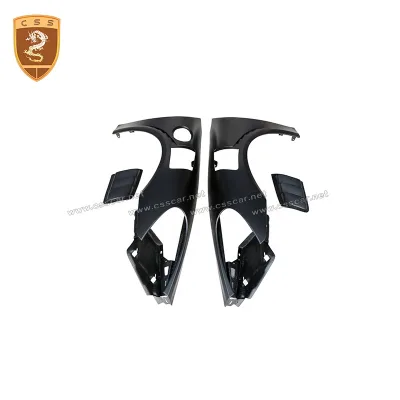
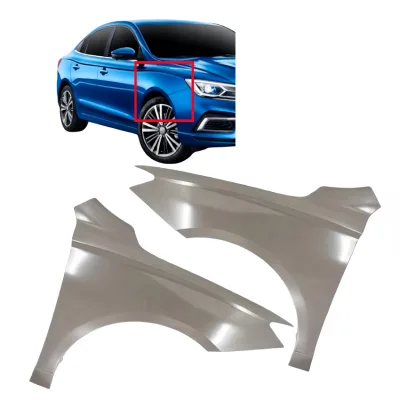
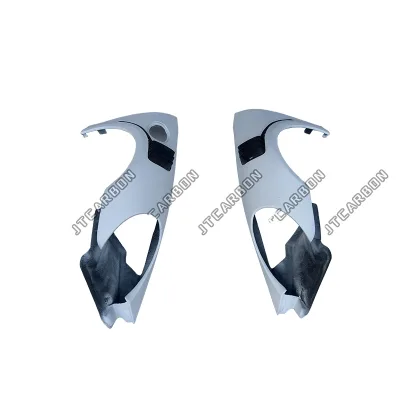
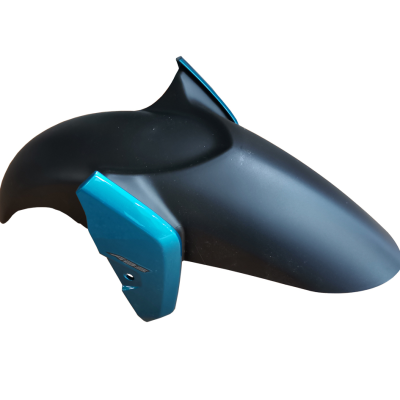
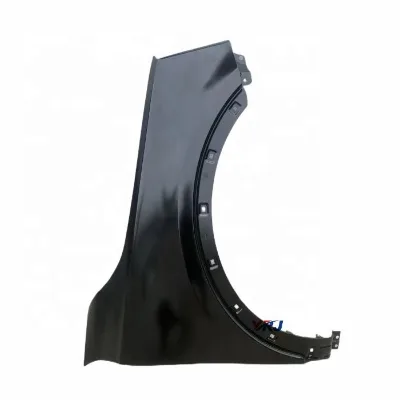
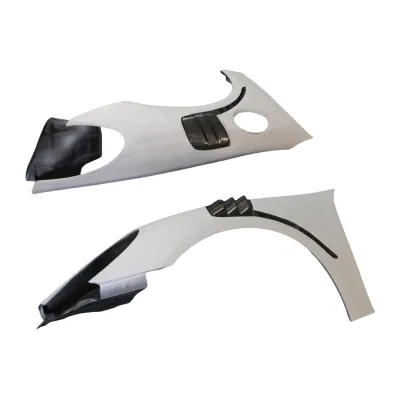


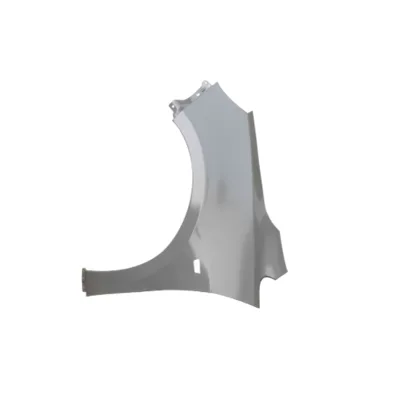

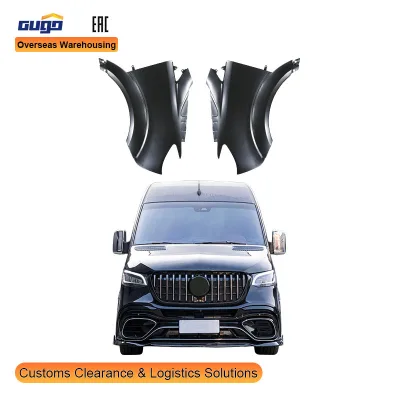
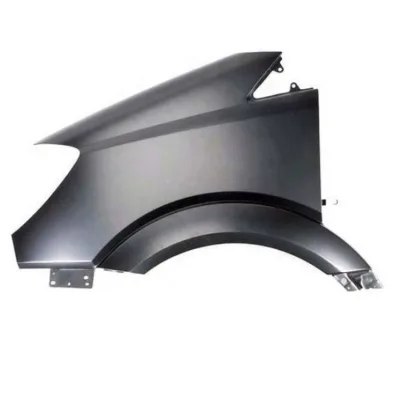
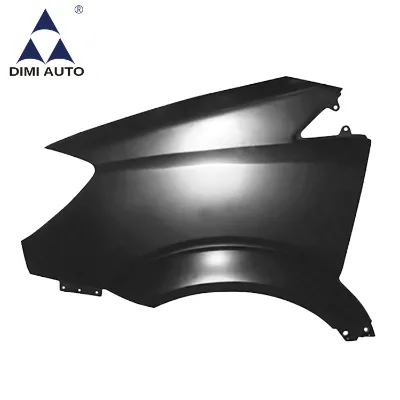
Comprehensive Sourcing Guide
Sprinter 910 Front Fenders Sourcing Guide
Sourcing front fenders for the Mercedes-Benz Sprinter 910 requires a disciplined approach to verifying fitment and material integrity, as aftermarket components vary significantly in quality and dimensional accuracy. Buyers must prioritize suppliers who provide precise OE-number cross-references and detailed installation guides to ensure seamless integration with the vehicle’s existing body structure. The primary objective is to secure components that maintain the vehicle’s aerodynamic profile while offering robust protection against road debris and environmental corrosion.
Procurement teams should evaluate potential vendors based on their ability to deliver consistent quality across bulk orders, particularly when sourcing for fleet maintenance or aftermarket modification projects. It is essential to confirm that the selected fenders are designed for specific Sprinter 910 model years to avoid costly modifications or installation failures. Establishing clear communication channels with suppliers regarding customization options and technical support can significantly reduce the risk of receiving non-conforming goods, ensuring that every unit meets the rigorous demands of commercial vehicle operations.
Product Scope and Observed Listing Signals
The current market for Sprinter 910 Front Fenders presents a diverse range of options, with observed pricing spanning from $0.80 to $739.23 USD, reflecting variations in material composition, brand reputation, and manufacturing complexity. Minimum order quantities (MOQs) typically range from 1 to 200 units, allowing buyers to scale their procurement based on immediate repair needs or long-term inventory strategies. This wide price spectrum underscores the importance of scrutinizing product descriptions to understand what specific features, such as pre-drilled holes or integrated mounting points, are included in the quoted price.
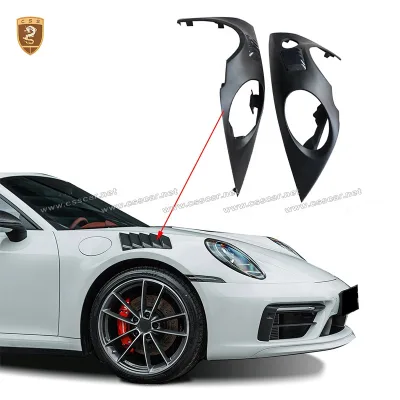
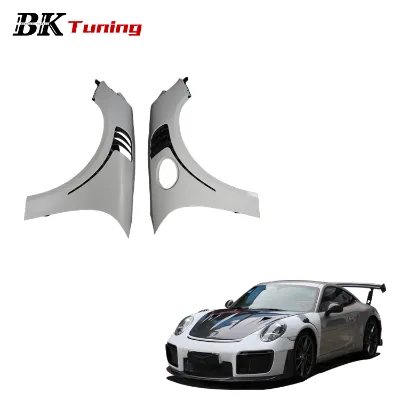
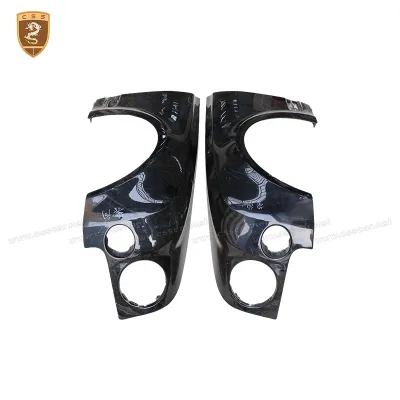
Listings often highlight attributes such as "Carbon Fiber+Fiberglass" or "FRP+Carbon Fiber" materials, suggesting a focus on lightweight durability and aesthetic enhancement for performance-oriented applications. Some products are marketed with specific styling cues, such as "RS Style" or "Matte Black" finishes, catering to buyers seeking visual upgrades alongside functional replacement. Buyers must carefully distinguish between standard replacement parts and specialized modification kits, as the latter may require additional fabrication or professional installation services that are not covered by the supplier’s warranty or support package.
Technical Specifications to Verify
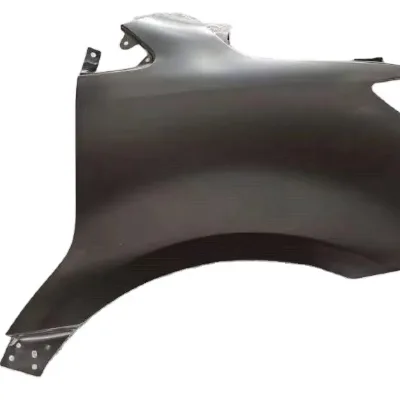
Verifying technical specifications is critical to ensuring that the purchased fenders align with the Sprinter 910’s structural requirements and mounting points. Buyers should request detailed dimensional data, including length, width, and thickness, to confirm compatibility with the vehicle’s wheel arches and adjacent body panels. Specifications such as "807030cm" or "1806080" for packaging dimensions provide insight into the physical size of the components, which is essential for planning storage and logistics. Additionally, confirming the "Fitting Position" as "Front Fender" and ensuring the "Installation" method matches the original car holes prevents misalignment and structural stress during assembly.
Material composition plays a pivotal role in the longevity and performance of the fenders, with options ranging from standard fiberglass to composite blends like "Carbon Fiber+Fiberglass." Buyers must assess the "Surface Finish," such as "Matte Black" or "Half Carbon," to ensure it meets aesthetic standards and provides adequate protection against UV degradation and corrosion. It is also vital to verify the "Model Number" and "OE NO." to guarantee that the part is engineered specifically for the Sprinter 910, avoiding generic replacements that may require extensive modification or fail to meet safety standards.
Compliance and Safety Documentation
Ensuring that front fenders meet relevant safety and quality standards is a non-negotiable aspect of the procurement process for commercial vehicles. Buyers should request documentation confirming that the products comply with international certifications such as ISO and CE, which indicate adherence to rigorous manufacturing and quality management protocols. Certificates like ISO9001 and SGS provide additional assurance that the supplier maintains consistent quality control measures throughout the production process, reducing the risk of defects in the final product.
In addition to certifications, buyers must verify that the fenders do not compromise the vehicle’s structural integrity or safety features. This includes ensuring that the components do not interfere with airbag sensors, lighting systems, or other critical safety mechanisms located in the front fender area. Suppliers should provide clear information on the "Warranty" period, typically ranging from 6 months to 1 year, to protect against premature failure or manufacturing defects. Understanding the scope of the warranty and the process for claiming replacements is essential for managing long-term maintenance costs and ensuring vehicle reliability.
Cost Drivers and Commercial Terms
Several factors influence the total cost of ownership for Sprinter 910 Front Fenders, including material costs, manufacturing complexity, and shipping logistics. Premium materials like carbon fiber blends naturally command higher prices, while standard fiberglass options offer a more budget-friendly alternative. Buyers should also consider the impact of packaging, such as "Foam+Carton+Wooden Frame," which adds to the overall cost but provides essential protection during transit, reducing the risk of damage and associated replacement expenses.
Commercial terms, including payment methods and delivery times, significantly affect cash flow and project timelines. Suppliers often offer flexible payment options such as Western Union or Telegraphic Transfer (TT), but buyers should negotiate favorable terms to mitigate financial risk. Delivery times typically range from 15 to 30 days, depending on the order size and customization requirements. Understanding these lead times is crucial for planning inventory levels and ensuring that replacement parts are available when needed to minimize vehicle downtime.
Supplier Qualification and Quality Control
Selecting a reliable supplier involves a thorough evaluation of their production capabilities, quality control processes, and customer service standards. Buyers should prioritize suppliers who offer OEM and ODM services, as this indicates a higher level of manufacturing expertise and the ability to produce custom components that meet specific requirements. Verifying the supplier’s "Place of Origin," such as Guangdong, China, can provide insights into the regional manufacturing ecosystem and the availability of skilled labor and raw materials.
Quality control measures should be explicitly defined in the purchase agreement, including pre-shipment inspections and sample approvals. Buyers should request detailed information on the supplier’s testing procedures to ensure that the fenders meet durability and performance standards. Establishing a clear communication channel for addressing any quality issues or discrepancies is essential for maintaining a productive relationship with the supplier. Additionally, reviewing the supplier’s track record and customer feedback can provide valuable insights into their reliability and commitment to customer satisfaction.
Long-Term Procurement Checks
Establishing long-term procurement checks ensures that the quality and performance of Sprinter 910 Front Fenders remain consistent over time. Buyers should implement a regular review process to assess supplier performance, including delivery times, product quality, and responsiveness to issues. This ongoing evaluation helps identify potential problems early and allows for corrective actions to be taken before they impact operations. Maintaining a diversified supplier base can also mitigate risks associated with supply chain disruptions or sudden price increases.
Continuous monitoring of market trends and technological advancements in fender manufacturing can provide opportunities for cost savings and performance improvements. Buyers should stay informed about new materials, designs, and manufacturing techniques that may offer better value or functionality. Regularly updating procurement strategies based on these insights ensures that the organization remains competitive and efficient in its vehicle maintenance and modification efforts. By prioritizing long-term relationships and strategic planning, buyers can achieve greater stability and value in their sourcing activities.
FAQs
What material is used for these front fenders?
The front fenders are constructed from a composite of carbon fiber and fiberglass, also referred to as FRP. This material combination provides a lightweight yet durable structure suitable for automotive body modification. The surface finish is available in matte black or half carbon styles, ensuring both aesthetic appeal and structural integrity for vehicle upgrades.
Which car models are compatible with these fenders?
These fenders are specifically designed for Porsche vehicles, including the 911 models with chassis codes 991 and 992. They are suitable for retrofitting or upgrading specific years, such as the 2012-2018 range. The product is categorized for car application, ensuring a precise fit for the intended front fender position on these high-performance sports cars.
Can these fenders be customized for specific needs?
Yes, customization is available for these front fenders. The supplier offers OEM and ODM services to meet specific design requirements. Buyers can request tailored specifications, including size adjustments or unique surface finishes. This flexibility allows for precise integration into various vehicle modifications, ensuring the final product aligns perfectly with the buyer's aesthetic and functional goals.
What is the minimum order quantity for purchase?
The minimum order quantity varies by product listing, ranging from 1 set to 200 units. Some items specify an MOQ of 1 pair, while others may require larger bulk orders. Buyers should check the specific product details for the exact MOQ, as it depends on the model number and supplier terms. This range accommodates both individual upgrades and larger commercial projects.
How long does delivery typically take?
Delivery times generally range from 15 to 30 days after order confirmation. Specific listings may indicate a standard delivery time of 25 days. These lead times account for manufacturing and packaging processes. Buyers should plan their procurement schedule accordingly, considering that expedited options may not be standard. The timeline ensures quality control and proper handling of the carbon fiber components.
What certifications do the products hold?
The products hold ISO and CE certifications, indicating compliance with international quality and safety standards. Additionally, ISO9001 and SGS certificates are mentioned for certain listings. These certifications assure buyers of the manufacturing quality and material consistency. The adherence to these standards supports the premium OEM original quality claim, providing confidence in the product's reliability for automotive applications.