Source Gear Box Transmission Oil Filter for Car, Truck, and Industry
Find 30 verified Gear Box Transmission Oil Filter options for cars, trucks, and industrial machinery. Compare specifications, materials, and prices from suppliers in China to find the right replacement part for your needs; compare the available evidence and request quotations based on your requirements.
Updated
Key considerations
Products List

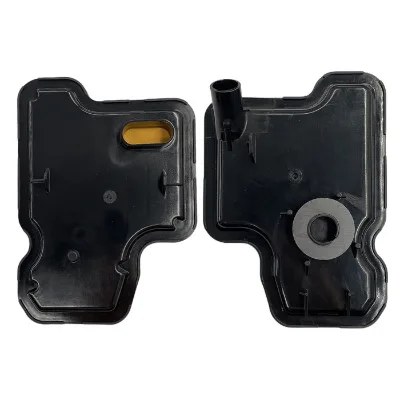
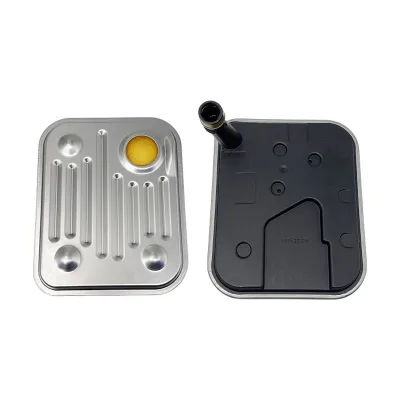
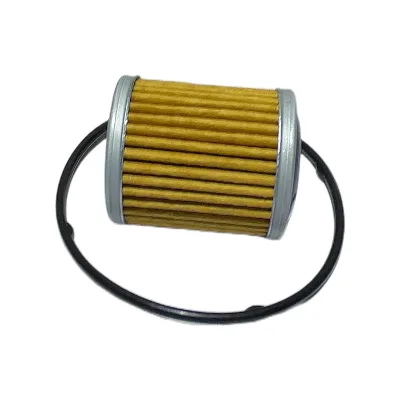
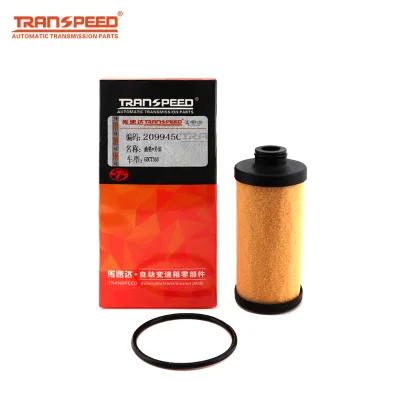
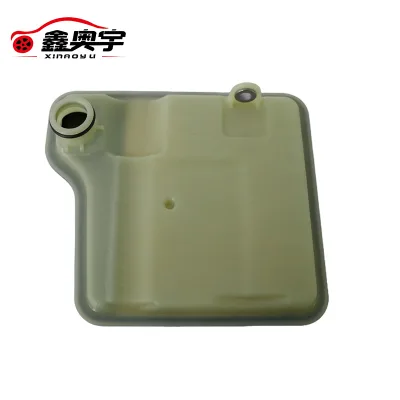
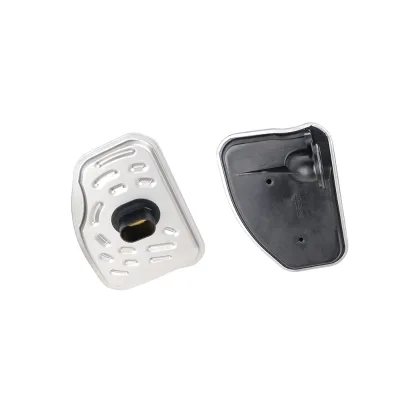
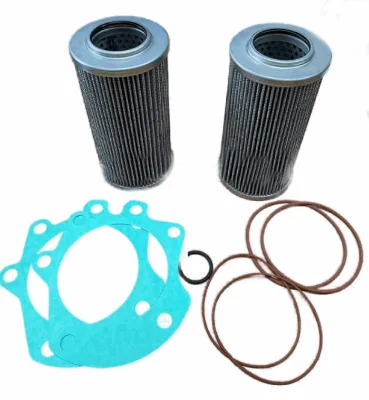
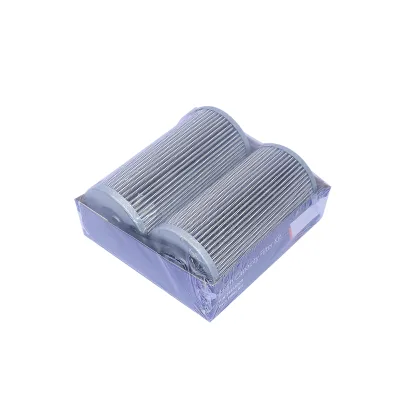
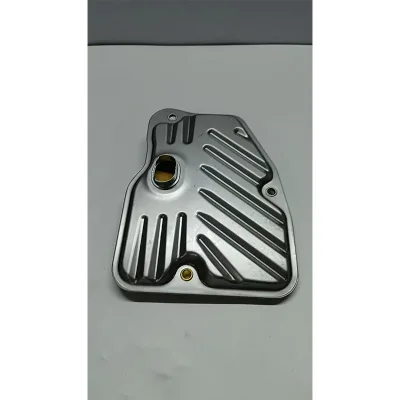
Meichuang JF011 181142 Filter/filtor Auto Transmission for Gearbox Accessories
$6.2643 - $8.3524
MOQ: 1 pieces






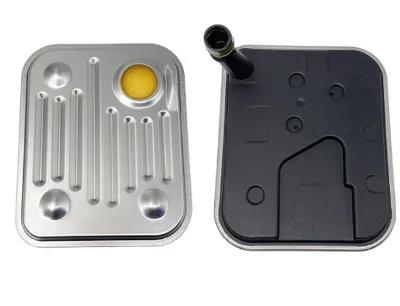
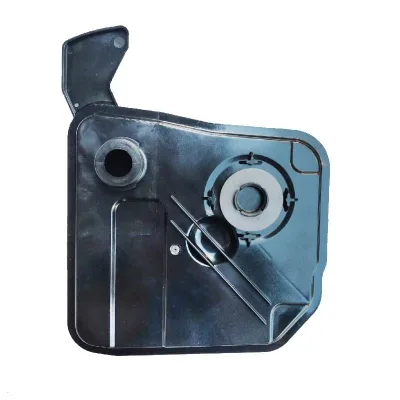
Comprehensive Sourcing Guide
Gear Box Transmission Oil Filter Sourcing Guide
Procuring the correct Gear Box Transmission Oil Filter is a critical step in maintaining vehicle reliability and extending the lifespan of automatic transmission systems. Buyers must recognize that these components are not generic; they are engineered to specific tolerances for flow rate, filtration fineness, and pressure resistance. The supplied data indicates a diverse market with products ranging from plastic to aluminum constructions, serving applications for both cars and trucks. Understanding the specific transmission model, such as the JF011 or U540E, is essential before initiating any procurement cycle. Misidentification can lead to immediate mechanical failure, making precise part number verification the first and most vital step in the sourcing process.
The market landscape for these filters includes a wide variety of suppliers, primarily originating from regions like Guangdong and Ningbo in China. Listings show significant variation in branding, with some items marketed under specific names like "meichuanglian" or "Transnation," while others are sold as generic OEM replacements. This diversity requires buyers to look beyond brand names and focus on the underlying technical specifications and OE numbers. The presence of both new condition items and customizable options suggests a flexible supply chain, but it also demands rigorous due diligence. Buyers should approach this category with a mindset of verification, ensuring that every claimed specification aligns with their vehicle’s actual requirements before committing to volume orders.
Product Scope and Observed Listing Signals
The observed product listings reveal a broad spectrum of transmission filters, primarily designed for automatic gearbox types. Key identifiers include specific OE numbers such as 35303-97501, U540e, and JF011, which serve as the primary reference points for buyers. The product names often explicitly state their purpose for replacement or repair, targeting vehicles like those from GM. Listings also highlight various material compositions, including plastic and aluminum, which may influence durability and heat dissipation. Buyers should note that while some products claim high-quality standards, others are labeled as OEM products, indicating a need to cross-reference these claims with actual vehicle manufacturer specifications to ensure compatibility.
Pricing and minimum order quantities (MOQ) vary significantly across the observed data, with prices ranging from $0.85 to $20 and MOQs from 1 to 1000 pieces. This wide range suggests that buyers can source single units for immediate repair needs or bulk quantities for fleet maintenance. Some listings offer customization options, which may be relevant for specialized industrial or commercial vehicle applications. The packing methods also differ, with options including neutral boxes, single packaging, and plywood boxes, which can impact shipping costs and product protection. Buyers must evaluate these commercial terms in conjunction with the product’s technical suitability, ensuring that the cost savings from bulk purchases do not compromise the integrity of the filtration component.
Technical Specifications to Verify
When evaluating transmission oil filters, buyers must prioritize the verification of model numbers and OE references. The supplied context lists specific models like JF011/181142 and U540E, which are critical for ensuring fitment. Buyers should confirm that the filter’s physical dimensions, such as the standard size or specific measurements like 5X2X2 cm, match their vehicle’s housing. Additionally, the filtration grade, described as medium filter with fineness ranging from 1μm to 100μm, is a key performance indicator. This range determines the filter’s ability to trap contaminants without restricting fluid flow, which is vital for maintaining proper hydraulic pressure in automatic transmissions.
Material composition and construction quality are equally important technical factors. Listings indicate the use of aluminum and plastic, with some items undergoing processes like quenching and painting to enhance hardness and corrosion resistance. Buyers should verify the hardness ratings, such as 48-52RC, and impact resistance values, like 19j, to ensure the filter can withstand operational stresses. The presence of features like flat connectors and specific pressure ratings, such as 0.5MPa, further defines the filter’s operational limits. It is essential to cross-check these specifications against the vehicle manufacturer’s technical manuals to avoid mismatches that could lead to leaks or premature filter failure.
Compliance and Safety Documentation
While specific certification statuses are not uniformly detailed in the observed listings, buyers should insist on documentation that verifies product safety and quality management. The presence of ISO certifications in some contexts suggests a baseline for manufacturing standards, but buyers must request valid certificates for each supplier to ensure ongoing compliance. This is particularly important for filters that interact with critical vehicle systems, as any failure could have severe safety implications. Buyers should also verify that the products meet relevant regional safety standards, ensuring that materials used in the filter construction are free from harmful substances and are suitable for automotive applications.
Documentation should also include detailed product specifications and test reports that validate the filter’s performance under various conditions. Buyers should ask for evidence of pressure testing, flow rate validation, and filtration efficiency tests to confirm that the product meets the claimed specifications. This is especially relevant for filters used in high-performance or heavy-duty applications where reliability is paramount. Additionally, buyers should ensure that the supplier provides clear warranty information, such as the 12-month warranty mentioned in some listings, which can provide recourse in case of early failure. Proper documentation not only ensures compliance but also builds trust in the supplier’s commitment to quality.
Cost Drivers and Commercial Terms
The cost of transmission oil filters is influenced by several factors, including material choice, manufacturing complexity, and order volume. Aluminum filters, which offer greater durability and heat resistance, may command higher prices than plastic alternatives. Customization options, such as specific packaging or branding, can also add to the cost. Buyers should analyze the price range of $0.85 to $20 in the context of these variables, recognizing that lower prices may reflect simpler constructions or smaller order quantities. Understanding these drivers helps buyers make informed decisions that balance cost with performance and longevity.
Commercial terms, including MOQs and shipping methods, play a significant role in the total cost of ownership. MOQs ranging from 1 to 1000 pieces allow for flexibility, but buyers should consider the storage and handling costs associated with larger orders. Shipping methods like FedEx, DHL, and UPS offer speed but come at a premium, while other options may be more cost-effective for bulk shipments. Buyers should negotiate terms that align with their inventory management strategies, ensuring that they do not tie up excessive capital in stock. Additionally, buyers should clarify any potential tariffs or import duties that may apply, as these can significantly impact the final landed cost of the filters.
Supplier Qualification and Quality Control
Selecting a reliable supplier is crucial for ensuring the consistent quality of transmission oil filters. Buyers should prioritize suppliers with a proven track record in automotive parts manufacturing, particularly those located in established industrial hubs like Guangdong and Ningbo. Verification of the supplier’s production capabilities, including their use of advanced processes like stamping and heat treatment, is essential. Buyers should also assess the supplier’s quality control systems, looking for evidence of rigorous inspection protocols and consistent product standards. This due diligence helps mitigate the risk of receiving substandard products that could compromise vehicle performance.
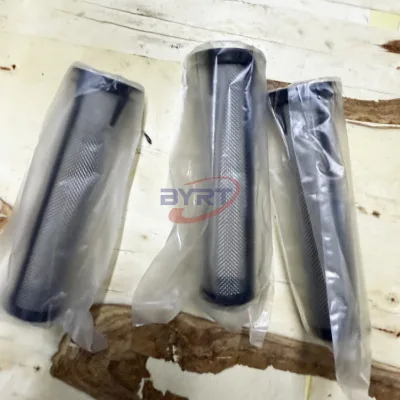
Quality control should extend to the packaging and labeling of the products. Listings indicate various packing methods, from neutral boxes to plywood boxes, which can affect product protection during transit. Buyers should ensure that the packaging is robust enough to prevent damage and that the labeling clearly identifies the product specifications, including OE numbers and model codes. This clarity is vital for efficient inventory management and accurate installation. Additionally, buyers should establish clear communication channels with suppliers to address any quality issues promptly, ensuring that any defects are resolved without disrupting their operations.
Long-Term Procurement Checks
Establishing long-term procurement relationships requires ongoing monitoring of supplier performance and product quality. Buyers should implement regular audits and quality checks to ensure that the filters continue to meet specified standards over time. This includes verifying that the filtration fineness, pressure ratings, and material integrity remain consistent across batches. Buyers should also track the performance of the filters in their vehicles, collecting feedback from maintenance teams to identify any recurring issues. This data-driven approach allows buyers to make informed decisions about supplier continuity and potential alternative sources.
Continuous improvement in the procurement process is essential for maintaining cost efficiency and supply chain resilience. Buyers should regularly review commercial terms, negotiating better prices or more favorable MOQs as their volume increases. They should also stay informed about industry trends and technological advancements in filtration technology, which may offer improved performance or cost savings. By maintaining a proactive approach to supplier management and quality assurance, buyers can ensure a steady supply of high-quality transmission oil filters, supporting the reliability and longevity of their vehicle fleets.
FAQs
What is the warranty period for the transmission oil filter?
The warranty period is 12 months for the new condition transmission oil filter. This coverage applies to the product manufactured in Guangdong, China. Buyers can rely on this standard warranty for replacement or repair purposes. The warranty ensures quality assurance for the automatic type gearbox components supplied by the vendor.
Can the transmission filter be customized for specific applications?
Yes, customization is available for the transmission engine oil filter. The product supports various applications including cars and trucks. Buyers can request specific modifications to meet their operational needs. The manufacturer offers flexible customization options to ensure the filter fits the intended vehicle model and gearbox type effectively.
Which OE numbers are compatible with this transmission filter?
Compatible OE numbers include U540e, U540, A4lb1, 24274649, JF011, and 181142. These numbers correspond to the JF011 transmission model and GM car models. The filter is designed to replace or repair existing systems using these specific reference numbers. Buyers should verify their vehicle's OE number before purchasing to ensure proper fitment.
What is the minimum order quantity for this product?
The minimum order quantity is 10 pieces for the transmission oil filter. This MOQ allows buyers to test the product quality before placing larger orders. The supplier accepts orders starting from this low threshold. Buyers can purchase single items or bulk quantities depending on their inventory requirements and operational scale.
How is the transmission filter packaged for shipping?
The transmission filter is packaged in a neutral box or single packing. The standard packing size is 5x2x2 cm. This compact packaging ensures safe transport via shipping methods like FedEx, DHL, UPS, TNT, and EMS. The neutral box design helps protect the product during transit while maintaining a professional appearance for resale.
What material is used to construct the transmission filter?
The transmission filter is constructed from aluminum material. This material choice ensures durability and effective filtration for automatic type gearboxes. The aluminum construction supports the high-quality standards required for engine oil filtration. Buyers can expect reliable performance from the aluminum components in various automotive applications.