Source Stage Steps for Concerts, Weddings, and Exhibitions
Compare 30 Stage Steps options from verified Chinese manufacturers. Buyers can evaluate specifications like thickness, load capacity, and customization for events such as concerts, weddings, and exhibitions. These products feature aluminum alloy construction, powder coating finishes, and customizable tiers to meet diverse event requirements.
Updated
Key considerations
Products List

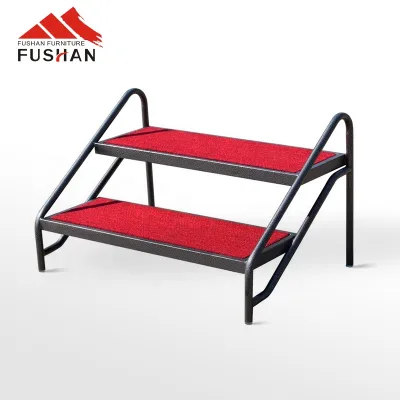
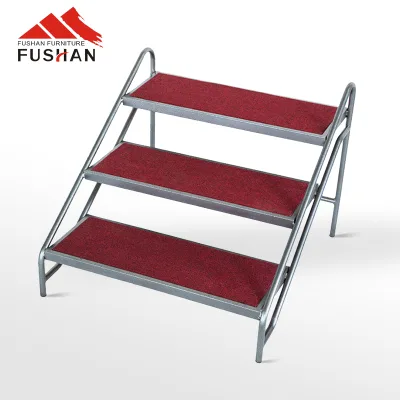


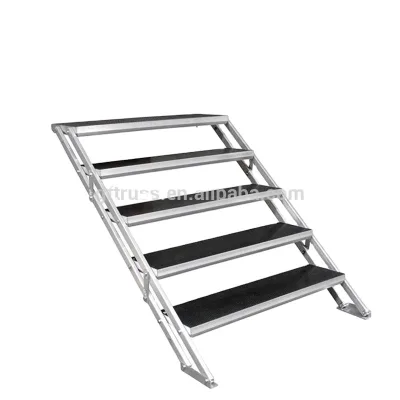
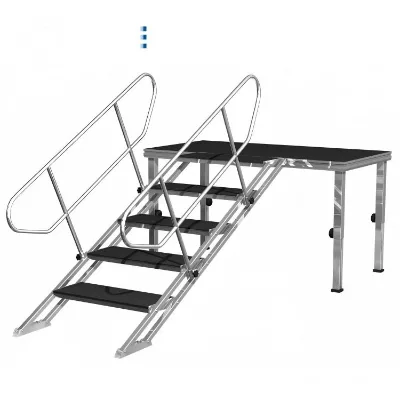
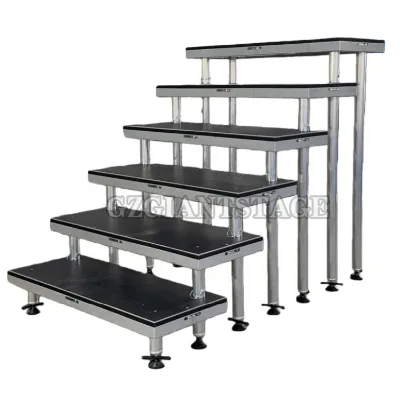
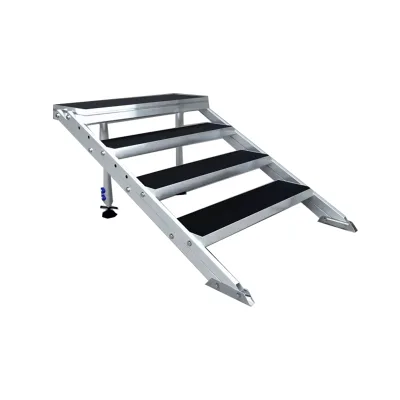
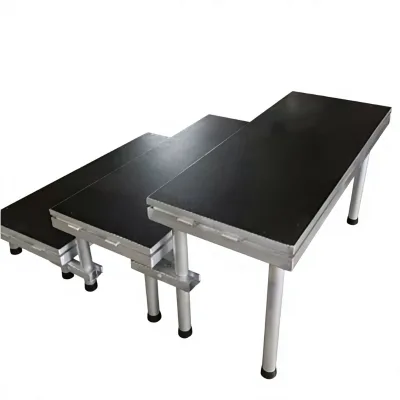
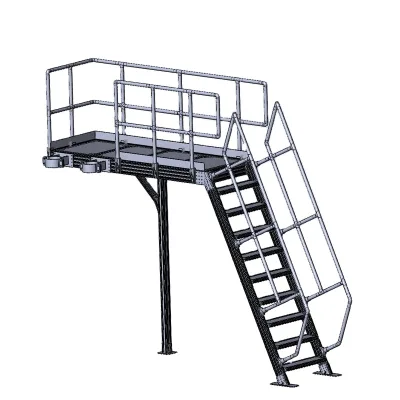
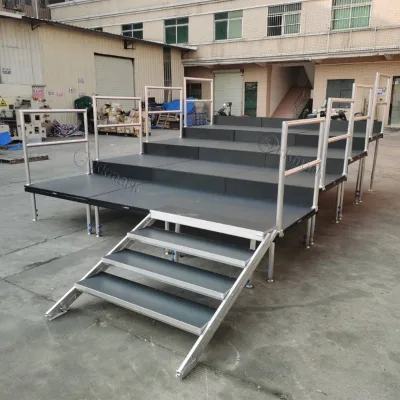
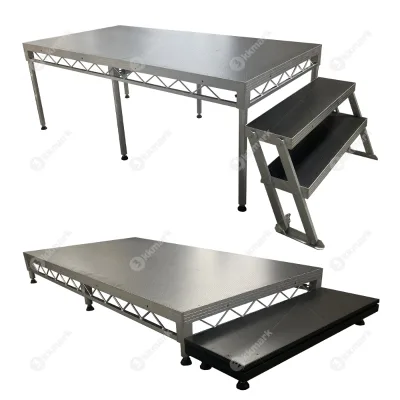
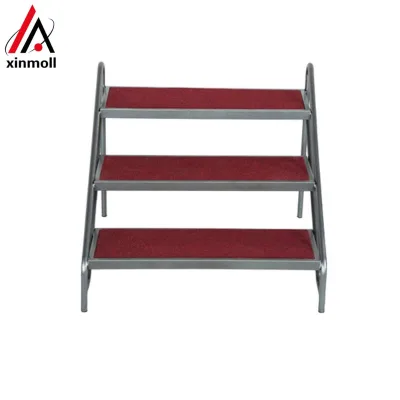
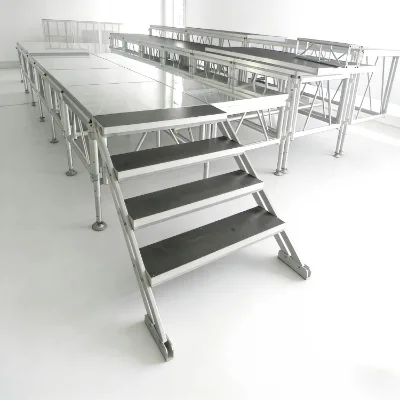
Easy Install Portable Folding Stage Stairs Customized Stairs Steps With Guardrails
$138.6065 - $143.7406
MOQ: 2 pieces
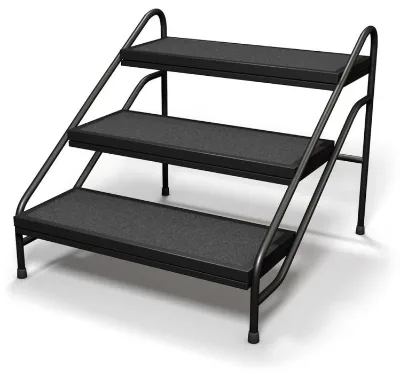


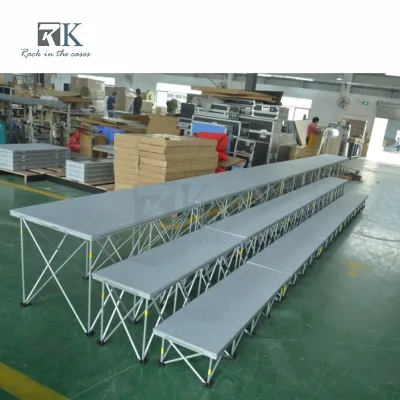
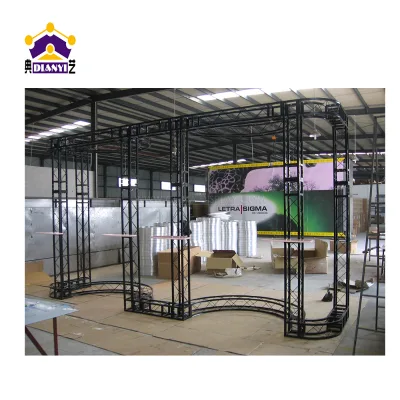
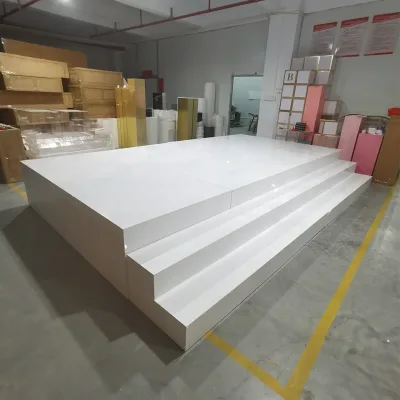
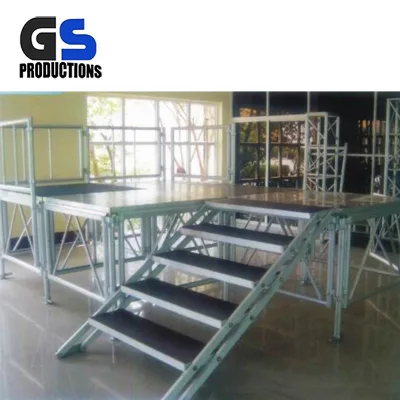

Comprehensive Sourcing Guide
Stage Steps Sourcing Guide
Procuring Stage Steps requires a disciplined approach to aligning temporary infrastructure with specific event demands. Buyers must evaluate structural integrity, load capacity, and aesthetic flexibility to ensure seamless integration into diverse environments. The following guide outlines critical verification steps for sourcing reliable platforms that meet professional standards for concerts, weddings, and corporate exhibitions.
Product Scope and Observed Listing Signals
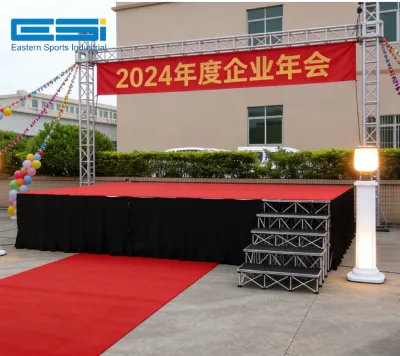
The market for Stage Steps encompasses modular platforms designed for temporary installations in high-traffic venues. Observed listings indicate a strong preference for customizable configurations, including square or circular shapes and tiered structures ranging from one to three levels. These units are frequently deployed in exhibition shows, concerts, and wedding ceremonies, where visual appeal and functional accessibility are paramount.
Suppliers often highlight customization capabilities, allowing buyers to adjust dimensions and colors to match brand identities or stage designs. Common color options include black and red, with many manufacturers offering fully customized finishes. The observed product range suggests a focus on versatility, enabling event organizers to create unique entryways or elevated platforms for speakers and performers without compromising on safety or stability.
Technical Specifications to Verify
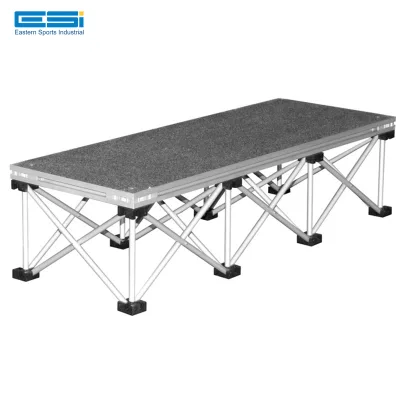
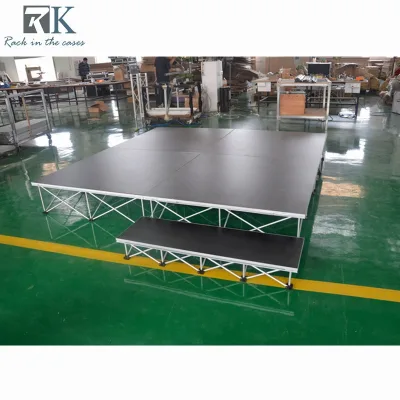
Technical due diligence begins with verifying material composition and structural dimensions. High-quality Stage Steps are typically constructed from aluminum alloys, such as 6061-T6, which provide a favorable strength-to-weight ratio. Buyers should confirm step heights, which often range from 150mm to 250mm, with 200mm being a common standard. Additionally, platform sizes vary, with standard panels measuring 1.22x1.22m or 1x2m, ensuring compatibility with existing truss systems and stage layouts.
Load-bearing capacity and insulation properties are critical safety metrics. Some models support loads exceeding 150kg, making them suitable for heavy equipment or multiple users. Buyers must also verify whether units are insulated or non-insulated, depending on the environmental conditions and electrical proximity. Frame finishes, such as powder coating, contribute to durability and corrosion resistance, extending the lifespan of the equipment across multiple events.
Compliance and Safety Documentation
Safety compliance is non-negotiable for temporary stage structures. Buyers should request certifications such as TUV, CE, SGS, and ISO 9001 to verify that manufacturing processes meet international quality and safety standards. These documents provide assurance that the Stage Steps have undergone rigorous testing for structural integrity and load distribution. Without proper certification, the risk of structural failure during high-profile events increases significantly.
Documentation should also include detailed load ratings and assembly instructions. Manufacturers must provide clear guidelines on weight distribution and anchoring methods to prevent tipping or shifting. Buyers should verify that all components, including steps and frames, are tested for fatigue and stress. Ensuring that suppliers adhere to recognized standards helps mitigate liability and ensures the safety of performers, staff, and attendees during use.
Cost Drivers and Commercial Terms
Pricing for Stage Steps is influenced by material quality, customization complexity, and order volume. Observed price ranges vary widely, reflecting differences in aluminum grade, finish quality, and tier configurations. Buyers should anticipate costs based on specific requirements, such as custom colors or non-standard dimensions. Minimum order quantities (MOQ) typically start at two pieces, allowing for flexible procurement for smaller events or initial trials.
Commercial terms often include a deposit structure, such as a 30% advance payment with the balance due before shipment. Lead times generally range from 20 to 30 days, accounting for manufacturing and quality control processes. Buyers should also consider packaging costs, as units are often shipped in wooden boxes or air bubble film to prevent damage. Understanding these financial and logistical factors helps in budgeting accurately and planning event timelines effectively.
Supplier Qualification and Quality Control
Supplier qualification involves verifying factory capabilities and quality assurance processes. Buyers should confirm that manufacturers have OEM/ODM options and a history of producing reliable stage equipment. Factories located in industrial hubs like Guangdong and Changsha often have established supply chains for aluminum and finishing materials. Verifying the supplier’s production capacity ensures they can meet delivery deadlines for large-scale events.
Quality control measures should include pre-shipment inspections and material testing. Buyers should request evidence of consistent manufacturing standards, such as ISO 9001 certification. Additionally, verifying the supplier’s after-sales service, including 24-hour support, can be crucial for resolving issues quickly. Ensuring that the supplier has a robust quality control system reduces the risk of receiving defective products and ensures long-term reliability.
Long-Term Procurement Checks
Long-term procurement success depends on evaluating the durability and maintenance requirements of Stage Steps. Buyers should assess the expected lifespan of the equipment, with some products offering a quality guarantee for normal use over 9 to 12 years. Regular maintenance, including cleaning and inspection of joints and finishes, is essential to preserve structural integrity and appearance over time.
Suppliers should provide clear guidelines for storage and transportation to minimize wear and tear. Proper packaging, such as wooden frames or boxes, helps protect components during transit. Buyers should also consider the ease of assembly and disassembly, as frequent setup and teardown can impact the longevity of the equipment. Establishing a maintenance schedule and partnering with reliable suppliers ensures that Stage Steps remain safe and functional for future events.
FAQs
What customization options are available for Stage Steps?
Customization is available for shape, color, and tier configuration. Buyers can select square or circle shapes with black or red colors. The product offers 1, 2, or 3 tiers and allows for specific dimensions to meet unique event requirements.
Which certifications do these Stage Steps hold?
The products hold TUV, CE, SGS, and ISO 9001 certifications. These credentials ensure safety and quality standards are met for various applications. Buyers can verify these documents to confirm compliance with international safety regulations for events and exhibitions.
How long is the delivery time for Stage Steps?
The standard delivery time ranges from 20 to 30 days. This lead time applies to orders placed with the factory in Guangdong or Changsha. Buyers should plan their event schedules accordingly to ensure timely arrival of the equipment.
What is the minimum order quantity for Stage Steps?
The minimum order quantity is typically 2 pieces for most models. Some listings indicate a single item selling unit, but the standard MOQ remains low. This allows small events to purchase the necessary equipment without excessive inventory commitments.
Can Stage Steps be used for outdoor concerts?
Yes, these Stage Steps are suitable for concerts, weddings, and exhibitions. They feature powder-coated frames and aluminum alloy construction for durability. The design supports heavy loads and is built to withstand the demands of professional event environments.
What materials are used to construct the Stage Steps?
The steps are constructed from Aluminum Alloy 6061-T6 and aluminum. The frame finish involves powder coating to enhance durability and appearance. This material choice ensures the structure is strong, lightweight, and resistant to corrosion during repeated use.
Where are these Stage Steps manufactured?
Manufacturing takes place in Guangdong and Changsha, China. These locations serve as the primary origins for the products listed. Buyers can expect factory-direct sourcing from these established industrial regions in China.