Source Stainless Steel Bar Stool for Hotel, Wedding, Banquet
Compare 30 Stainless Steel Bar Stool options from verified suppliers. Explore models like FX-695 and Luxury-BC201 with varying sizes, finishes, and delivery times for hotel, wedding, and banquet applications; compare the available evidence and request quotations based on your requirements.
Updated
Key considerations
Products List


Hot Sale Bar Furniture Stainless Steel Black Bar Table Black Bar Stool
$180.00 - $400.00
MOQ: 2 Pieces


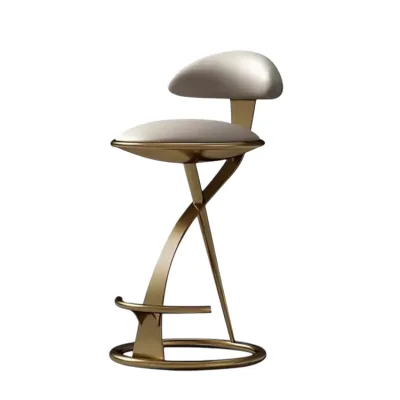
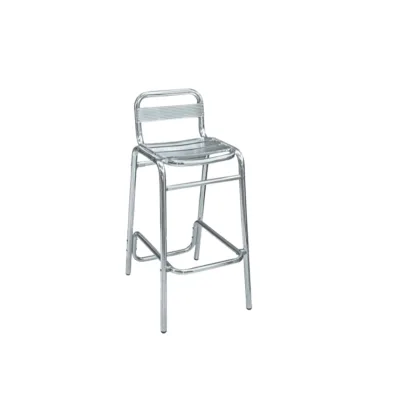
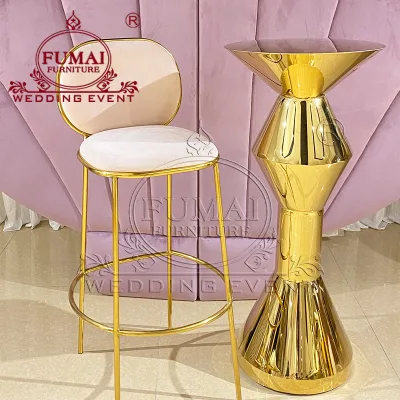


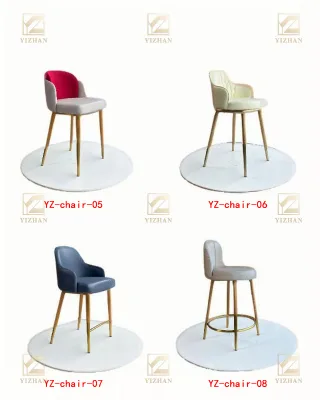
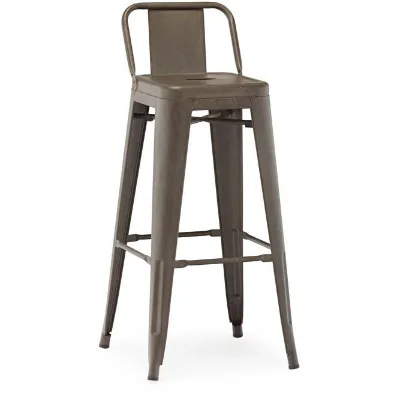
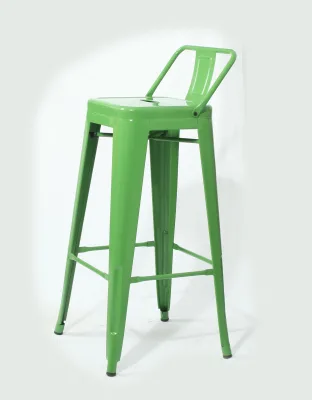
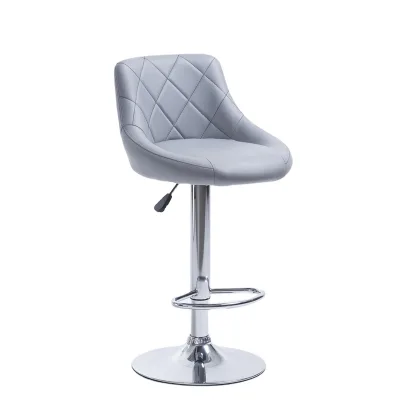

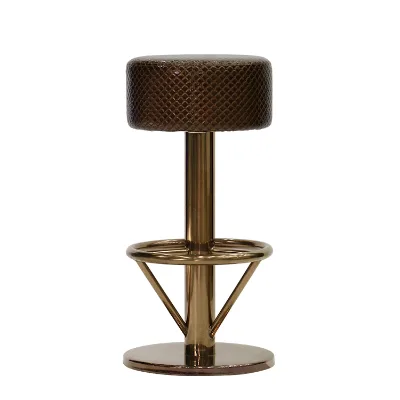
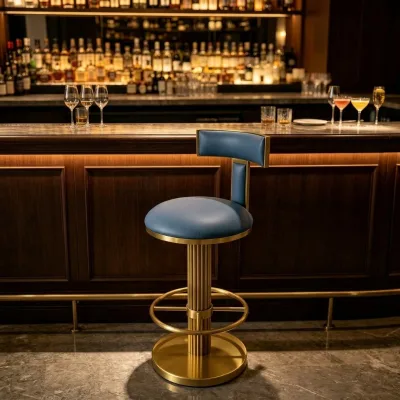
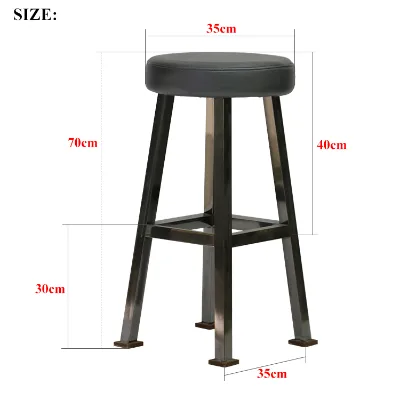
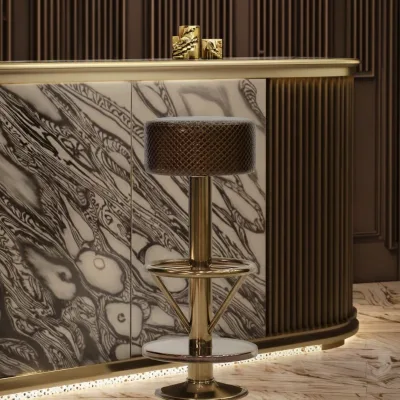
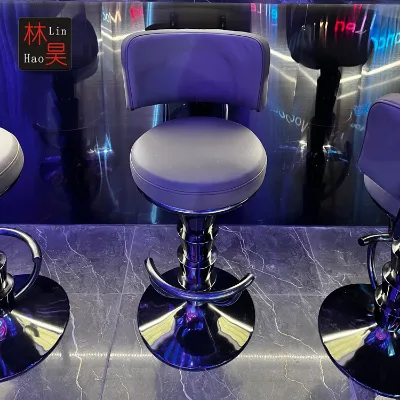


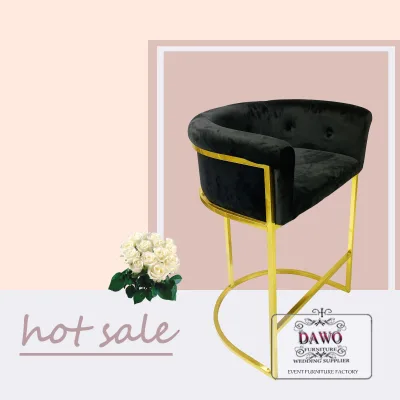
Luxury Design Stainless Steel Low Back Black Velvet Armrest bar Stool
$98.9625 - $119.7956
MOQ: 2 Minimum
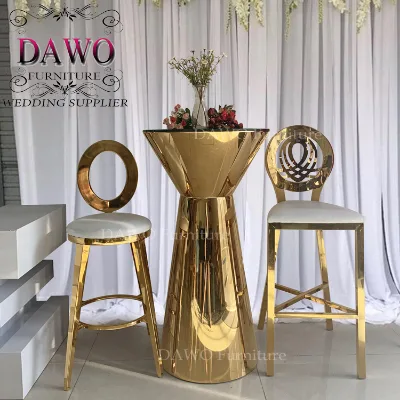
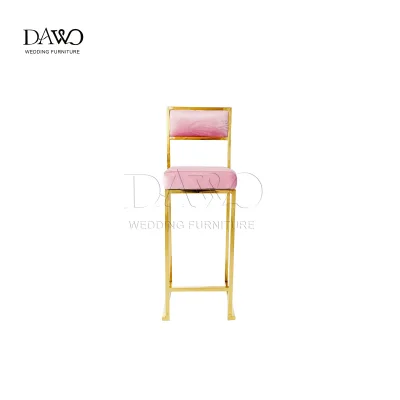

Comprehensive Sourcing Guide
Stainless Steel Bar Stool Sourcing Guide
Procuring stainless steel bar stools requires a disciplined approach to material verification and structural integrity assessment. Buyers must prioritize suppliers who provide transparent documentation regarding alloy grades, as the term "stainless steel" alone does not guarantee corrosion resistance or durability in high-traffic environments. The observed market data indicates a strong presence of products originating from Guangdong, China, with specific models like FX-695 and FXB-215 representing common industrial standards. Sourcing teams should focus on verifying the specific grade of steel used, ensuring it aligns with the intended application, whether for commercial hotels, residential kitchens, or banquet halls.
Beyond material composition, the manufacturing process and finishing techniques significantly impact the longevity and aesthetic appeal of the final product. The supply chain features a variety of design options, including square and rectangular shapes, with frame colors ranging from silver to rose gold. Buyers should evaluate the consistency of surface treatments, such as plating or polishing, to prevent premature tarnishing or wear. Understanding the specific model numbers and their associated specifications allows for more accurate comparisons between different suppliers, ensuring that the selected stools meet both functional requirements and brand identity standards.
Product Scope and Observed Listing Signals
The current market landscape for stainless steel bar stools is characterized by a diverse range of styles and configurations, primarily centered around modern design aesthetics. Listings frequently highlight products with specific attributes such as fixed rotary mechanisms, square or rectangular seat shapes, and a lack of armrests, which contributes to a sleek, contemporary look. The observed price range spans from $0.1 to $400 USD, reflecting significant variation in quality, material thickness, and brand positioning. This wide spectrum necessitates careful evaluation of product images and detailed descriptions to distinguish between basic utility pieces and luxury items intended for high-end hospitality venues.
Application contexts observed in the supply data include weddings, parties, banquets, hotels, and residential dining areas, indicating versatility in end-use scenarios. Many suppliers offer customized options, allowing buyers to tailor dimensions, colors, and packaging to specific project needs. The presence of models like "Luxury-BC201" suggests a segment focused on premium aesthetics, while standard size offerings cater to bulk commercial orders. Buyers should note that while many products are described as new and customized, the actual customization capabilities vary by supplier, requiring direct confirmation of lead times and minimum order quantities for bespoke requirements.
Technical Specifications to Verify
Verifying technical specifications is critical to ensuring that the stainless steel bar stools meet structural and dimensional requirements. Key attributes to confirm include the overall height, with observed sizes reaching up to 110 cm, and the ability to customize dimensions for specific counter heights. The material composition should be explicitly defined, with many listings specifying stainless steel as the main material, often complemented by metal frames in various finishes. Buyers must also verify the seat shape and structure, noting that square and rectangular designs are prevalent, and confirm whether the stools are designed to be folded or remain in a fixed, unfolded state for stability.
Additional technical details include the packing configuration, which impacts shipping costs and handling efficiency. Common packing methods observed include four chairs per box, carton packages, and wooden packages, with some suppliers specifying a standard cubic meter volume of 1 CBM. The model numbers, such as FX-865 or FX-215, serve as unique identifiers for quality control and reordering purposes. Buyers should request detailed technical drawings or cut sheets to verify load-bearing capacity and joint integrity, ensuring that the stools can withstand the intended usage frequency without compromising safety or comfort.
Compliance and Safety Documentation
While specific certification standards are not explicitly detailed in the observed listings, buyers must proactively request compliance documentation to mitigate risk. Stainless steel products intended for food-adjacent environments, such as kitchen islands or dining areas, should ideally meet relevant food safety standards for material contact. Buyers should inquire about third-party testing reports that verify the stability of the stools, particularly for high-back or tall designs, to prevent tipping hazards. Ensuring that the manufacturing process adheres to recognized quality management systems is also essential for maintaining consistent product quality across large orders.
Warranty terms observed in the market range from three years to more than five years, indicating varying levels of confidence in product durability. Buyers should carefully review the warranty coverage to understand what defects are included, such as structural failures or finish degradation, and what conditions might void the warranty. Additionally, verifying that the supplier adheres to international trade standards for packaging and labeling can facilitate smoother customs clearance and reduce the risk of damage during transit. Establishing clear communication regarding compliance expectations early in the sourcing process helps align supplier capabilities with buyer requirements.
Cost Drivers and Commercial Terms
Several factors influence the final cost of stainless steel bar stools, including material thickness, surface finish complexity, and order volume. The observed minimum order quantities (MOQ) range from 1 piece to 50 pieces, with some suppliers setting an MOQ of 10 pieces for certain models. Buyers should consider the trade-off between lower MOQs and higher unit prices, especially for initial sampling or small-scale projects. Payment terms typically involve a deposit structure, such as 50% deposit and 50% balance, which is common in international trade to secure production slots and manage cash flow for both parties.
Lead times are another significant cost driver, with observed delivery times ranging from 5-7 days after receiving a deposit to 20-25 days for standard production runs. These variations depend on the supplier's current workload, the complexity of customization, and the shipping method selected. Buyers should factor in these lead times when planning inventory replenishment or event setups to avoid rush fees or stockouts. Additionally, shipping costs from loading ports like Guangzhou, Shenzhen, or Foshan can vary based on volume and destination, so obtaining comprehensive freight quotes is essential for accurate budgeting.
Supplier Qualification and Quality Control
Selecting a reliable supplier involves assessing their production capabilities, quality control processes, and track record. Buyers should verify the supplier's location, with many manufacturers based in Guangdong, China, a hub for furniture production. Requesting factory audits or virtual tours can provide insights into the manufacturing environment and quality assurance practices. Suppliers offering customized products should demonstrate flexibility in handling design changes while maintaining consistent quality standards. It is also advisable to check for any brand affiliations, such as YULIN, which may indicate established market presence and brand reputation.
Quality control measures should include pre-production samples, in-process inspections, and final random inspections before shipment. Buyers should define clear acceptance criteria for surface finish, structural integrity, and packaging quality to ensure that the delivered products meet expectations. Establishing a communication protocol for addressing defects or discrepancies is crucial for maintaining a productive supplier relationship. By prioritizing suppliers with robust quality control systems and transparent communication, buyers can reduce the risk of receiving substandard products and ensure long-term satisfaction with their procurement investments.
Long-Term Procurement Checks
Sustaining a successful procurement strategy for stainless steel bar stools requires ongoing monitoring of supplier performance and market trends. Buyers should regularly review supplier delivery times, product quality consistency, and responsiveness to issues to identify potential risks early. Maintaining a diversified supplier base can mitigate the impact of supply chain disruptions and provide leverage in negotiations. Additionally, staying informed about emerging design trends and material innovations can help buyers make informed decisions about future purchases and product updates.
Long-term relationships with suppliers can lead to benefits such as priority production slots, better pricing, and improved service levels. Buyers should invest time in building these relationships through consistent communication and fair treatment. Regularly updating product specifications and requirements based on feedback from end-users can also enhance the relevance and appeal of the sourced products. By adopting a proactive and strategic approach to supplier management, buyers can ensure a steady supply of high-quality stainless steel bar stools that meet their evolving business needs.
FAQs
What materials are used for the Stainless Steel Bar Stool?
The bar stool is constructed primarily from metal, with specific models utilizing stainless steel as the main material. This ensures durability and a modern aesthetic suitable for various commercial and residential settings. The frame color options include silver, gold, and rose gold, providing versatile design choices for different interior styles.
Can I customize the size of the Stainless Steel Bar Stool?
Yes, customization is available for the Stainless Steel Bar Stool. The standard height is 110 cm, but you can request custom sizes to fit specific requirements. The product is designed to be unfolded and fixed, ensuring stability. Customized options allow you to tailor the dimensions to your specific space needs.
What is the minimum order quantity for these bar stools?
The minimum order quantity varies by supplier, ranging from 1 piece to 50 pieces. Some listings specify an MOQ of 10 pieces, while others allow for single unit purchases. This flexibility supports both small-scale trials and larger bulk orders for hotels, restaurants, or banquet halls requiring multiple units.
How long is the delivery time for the bar stool?
The typical delivery time is 20 to 25 days after receiving the deposit. For some models, delivery may take 5 to 7 days after receiving the deposit. Payment terms usually require a 50% deposit and 50% balance. Lead times may vary based on customization and production schedules.
Where are these stainless steel bar stools manufactured?
These bar stools are manufactured in Guangdong, China. The loading ports include Guangzhou, Shenzhen, and Foshan, facilitating efficient export logistics. The products originate from this region, known for its robust manufacturing capabilities. Buyers can expect standard packaging and reliable shipping arrangements from these designated ports.
What warranty is provided for the Stainless Steel Bar Stool?
Warranty periods vary, with some models offering more than 3 years of coverage. Other listings specify a 3-year warranty, while certain high-end options provide more than 5 years. This warranty covers manufacturing defects and ensures product reliability. Buyers should verify the specific warranty terms with the supplier before purchase.