Source Stainless Steel Kitchen Workbench for Prep, Cooking, and Storage
Explore 30 Stainless Steel Kitchen Workbench options from verified Chinese manufacturers. Compare models like CT-GX018 and CT-GW002, featuring SS201/304 materials, various dimensions, and customizable specifications for professional food preparation and storage needs; compare the available evidence and request quotations based on your requirements.
Updated
Key considerations
Products List


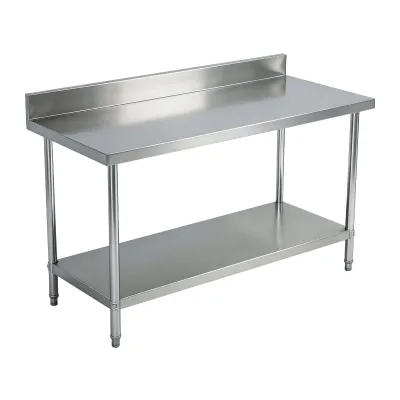
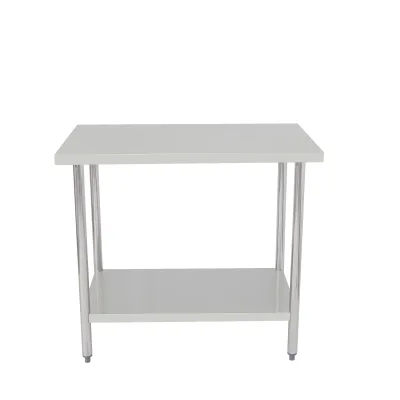
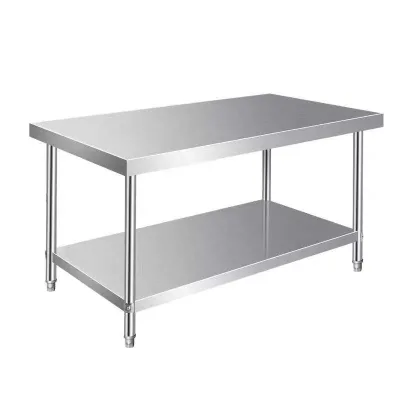
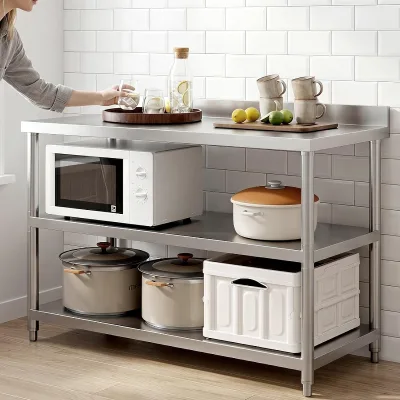
Business Restaurant Hotel Stainless Steel Kitchen Workbench with Shelf
$120.00 - $210.00
MOQ: 1 Pieces

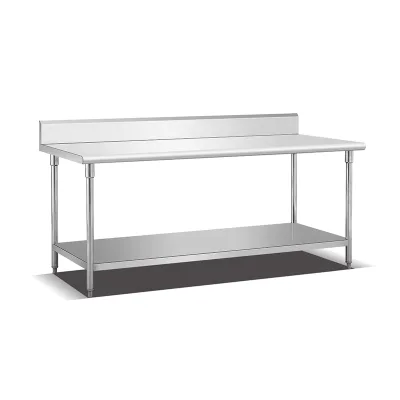
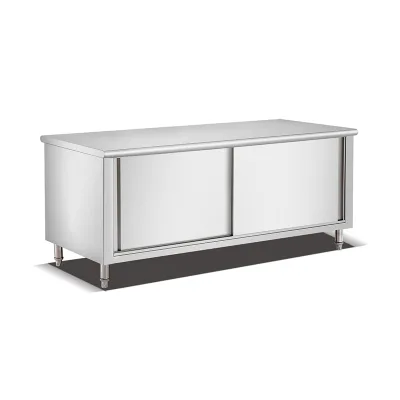
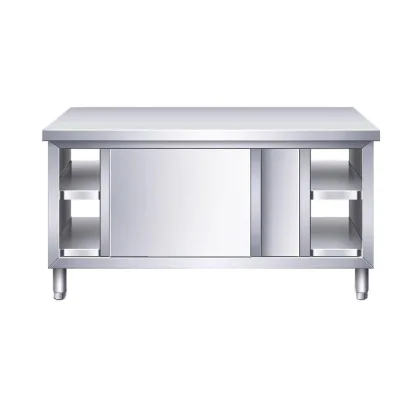
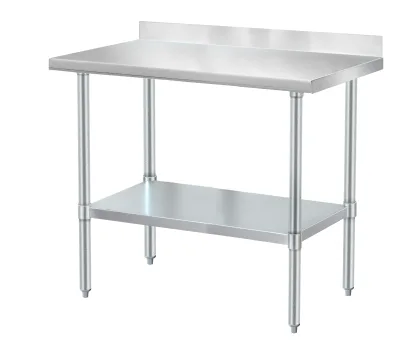
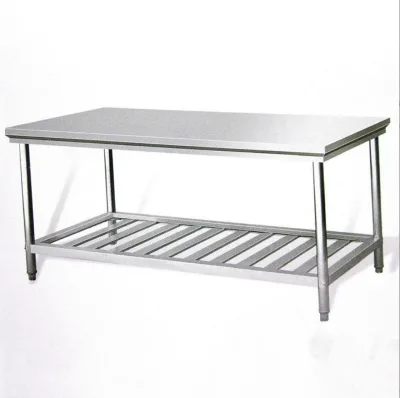
XY Best Kitchen Workbench Cutting Table Stainless Steel Workbench
$128.6337 - $175.3155
MOQ: 10 Minimum
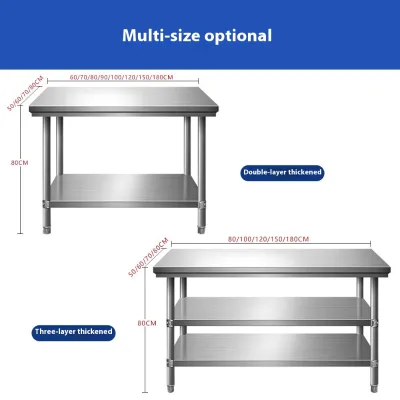

Comprehensive Sourcing Guide
Stainless Steel Kitchen Workbench Sourcing Guide
Procuring stainless steel kitchen workbenches requires a disciplined approach to material verification and dimensional accuracy, as these units form the backbone of commercial food preparation areas. Buyers must prioritize factories that explicitly state their alloy composition, distinguishing between cost-effective 201 grades and the more corrosion-resistant 304 stainless steel. The observed market data indicates that suppliers often list both SS201 and SS304 options, meaning the procurement team must confirm the specific grade for each order to ensure compliance with local health and safety regulations. This distinction directly impacts the longevity of the equipment in high-moisture, high-acid environments typical of professional kitchens.
Beyond material grade, the structural integrity and finish quality are critical for long-term operational efficiency. The observed listings highlight a thickness range of 0.8-1.5mm, which varies significantly in load-bearing capacity and resistance to denting. Buyers should verify the exact thickness of the tabletop and legs, as thinner gauges may warp under heavy equipment loads or frequent impact. Additionally, the surface finish, often described as silver or stainless steel colored, should be inspected for uniformity and freedom from scratches or weld defects that could harbor bacteria. Ensuring these physical attributes meet the specific operational demands of the kitchen is the first step in mitigating future maintenance costs and ensuring a hygienic workspace.
Product Scope and Observed Listing Signals
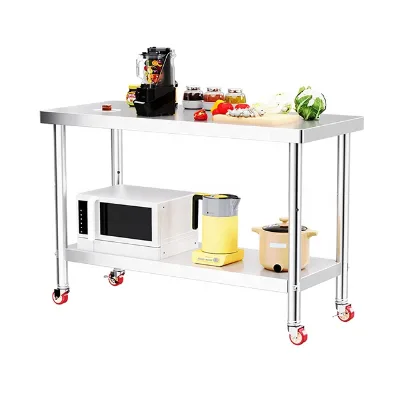
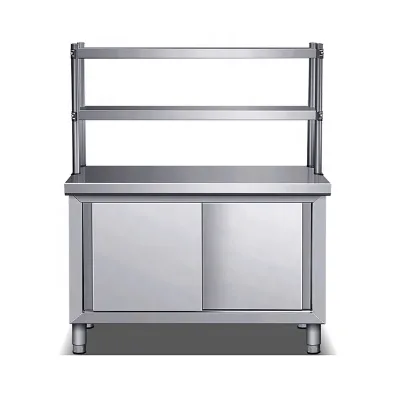
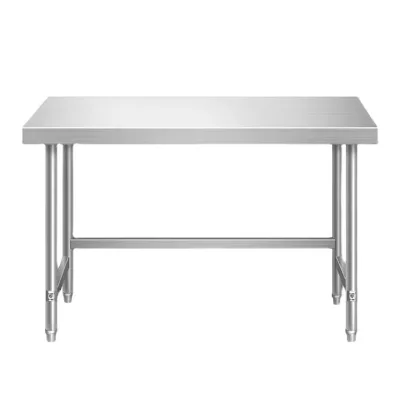
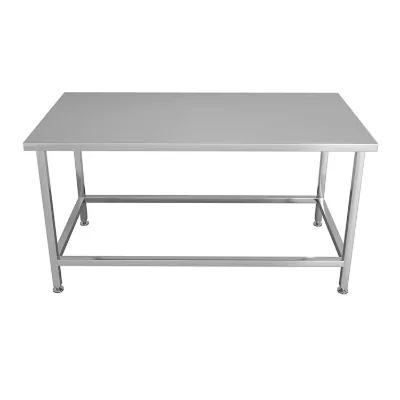
The current market for stainless steel kitchen workbenches presents a diverse array of configurations tailored to different spatial and functional needs. Observed product models such as CT-GX018, CT-GW002, and CT-GW018 indicate a wide variety of standard and customizable dimensions. Buyers will encounter options ranging from compact 60cm widths to expansive 180cm lengths, with standard heights often fixed at 80cm to accommodate ergonomic food preparation. The presence of both square and rectangular shapes, along with fixed and unfixed structural options, suggests that suppliers cater to both modular kitchen layouts and permanent installations. This variety allows procurement teams to select units that fit precisely within their available floor space without compromising workflow efficiency.
Packaging and origin details provide additional context for logistics planning and quality expectations. Most observed listings originate from China, with specific mentions of Guangdong and Shandong provinces as key manufacturing hubs. The packaging methods vary, with some suppliers using wooden strips for robust protection, while others opt for carton packaging or wood safety packing to prevent transit damage. These details are crucial for calculating landed costs, including freight and insurance, as heavier, bulkier items require more careful handling. Furthermore, the observation of "unfolded" and "assembled" installation attributes suggests that some units arrive fully assembled for immediate use, while others may require on-site assembly, impacting the timeline for kitchen commissioning and labor costs.
Technical Specifications to Verify
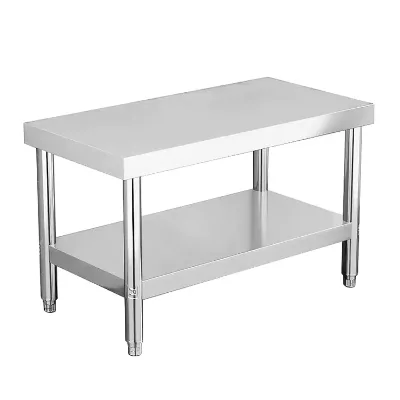
Dimensional accuracy is paramount when integrating workbenches into a pre-designed kitchen layout. Buyers must verify the exact external and internal dimensions, as observed standards include configurations like 1200800800mm and metric equivalents such as 1208080cm. It is essential to confirm whether these measurements include overhangs, leg thicknesses, or internal shelf clearances, as discrepancies can lead to installation failures. The observed specification lists multiple double-layer options, such as 804080 and 1206080, indicating that under-shelf storage capacity is a key differentiator. Procurement teams should request detailed technical drawings that specify the exact footprint and clearance requirements to ensure seamless integration with other kitchen equipment and cabinetry.
Material thickness and structural design directly influence the durability and load-bearing capacity of the workbench. The observed thickness range of 0.8-1.5mm requires careful selection based on the intended use; heavier commercial appliances may necessitate the upper end of this range to prevent sagging. Buyers should also verify the construction of the legs and supports, ensuring they are securely welded and capable of withstanding dynamic loads. The observation of "high quality" attributes suggests that some suppliers emphasize superior craftsmanship, but this must be validated through third-party inspections or sample reviews. Additionally, the single package size of 122X62X14 cm and gross weight of 35.000 kg provide critical data for warehouse handling and storage planning, ensuring that the receiving team is prepared for the physical logistics of the delivery.
Compliance and Safety Documentation
Certification requirements vary by region, but CE marking is a common indicator of compliance with European health, safety, and environmental protection standards. Buyers should request valid CE certificates for each model, verifying that the documentation covers the specific stainless steel grade and structural design being purchased. The presence of ISOFixed certifications in some listings may relate to specific mounting or safety standards, though its relevance to workbenches should be clarified with the supplier. Ensuring that all documentation is up-to-date and matches the physical products is essential for passing health inspections and avoiding legal liabilities in regulated markets. Procurement teams must treat certification verification as a non-negotiable step in the supplier qualification process.
Food safety and hygiene standards are equally critical for kitchen equipment. Buyers should verify that the stainless steel used meets food-grade standards, ensuring it is non-toxic and resistant to corrosion from cleaning agents. The observed "high quality" claims should be backed by material test reports that confirm the absence of harmful substances and the integrity of the surface finish. Additionally, the assembly process should be reviewed to ensure that there are no sharp edges or crevices where food particles could accumulate. Suppliers should provide clear instructions for cleaning and maintenance to help kitchen staff preserve the hygiene of the workbench over time. This proactive approach to compliance documentation helps mitigate risks and ensures that the equipment meets the rigorous demands of commercial food preparation environments.
Cost Drivers and Commercial Terms
Pricing for stainless steel kitchen workbenches is influenced by material costs, dimensions, and customization options. The observed price range of $16.79 to $459 USD reflects significant variation based on these factors, with higher prices typically corresponding to thicker gauges, larger dimensions, or premium 304 stainless steel. Buyers should analyze the cost per square meter or per unit of thickness to compare value across different suppliers. The minimum order quantity (MOQ) ranges from 1 to 50 units, offering flexibility for both small-scale renovations and large commercial projects. Understanding these cost drivers allows procurement teams to budget accurately and negotiate effectively, ensuring that they receive the best value for their specific requirements without compromising on essential quality attributes.
Commercial terms, including payment methods and lead times, play a crucial role in the overall procurement strategy. Buyers should clarify the payment structure, such as deposits and balance payments, and ensure that secure transaction methods are in place. Lead times can vary based on production capacity and customization needs, so it is essential to confirm delivery schedules before placing orders. The observed "customizable" attributes suggest that tailored solutions may incur additional costs or longer lead times, which should be factored into the project timeline. Additionally, buyers should inquire about warranty policies and after-sales support, as these factors can significantly impact the total cost of ownership. Clear communication of commercial terms helps prevent misunderstandings and ensures a smooth transaction process.
Supplier Qualification and Quality Control
Supplier qualification begins with verifying the manufacturer's credentials and production capabilities. Buyers should request business licenses, factory audits, and references from previous clients to assess reliability and consistency. The observed brand names, such as Wiberda and XY Best, indicate that some suppliers operate under established brands, which may offer greater accountability and quality assurance. Procurement teams should prioritize suppliers who demonstrate transparency in their manufacturing processes and are willing to provide detailed product specifications. Conducting on-site visits or third-party inspections can provide valuable insights into the supplier's quality control systems and production standards, ensuring that they meet the buyer's expectations for durability and performance.
Quality control measures should be implemented throughout the production and delivery process. Buyers should define clear acceptance criteria for material thickness, surface finish, and dimensional accuracy, and include these in the purchase contract. Regular inspections during production and before shipment can help identify and rectify defects early, reducing the risk of receiving substandard products. The observed "wood safety packing" and "carton" packaging options suggest that suppliers are aware of the need for robust protection during transit, but buyers should still verify that packaging meets international shipping standards. Establishing a strong relationship with the supplier and maintaining open communication channels can facilitate quicker resolution of any issues that arise, ensuring a successful procurement outcome.
Long-Term Procurement Checks
Long-term success in sourcing stainless steel kitchen workbenches depends on continuous monitoring of supplier performance and product quality. Buyers should establish key performance indicators (KPIs) such as on-time delivery rates, defect rates, and responsiveness to issues, and review these metrics regularly. Maintaining a diversified supplier base can mitigate risks associated with single-source dependencies, ensuring continuity of supply in case of disruptions. Additionally, staying informed about industry trends and technological advancements can help buyers identify new opportunities for cost savings or performance improvements. Regular feedback loops with end-users, such as kitchen staff, can provide valuable insights into the practical performance of the workbenches, guiding future procurement decisions.
Sustainability and ethical sourcing practices are increasingly important considerations for modern procurement teams. Buyers should inquire about the environmental impact of the manufacturing process, including energy usage and waste management, and prioritize suppliers who demonstrate a commitment to sustainability. Verifying that the stainless steel is sourced from reputable suppliers with responsible mining and processing practices can enhance the brand reputation of the buyer. Furthermore, considering the end-of-life disposal or recycling options for the workbenches can contribute to a more circular economy. By integrating these long-term checks into the procurement strategy, buyers can ensure that their sourcing activities align with broader corporate social responsibility goals and contribute to a more sustainable future.
FAQs
What certifications do the stainless steel kitchen workbenches have?
The stainless steel kitchen workbenches carry CE certification as a standard requirement for compliance. Some listings also reference ISO standards, ensuring the products meet international safety and quality benchmarks for commercial kitchen environments.
Which materials are used to construct these stainless steel tables?
These tables are constructed from SS201 or SS304 stainless steel to ensure durability and corrosion resistance. The material choice allows for a silver finish while maintaining structural integrity for heavy-duty food preparation tasks in professional kitchens.
Can I customize the dimensions of the stainless steel workbench?
Yes, customization is available for the stainless steel workbench to meet specific kitchen layout needs. Buyers can select from various standard sizes like 1200*800*800mm or request custom specifications to fit their unique operational requirements.
How are the stainless steel workbenches packaged for shipping?
The workbenches are packaged using wooden strips, cartons, or wood safety packing to prevent damage during transit. This robust packaging ensures the product arrives in pristine condition, ready for immediate installation in your commercial kitchen facility.
What is the typical thickness of the stainless steel workbench surface?
The surface thickness typically ranges from 0.8mm to 1.5mm depending on the specific model selected. This thickness provides a balance between lightweight handling and sufficient rigidity for daily food preparation and heavy equipment placement.
Where are these stainless steel kitchen workbenches manufactured?
These workbenches are manufactured in China, with specific origins noted in Guangdong and Shandong provinces. This location allows for efficient production and shipping logistics to international buyers seeking cost-effective stainless steel kitchen solutions.