Source Dishwasher Safe Melamine Serving Tray for Restaurants, Hotels, and Catering
Compare 30 Dishwasher Safe Melamine Serving Tray options from verified Chinese suppliers. Evaluate models like Tr520 and 4135-15 for food service, kitchen, and promotional uses with eco-friendly features and custom design capabilities; compare the available evidence and request quotations based on your requirements.
Updated
Key considerations
Products List


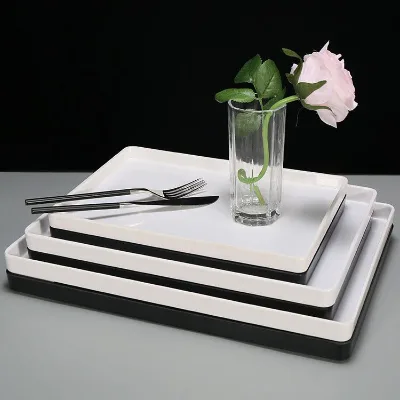
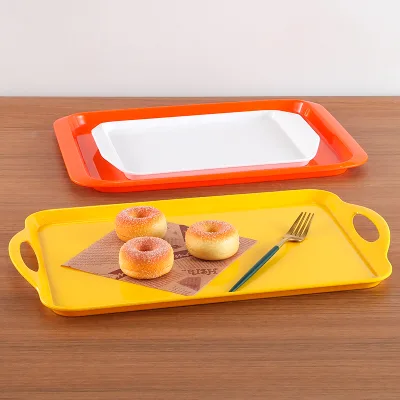

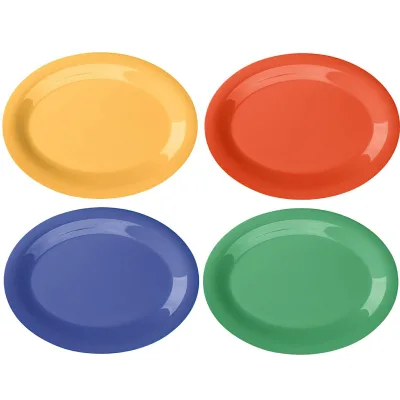
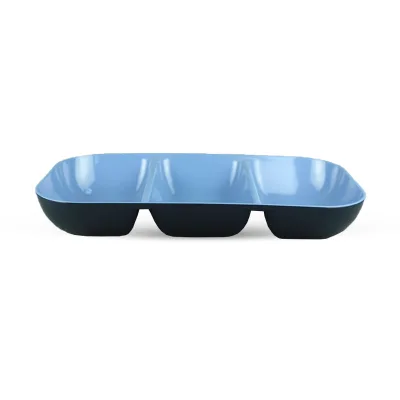


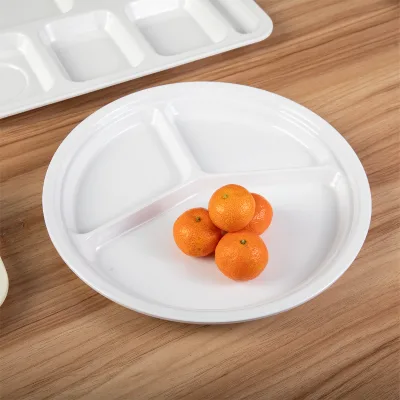
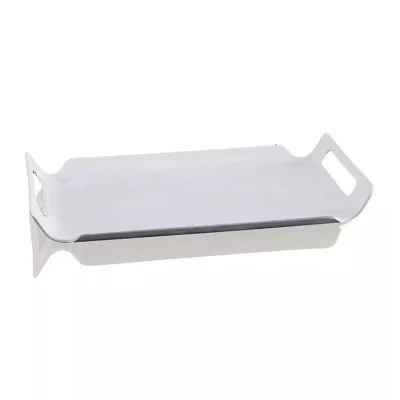
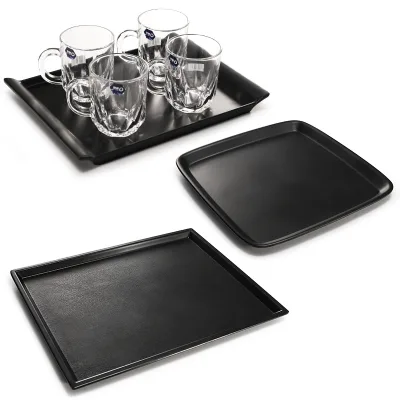
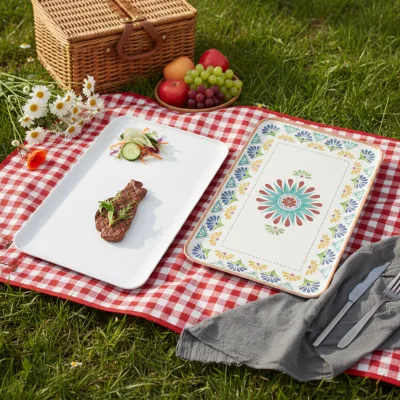



Comprehensive Sourcing Guide
Dishwasher Safe Melamine Serving Tray Sourcing Guide
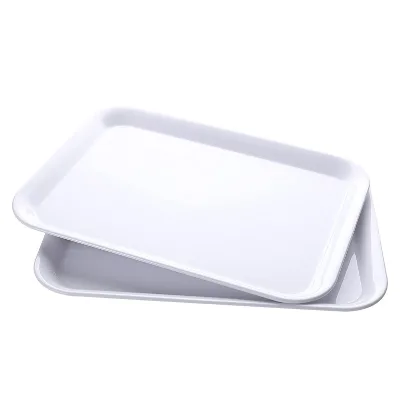
Procuring melamine serving trays requires careful navigation of material properties and supplier claims, particularly regarding durability and safety. The core keyword highlights a specific functional expectation: dishwasher safety. However, the supplied product facts indicate that the material is primarily melamine plastic, with some listings explicitly noting "Non-Disposable" status and others highlighting "Eco-Friendly" features. Buyers must distinguish between general melamine durability and specific thermal resistance limits. While melamine is known for being unbreakable and food-safe, its compatibility with high-heat dishwasher cycles varies by manufacturer. The observed product attributes include models like "Melamine Tray Tr520" and "Melamine serving tray," suggesting a range of designs from classic to custom. Understanding these nuances is critical for selecting trays that maintain integrity under repeated washing.
The sourcing landscape for these items is diverse, with origins primarily traced to China, including specific regions like Guangdong. Suppliers offer various customization options, including custom logos, designs, and packing, which can influence both cost and lead times. The observed minimum order quantities (MOQ) range significantly, from 3 units to 3000 units, indicating flexibility for both small businesses and large distributors. Prices observed in the market span from $0.28 to $2049, reflecting differences in size, complexity, and branding. Buyers should verify if the "dishwasher safe" claim is backed by specific thermal testing data, as generic melamine may warp or degrade under high heat. This guide provides a framework for evaluating suppliers based on verified specifications rather than marketing assertions.
Product Scope and Observed Listing Signals
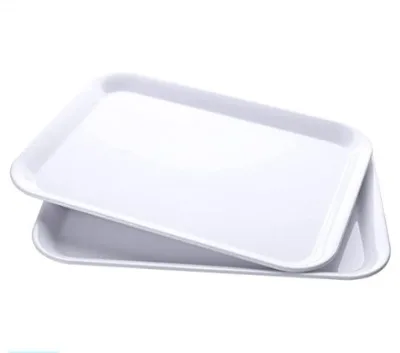
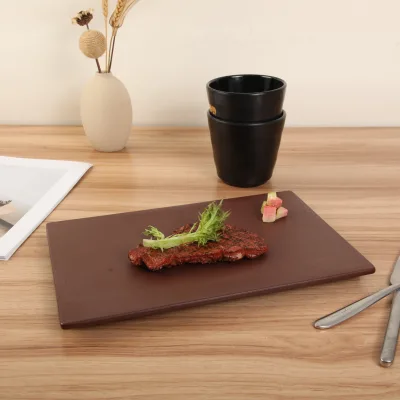
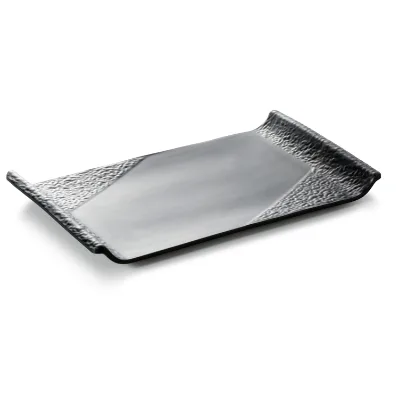
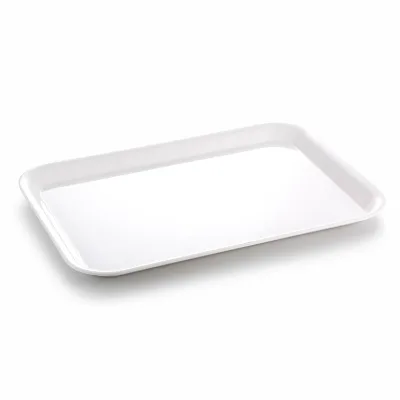
The product scope for melamine serving trays encompasses a wide variety of shapes, sizes, and intended uses. Observed listings highlight rectangular shapes and specific dimensions such as 388mm x 281mm x 30mm and 256mm x 154mm x 18mm. These dimensions suggest suitability for diverse dining applications, from individual plates to larger serving platters. The material is consistently identified as melamine or plastic, with some sources specifying "100% melamine" raw material. This consistency in material composition is a key signal for buyers seeking durable, lightweight alternatives to ceramic or glass. The "Non-Disposable" attribute further reinforces the product's positioning as a long-term investment for commercial or home use, distinguishing it from single-use alternatives.
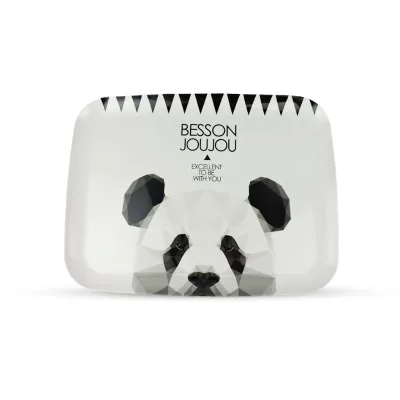
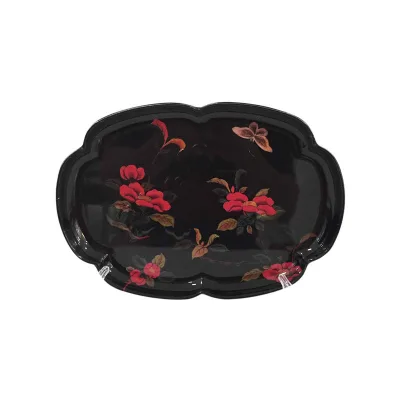
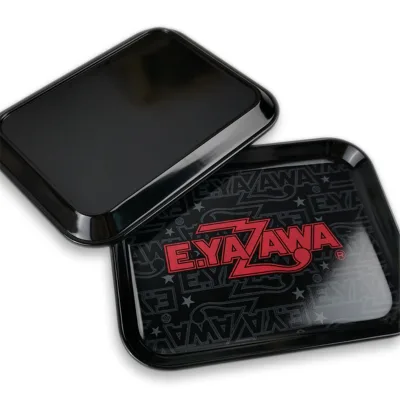
Listing signals also reveal significant variability in customization and branding options. Many suppliers offer custom designs, logos, and packing solutions, catering to businesses looking for branded merchandise or promotional gifts. The observed color options include multicolor, white, and black, allowing for aesthetic flexibility. Some products are marketed with features like "Eco-Friendly" and "Stocked," indicating immediate availability for urgent orders. The presence of specific model numbers, such as 4135-15, 9010, and 8015, helps in tracking specific product lines. Buyers should use these identifiers to request precise samples and verify that the physical product matches the listed specifications, particularly regarding thickness and weight, which impact durability.
Technical Specifications to Verify
Verifying technical specifications is paramount to ensuring the trays meet operational needs. Key dimensions to confirm include the single package size, which has been observed at 55x55x45 cm, and the gross weight, noted as 8.000 kg for certain bulk packages. These metrics are crucial for calculating shipping costs and storage requirements. The manufacturing technology is identified as mould pressing, a process that influences the tray's structural integrity and surface finish. Buyers should request detailed technical drawings or CAD files to verify exact dimensions, especially for custom orders. The standard sizes observed, such as 20-inch trays, provide a baseline, but deviations can occur, so precise measurement verification is essential before placing large orders.
Thermal resistance is a critical technical specification that directly impacts the "dishwasher safe" claim. While melamine is generally durable, it has specific temperature limits that must be respected to prevent warping or chemical leaching. Buyers should inquire about the maximum temperature tolerance for both hand washing and machine washing. The observed product attributes mention "Safe" and "Food safe" features, but these are broad claims. Specific data on heat resistance, such as the ability to withstand 100°C or higher, should be requested. Additionally, the surface hardness and scratch resistance are important for maintaining hygiene and appearance over time. Verifying these technical details ensures that the trays will perform reliably in high-volume commercial environments.
Compliance and Safety Documentation
Compliance with food safety standards is non-negotiable for melamine products. The observed certifications include CE/EU, FDA, SGS, LFGB, and QS, which are critical for market access in various regions. Buyers must verify that these certifications are current and applicable to the specific product model being purchased. The presence of multiple certifications suggests a robust quality management system, but it is essential to confirm that the testing was performed on the exact material composition. For instance, FDA compliance is crucial for the US market, while LFGB is stringent for European imports. Documentation should include test reports from accredited laboratories, detailing migration limits for formaldehyde and other substances.
Safety documentation should also cover the product's durability and resistance to breakage. The "Unbreakable" claim observed in some listings is a significant selling point, particularly for commercial settings. However, buyers should request impact resistance test results to validate this claim. Additionally, information on the product's lifecycle and end-of-life disposal options is increasingly important. While some listings mention "Eco-Friendly" features, specific details on recyclability or biodegradability are often lacking. Buyers should inquire about the supplier's environmental policies and whether they adhere to any specific sustainability standards. Clear compliance documentation not only mitigates legal risks but also enhances brand reputation among environmentally conscious consumers.
Cost Drivers and Commercial Terms
Cost drivers for melamine serving trays include material quality, customization complexity, and order volume. The observed price range of $0.28 to $2049 reflects this variability. Basic, non-customized trays in standard sizes tend to be at the lower end, while custom-designed trays with specific logos and packaging command higher prices. The minimum order quantity (MOQ) is a significant factor, with observed ranges from 3 to 3000 units. Higher MOQs often result in lower per-unit costs, making them suitable for large-scale procurement. Buyers should negotiate based on volume tiers to optimize costs. Additionally, the complexity of the mould pressing process can influence production costs, especially for intricate designs.
Commercial terms such as payment methods, lead times, and shipping arrangements also impact the total cost of ownership. The observed sample time of 1-3 days for stocked items indicates responsiveness for urgent needs. However, production lead times for custom orders can vary significantly. Buyers should clarify these timelines during the negotiation phase to avoid delays. Shipping costs are influenced by the single package size and gross weight, so optimizing packaging can reduce logistics expenses. Some suppliers offer custom packing solutions, which can be tailored to minimize volume and weight. Understanding these commercial terms allows buyers to make informed decisions that balance cost, quality, and delivery speed.
Supplier Qualification and Quality Control
Supplier qualification is a critical step in ensuring consistent product quality. Buyers should verify the supplier's manufacturing capabilities, including their mould pressing technology and quality control processes. The observed origin of Guangdong, China, suggests a concentration of manufacturing expertise in this region. However, buyers should conduct on-site audits or request third-party inspection reports to verify production standards. The availability of samples is a positive indicator, with some suppliers offering samples within 1-3 days. These samples allow buyers to physically assess the product's quality, including surface finish, weight, and durability. Requesting samples before placing large orders is a prudent risk mitigation strategy.
Quality control measures should be clearly defined in the purchase agreement. Buyers should specify acceptable defect rates and request pre-shipment inspections. The observed "Custom Packing Acceptable" attribute suggests flexibility in packaging, which can be leveraged to include quality assurance documentation. Suppliers should provide certificates of conformity for each batch, confirming compliance with agreed-upon standards. Additionally, buyers should establish a clear process for handling defective products, including return policies and compensation terms. Regular communication with the supplier regarding quality feedback can help identify and resolve issues early. Building a strong relationship with a qualified supplier ensures long-term reliability and consistency in product quality.
Long-Term Procurement Checks
Long-term procurement checks involve monitoring supplier performance and product consistency over time. Buyers should establish key performance indicators (KPIs) such as on-time delivery rate, defect rate, and responsiveness to issues. Regular reviews of these metrics help identify potential problems early and allow for corrective actions. The observed "Stocked" feature indicates that some suppliers maintain inventory, which can be beneficial for replenishment. However, buyers should verify that stock levels are accurate and that the stored products do not degrade over time. Consistent quality is essential for maintaining brand reputation, so periodic re-testing of products is recommended.
Market trends and regulatory changes also impact long-term procurement strategies. Buyers should stay informed about updates to food safety regulations in their target markets, such as changes to FDA or LFGB standards. Adapting to these changes ensures continued compliance and market access. Additionally, exploring new material innovations or sustainable alternatives can provide competitive advantages. The observed "Eco-Friendly" attributes suggest a growing interest in sustainable products, which buyers can leverage to meet consumer demand. Regularly reviewing supplier portfolios and exploring new partnerships can help mitigate supply chain risks. By maintaining a proactive approach to procurement, buyers can ensure a steady supply of high-quality melamine serving trays.
FAQs
Can dishwasher safe melamine serving trays be customized with a logo?
Yes, customization is available for these trays, including custom logos and designs. Buyers can request specific branding to suit their business needs. The product supports custom design options, allowing for unique visual identity. This feature is ideal for promotional use or corporate gifting. Suppliers typically accommodate these requests to enhance brand visibility in dining and houseware applications.
What certifications do dishwasher safe melamine serving trays hold?
These trays typically hold CE/EU, FDA, SGS, LFGB, and QS certifications. These standards ensure the product is food safe and meets international regulatory requirements. The material is described as 100% melamine plastic, which is unbreakable and durable. Such certifications are critical for commercial buyers in restaurants and hotels. They verify that the serving ware is safe for direct food contact and general kitchen use.
What is the minimum order quantity for dishwasher safe melamine serving trays?
The minimum order quantity varies, with observed values of 1000 and 3000 units. Buyers should check specific supplier listings for exact MOQ requirements. Some suppliers may offer samples within 1-3 days if stock is available. The MOQ depends on whether the order is customized or standard. Understanding these thresholds helps in planning inventory and managing initial procurement costs effectively.
What are the standard specifications for dishwasher safe melamine serving trays?
Standard specifications include dimensions like 388mm x 281mm x 30mm and 256mm x 154mm x 18mm. Models such as 4135-15 and 9010 are commonly listed. The trays are often rectangular and made from durable melamine plastic. Packaging typically involves inner boxes and master cartons for safe transport. These dimensions cater to various dining needs, from individual servings to larger platters.
Where are dishwasher safe melamine serving trays manufactured?
These trays are primarily manufactured in China, with specific origins in Guangdong. The production process uses mould pressing technology to shape the melamine plastic. This region is known for its robust manufacturing capabilities in housewares. Buyers can expect consistent quality and competitive pricing from these sources. The origin ensures access to a wide variety of styles and customization options.
Are dishwasher safe melamine serving trays eco-friendly?
Yes, many of these trays are marketed as eco-friendly and durable. The material is 100% melamine plastic, which is unbreakable and long-lasting. This durability reduces waste compared to fragile alternatives. The products are designed for repeated use in dining and kitchen settings. Eco-friendly attributes make them suitable for environmentally conscious commercial buyers and promotional campaigns.