Source Stainless Steel Wire Disc Brush for Industrial Polishing
Find 30 Stainless Steel Wire Disc Brush options for industrial polishing, deburring, and rust removal. Compare specifications like 304 stainless steel wire, crimped shapes, and 100mm diameters from verified suppliers to select the right tool for machinery and furniture applications.
Updated
Key considerations
Products List


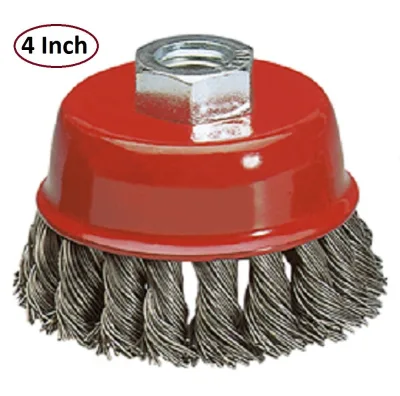
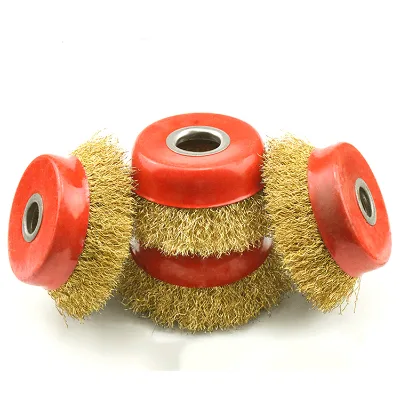

Custom Rust Removal 4 Inch Crimped Wire Stainless Steel Wire Disc Brushes
$0.50 - $4.50
MOQ: 100 Pieces


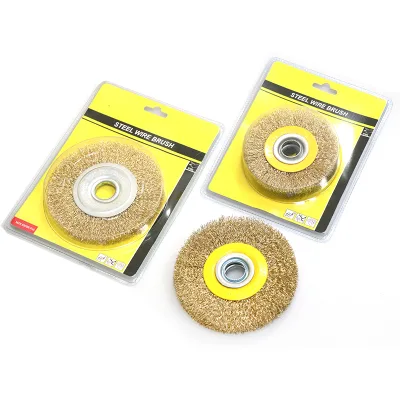

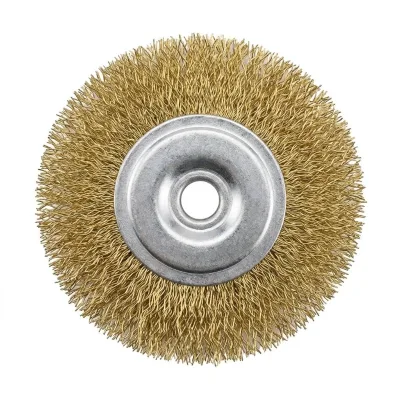
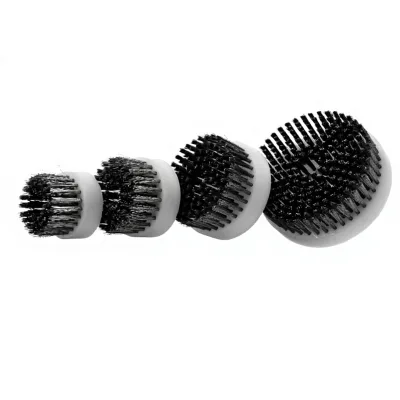
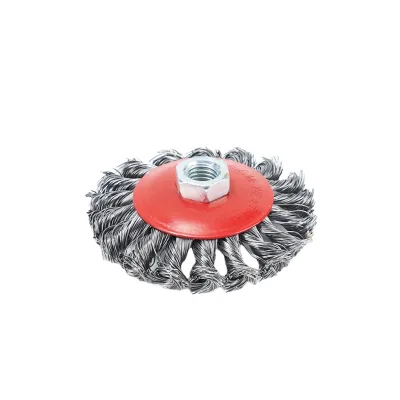
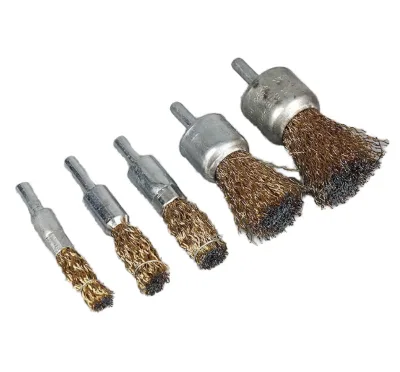
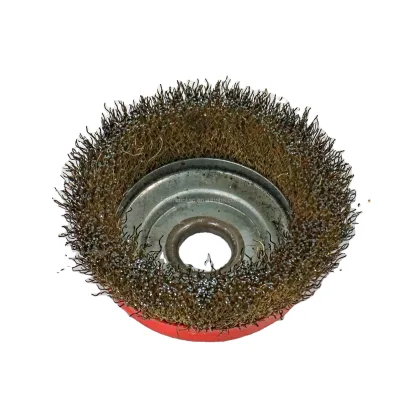
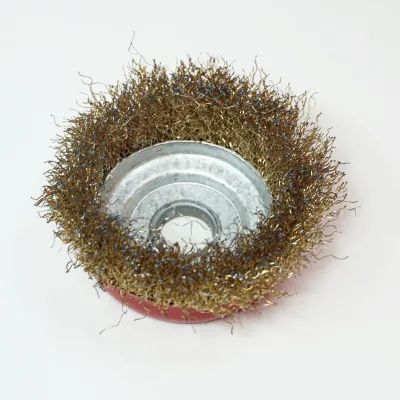
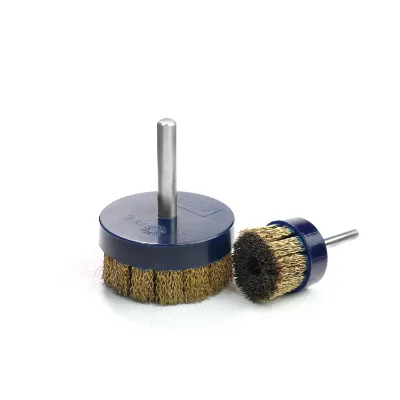
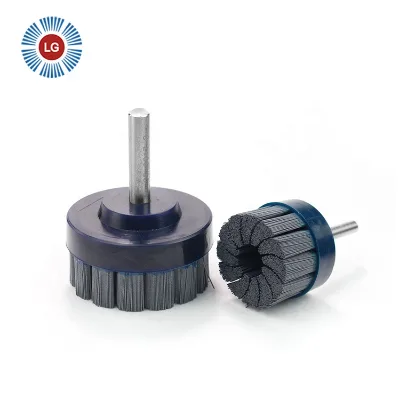
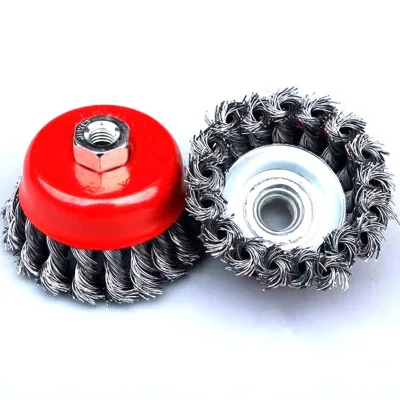
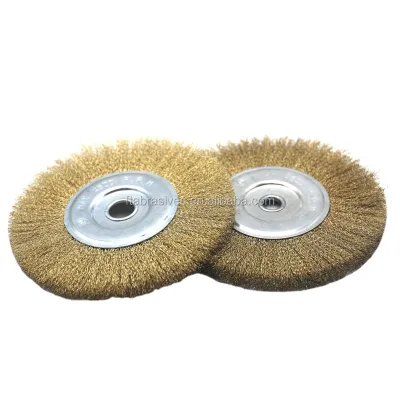
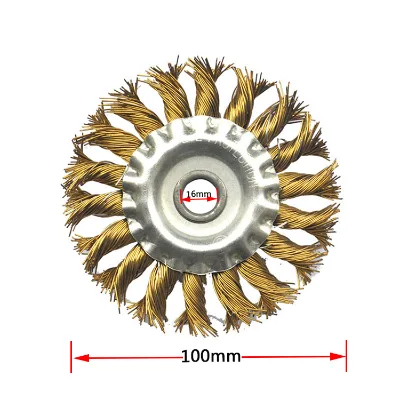
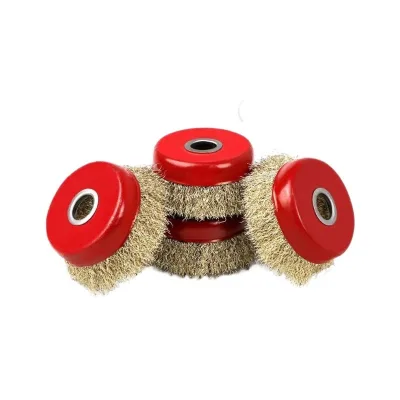
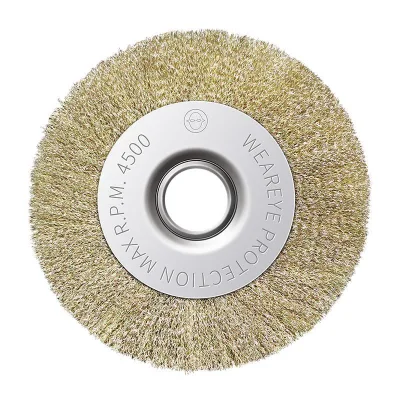
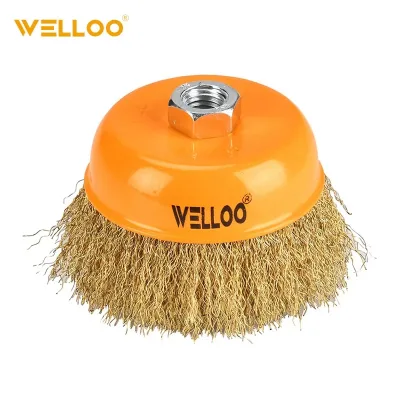

Professional Stainless Steel Wire Wheel Brush for Heavy-Duty Industrial Use
$0.319 - $2.079
MOQ: 100 pieces

Comprehensive Sourcing Guide
Stainless Steel Wire Disc Brush Sourcing Guide
Product Scope and Observed Listing Signals
The market for stainless steel wire disc brushes presents a diverse array of industrial tools designed for heavy-duty surface preparation and finishing tasks. Procurement data indicates a product count of thirty distinct listings, with observed price ranges spanning from 0.1 to 30 USD, suggesting significant variation in quality, material composition, and manufacturing complexity. Buyers should note that while stainless steel is a primary material, some listings also feature copper or brass wire bristles, which may offer different corrosion resistance or conductivity properties suitable for specific electrical or food-grade applications. The condition of these items is consistently listed as new, ensuring that purchasers receive unused components ready for immediate integration into manufacturing or maintenance workflows.
Observed minimum order quantities (MOQs) vary widely, ranging from 2 to 3000 pieces, reflecting the flexibility of suppliers to accommodate both small-scale prototyping and large-volume industrial procurement. Many suppliers offer customization options, allowing buyers to tailor brush dimensions, wire density, and shank sizes to match specific machinery requirements. The typical applications identified include textile printing and dyeing, wooden furniture finishing, environmental protection equipment maintenance, electrical and electronics assembly, and general machinery upkeep. This broad applicability underscores the importance of verifying the specific wire shape and thickness, such as 0.2mm or 0.3mm crimped wires, to ensure optimal performance for tasks like paint removal, rust elimination, or surface polishing.
Technical Specifications to Verify
When evaluating technical specifications, buyers must prioritize the wire material and shape, as these factors directly influence durability and cutting efficiency. Common configurations include 304 stainless steel wires with a crimped shape, which provide high density and robust performance for aggressive cleaning tasks. Other variants may utilize steel wire or brass wire bristles, with lengths around 43mm and thicknesses of 20mm, offering different tactile feedback and material removal rates. The shank size is another critical parameter, with 6mm shanks being a standard fit for many rotary tools, while the overall diameter, often 100mm, determines the coverage area and compatibility with specific spindle sizes. Verifying these dimensions against existing tooling is essential to prevent mechanical interference or inefficient operation.
Model numbers such as HX663, HX537, HX223, and HX-W819 serve as unique identifiers for distinct product configurations, each potentially offering different standard sizes like 200mm or customized dimensions. Buyers should confirm whether the product standard is fixed at 200mm or allows for custom-made specifications, as this affects inventory management and tooling standardization. The packing method, whether in simple cartons, hard cartons, or OPP bags with corrugated outer packaging, impacts protection during transit and storage efficiency. Additionally, the folded or unfolded state of the brush upon delivery can influence initial setup time and storage space requirements, making it a practical consideration for logistics planning.
Compliance and Safety Documentation
Compliance documentation is a vital component of the procurement process, ensuring that the purchased brushes meet international safety and environmental standards. Several listings explicitly mention certifications such as GS, CE, and RoHS, which indicate adherence to European safety directives and restrictions on hazardous substances. The presence of CE certification suggests that the product complies with relevant EU machinery and electrical safety regulations, which is crucial for buyers operating within or exporting to European markets. However, buyers should verify the validity and scope of these certifications, as they may apply to the manufacturing process or specific product lines rather than every individual item in a mixed order.
In addition to formal certifications, buyers should request detailed material safety data sheets (MSDS) and test reports, particularly if the brushes are intended for use in food, drink, or pharmaceutical environments. While some listings mention applications in food and drinks, the actual certification status for food-grade compliance must be confirmed through direct supplier inquiry. The origin of the products, primarily from China or China Mainland, may also require additional due diligence regarding supply chain transparency and ethical manufacturing practices. Ensuring that all documentation is up-to-date and verifiable helps mitigate legal risks and ensures that the procurement aligns with corporate sustainability and safety policies.
Cost Drivers and Commercial Terms
Cost drivers for stainless steel wire disc brushes include the type and grade of wire material, the complexity of the bristle configuration, and the level of customization required. Stainless steel, particularly 304 grade, is more expensive than standard steel or copper wires, contributing to higher unit costs for premium products. Customization options, such as specific diameters, shank sizes, or bristle densities, can further increase prices due to the additional manufacturing steps and tooling changes involved. Buyers should also consider the packaging costs, as hard cartons or specialized OPP bagging may add to the overall expense compared to standard carton packing.
Commercial terms, including lead times and delivery methods, significantly impact the total cost of ownership. Typical lead times range from 10 to 12 days, which is relatively standard for manufactured goods but requires careful planning to avoid production delays. Delivery options such as DHL, TNT, UPS, FedEx, ocean freight, and train transport offer flexibility, with faster courier services incurring higher costs but reducing inventory holding times. Buyers should negotiate clear terms regarding shipping responsibilities, insurance, and potential customs duties, especially when sourcing from international suppliers. Understanding these commercial variables allows for more accurate budgeting and helps in selecting the most cost-effective logistics solution for the procurement volume.
Supplier Qualification and Quality Control
Supplier qualification is essential to ensure consistent product quality and reliable service. Buyers should verify the supplier’s production capabilities, including their ability to handle OEM and ODM requests, as indicated by the acceptance of such collaborations in several listings. This capability suggests that the supplier can adapt to specific design requirements, which is valuable for companies seeking unique brush configurations. Additionally, checking the supplier’s track record in delivering products that meet the specified standards, such as the 200mm standard or customized dimensions, is crucial for maintaining operational efficiency.
Quality control measures should be clearly defined in the purchase agreement, including inspection protocols for wire density, bristle attachment strength, and overall dimensional accuracy. Buyers may request pre-shipment inspections or third-party quality audits to verify that the products match the agreed-upon specifications. Given the variation in product models and materials, it is important to establish clear acceptance criteria for defects, such as loose bristles or incorrect shank sizes. Implementing a robust quality control process helps minimize the risk of receiving substandard products and ensures that the brushes perform as expected in industrial applications.
Long-Term Procurement Checks
Long-term procurement checks involve monitoring supplier performance and product consistency over multiple orders. Buyers should track key performance indicators such as on-time delivery rates, defect rates, and responsiveness to quality issues. Consistent adherence to lead times and delivery schedules is critical for maintaining smooth production workflows, especially when relying on just-in-time inventory systems. Regular feedback loops with the supplier can help identify areas for improvement and strengthen the business relationship, leading to better service levels and potential cost savings.
Additionally, buyers should periodically review the market for new technologies or materials that could enhance brush performance or reduce costs. Staying informed about industry trends and advancements in wire manufacturing can provide opportunities for innovation and competitive advantage. It is also important to ensure that the supplier remains compliant with relevant standards and certifications, as regulatory requirements may evolve over time. By conducting thorough long-term checks, buyers can mitigate risks, optimize their supply chain, and ensure that their procurement strategy remains aligned with their operational goals and quality standards.
FAQs
What certifications are available for stainless steel wire disc brushes?
Available certifications include GS, CE, and RoHS for compliant industrial polishing tools. These standards ensure safety and environmental protection for machinery applications. Buyers can verify these documents to meet regulatory requirements in international trade. The brushes are designed for heavy-duty use in textile, furniture, and electronics sectors while maintaining strict quality control.
What is the typical lead time for custom stainless steel wire disc brushes?
The standard lead time is 10 to 12 days for production. This duration applies to customized orders meeting specific industrial requirements. Expedited shipping options like DHL, TNT, or FedEx are available for urgent deliveries. Ocean and train transport are also offered for larger bulk orders to optimize logistics costs.
Can I customize the specifications for stainless steel wire disc brushes?
Yes, customization is available for models like HX663 and HX537. Buyers can request specific dimensions, wire thickness, and bristle materials. The supplier accepts ODM and OEM requests to tailor products for unique industrial needs. Custom packaging and standard sizes like 200mm or 100mm diameter are supported for various applications.
What materials are used in stainless steel wire disc brushes?
Materials include 304 stainless steel wire, copper wire, and brass wire bristles. The wire shape is typically crimped for high density and durability. Some variants use steel wire for cleaning and rust removal. These materials ensure effective polishing, deburring, and surface treatment for industrial machinery and furniture applications.
What is the minimum order quantity for stainless steel wire disc brushes?
The minimum order quantity ranges from 2 to 3000 pieces depending on the model. Standard items may have an MOQ of 100 PCS for immediate availability. Custom orders might require higher volumes to justify production setup. Buyers should confirm specific MOQs based on their required specifications and packaging preferences.
Which brands are compatible with these stainless steel wire disc brushes?
These brushes are compatible with major power tool brands including BOSCH, MAKITA, Hitachi, Black & Decker, DeWalt, and Metabo. They feature standard shanks like 6mm for easy installation. The silver-colored, unfolded design ensures broad applicability across various industrial polishing and cleaning tasks.