Source Stress Relief Sensory Squishy Bracelet for stress relief, focus, and play
Compare 30 Stress Relief Sensory Squishy Bracelet options from verified Chinese suppliers. Buyers can evaluate TPR materials, age ranges, and customization features for wholesale sourcing needs. Explore diverse designs including glitter colors and puffer styles suitable for various age groups.
Updated
Key considerations
Products List
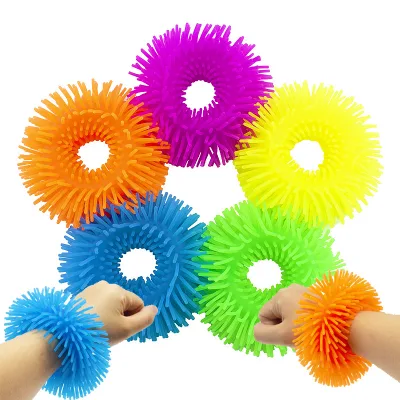


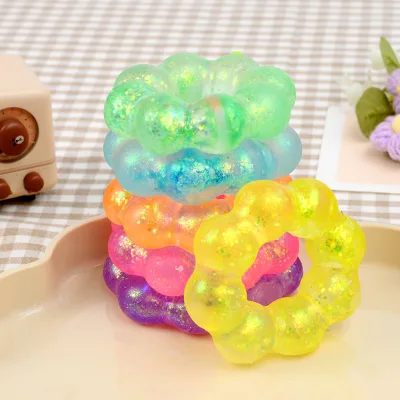
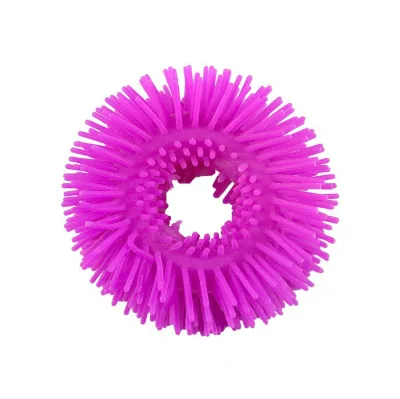
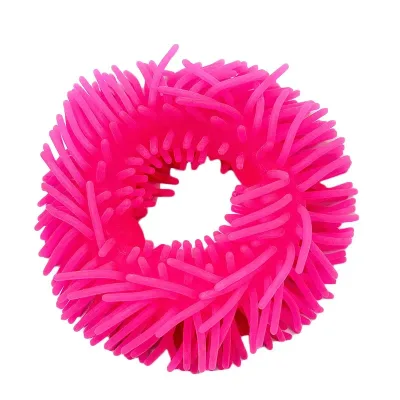
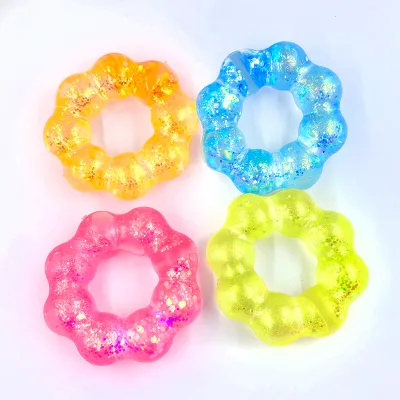
Dompression Tpr Soft Band Squishy Puffer Ball Toys Sensory Fidget Bracelet for Kids Gift
$0.5655 - $0.6373
MOQ: 100 pairs
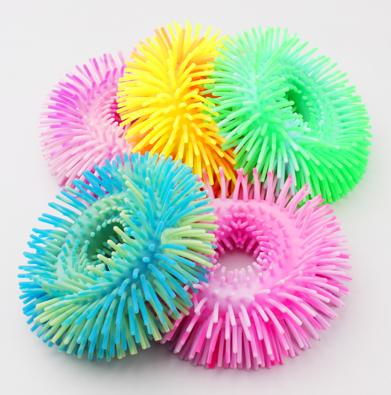
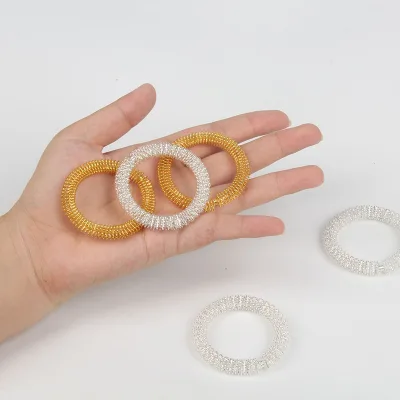
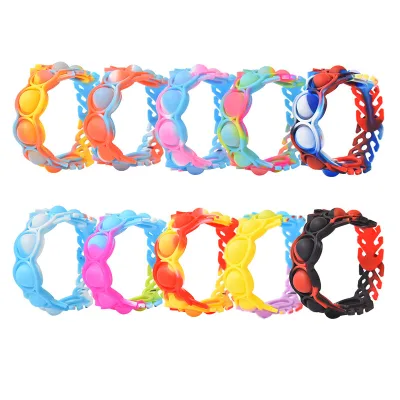
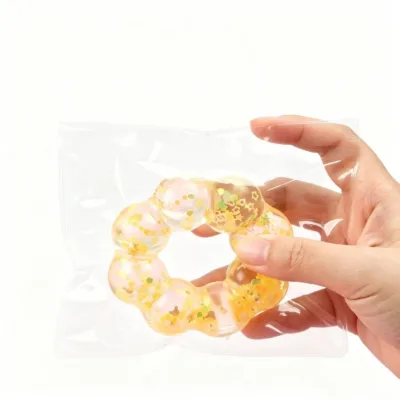

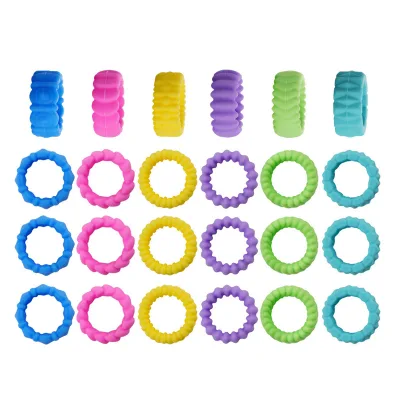
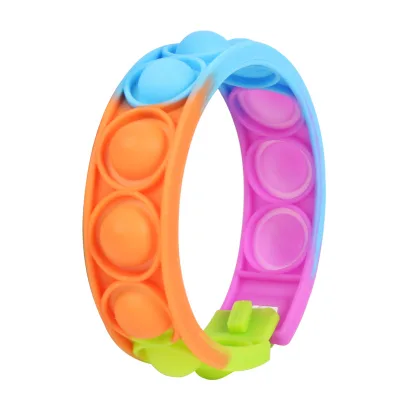
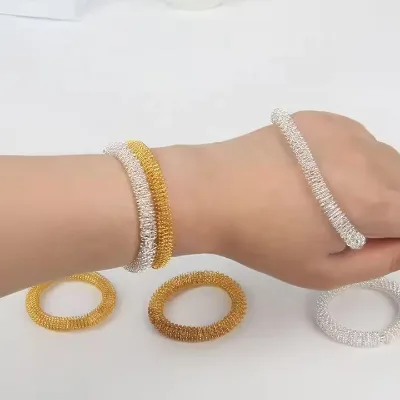


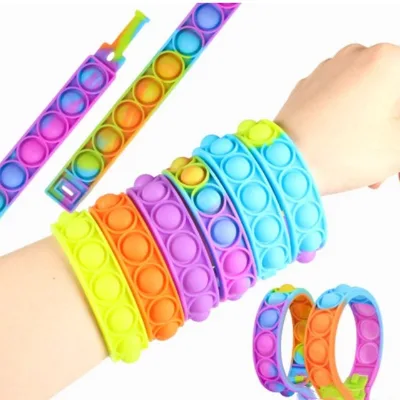
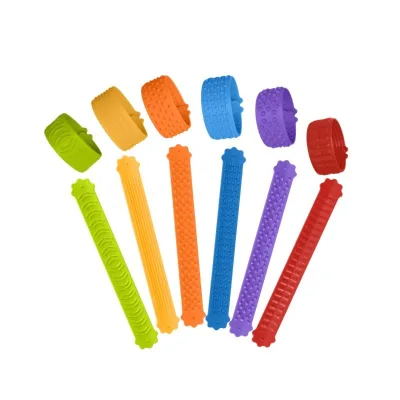
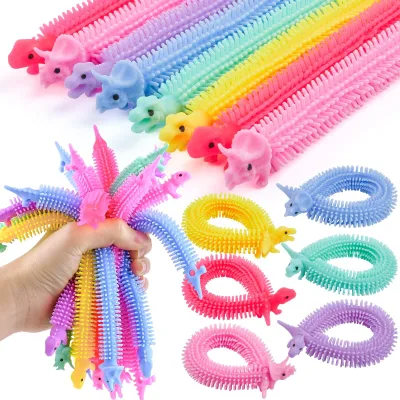

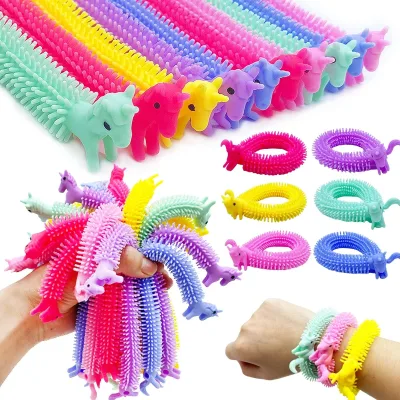
Anti Stress Relief Colorful Silicone Bracelet Anxiety Sensory Silicone Fidget Toy
$0.25 - $0.28
MOQ: 1000 Pieces
Comprehensive Sourcing Guide
Stress Relief Sensory Squishy Bracelet Sourcing Guide
Squishy bracelets occupy a distinctive niche in the sensory toy category: they are wearable, quiet in use, and suited to stress-relieving squeeze applications across a wide age span. For procurement teams, the product appears deceptively simple — a soft TPR puffer or glitter-filled bracelet — yet listing data shows meaningful variation in origin provinces, packaging formats, size standards, and minimum order quantities. A buyer who treats these as interchangeable commodities risks mismatched expectations on material feel, durability, and reorder consistency.
This guide organizes the sourcing decision around what can actually be observed in the supplied product-page context: TPR construction, multi-color glitter options, ASTM certification references, MOQ bands ranging from very small trial quantities to 10,000-piece commitments, and quoted prices from roughly $0.07 to $3.56. Each section below translates those signals into concrete verification steps, so that sampling, compliance review, and commercial negotiation are grounded in evidence rather than assumption. Treat every attribute as a starting question for the supplier, not a settled fact.
Product Scope and Observed Listing Signals
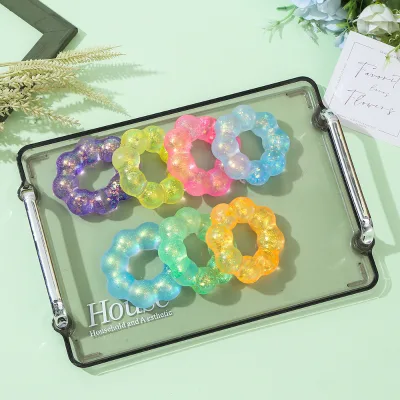
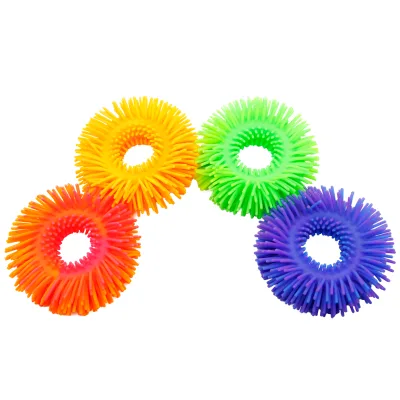
The listings describe wearable bracelet fidget toys positioned as "Other Educational Toys," with the stated function of playing and the usage of stress-relieving squeeze. Models observed include SD160532NL, SD160228NL, SD160534NL, and JO-31147, alongside a generic "Bracelet Squeeze Toy" designation. Material is consistently identified as TPR, with a puffer-bracelet style and glitter colorways — purple, pink, orange, green, blue, and yellow — alongside "colorful or customized color" options. Gender is listed as unisex, supporting broad demographic targeting.
Age ranges span 5 to 7 years, 8 to 13 years, and 14 years and up, with one listing stating "3 Ages+." Places of origin vary: Zhejiang, Fujian, and Shanxi, China. Observed sizes include 8.58.5cm, 1313CM, a 225.51.6cm standard, and an 8.5cm/3.35in bracelet length. Weight observations include 76g per unit and a 0.060kg single gross weight — a discrepancy worth clarifying, since it may reflect different models or packaging assumptions. Buyers should map each model number to its actual spec sheet before comparing quotes.
Technical Specifications to Verify
Begin with material composition and feel. TPR hardness, elasticity, and surface finish determine whether the bracelet delivers the expected squish and recovers its shape after repeated squeezing; the "Durable" feature claim should be validated through accelerated squeeze-cycle sampling rather than accepted from the listing. Confirm whether glitter is sealed inside a translucent outer layer or exposed, since that affects both durability and safety for younger users. Verify the dimensional standard behind each listing entry — the 225.51.6cm spec and the 8.5cm/3.35in figure describe different products, so request a dimensioned drawing per model.
Packaging details also carry technical weight. Observed formats include 1pc/opp bag, PP bag plus carton, paper box packaging, and display box packing or customized packing, with single package sizes such as 10X5X5cm. Confirm carton dimensions, pieces per carton, and gross weight per carton so freight quotations are comparable. One listing shows an empty "XX cm" package size field — treat incomplete fields as a flag to request full specification sheets. Selling unit is a single item, but confirm whether inner boxes or display units are priced separately.
Compliance and Safety Documentation
The supplied listings reference ASTM certification, which is a meaningful signal but not a complete compliance picture. Buyers should request the actual certificate document, confirm which ASTM standard it covers (for example, toy safety provisions relevant to the stated 3+ and school-age ranges), and verify that the certificate names the specific model being ordered rather than a family of products. For any shipment destined to markets outside the United States, ask which additional regional requirements the supplier can document — do not assume ASTM alone is sufficient.
Material safety is equally important for a product worn on the wrist and mouthed by young children. Request material safety documentation for the TPR compound, including any restrictions on phthalates or heavy metals applicable to toys, and confirm the glitter medium is fully encapsulated so small particles cannot escape. Because age labeling varies across listings (3 Ages+ versus school-age brackets), reconcile the intended market's age grading with the supplier's test scope. Keep certificates on file per model and per production season, since material substitutions between orders can invalidate earlier documentation.
Cost Drivers and Commercial Terms
Observed pricing spans $0.07 to $3.56 across the 30 listings, a range wide enough that unit economics likely differ by model, size, packaging, and order volume. MOQs range from as low as 2 pieces to 10,000 pieces, with at least one listing stating a 10000pcs minimum. This spread suggests the market serves both sample buyers and volume distributors. When comparing quotes, normalize for packaging format — display boxes and paper boxes cost more than opp bags — and for customization, since "Customization: Available" listings may quote different rates for custom colors or branding.
Payment terms observed are Trade Assurance, and buyers should confirm the full payment structure, deposit percentages, and balance conditions before committing. Shipping options listed are sea, air, and express, with an FOB port of Ningbo on at least one listing — freight mode should follow order size and urgency, and express shipping on low-value items can erode margin quickly. Delivery time is quoted at about 7-25 days; clarify whether that window covers production only or includes transit, and whether it shifts during peak seasons. Confirm sample costs and whether sample fees are credited against first orders.
Supplier Qualification and Quality Control
Qualify suppliers against the specific signals in their listings rather than generic marketplace rankings. Check consistency across the profile: one listing references a one-stop service and sample service, which benefits buyers consolidating multiple SKUs, while others emphasize trade-only arrangements. Cross-reference the stated place of origin — Zhejiang, Fujian, or Shanxi — with the FOB port and logistics plan, since origin affects inland freight to Ningbo or alternative ports. Request the molding process details; the "Mold Compression" type indicates compression molding of TPR, which has characteristic seam and flash considerations.
Establish a quality-control protocol before the first bulk order. Ask for a pre-production sample matching the final glitter color and packaging, then define an inspection checklist covering dimensions against the stated standards (225.51.6cm, 8.5cm, or model-specific drawings), weight consistency, seam integrity, and color fastness of glitter inclusions. For mixed-design orders — one listing states "Mixed Designs" as the standard — agree in writing on the assortment ratio per carton. In-process checks should confirm that customized colors match approved Pantone or physical references before mass production proceeds.
Long-Term Procurement Checks
Plan for repeat orders from the outset by locking down the variables that commonly drift between production runs. Record the confirmed TPR compound, glitter colorway set, bracelet dimensions, unit weight, and packaging specification in a buyer-controlled specification sheet, and require the supplier to acknowledge it in writing with each reorder. The observed 7-25 day delivery window gives a baseline for lead-time monitoring; track actual performance and renegotiate terms if seasonal delays recur. Confirm whether mold tooling for customized designs remains reserved for your account.
Diversification and continuity matter as well. Because observed listings originate from three different provinces, maintain at least one qualified alternate source per key SKU to hedge against regional disruption, while ensuring the alternate can match the approved material and finish. Re-validate certificates annually and whenever the supplier changes material batches, and refresh a sample from each new production lot before shipment release. Finally, review the cost structure periodically — packaging upgrades, mixed-design ratios, and volume-tier pricing should be revisited as order quantities grow — so the commercial terms evolve with the relationship rather than remaining fixed at trial-order conditions.
FAQs
What materials are used for stress relief sensory squishy bracelets?
These bracelets are primarily manufactured using TPR material, which provides a soft and durable texture suitable for repeated squeezing. This material choice ensures the product remains flexible and resilient during use. The TPR composition allows for vibrant color options, including multi-color and glitter finishes, catering to diverse aesthetic preferences while maintaining safety and comfort for the wearer.
Can I get samples before placing a bulk order?
Yes, sample services are provided to allow buyers to evaluate product quality before committing to large quantities. This step ensures the material, size, and customization options meet your specific requirements. Obtaining a sample helps verify the durability and sensory experience of the TPR bracelet, reducing risk and confirming that the final production batch aligns with your expectations for the target age groups.
What certifications do these bracelets meet for safety?
The products hold ASTM certification, ensuring they meet recognized safety standards for children's toys. This certification is crucial for brands targeting younger demographics, specifically those aged 5 to 13 years. Compliance with ASTM standards demonstrates a commitment to quality and safety, providing assurance to retailers and end-users that the stress relief items are free from harmful substances and suitable for regular handling.
What is the typical lead time for production?
The delivery time is approximately 7 to 25 days, depending on order volume and customization requirements. This timeframe allows for efficient manufacturing and quality control processes. Buyers should account for this lead time when planning inventory, especially for seasonal demands. The range accommodates standard production runs as well as customized orders, ensuring timely delivery to global markets via sea, air, or express shipping methods.
Are customization options available for branding and packaging?
Customization is available, allowing buyers to tailor colors, designs, and packaging to their brand identity. Options include specific glitter colors and customized packing methods such as PP bags, paper boxes, or display boxes. This flexibility supports unique marketing strategies and retail requirements. The one-stop service facilitates seamless integration of custom elements, ensuring the final product aligns perfectly with your brand's visual and functional standards.
What are the MOQ requirements for these bracelets?
The MOQ ranges from 2 to 10,000 pieces, offering flexibility for different order sizes. Some specific models may have higher MOQs, such as 10,000 pieces, while others start lower. This range accommodates both small trial orders and large-scale bulk purchases. Buyers can select the appropriate MOQ based on their inventory needs and market demand, ensuring cost-effective sourcing without excessive minimum commitment barriers.