Source tacky anti-slip tennis overgrip for Tennis Badminton Padel
Compare 30 listings for tacky anti-slip tennis overgrip featuring PU materials and custom colors. Buyers can evaluate specifications like bounce height, thickness, and packaging options from suppliers in China.
Key considerations
Products List


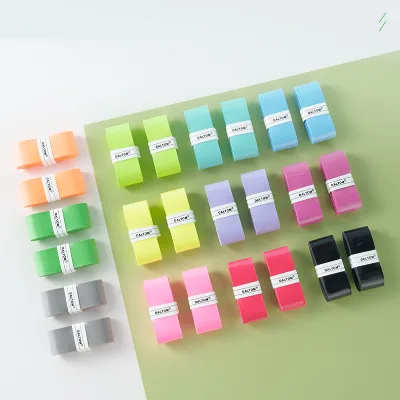
Custom Padel Grip Sweat Absorption Beach Tennis Grip Tacky Non-Slip Overgrip
$0.39 - $0.49
MOQ: 500 Pieces


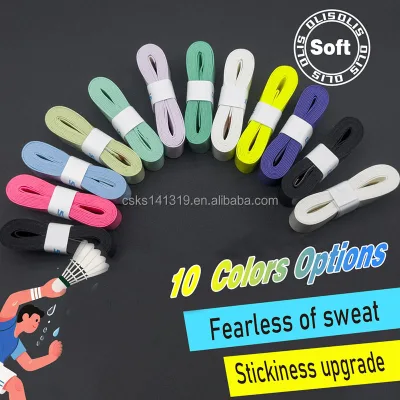


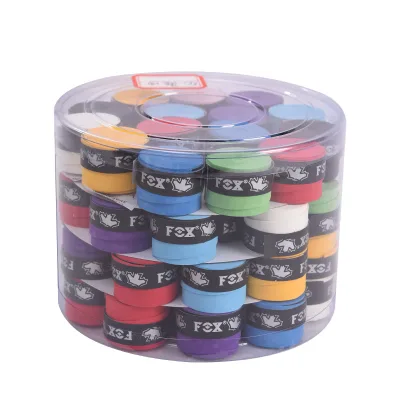
Customized Tennis Overgrip PU Material Grips Anti-Slip Absorbent Overgrips
$0.44 - $0.50
MOQ: 1000 Pieces


Factory Customized Sweat Absorption and Anti Slip Tennis Grip Overgrip Badminton
$0.48 - $0.55
MOQ: 1000 Pieces

Customized High Quality Anti-Slip Overgrip for Tennis Racket in Bulk for Sale
$0.29 - $0.33
MOQ: 500 Pieces

Tennis Overgrip Non Slip and Tacky Tennis Paddle Racket Overgrip in Bulk
$0.48 - $0.55
MOQ: 1000 Pieces
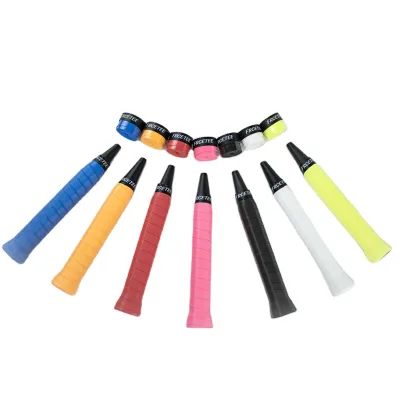
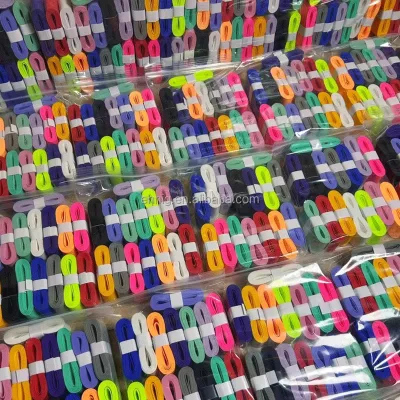

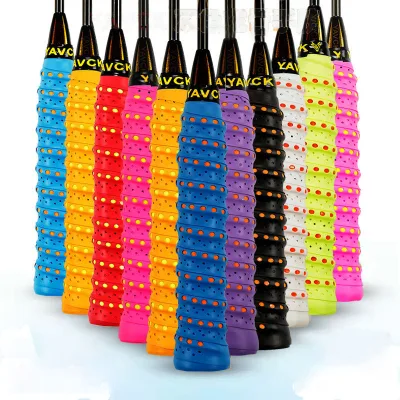
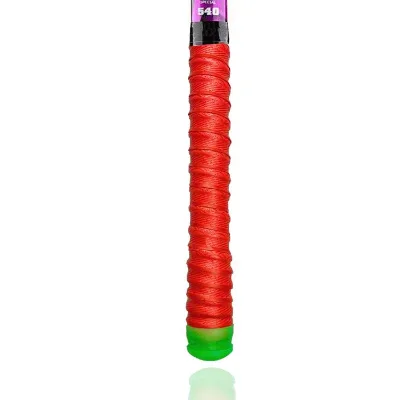

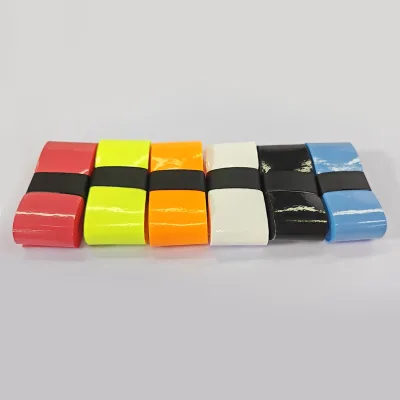


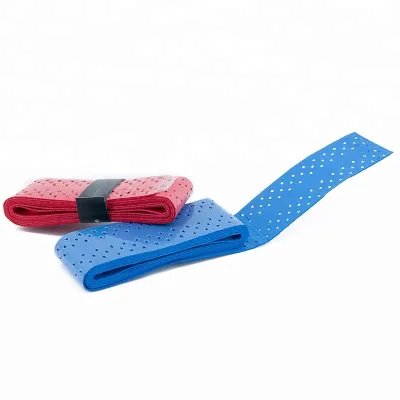
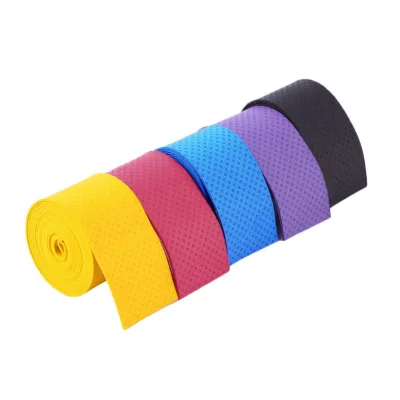

Comprehensive Sourcing Guide
Strategic Sourcing Guide for Tacky Anti-Slip Tennis Overgrips
Understanding Product Specifications and Material Composition
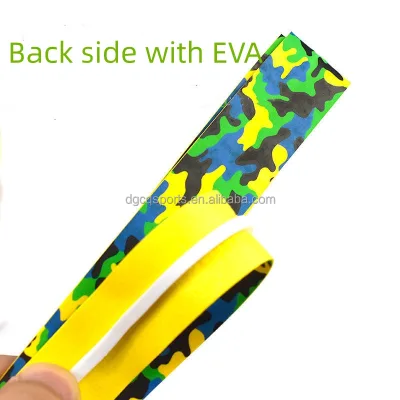
When sourcing tacky anti-slip tennis overgrips, the primary focus must be on the material composition and physical specifications that define performance. The market offers products primarily constructed from Polyurethane (PU) or a composite of PU and Non-Woven materials. These materials are selected for their ability to provide a tacky surface that enhances grip security while absorbing sweat effectively. The tactile experience is critical; buyers should look for descriptors such as "Great Soft," "Handfeeling," and "Tacky" to ensure the product meets the specific needs of players who rely on friction for shot control.
The physical dimensions of the overgrip vary significantly across different suppliers and product models. Standard specifications observed in the market include lengths of 1100mm or 1200mm with widths of 25mm or 27mm. Thickness is another vital parameter, often cited around 0.60mm, which influences the durability and the thickness of the handle after application. Some models are available in custom dimensions, allowing for tailored solutions for specific racket types or player preferences. The diameter of the grip itself is typically standardized at 25mm, while the single package size for shipping often measures approximately 14x18x3 cm.
Performance metrics such as rebound height and rebounce ratios are also relevant for buyers evaluating the quality of the grip's elasticity and return to shape. Observed data indicates a rebound height range of 135-145cm and a rebounce ratio between 1.3 and 1.4. These figures suggest a consistent material quality that maintains structural integrity during repeated use. The weight of individual units is generally around 250g for bulk packaging, though single item weights may vary. Buyers must verify these specifications against their specific application requirements, as the "Tacky" nature of the grip is often a trade-off with longevity, requiring a balance between immediate grip security and the product's lifespan.
Compliance, Certification, and Safety Standards
In the B2B procurement of sports equipment, verifying compliance and certification is a non-negotiable step to ensure product safety and market accessibility. For tennis overgrips, the chemical composition of the materials must adhere to international safety standards, particularly regarding harmful substances. Trusted sources indicate that reputable suppliers often provide certifications such as SGS and Reach. These certifications confirm that the materials used, including the PU and Non-Woven layers, do not contain restricted substances that could pose health risks to athletes or violate import regulations in key markets like the European Union.
While some background information may mention CE marking, buyers should treat this as a variable attribute rather than a universal guarantee. The presence of CE certification depends on the specific manufacturer's compliance strategy and the target market's regulatory requirements. Therefore, procurement teams must explicitly request current, valid certificates from the supplier for each batch of goods. It is essential to verify that the SGS and Reach certificates are applicable to the specific product model and material composition being ordered.
Safety standards also extend to the manufacturing process. Suppliers located in regions like Fujian and Guangdong, China, are subject to local industrial regulations, but international buyers should ensure that the production facilities adhere to global quality management systems. The "Tacky" adhesive properties of the grip must not degrade into a sticky residue that damages racket handles or causes skin irritation. Buyers should request test reports that specifically address skin contact safety and chemical stability. Without these documented proofs, the risk of non-compliance with destination country regulations increases, potentially leading to customs delays or product recalls.
Cost Drivers and Pricing Dynamics
The pricing of tacky anti-slip tennis overgrips is influenced by a complex interplay of material costs, order volume, and customization requirements. The observed price range in the market spans from $0.19 to $25.00 USD per unit, a variance that reflects differences in material quality, branding, and order quantity. The lower end of the spectrum typically corresponds to standard, non-customized orders with high minimum order quantities (MOQ), while the higher end reflects specialized materials, custom branding, or smaller batch sizes.
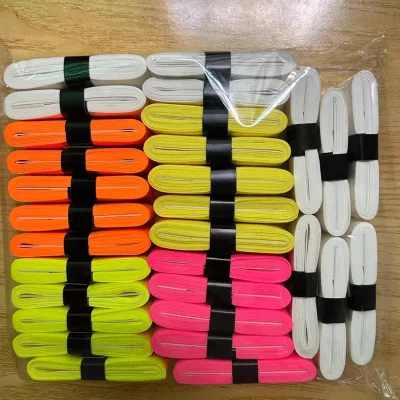
MOQ is a significant cost driver. Suppliers often set different thresholds based on the product model. For instance, some models require an MOQ of 500 pieces per color, while others may demand 10,000 pieces. Higher MOQs generally result in a lower unit cost due to economies of scale in production and material purchasing. Conversely, buyers seeking smaller quantities or custom colors may face higher per-unit prices. The customization of colors, such as options including Black, White, Red, Yellow, Blue, Tiffany Blue, and various pastel shades, also impacts pricing. Custom printing designs and specific packaging requirements, such as OPP bags, plastic jars, or blister cards, add to the overall cost structure.
Lead times and production schedules further influence the final cost. Standard production times are typically 30-45 days, while sample times range from 1 to 7 days. Expedited production or rush orders may incur additional fees. Buyers should also consider the packaging costs, as the choice between standard cartons and custom packaging solutions affects the total landed cost. When evaluating suppliers, it is crucial to request a detailed breakdown of costs, including material, labor, packaging, and logistics, to understand the true value proposition beyond the base unit price.
Typical Applications and Usage Scenarios
Tacky anti-slip tennis overgrips are designed for a wide range of sports applications, extending beyond just tennis to include badminton, padel, beach tennis, pickleball, squash, and even baseball bat handling. The versatility of these products makes them suitable for both training and competitive environments. The primary function of the grip is to provide a secure hold on the racket handle, preventing slippage during intense physical activity. The "Anti-Slip" and "Sweat Absorption" features are particularly critical for athletes who generate significant perspiration during matches.
The "Tacky" surface characteristic is essential for players who prefer a sticky feel that enhances their control over the racket. This is particularly beneficial for players who rely on spin and precise shot placement. The durability of the grip ensures that it can withstand the friction and wear associated with competitive play. However, the trade-off between tackiness and durability is a key consideration; while tacky grips offer superior initial grip, they may wear out faster than non-tacky alternatives. Buyers should assess the specific needs of their target customer base, whether they are professional athletes requiring high-performance gear or recreational players looking for cost-effective training equipment.
The application of these overgrips is straightforward, involving wrapping the grip around the racket handle. The standard size of 1100mm or 1200mm ensures compatibility with most standard racket handles. The "Portable" nature of the product, often packaged in small bags or jars, makes it convenient for players to carry extras during travel. The variety of colors available allows for personalization, enabling players to match their gear to their team colors or personal style. This aesthetic flexibility is a significant selling point in the consumer market, where visual appeal often complements functional performance.
Supplier Evaluation and Sourcing Strategy
Evaluating suppliers for tacky anti-slip tennis overgrips requires a rigorous assessment of their capabilities, reliability, and alignment with buyer requirements. Key factors to consider include the supplier's location, production capacity, and ability to meet customization demands. Suppliers in Fujian and Guangdong, China, are prominent in this sector, offering access to a robust supply chain and manufacturing infrastructure. Buyers should verify the supplier's ability to handle the required MOQs, which can range from 500 to 10,000 pieces depending on the product model.
Customization services, including OEM and ODM, are critical for buyers looking to differentiate their products. The availability of custom colors, custom designs printing, and tailored packaging options indicates a supplier's flexibility and willingness to collaborate. Buyers should inquire about the sample process, noting that sample delivery times can vary from 1 to 2 days for some models to 1-7 days for others. A responsive sample process is a strong indicator of a supplier's efficiency and customer service quality.
Quality control systems are another vital aspect of supplier evaluation. Buyers should ask about the supplier's internal quality assurance processes and their history of meeting international standards. The presence of certifications like SGS and Reach is a positive signal, but it should be verified on a case-by-case basis. Additionally, the supplier's track record in handling large orders and meeting lead times should be assessed. A reliable supplier will provide clear communication regarding production schedules, potential delays, and any issues that may arise during the manufacturing process.
Quality Control and Long-Term Procurement Considerations
Implementing a robust quality control (QC) strategy is essential for maintaining product consistency and customer satisfaction. Buyers should establish clear acceptance criteria for the tacky anti-slip tennis overgrips, focusing on material integrity, dimensional accuracy, and performance metrics. Regular inspections during production and pre-shipment checks are recommended to identify and rectify any defects before the goods are shipped. Key quality indicators include the consistency of the tacky surface, the uniformity of the color, and the absence of manufacturing defects such as tears or uneven edges.
Long-term procurement considerations involve building a sustainable relationship with suppliers that can adapt to changing market demands. This includes negotiating favorable terms for future orders, securing supply chain stability, and ensuring that the supplier can scale production as demand grows. Buyers should also consider the environmental impact of the materials used, as sustainability is becoming an increasingly important factor in B2B procurement. While specific environmental certifications may not be universally available, buyers can inquire about the recyclability of the materials and the supplier's waste management practices.
Finally, buyers should monitor market trends and technological advancements in grip technology. The demand for enhanced sweat absorption, improved durability, and innovative materials is likely to grow. Staying informed about these developments will enable buyers to make strategic decisions that keep their product offerings competitive. By focusing on quality, compliance, and supplier reliability, buyers can secure a steady supply of high-performance tacky anti-slip tennis overgrips that meet the evolving needs of the sports equipment market.
Comparative Analysis of Product Models
| Feature | Model S014 | Model MG-06 | Model S013 | Model S016 | Model TC70 |
|---|---|---|---|---|---|
| Material | PU | PU+Non-Woven | PU | PU | PU |
| Standard Size | 1100mm27m0.60mm | 1100*25 | Customized | Customized | 2.5*120cm |
| MOQ | 500 PCS/Color | 10000 Pcs | Variable | Variable | Variable |
| Color Options | Customized | Black, White, Red, etc. | Customized | Customized | 10 Colors |
| Key Features | Anti-Slip, Durable | Great Soft, Tacky | Anti-Slip, Sweat Absorption | Shock-Resist | Anti-slip, Portable |
| Origin | Fujian, China | Original | Fujian, China | Fujian, China | Guangdong, China |
| Certification | SGS, Reach | SGS, Reach | SGS, Reach | SGS, Reach | SGS, Reach |
This table highlights the variations in specifications and requirements across different product models. Buyers should carefully review these details to select the model that best aligns with their specific procurement needs, considering factors such as material composition, order volume, and performance characteristics.
FAQs
What materials are used for tacky anti-slip tennis overgrips?
These overgrips are primarily constructed from Polyurethane (PU) or a composite of PU and Non-Woven materials. This combination ensures a tacky surface that enhances grip security while effectively absorbing sweat during play.
Which certifications should I verify for these overgrips?
Reputable suppliers often provide SGS and Reach certifications to confirm material safety and compliance with international standards. Buyers must explicitly request these valid certificates for each specific product batch to ensure no restricted substances are present.
How does the minimum order quantity affect pricing?
The minimum order quantity is a significant cost driver, with thresholds ranging from 500 to 10,000 pieces depending on the model. Higher order volumes generally result in lower unit costs due to economies of scale in production and material purchasing.
Can I customize the color and packaging for these grips?
Yes, customization services including OEM and ODM are available for colors like Black, White, and Tiffany Blue. Packaging options also vary, allowing for custom designs in OPP bags, plastic jars, or blister cards to meet specific branding needs.
What are the standard dimensions for these overgrips?
Standard specifications include lengths of 1100mm or 1200mm with widths of 25mm or 27mm and a thickness around 0.60mm. Some models are available in custom dimensions to accommodate specific racket types or player preferences.
How long does it take to produce a custom order?
Standard production times typically range from 30 to 45 days for bulk orders. Sample delivery is faster, usually taking between 1 to 7 days, though some models may offer samples within 1 to 2 days.
Where are these overgrips typically manufactured?
These products are primarily manufactured in Fujian and Guangdong, China, regions known for their robust supply chain and manufacturing infrastructure. Buyers should verify the specific origin to ensure alignment with their logistical and quality requirements.