Source Taiwan Barcode Labels and Cards for Retail, Logistics, and Banking
Find 30 Taiwan Barcode products including PVC cards and adhesive labels for retail, logistics, and banking. Compare specs for ISO CR80 cards, heat-sensitive stickers, and RFID inlays with various chip options like Ku7 and U8 to meet your identification and payment needs.
Updated
Key considerations
Products List









Comprehensive Sourcing Guide
Taiwan Barcode Sourcing Guide
Sourcing barcode solutions from Taiwan requires a nuanced understanding of the region’s advanced manufacturing ecosystem, which is renowned for precision electronics and high-quality label materials. Buyers often look to this market for specialized RFID tags, smart cards, and high-density printing supplies that support complex supply chain operations. The local industry excels in integrating hardware with software infrastructure, making it a strategic hub for enterprises seeking robust identification and payment systems. This guide outlines the critical factors for evaluating suppliers, verifying technical specifications, and ensuring compliance with international standards.
Procurement decisions in this sector are heavily influenced by the specific application environment, whether it involves retail inventory management, secure access control, or logistics tracking. Buyers must distinguish between passive RFID components, active tracking devices, and traditional printed barcode labels, as each category demands different supplier expertise. The Taiwan market offers a wide array of customization options, from antenna design to chip selection, allowing for tailored solutions that meet unique operational requirements. Understanding these distinctions is essential for aligning procurement strategies with long-term business goals and technological roadmaps.
Product Scope and Observed Listing Signals
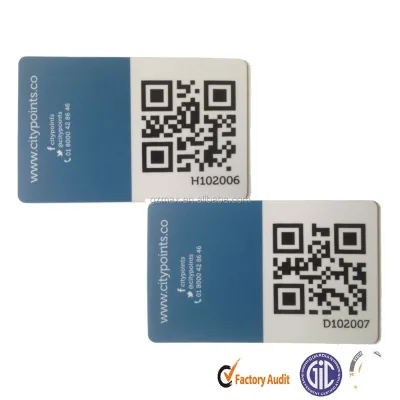
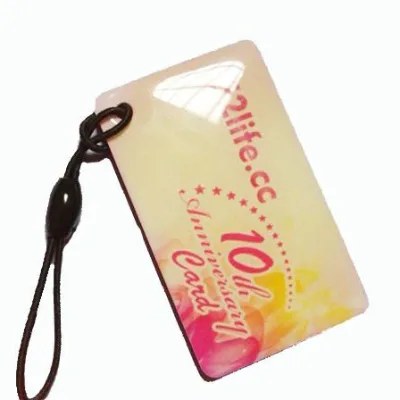
The observed product landscape includes a diverse range of identification technologies, prominently featuring PVC smart cards and RFID inlays. Listings indicate products such as the CRD-F1PH model, which utilizes ISO CR80 standards and supports various chips like Ku7, Km4, and U9. These cards are designed for applications in banking, retail, and library systems, offering features such as magnetic stripes and full-color offset printing. The presence of Android-based operating systems in some listings suggests a convergence of smart card technology with mobile computing capabilities, expanding the utility of these devices beyond simple identification.
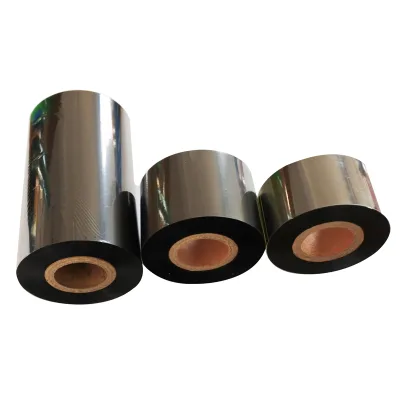
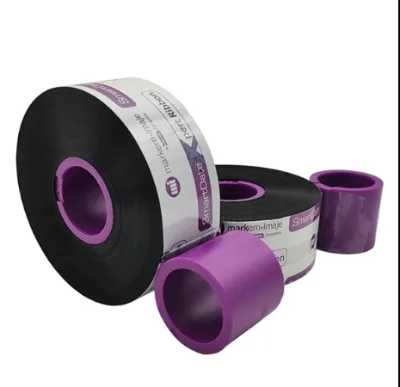
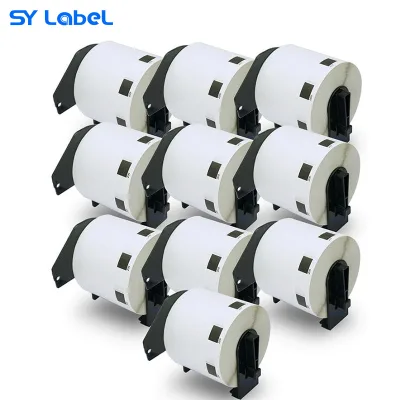
Another significant segment involves adhesive labels and thermal paper products, exemplified by the LT-C9082 model. These items are characterized by their heat-sensitive properties and are suitable for applications ranging from bottled beverages to pharmaceutical packaging. The listings highlight customization options, including QR codes, barcodes, and specific lamination finishes like glossy or matte overlays. Buyers should note that while some products are described with specific dimensions and weights, others offer fully customized sizes and materials, indicating a flexible manufacturing base capable of handling both standard and bespoke orders.
Technical Specifications to Verify
When evaluating RFID and smart card solutions, buyers must verify the operating frequency and chip compatibility to ensure seamless integration with existing readers. The supplied data indicates frequencies ranging from 840-960MHz and 860-960MHz, adhering to EPC Class1 Gen2 and ISO18000-6c standards. It is crucial to confirm that the selected chip, such as the M780 or Mr6p, supports the required memory capacity and programming cycles, which are listed as up to 100,000 cycles. Additionally, the antenna material, often aluminum, plays a critical role in read range performance, which can extend up to 20 meters depending on the reader power and environmental conditions.
For label and card products, physical dimensions and material composition are key verification points. The ISO CR80 standard specifies a size of 3.375" x 2.125" with a thickness of 760 microns, which is critical for compatibility with standard card readers. Buyers should also inspect the surface material options, which include coated paper, PET, and synthetic paper, to ensure durability against environmental factors. The printing process, whether offset or screen, affects the longevity of the barcode or QR code, so verifying the quality of the coating and the clarity of the printed information is essential for reliable scanning performance in high-volume environments.
Compliance and Safety Documentation
Regulatory compliance is a non-negotiable aspect of sourcing electronic identification products, particularly those involving radio frequency transmission. Buyers must ensure that suppliers provide documentation confirming adherence to regional radio frequency regulations, such as those enforced by the FCC in the United States or CE in Europe. The mention of RoHS compatibility in the supplied facts indicates that materials used in the production process are free from certain hazardous substances, which is increasingly important for global supply chains. Verifying these certifications helps mitigate legal risks and ensures that products can be legally imported and deployed in target markets.
In addition to electronic compliance, safety standards for materials used in cards and labels must be assessed, especially for applications involving food packaging or medical use. The listings mention usage in food and medicine, which necessitates verification of material safety certifications. Buyers should request test reports that confirm the absence of toxic chemicals in the PVC, adhesives, and inks used. Furthermore, for products claiming specific performance metrics, such as read distance or programming cycles, buyers should ask for independent test results to validate these claims, ensuring that the products meet the rigorous demands of their intended operational environment.
Cost Drivers and Commercial Terms
Pricing in the barcode and RFID sector is influenced by several factors, including the complexity of the chip, the volume of the order, and the level of customization required. The observed price range spans from $0.02 to $100,000, reflecting the disparity between simple adhesive labels and complex, high-capacity smart card systems. Minimum Order Quantities (MOQs) vary significantly, ranging from 1 to 10,000 units, allowing for both small-scale prototyping and large-volume production runs. Buyers should negotiate terms that align with their inventory management strategies, considering the trade-offs between unit price and order size.
Shipping and packaging methods also impact the total cost of ownership. The supplied facts list air, ocean, and express shipping options, each with different lead times and cost structures. For time-sensitive projects, express shipping may be necessary, while bulk orders of standard items might benefit from ocean freight to reduce costs. Additionally, the single package size and weight, such as 18x10x11 cm and 0.046 kg for certain items, should be considered when calculating logistics expenses. Buyers should clarify whether samples are free for testing, as this can reduce initial development costs and allow for thorough evaluation before committing to large orders.
Supplier Qualification and Quality Control
Evaluating supplier qualifications is critical to ensuring consistent product quality and reliable supply chain performance. Buyers should verify the supplier’s manufacturing capabilities, including their experience with specific technologies like offset printing and RFID encoding. The presence of a brand name, such as Dangjie Technology, suggests a level of established market presence, but buyers should still conduct due diligence on the supplier’s track record and customer reviews. It is advisable to request references from previous clients, particularly those in similar industries, to gauge the supplier’s reliability and responsiveness.
Quality control processes should be clearly defined and agreed upon before placing orders. Buyers should inquire about the supplier’s inspection procedures, including incoming material checks, in-process quality control, and final product testing. For RFID products, this may include read range testing and chip verification, while for labels, it may involve adhesion strength and print clarity checks. Establishing a clear quality assurance protocol, including acceptable defect rates and procedures for handling non-conforming products, helps protect the buyer’s interests and ensures that the delivered goods meet the specified standards.
Long-Term Procurement Checks
Sustaining a successful procurement relationship requires ongoing monitoring of supplier performance and market trends. Buyers should regularly review supplier delivery times, product consistency, and responsiveness to issues. The technology landscape for barcodes and RFID is rapidly evolving, with new chips and standards emerging frequently. Buyers must stay informed about these developments to ensure that their procurement strategies remain aligned with technological advancements and industry best practices. This proactive approach helps in anticipating future needs and avoiding obsolescence of existing inventory.
Additionally, buyers should periodically reassess their supplier base to ensure competitive pricing and access to the latest innovations. Diversifying suppliers can mitigate risks associated with single-source dependencies, such as production delays or quality issues. Establishing long-term contracts with clear performance metrics and incentives can foster a collaborative relationship that benefits both parties. By maintaining a strategic focus on quality, compliance, and cost-efficiency, buyers can optimize their procurement processes and support their organization’s operational goals effectively.
FAQs
What materials are used for these barcode cards?
The primary material is PVC, ensuring durability for identification and payment applications. Customization is available using coated paper, PET, or synthetic paper options. These materials support full-color offset and screen printing processes. The standard size adheres to ISO CR80 dimensions, making them compatible with most card readers and handling systems globally.
Can I customize the design and encoding of the cards?
Yes, customization is available for full-color designs, numbers, barcodes, and QR codes. You can choose from glossy, matte, or frosted lamination with overlays. Encoding supports various chips like Ku7 and U9 for specific frequency requirements. This flexibility allows tailored solutions for banks, libraries, and parking systems while maintaining standard ISO CR80 physical dimensions.
What certifications do these RFID cards meet?
These cards comply with EPC Class1 Gen2 and ISO18000-6c standards. They operate at frequencies between 860-960MHz, ensuring reliable long-range reading. The chips offer 100,000 programming cycles for longevity. RoHS compatibility is confirmed for environmental safety. These certifications ensure global interoperability for store, bank, and hospital identification applications.
What is the typical lead time and packaging method?
Products are packed in single packages with dimensions of 18x10x11 cm. Shipping options include air, ocean, and express freight from Shanghai, China. The single gross weight is 0.046 kg per item. While specific lead times vary by order volume, express shipping is available for urgent needs. Bulk orders utilize standard air or ocean freight methods for cost efficiency.
Which applications are suitable for these PVC cards?
These cards are ideal for store loyalty, bank payments, company ID, library management, hospital access, and parking systems. They support identification, payment, and information functions. The standard ISO CR80 size fits most existing card readers. Custom encoding allows integration with various software systems. The durable PVC material ensures long-term use in high-traffic environments.
How does the chip performance affect reading distance?
The cards utilize chips like Ku7, Km4, and U9 for optimal performance. Reading distances range from 0 to 20 meters depending on the reader and antenna. The aluminum antenna enhances signal stability. Operating at 860-960MHz ensures reliable data transmission. This performance supports efficient inventory tracking and access control in large facilities like warehouses and hospitals.