Source Toy Truck models for construction, transport, and fire rescue
Compare 30 friction-powered Toy Truck options including fire trucks, dump trucks, and carrier vehicles. Buyers can evaluate material types, packaging sizes, and customization availability for wholesale sourcing needs.
Key considerations
Products List


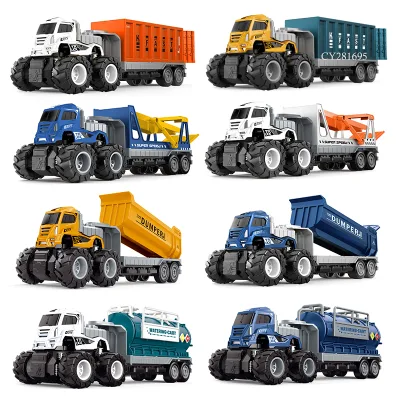
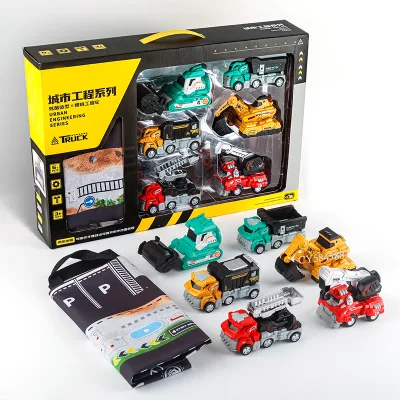
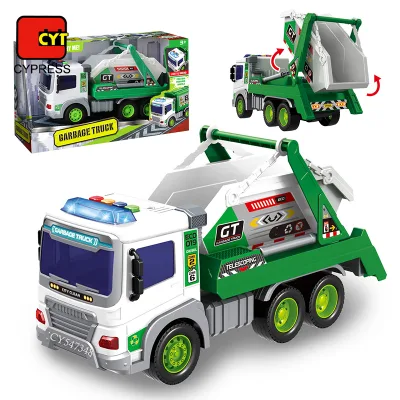
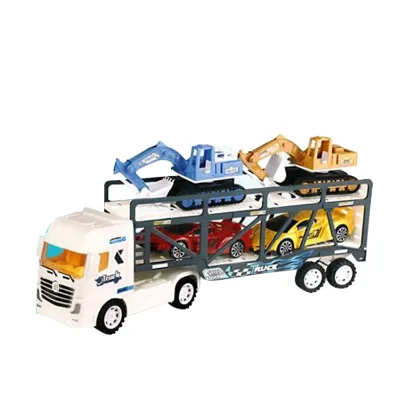
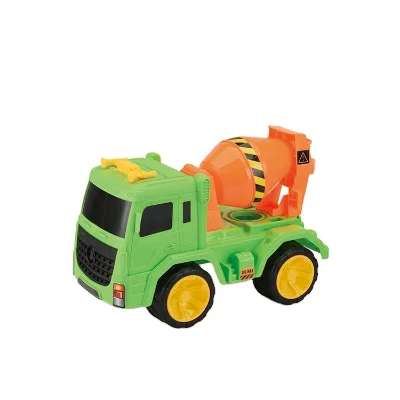
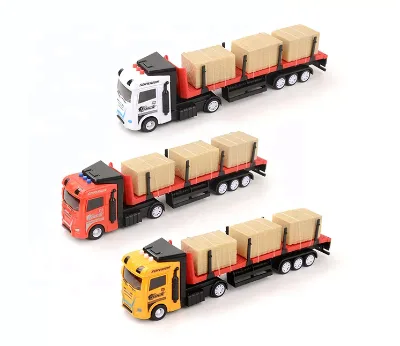
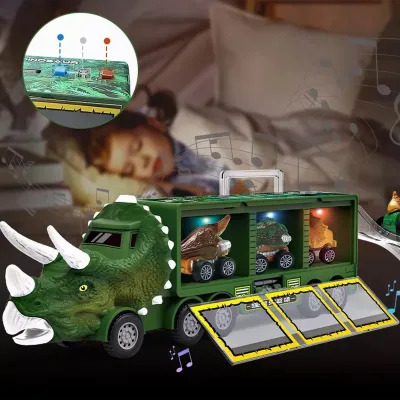


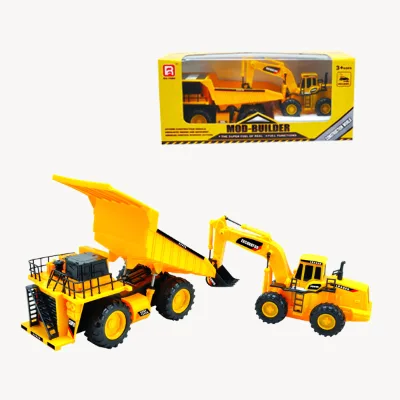


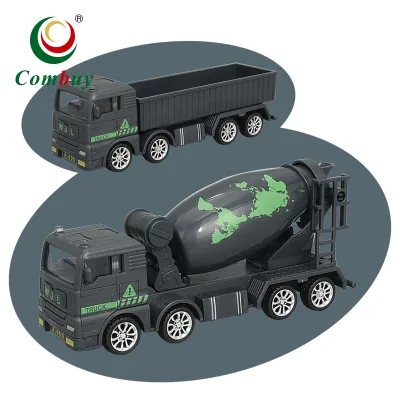
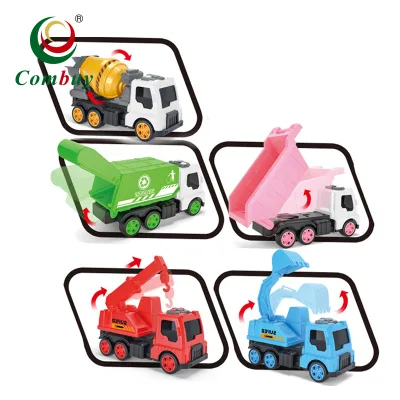


Comprehensive Sourcing Guide
Toy Truck Sourcing Guide
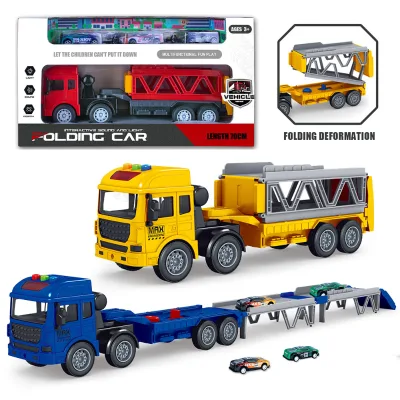
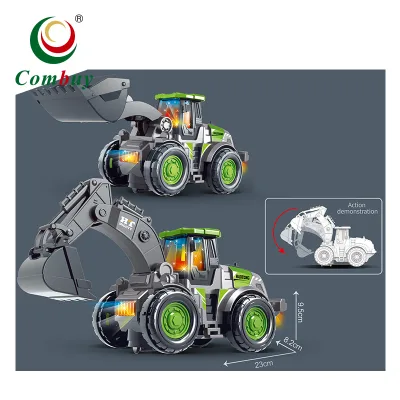
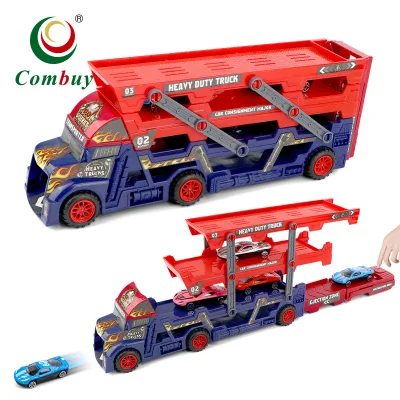
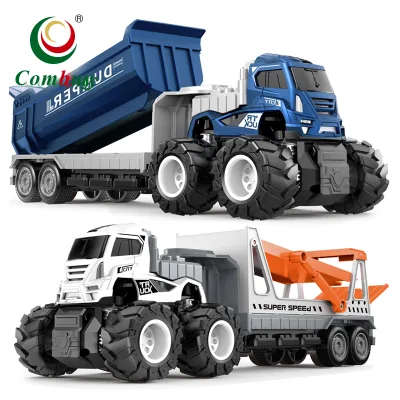
The Toy Truck market offers a diverse range of friction-powered vehicles designed for children aged two to thirteen years, with specific models catering to distinct developmental stages. Procurement strategies must account for the variation in product types, ranging from fire trucks and dump trucks to specialized vehicle transport carriers and construction vehicle sets. Buyers should prioritize understanding the functional mechanics, such as the friction-powered operation that requires no batteries, which simplifies logistics and reduces long-term maintenance concerns for end-users.
Sourcing decisions should be grounded in the observed product attributes, including material composition and packaging standards. The available inventory features both plastic and metal constructions, with specific models like the RFD series and Cypress-branded items offering distinct size profiles and packing configurations. A thorough review of the product scope reveals that customization is available, allowing buyers to tailor styles and features to specific regional preferences or brand requirements while maintaining the core friction-powered functionality that defines this category.
Product Scope and Observed Listing Signals
Buyers must carefully distinguish between the various product models based on their specific dimensions and packaging requirements, as these factors directly impact shipping efficiency and shelf presentation. The observed listings include models with precise dimensions such as 2698.5 CM for friction-powered toys and 11.55.56.8 CM for smaller vehicle sets, alongside larger transport trucks measuring 5831.59 CM. Understanding these physical specifications is critical for calculating volumetric weight and determining the optimal container load, especially when mixing different SKUs like the RFD352293 fire truck with the RFD293659 dump truck.
The commercial signals in the market indicate a wide range of Minimum Order Quantities (MOQs) and packing formats that influence initial investment and inventory management. While some suppliers list an MOQ of 144 pieces for specific friction toy sets, others may require orders up to 4000 units, necessitating a clear alignment between the buyer's order volume and the supplier's production capacity. Additionally, the presence of display boxes and carton packaging options suggests that buyers should verify whether the packaging is designed for retail display or bulk shipping, as this affects the final presentation and potential damage rates during transit.
Technical Specifications to Verify
Verification of the product model numbers and their corresponding standard specifications is essential to ensure that the ordered items match the intended design and functional requirements. The market data highlights specific model identifiers such as RFD368720, RFD379397, and CY281695, each associated with unique standard metrics like cubic meter costs or physical dimensions. Buyers should cross-reference these model numbers with the requested product attributes, such as the "Sound" or "Without Sound" features, to confirm that the selected units align with the target demographic's expectations for auditory feedback.
Material composition and power source verification are critical technical checks that define the durability and usability of the toy trucks. The available inventory includes both plastic and metal variants, with a consistent emphasis on friction-powered mechanisms that eliminate the need for batteries. Procurement teams must confirm that the selected models, such as the Carrier Truck Toy Cars or Engineering Toys Car sets, strictly adhere to the "No battery" specification to avoid compliance issues related to battery safety and to ensure the toys remain functional without requiring power replacements.
Compliance and Safety Documentation
Safety compliance is a non-negotiable aspect of sourcing toy trucks, particularly given the target age ranges spanning from toddlers to early teenagers. The observed listings explicitly mention certifications such as EN71 and ASTM, which are critical for market access in Europe and North America respectively. Buyers must request valid test reports that verify the products meet these specific standards, ensuring that the materials used, including the plastic and metal components, are free from hazardous substances and that the physical design prevents choking hazards for the younger age groups.
Documentation verification should extend beyond the primary safety certifications to include detailed product descriptions and feature claims. The "EN71 ASTM" certification noted in the data serves as a baseline, but buyers should ensure that the specific test results cover all relevant safety aspects, such as mechanical strength and flammability, for the specific friction-powered models being ordered. It is imperative to confirm that the supplier provides up-to-date documentation for the exact batch of goods, as standards and regulatory requirements can evolve, and relying on outdated certificates can lead to customs delays or product recalls.
Cost Drivers and Commercial Terms
The cost structure for toy trucks is heavily influenced by the material composition, with metal variants often commanding different price points compared to plastic models. The observed price range of 0.07 to 11.09 USD reflects the diversity in product complexity, size, and material quality, requiring buyers to analyze the cost per unit against the intended retail price and margin targets. Understanding these price drivers helps in negotiating effectively, as the inclusion of features like sound effects or specialized packaging can significantly alter the final landed cost.
Commercial terms, particularly Minimum Order Quantities and packing configurations, play a pivotal role in the overall procurement budget and cash flow management. The wide MOQ range, from 108 pieces to 4000 units, means that buyers must align their order volumes with their sales forecasts to avoid overstocking or underutilizing production capacity. Furthermore, the packing size, such as the 5831.59 CM dimensions for single packages, directly impacts shipping costs, making it essential to calculate the total cost of ownership including freight, which can vary significantly based on the cubic meter volume of the shipment.
Supplier Qualification and Quality Control
Supplier qualification should focus on verifying the origin and production capabilities, as the data indicates a concentration of manufacturing in regions like Shantou and Guangdong, China. Buyers must confirm that the supplier has a proven track record in producing friction-powered toys and can consistently deliver the specific model numbers and customization options observed in the market. Establishing a relationship with a supplier who understands the nuances of Toy Truck manufacturing, from the friction mechanism to the metal and plastic molding processes, is vital for maintaining product consistency.
Quality control protocols must be rigorous, especially when dealing with products intended for children in various age groups. Buyers should implement pre-shipment inspections that verify the physical dimensions, material integrity, and the functionality of the friction-powered mechanisms. Given the presence of specific model numbers and standard specifications, the inspection process should include a random sampling of units to ensure that the "Picture Shown" color and "Friction Toy" style match the actual delivered goods, preventing discrepancies that could lead to customer dissatisfaction or returns.
Long-Term Procurement Checks
Sustaining a successful procurement relationship requires ongoing monitoring of product performance and market feedback to ensure continued compliance and customer satisfaction. Buyers should establish a system for tracking defect rates and customer complaints related to the toy trucks, focusing on common issues such as the durability of the friction mechanism or the integrity of the packaging. Regular reviews of the product line, including the RFD and Cypress models, allow for timely adjustments to specifications or suppliers if quality trends shift over time.
Strategic planning for future orders should involve analyzing the evolving market trends and regulatory landscape to anticipate changes in safety standards and consumer preferences. As the Toy Truck category continues to evolve, buyers must remain vigilant about updates to EN71, ASTM, and other relevant standards to ensure that future orders remain compliant. Additionally, maintaining open communication with suppliers regarding customization availability and production lead times will help in adapting to market fluctuations and securing a reliable supply chain for the long term.
FAQs
What materials are used for toy trucks?
Toy trucks are primarily manufactured using plastic and metal materials. Plastic models often feature friction-powered mechanisms and come in various styles such as fire trucks or dump trucks. Metal options provide a durable finish for carrier truck toys. Buyers can select based on desired weight, durability, and cost efficiency for their specific product line requirements.
Can toy trucks be customized for buyers?
Yes, customization is available for many Toy Truck models. Buyers can request specific styles, such as fire trucks or construction vehicles, and choose between sound or silent versions. Packaging can also be tailored, with options including display boxes or standard cartons. This flexibility allows businesses to align products with their brand identity and target audience preferences effectively.
What certifications do toy trucks have?
Many toy trucks carry EN71 and ASTM certifications, ensuring they meet international safety standards for children's products. These certifications verify that the materials and construction are safe for the specified age ranges, which typically include children aged 2 to 13 years. Buyers should verify specific certificate documents with suppliers to ensure compliance with their local market regulations.
What is the typical MOQ for toy trucks?
The minimum order quantity varies by supplier and product model, ranging from 2 to 4000 pieces. Specific models may have fixed MOQs, such as 108 or 144 pieces. Buyers should check the MOQ for each specific model number, as smaller orders might be possible for standard items, while larger volumes are often required for customized packaging or specific production runs.
Where are toy trucks manufactured?
Toy trucks are predominantly manufactured in China, with key production hubs in Shantou and Guangdong. These regions are known for their robust toy manufacturing infrastructure and supply chains. Buyers sourcing from these locations can often access a wide variety of models, from friction-powered vehicles to detailed metal carrier trucks, with competitive pricing and efficient logistics.
How are toy trucks packaged?
Toy trucks are typically packaged in cartons or display boxes, depending on the product type and buyer requirements. Standard packaging dimensions vary, with some models packed in cartons measuring specific sizes like 78x37.5x85cm. Other items may use smaller display boxes for retail readiness. Buyers should confirm packaging details to ensure compatibility with their shipping and retail display needs.