Source Truck Water Inlet Tube for Engine Cooling, Repair, and Replacement
Find and compare 30 Truck Water Inlet Tube options from China. Evaluate materials like natural rubber and aluminum, check OE numbers such as 1303021-T0500, and review specifications for engine cooling system repairs.
Key considerations
Products List


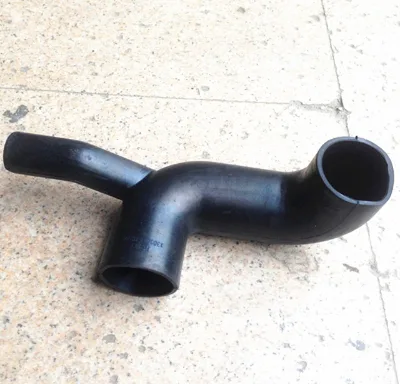


$1.00 - $2.00
MOQ: 1000 Pieces


$1.00 - $2.00
MOQ: 1000 Pieces


Comprehensive Sourcing Guide
Truck Water Inlet Tube Sourcing Guide
Sourcing truck water inlet tubes requires a disciplined approach to component verification, as these parts serve as critical conduits for engine cooling systems. The provided data indicates a diverse marketplace where listings span from aluminum extruded tubes to rubber hoses, reflecting the varied material needs of different truck models and cooling configurations. Buyers must navigate this complexity by distinguishing between rigid structural components and flexible fluid transfer elements, ensuring that the selected part matches the specific mechanical and thermal demands of the vehicle.
The observed product range includes items explicitly labeled as "Water Inlet Tube" alongside related components such as oil coolers and tank truck hoses. This overlap necessitates careful scrutiny of product titles and model numbers to avoid procurement errors. For instance, while some listings highlight aluminum construction for heat dissipation, others focus on natural rubber for flexibility and pressure resistance. Understanding these material distinctions is the first step in aligning supplier offerings with the technical requirements of the truck’s cooling circuit.
Product Scope and Observed Listing Signals
The current market signals reveal a significant variation in product specifications, with observed prices ranging from $0.08 to $350 USD and minimum order quantities (MOQs) spanning from 1 to 1,000 units. This wide disparity suggests that the category encompasses both low-cost, high-volume consumables and specialized, higher-value engineered components. Buyers should interpret these ranges as indicators of differing material grades, manufacturing complexities, and supplier scales, rather than uniform market pricing for a single standard part.
Specific listings highlight distinct product models such as "5348963" and "1303021-T0500," which appear to be original equipment manufacturer (OEM) references for replacement or repair purposes. These model numbers are critical for accurate identification, as they tie the generic category of "water inlet tube" to specific truck architectures. Additionally, the presence of "ZY Tank Truck Hose" and "Rubber Oil Hose" attributes in the same dataset underscores the importance of verifying the exact fluid type and application, as a tube designed for alcohol cooling fluid may not be suitable for other media.
Technical Specifications to Verify
Material composition is a primary technical differentiator, with observed listings citing both aluminum and natural rubber as body materials. Aluminum components, often described as having a direct-flow radiator type or tube-fin core, are typically used in rigid mounting applications where structural integrity and heat transfer are paramount. In contrast, rubber-based tubes, such as those made from natural rubber and colored black, offer the flexibility required for connecting disparate engine components while absorbing vibration and thermal expansion.
Dimensional and structural specifications must be cross-referenced with the vehicle’s service manual. Observed data includes standard sizes like "807060cm" and "306090," as well as single package dimensions of "25X10X10 cm," though these likely refer to packaging rather than the tube itself. Buyers must verify the actual internal and external diameters, wall thickness, and connection interface types. The condition of the parts is consistently listed as "new," but the quality grade varies, with some suppliers claiming "higher" quality while others simply state "high," requiring physical inspection or sample testing to validate performance.
Compliance and Safety Documentation
Certification requirements vary significantly across the observed product listings, with some items displaying CCC and ISO TS marks, while others lack explicit certification data in the provided snippets. For truck components, particularly those involved in fluid transfer and cooling, compliance with relevant automotive standards is essential for ensuring safety and reliability. Buyers should request valid certification documents from suppliers to confirm that the materials and manufacturing processes meet the regulatory requirements of the destination market.
The origin of the products is primarily identified as China, with specific mentions of Hubei as a place of origin. This geographic information can be useful for supply chain logistics but does not inherently guarantee quality. Buyers should verify that the supplier’s production facilities adhere to recognized quality management systems, regardless of location. Additionally, the presence of "Original" branding in some listings suggests that these parts may be genuine OEM replacements, which often come with stricter quality controls and traceability compared to aftermarket alternatives.
Cost Drivers and Commercial Terms
Pricing in this category is influenced by material costs, manufacturing complexity, and order volume. The observed MOQ range of 1 to 1,000 units allows for flexibility, enabling buyers to start with small sample orders before committing to larger purchases. However, the wide price range indicates that cost is not solely a function of quantity but also of the specific material and design. Aluminum extruded tubes and specialized rubber hoses likely command higher prices due to the precision required in their production.
Commercial terms such as delivery time and warranty are critical factors in the total cost of ownership. Observed delivery times range from 7 to 15 days, which is relatively standard for international trade but can impact inventory management and vehicle downtime. Warranty periods vary, with some listings offering three months and others providing six months. Buyers should negotiate clear warranty terms that cover defects in material and workmanship, ensuring that any failures during the initial operational period are addressed without additional cost.
Supplier Qualification and Quality Control
Supplier qualification should begin with a review of their production capabilities and quality assurance processes. The observed data mentions "professional service" and "sample order accepted," which are positive indicators of supplier flexibility and customer focus. Buyers should request samples to verify the physical attributes of the water inlet tubes, including material consistency, dimensional accuracy, and finish quality. This step is crucial for validating that the supplier can meet the specific technical requirements of the truck model.
Quality control measures should be explicitly defined in the purchase agreement. Given the variation in quality claims, such as "higher" versus "high," buyers should establish clear acceptance criteria based on OEM specifications. This may include visual inspections, pressure testing, and material analysis. Suppliers who provide detailed packing information, such as wooden pallets or cartons, demonstrate attention to product protection during transit, which is essential for preventing damage to fragile components like aluminum tubes or rubber hoses.
Long-Term Procurement Checks
Establishing a long-term procurement strategy requires ongoing monitoring of supplier performance and product reliability. Buyers should track key performance indicators such as on-time delivery, defect rates, and responsiveness to quality issues. The observed lead times of 7-15 days should be consistently met to ensure uninterrupted supply. Regular audits of the supplier’s quality management system can help identify potential risks before they impact production or vehicle maintenance schedules.
As technology and regulations evolve, buyers must stay informed about changes in truck cooling system designs and material standards. The diversity of observed products, from aluminum extruded channels to rubber hoses, suggests that the market is dynamic and responsive to different vehicle needs. By maintaining a diversified supplier base and continuously validating product specifications, buyers can mitigate risks and ensure the long-term reliability of their truck fleets. This proactive approach to procurement supports operational efficiency and reduces the total cost of ownership over the lifecycle of the vehicles.
FAQs
What certifications are available for truck water inlet tubes?
Available certifications include CCC and ISOTS for specific cooling styles. These products may be air-cooled or water-cooled depending on the model. Buyers should verify the specific certification required for their application before ordering.
Can I request customization for the Truck Water Inlet Tube?
Customization is available for this product category. Buyers can request specific modifications to meet their operational needs. Contact suppliers directly to discuss the scope of customization and any associated lead time adjustments.
What is the typical delivery time for these tubes?
The delivery time ranges from 7 to 15 days for most orders. Some specific models may have a lead time of just 7 days. Buyers should confirm the exact schedule with the supplier based on current inventory levels.
Which materials are used to construct the Truck Water Inlet Tube?
Materials include natural rubber for hoses and high-quality aluminum for tubes. Some components are made from aluminum extruded channel tubes. The specific material depends on whether the item is a hose or a rigid tube.
What is the warranty period for the Truck Water Inlet Tube?
Warranty periods vary between three months and six months depending on the specific product. Buyers should check the warranty details for the exact model number they intend to purchase. This ensures coverage matches their maintenance schedule.
How are the truck water inlet tubes packed for shipping?
Packaging options include wooden pallets, standard pallets, and cartons. The specific packing method depends on the product type and size. Buyers should verify the packaging details to ensure safe transport of their order.
Can I order a sample of the Truck Water Inlet Tube?
Sample orders are accepted for this product line. Buyers can request samples to verify quality before placing a bulk order. This allows for testing the product against specific requirements like OE numbers or dimensions.