Source Truck Weighbridge for Logistics, Mining, and Trade
Source 30 Truck Weighbridge options for logistics, mining, and trade. Compare dynamic and static scales with U-type steel structures, LED displays, and customizable platforms from 6m to 30m. Evaluate CE and ISO certified suppliers in China for industrial weighing needs.
Key considerations
Products List


20 Ton Heavy Duty Truck Scale Electronic Weigh Bridge 80 Ton Weighbridge
$2000.00 - $15000.00
MOQ: 1 Pieces

3*24m 150t Truck Scale Weigh Bridge Scale Heavy Duty Truck Weighbridge
$2000.00 - $16000.00
MOQ: 1 Pieces

Truck Weighing Scale Weighbridge Weight 100 Ton Portable Weigh Scales
$2000.00 - $15000.00
MOQ: 1 Pieces


U-Type Weighbridge Vehicle Weighing Scale Weighing Bridge for Trucks Weighbridge
$11000.00 - $21000.00
MOQ: 1 Pieces

80t Electronic Truck Weight Scale for Accurate Weighing Truck Weighbridge
$11500.00 - $11780.00
MOQ: 1 Pieces


Weigh Bridge Scale Heavy Duty 60 Ton 80 Ton 100 Tontruck Weighbridge
$7000.00 - $12000.00
MOQ: 1 Pieces


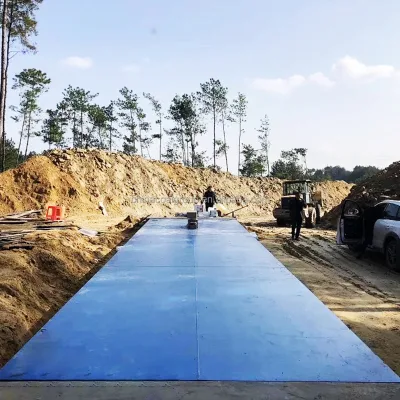

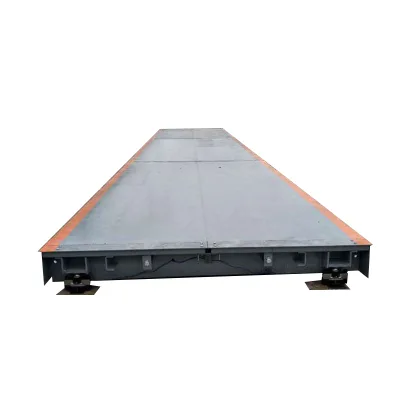
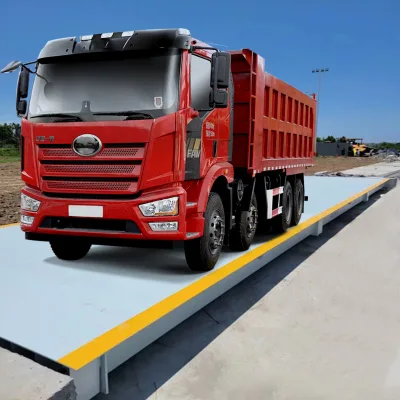

Truck Scale Weighbridge Factory for Engineering Projects China Wholesale Price
$1800.00 - $18000.00
MOQ: 1 Pieces

Electronic Truck Scale Weighbridge System China Factory Price Direct Supply
$1800.00 - $18000.00
MOQ: 1 Pieces


U Beam Modular Design Heavy Duty Truck Scale Weighbridge for Container Trucks
$3001.00 - $11000.00
MOQ: 1 Pieces


Comprehensive Sourcing Guide
Truck Weighbridge Sourcing Guide
Selecting the right Truck Weighbridge requires a clear understanding of whether your operational needs demand a static or dynamic weighing solution. The market offers distinct categories based on the weighing method, with static truck scales designed for precise, stationary measurements and dynamic weighbridges intended for weighing vehicles in motion. Buyers must first determine if their logistics flow requires the high accuracy of a static setup, often found in industrial plants and customs checkpoints, or the throughput efficiency of a dynamic system used on highways and toll stations. This fundamental choice dictates the subsequent technical specifications, civil engineering requirements, and software integration needs.
Beyond the weighing method, the structural design and sensor technology are critical differentiators. Products range from mechanical and electrical scales to fully electronic digital scales, each offering different levels of automation and data integration. Modern systems often feature LED displays and advanced functions such as license plate recognition, photo records, and vehicle information input, which streamline the weighing process and reduce manual errors. Understanding these structural and functional variations allows procurement teams to align their purchase with specific operational workflows, ensuring that the chosen equipment supports both current volume demands and future scalability.
Product Scope and Observed Listing Signals
The current market landscape for truck weighbridges shows a significant diversity in product configurations, with observed listings indicating a wide price range from approximately $50 to $21,000 USD. This variance reflects differences in platform size, structural complexity, and the inclusion of ancillary equipment such as software suites and specialized indicators. The minimum order quantity (MOQ) for these industrial assets typically ranges from 1 to 2 units, suggesting that while these are custom-engineered items, suppliers are accustomed to handling single-unit procurement projects for individual sites or small-scale expansions. Buyers should interpret the lower end of the price spectrum as likely representing basic structural components or smaller capacity units, while higher values correspond to fully integrated systems with advanced automation features.
Listing signals also reveal a strong emphasis on customization and modular design. Suppliers frequently offer platform lengths ranging from 6 meters to 30 meters and widths from 3 meters to 4.5 meters, with many providing customized width options to fit specific site constraints. The weighing capacity is another key variable, with observed ranges spanning from 10 tons up to 200 tons, allowing for the weighing of everything from light commercial trucks to heavy-duty mining vehicles. Additionally, the platform thickness is specified between 8mm and 20mm, indicating that buyers can select structural robustness based on the axle load and frequency of use. These signals suggest that off-the-shelf solutions are rare, and most procurement efforts will involve configuring a system to match precise site dimensions and load requirements.
Technical Specifications to Verify
When evaluating technical proposals, the first priority is verifying the scale structure and material composition. High-quality units typically utilize Q235B steel for the main beams and top plates, with top plate thickness options ranging from 8mm to 14mm and main beam thicknesses of 6mm or 8mm. The U-type steel structure is a common design feature that provides robust support and resistance to lateral forces. Buyers must confirm that the material grade matches the specified standards, as inferior steel can lead to premature fatigue and structural failure under heavy, repeated loads. The platform thickness, observed between 8mm and 20mm, should be selected based on the maximum axle weight and the frequency of traffic, with thicker plates offering greater durability for high-volume industrial applications.
Sensor technology and environmental ratings are equally critical for long-term reliability. The weighing method, whether static or dynamic, must align with the intended use case, and the sensor type should be verified as a digital scale for improved signal integrity and noise resistance. Operating environment specifications are vital, particularly regarding explosion-proof requirements for hazardous areas or standard non-explosion-proof models for general logistics. Temperature ranges for the indicator and load cells must also be checked; for instance, indicators may operate between -10°C and 40°C, while load cells might withstand -30°C to 75°C. Ensuring that these environmental ratings match the local climate and site conditions prevents sensor drift and data inaccuracies during extreme weather events.
Compliance and Safety Documentation
Regulatory compliance is a non-negotiable aspect of weighbridge procurement, with certifications such as CE, SGS, and ISO9001:2008 serving as baseline indicators of manufacturing quality. Buyers should request valid certificates for the specific model being purchased, verifying that the documentation is current and issued by an accredited body. The OIML certification is particularly important for trade-related weighing, as it ensures that the scale meets international legal metrology requirements for accuracy and fairness. Without proper certification, the weighbridge data may not be legally admissible for billing, customs, or tax purposes, potentially leading to significant financial and legal liabilities for the operating company.
Safety features and protection classes must also be thoroughly documented. The inclusion of lightning protection is a standard but essential feature for outdoor installations, safeguarding sensitive electronic components from power surges and atmospheric discharge. The protection class of the electrical components should be verified to ensure resistance to dust and moisture, especially in harsh industrial environments. Additionally, the power supply requirements, typically ranging from 110V to 240V, must be compatible with the local electrical infrastructure. Buyers should ensure that the supplier provides detailed electrical schematics and safety manuals, which are crucial for proper installation and ongoing maintenance by local technicians.
Cost Drivers and Commercial Terms
The total cost of ownership for a Truck Weighbridge is influenced by several key factors, including platform dimensions, capacity, and the level of automation. Larger platforms and higher capacity ratings naturally increase the material and manufacturing costs, while the inclusion of advanced software features such as license plate recognition and automatic localization adds to the initial investment. The packing method, whether in 20gp or 40gp containers or wooden packing, also affects logistics costs and handling requirements at the destination. Buyers should request a detailed breakdown of costs to understand how each component contributes to the final price, allowing for informed decisions on where to allocate budget for maximum operational benefit.
Commercial terms and warranty provisions are critical for mitigating long-term risk. The platform warranty is typically offered for three years, covering structural defects and material failures, but buyers must clarify what is excluded, such as damage from misuse or improper installation. The software package, often consisting of seven sets, should be included in the initial quote, with clear terms regarding updates and technical support. Lead times and delivery schedules should be explicitly agreed upon, as these systems often require significant lead time for manufacturing and shipping. Understanding the payment terms, such as deposits and balance payments upon shipment, helps in cash flow planning and ensures that the supplier is financially committed to delivering the project on time.
Supplier Qualification and Quality Control
Supplier qualification begins with verifying the origin and manufacturing capabilities of the provider. Common origins for these systems include Quan Zhou, Fujian, and Qingdao, Shandong, in China, regions known for their industrial manufacturing bases. Buyers should assess the supplier’s production capacity and quality control processes to ensure consistency and reliability. The ability to provide OEM and ODM support indicates a flexible manufacturing process capable of meeting specific custom requirements. It is advisable to request references from previous clients and, if possible, conduct a factory audit to inspect the production lines and testing facilities firsthand.
Quality control measures should extend beyond the final product to include raw material verification and assembly inspections. The use of high-quality Q235B steel should be confirmed through material test reports, and the welding quality of the U-type steel structure should be inspected for integrity and durability. The calibration of load cells and the functionality of the LED display and software should be tested before shipment. Buyers should establish clear acceptance criteria and inspection protocols, including third-party inspection options if necessary, to ensure that the delivered system meets all specified technical and performance standards. This proactive approach to quality control minimizes the risk of receiving defective equipment and reduces the likelihood of costly delays during installation.
Long-Term Procurement Checks
Long-term procurement success depends on establishing a robust maintenance and support framework. The three-year platform warranty is a starting point, but buyers should negotiate extended service contracts or spare parts agreements to cover the lifespan of the equipment. Regular calibration and inspection schedules should be implemented to maintain accuracy and compliance, with clear procedures for handling sensor drift or structural wear. The availability of technical support and software updates is crucial, especially for systems with advanced automation features like license plate recognition and data integration. Buyers should ensure that the supplier provides comprehensive training for their operational staff to maximize the efficiency and longevity of the weighbridge system.
Finally, buyers should monitor technological advancements and industry standards to ensure their investment remains relevant. As regulations evolve, particularly in areas of environmental protection and data security, weighbridge systems may require upgrades or modifications. Maintaining a relationship with a reliable supplier allows for easier access to these updates and future expansions. By focusing on long-term value rather than just initial cost, procurement teams can secure a weighing solution that supports their operational goals, ensures regulatory compliance, and provides a strong return on investment over the life of the asset.
FAQs
What is the typical weighing range for a Truck Weighbridge?
The weighing range typically spans from 10 tons up to 200 tons, depending on the specific model configuration. Buyers can select from ranges such as 10t to 150t or 10t to 120t to match their operational needs. This flexibility ensures the scale handles various truck loads effectively without compromising accuracy or structural integrity during daily operations.
Can a Truck Weighbridge be customized for specific requirements?
Yes, customization is available for platform dimensions, structural designs, and functional software integrations. Buyers can choose platform lengths from 6m to 30m and widths like 3m or 3.5m. Additionally, OEM and ODM support allows for tailored solutions, including customized colors and specialized features like license plate recognition or specific data processing systems.
What certifications are standard for these truck scales?
Standard certifications include CE, SGS, ISO9001:2008, and OIML, ensuring compliance with international quality and safety standards. These credentials verify the structural integrity and measurement accuracy of the equipment. Buyers should verify specific certification requirements with suppliers to ensure the delivered product meets local regulatory standards and operational safety protocols for industrial environments.
How is the Truck Weighbridge packed for shipping?
The equipment is typically packed in 20gp or 40gp containers, or using wooden packing for added protection. This method ensures safe transit of heavy steel components and sensitive electronic sensors. Proper packaging prevents damage during long-distance logistics, maintaining the precision of load cells and the structural stability of the U-type steel beams upon arrival at the destination site.
What materials are used in the construction of the scale?
The scale is constructed from high-quality Q235B steel, providing durability and resistance to heavy loads. The top plate thickness options range from 8mm to 20mm, while main beams are available in 6mm or 8mm thicknesses. This robust material selection ensures long-term performance in demanding industrial environments, supporting dynamic and static weighing methods effectively.
What are the operating temperature limits for the components?
The indicator operates within a temperature range of -10°C to 40°C, while load cells function between -30°C and 75°C. These limits ensure reliable performance in various climates. Buyers should consider these ranges when selecting scales for outdoor installations or extreme environments to maintain measurement accuracy and prevent electronic failures due to thermal stress on sensitive components.