Source Underground Mining Shotcrete Robot for Tunnels, Mines, and Caverns
Compare 30 Underground Mining Shotcrete Robot options from verified Chinese suppliers. These units feature hydraulic processes, wear-resistant materials, and ISO9001:2008 certification for construction engineering applications. Buyers can review specifications like rated power, fuel tank capacity, and delivery distances to select the right equipment for their specific underground vehicle needs.
Updated
Key considerations
Products List

Mining Site Concrete Underground Shotcrete Sprayer Underground Shotcrete Equipment
$147000.00 - $165000.00
MOQ: 1 unit

Durable Underground Shotcrete Equipment Underground Shotcrete Sprayer
$147000.00 - $165000.00
MOQ: 1 unit

Efficient Underground Shotcrete Sprayer Efficient Underground Shotcrete Sprayer
$147000.00 - $165000.00
MOQ: 1 unit

Easy Operation Underground Shotcrete Sprayer Efficient Underground Shotcrete Sprayer
$147000.00 - $165000.00
MOQ: 1 unit


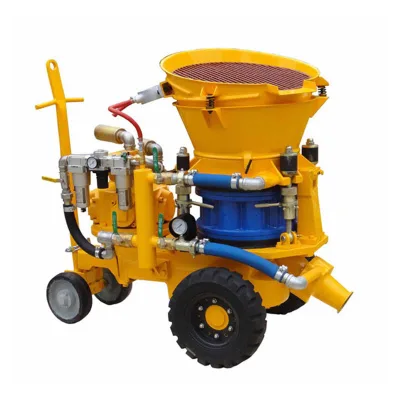
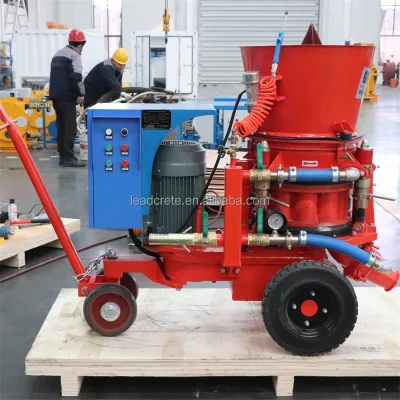
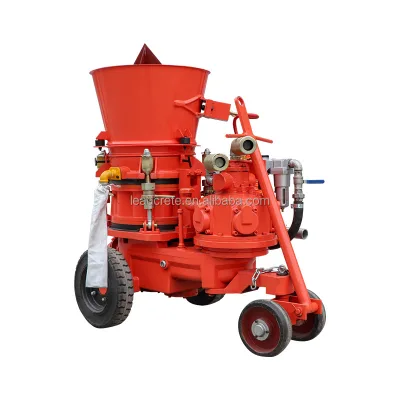
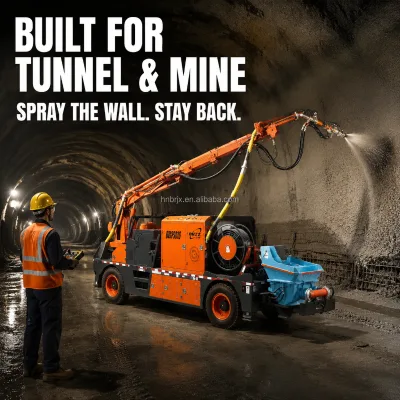
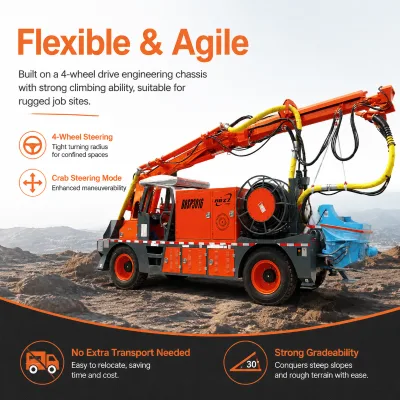


Heavy-Duty Shotcrete Machine for Robust Underground Construction Projects
$2569.00 - $4500.00
MOQ: 1 Pieces


Precision Concrete Shotcrete Machine for Accurate Material Placement
$2569.00 - $4500.00
MOQ: 1 Pieces
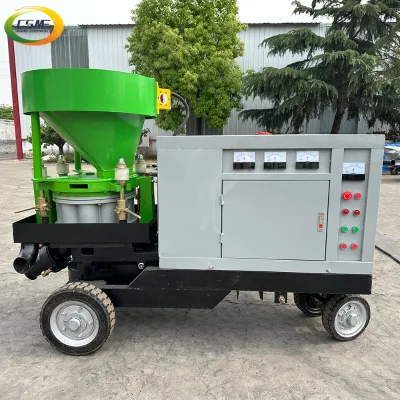
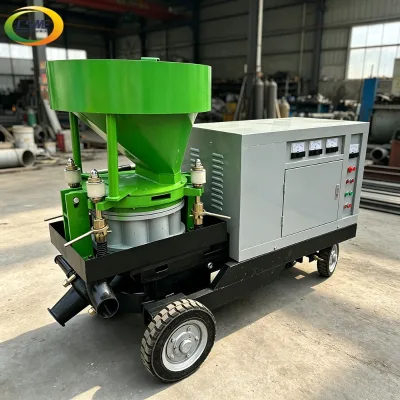
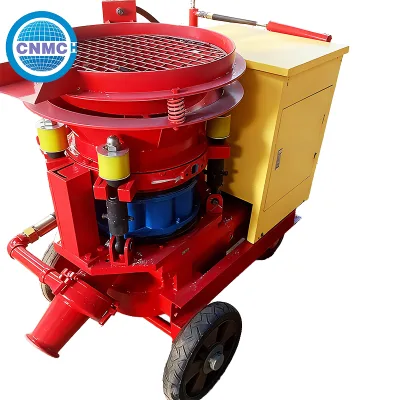


Telescopic Boom Shotcrete Tunnel Mining Construction Wet Concrete Robotic Shotcrete Machine
$100000.00 - $132000.00
MOQ: 1 Sets

Shotcrete Machine Wet Shotcrete Robot, Manipulator, Concrete Spray Machine
$12000.00 - $135000.00
MOQ: 1 Sets


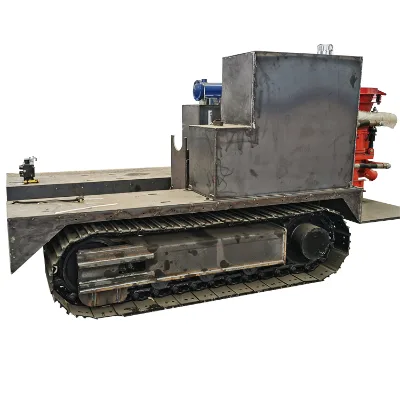
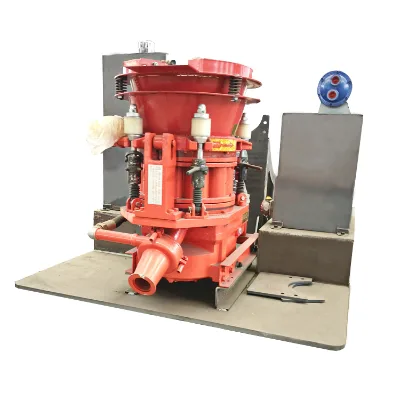
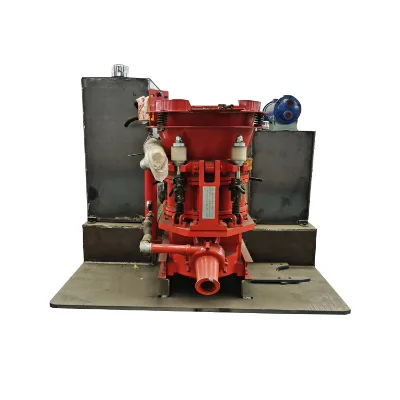
Mine-Used Crawler Shotcrete Machine Long-Distance Construction Machinery
$5000.00 - $5500.00
MOQ: 1 pieces
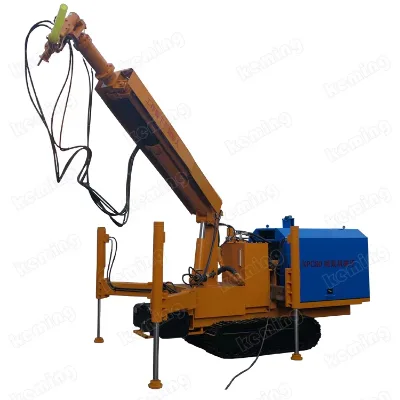
Comprehensive Sourcing Guide
Underground Mining Shotcrete Robot Sourcing Guide
Procuring specialized underground mining shotcrete robots requires a rigorous evaluation of mechanical robustness and operational efficiency in confined spaces. Buyers must prioritize equipment that integrates hydraulic systems with high-wear-resistant materials to withstand the abrasive nature of concrete spraying in tunneling and civil engineering projects. The observed market data indicates a strong presence of models like the ZUSS-20X and PZ-5, which demonstrate varying structural approaches such as underground shotcrete sprayers and rotor-type mechanisms. Understanding these structural distinctions is critical for aligning equipment capabilities with specific site constraints, ensuring that the chosen robot can effectively navigate narrow tunnels while maintaining consistent output rates.
The sourcing process also demands careful attention to power sources and energy efficiency, as underground environments often rely on electric or diesel-hydraulic hybrid systems. Evidence suggests that electric-powered units with 380V voltage ratings are available, offering energy-saving benefits and reduced emissions compared to traditional combustion engines. Buyers should verify the rated power and speed of the engine or motor, noting that specifications such as 81 Kw/2200 R/Min or 5.5kw/7.5kw motor powers are observed in current listings. This variation impacts not only the initial capital expenditure but also the long-term operational costs, making it essential to match the power profile with the available site infrastructure and energy supply reliability.
Product Scope and Observed Listing Signals
The current market for underground mining shotcrete robots features a diverse range of models, primarily originating from China, with specific hubs like Henan province contributing to the supply base. Listings reveal a price range spanning from $100 to $165,000 USD, reflecting significant differences in capacity, automation level, and structural complexity. Common product models include the ZUSS-20X, PZ-5, and PS Series, each designed with distinct dimensions and capacities. For instance, the ZUSS-20X is noted for its underground shotcrete sprayer structure, while the PZ-5 and PS Series often feature rotor-type mechanisms with specific rotor diameters such as 440mm or 480mm. These variations indicate that buyers must carefully assess the physical footprint and operational scope of each model to ensure compatibility with their specific mining or tunneling applications.
Observations also highlight key performance metrics such as productivity rates, with some units achieving outputs of 3/5/7m³/h or 240m³/h, depending on the model and configuration. The color of the equipment, often yellow or red, serves as a visual identifier but does not impact performance. Additionally, the condition of the products is consistently listed as new, with customized options available to meet specific project requirements. Buyers should note that packaging varies from nude packing to wooden cases or plastic wrap with plywood cases, which influences logistics and handling procedures. Understanding these listing signals helps in filtering suppliers and identifying products that align with the technical and logistical needs of the procurement project.
Technical Specifications to Verify
When evaluating technical specifications, buyers must focus on the hydraulic system's capacity and the machine's delivery capabilities, as these directly influence operational efficiency. Key parameters to verify include the hydraulic oil tank size, which is observed at 220 L in some models, and the fuel tank capacities, ranging from 120 L to 140 L for driving fuel. The horizontal and vertical delivery distances are critical for underground applications, with observed ranges of 30 meters horizontally and 20 meters vertically. These metrics determine the robot's reach and flexibility within the tunnel environment. Additionally, the feeding height, noted at 1400mm in some listings, affects the ease of material loading and overall workflow efficiency, making it a vital specification to confirm against site requirements.
Dimensional constraints are equally important, as underground spaces are often limited. Standard dimensions such as 8250x2000x2400 mm for the ZUSS-20X or 1500x800x1300 mm for the PZ-5 must be compared against the tunnel cross-sections. Buyers should also verify the track gauge, which is available in 600mm, 762mm, and 900mm options, to ensure compatibility with existing rail systems or ground conditions. The overall dimension of 1.35x0.75x1.2 m for certain PS series models highlights the compact design necessary for maneuverability. Confirming these physical specifications prevents logistical bottlenecks and ensures that the equipment can be effectively deployed and operated within the confined underground environment.
Compliance and Safety Documentation
Compliance with international standards is a prerequisite for sourcing underground mining equipment, with ISO9001:2008 and CE certifications being commonly observed in the market. These certifications indicate that the manufacturer adheres to specific quality management and safety directives, which is crucial for ensuring the reliability and safety of the shotcrete robots. Buyers should request valid certification documents to verify that the equipment meets the regulatory requirements of their operating jurisdiction. The presence of CE marking, in particular, suggests compliance with European health, safety, and environmental protection standards, which can be a benchmark for global quality expectations. Ensuring that the supplier provides up-to-date and authentic certification documents mitigates legal and operational risks associated with non-compliant machinery.
Safety features and operational documentation are also essential components of the compliance framework. Buyers should inquire about the availability of video outgoing-inspection services, which are provided by some suppliers, allowing for remote verification of the machine's condition before shipment. This transparency helps in assessing the manufacturing quality and identifying any potential defects prior to delivery. Additionally, the warranty period, typically observed as one year, provides a safety net for early-stage operational issues. Buyers must ensure that the warranty terms are clearly defined and that the supplier offers localized after-sales service to address maintenance and repair needs promptly. This support structure is vital for minimizing downtime and ensuring the long-term viability of the investment in underground mining shotcrete robots.
Cost Drivers and Commercial Terms
The cost of underground mining shotcrete robots is influenced by several factors, including the material composition, customization options, and the complexity of the hydraulic systems. Carbon steel is a common material used in construction, offering durability and wear resistance, which justifies higher price points for robust models. Customization availability allows buyers to tailor the equipment to specific operational needs, but this may incur additional costs. The observed MOQ of 1 suggests that suppliers are flexible in terms of order quantities, catering to both individual project needs and larger fleet acquisitions. Buyers should negotiate based on the specific configuration required, understanding that higher specifications, such as increased productivity or extended delivery distances, will likely result in higher unit prices.
Commercial terms also include packaging and shipping considerations, which can impact the total landed cost. Options range from nude packing to more protective wooden or plywood cases, with free fumigation services available for international shipments. These packaging choices affect the safety of the equipment during transit and may influence insurance costs. Buyers should clarify the Incoterms and delivery responsibilities with the supplier to avoid unexpected expenses. Additionally, the lead time for production and delivery should be confirmed, as it affects project scheduling. Understanding these commercial terms helps in creating a comprehensive budget that accounts for all aspects of the procurement process, from initial purchase to final deployment at the mining site.
Supplier Qualification and Quality Control
Supplier qualification is a critical step in ensuring the reliability of the equipment and the support provided throughout the product lifecycle. Buyers should verify the supplier's manufacturing capabilities, focusing on their machining processes, which are often hydraulic in nature for these types of robots. The origin of the products, primarily China, indicates a mature supply chain with experienced manufacturers. However, buyers must conduct due diligence to assess the supplier's reputation, financial stability, and track record in delivering similar equipment. Requesting references or case studies from previous clients can provide insights into the supplier's performance and reliability. This verification process helps in selecting a partner who can consistently meet quality and delivery expectations.
Quality control measures should be integrated into the procurement process to ensure that the delivered equipment meets the specified standards. Buyers should insist on pre-shipment inspections, including video outgoing-inspection services, to verify the machine's condition and functionality. The provision of detailed technical documentation, including assembly manuals and maintenance guides, is also essential for proper operation and upkeep. Additionally, the availability of localized after-sales service is a key indicator of the supplier's commitment to customer support. Buyers should confirm the scope of this service, including response times and the availability of spare parts, to ensure that any issues can be resolved promptly. This proactive approach to quality control and supplier evaluation minimizes risks and enhances the overall procurement experience.
Long-Term Procurement Checks
Long-term procurement success depends on establishing a robust framework for ongoing supplier evaluation and equipment performance monitoring. Buyers should implement regular audits of the supplier's quality management systems to ensure continued compliance with ISO9001:2008 and other relevant standards. Monitoring the performance of the shotcrete robots in the field, including metrics such as productivity, downtime, and maintenance frequency, provides valuable data for future procurement decisions. This feedback loop helps in identifying trends and potential issues early, allowing for corrective actions to be taken. Additionally, maintaining open communication with the supplier regarding any operational challenges or required modifications fosters a collaborative relationship that can lead to improved equipment designs and better support services.
Sustainability and energy efficiency are increasingly important factors in long-term procurement strategies. Buyers should assess the energy consumption of the equipment, noting that electric-powered models with energy-saving features may offer lower operational costs and reduced environmental impact over time. Evaluating the availability of upgrade options or retrofitting services can extend the lifespan of the equipment and adapt it to changing operational requirements. Furthermore, staying informed about advancements in shotcrete technology and mining equipment standards ensures that the procurement strategy remains aligned with industry best practices. By focusing on these long-term checks, buyers can optimize their investment in underground mining shotcrete robots, ensuring sustained operational efficiency and cost-effectiveness.
FAQs
What is the rated power of the Underground Mining Shotcrete Robot engine?
The Underground Mining Shotcrete Robot features a rated engine power of 81 Kw at 2200 R/Min. This robust power output ensures efficient operation during continuous concrete spraying tasks in confined underground environments. The system is designed to maintain consistent performance under heavy loads, supporting reliable productivity in demanding construction engineering applications.
Can the Underground Mining Shotcrete Robot be customized for specific needs?
Yes, the Underground Mining Shotcrete Robot offers available customization options to meet specific project requirements. Buyers can request tailored configurations to align with unique operational parameters. This flexibility allows for precise adaptation to various underground mining conditions, ensuring the equipment integrates seamlessly with existing site infrastructure and workflow demands.
What certifications does the Underground Mining Shotcrete Robot hold?
The Underground Mining Shotcrete Robot holds ISO9001:2008 and CE certifications. These credentials verify compliance with international quality management standards and European safety regulations. The presence of these certifications ensures that the equipment meets rigorous manufacturing and operational benchmarks, providing buyers with confidence in the product's reliability and regulatory adherence for global deployment.
What is the warranty period for the Underground Mining Shotcrete Robot?
The Underground Mining Shotcrete Robot comes with a one-year warranty. This coverage provides buyers with assurance regarding the product's durability and manufacturer support during the initial operational phase. The warranty helps mitigate early-stage risks, ensuring that any manufacturing defects are addressed promptly, thereby maintaining continuous workflow efficiency in critical mining operations.
What is the productivity rate of the Underground Mining Shotcrete Robot?
The Underground Mining Shotcrete Robot achieves a productivity rate of 240 cubic meters per hour. This high output capacity enables rapid concrete application, significantly reducing project timelines. The efficient spraying mechanism ensures consistent material delivery, making it suitable for large-scale construction engineering projects that require swift and reliable underground structural reinforcement and support.
What is the origin and standard dimension of the Underground Mining Shotcrete Robot?
The Underground Mining Shotcrete Robot originates from China and adheres to standard dimensions of 8250x2000x2400 mm. These specifications define the physical footprint required for installation and operation in underground settings. The standardized sizing facilitates logistical planning and site preparation, ensuring the equipment fits within typical mining tunnel constraints while maintaining optimal operational stability.