Find UV400 Square Frame Sunglasses for Cycling, Driving, Daily Wear
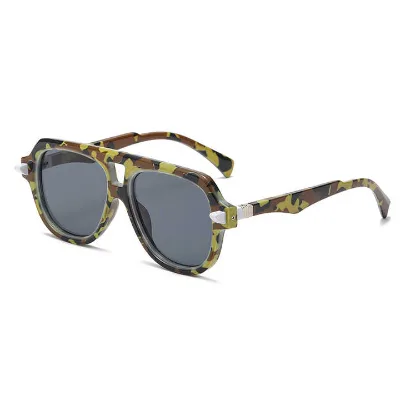
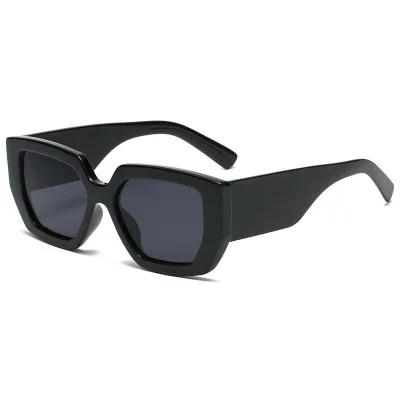
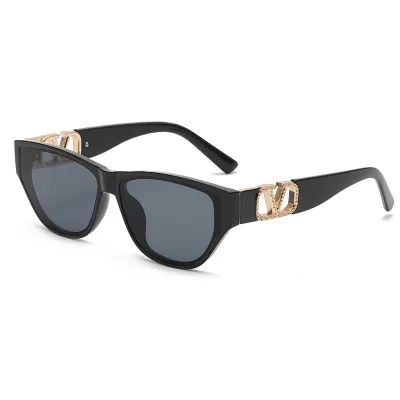
Source 30 verified options for UV400 Square Frame Sunglasses featuring TR90, PC, and alloy frames with UV400 protection. Buyers can compare customization, packing, and origin details across models like OFFR3183 and WSP23915 from Chinese manufacturers.
Key considerations
Products List


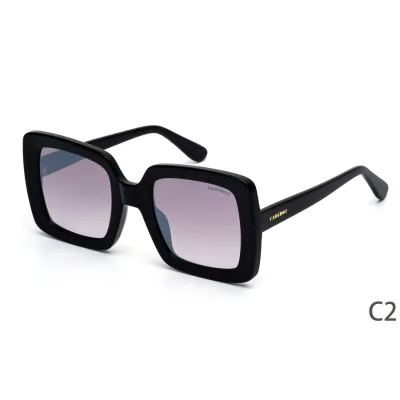


UV400 Round Frame Vintage Sunglasses with Different Colour Lens (M40510)
$1.00 - $3.00
MOQ: 1200 Pieces




Comprehensive Sourcing Guide
Strategic Sourcing Guide for UV400 Square Frame Sunglasses
The global market for eyewear continues to expand, with square frame sunglasses representing a dominant silhouette that bridges the gap between professional aesthetics and casual utility. For B2B procurement professionals, sourcing "UV400 Square Frame Sunglasses" requires a disciplined approach that distinguishes between marketing terminology and verifiable technical specifications. The core keyword implies a specific lens protection standard (blocking 100% of UVA and UVB rays up to 400nm) and a distinct frame geometry. However, the supply chain for these items is heterogeneous, ranging from mass-produced fashion accessories to specialized sports eyewear. This guide outlines the critical factors for evaluating suppliers, verifying product attributes, and mitigating supply chain risks without relying on unverified claims.
Technical Specifications and Material Composition
When evaluating square frame sunglasses, the first layer of due diligence involves the physical construction of the product. The frame material dictates durability, weight, and cost. In the current market, suppliers frequently utilize TR90, a thermoplastic known for its flexibility and impact resistance, which is particularly suitable for the square geometry that requires structural integrity at the corners. Other common materials include PC (Polycarbonate) and Alloy, with some listings specifying Copper or TRLenses Material:TAC for specific performance tiers. The choice of material directly influences the final price point and the suitability for different end-use cases.
The lens is the most critical component regarding the "UV400" claim. Buyers must verify the lens material, as Nylon and TAC (Triacetate Cellulose) are prevalent in the sector. Nylon offers superior optical clarity and is often paired with polarized attributes, while TAC is a cost-effective alternative that can also achieve UV400 protection. It is essential to note that the optical attribute "UV400" is distinct from "Polarized." While many square frames are marketed as "Polarized Sunglasses" for driving or cycling, the UV400 rating is a baseline requirement for eye safety. Procurement teams should confirm whether the product listing explicitly states "UV400" as a primary optical attribute or if it is implied by the lens material. Furthermore, the frame color options, such as S Black, Clear, White, Coffee, and Gray, must be aligned with the target demographic's fashion preferences. The "Unisex" designation often found in specifications indicates a neutral design language, but the square shape itself may skew towards specific face shapes, such as Square or Round faces, requiring careful selection for the intended market.
Compliance Verification and Certification Standards
Navigating the regulatory landscape for eyewear is a complex task that varies by destination market. While some suppliers list certifications such as CE, FDA, and SGS, these should be treated as observations rather than guaranteed compliance for every unit in a shipment. The presence of a CE mark suggests conformity with European health, safety, and environmental protection standards, but it does not automatically validate UV400 performance without specific test data. Similarly, the mention of ISO 12312 is a relevant standard for sunglasses, yet it appears in background knowledge rather than as a confirmed attribute for all listed models.
Buyers must adopt a verification-first mindset. When a supplier claims a product meets "TAC" standards or holds "CE" certification, the procurement team should request the specific test reports from an accredited third-party laboratory. The "TAC" standard mentioned in some contexts may refer to the lens material composition rather than a safety certification, creating potential ambiguity. For the "UV400" claim, the verification process should involve checking for a certificate of analysis that explicitly measures the transmission spectrum up to 400nm. Relying solely on the supplier's word or a generic logo on the product page is insufficient for B2B contracts. The "Standard" field in product specifications often lists "TAC" or "CE," but these entries must be cross-referenced with the actual regulatory requirements of the importing country. For instance, the United States requires specific labeling and testing under FDA guidelines, while the European Union mandates CE marking under the PPE Regulation.
Cost Drivers and Pricing Dynamics
The pricing structure for square frame sunglasses is influenced by a confluence of material costs, customization levels, and order volume. The observed price range in the market spans from $0.72 to $6.50 USD, a significant variance that reflects differences in quality and features. The lower end of this spectrum typically corresponds to products made with PC frames and basic TAC lenses, often sold in high volumes with minimal customization. Conversely, prices approaching the upper limit are associated with advanced materials like TR90, polarized lenses, and complex manufacturing processes such as the "Strong Hinge" or "Comfortable Nose Pad" features that enhance durability and wearability.
Minimum Order Quantity (MOQ) is another critical cost driver. The market data indicates an MOQ range of 2 to 1200 units. Suppliers with lower MOQs (e.g., 2-10 units) often cater to sample orders or small boutique retailers, but they may charge a premium per unit. High-volume buyers can negotiate closer to the lower price points, but they must be prepared to commit to larger quantities, potentially up to 1200 units, to unlock the most competitive pricing. Customization is a significant factor in cost escalation. The availability of "Customized Logo" and "Individual Design" services adds value but also increases the unit price and extends the lead time. Buyers must balance the desire for branding against the budget constraints, understanding that "ODM/OEM: Provide Design" services usually involve setup fees and higher per-unit costs compared to stock items.
Typical Applications and Market Segmentation
Square frame sunglasses serve a diverse range of applications, from daily fashion to specialized sports activities. The product attributes highlight several distinct use cases. "Fashion Sunglasses" and "Vintage Sunglasses" are designed for general consumer markets, emphasizing style and the "Simple and Fashion" aesthetic. These products are suitable for "Driving, Party, Outdoor Used" scenarios where UV protection is necessary but high-performance features are not required. The "Unisex" and "Suitable for Square Face" attributes suggest a broad appeal, making them ideal for mass-market retail.
In contrast, "Sports Sunglasses" and "Visor Sunglasses" target a more niche, performance-oriented segment. These products often feature "Polarized" lenses and are optimized for "Cycling/Driving/Daily Wear." The inclusion of features like "Individual Design" and "Durable" construction indicates a focus on longevity and specific functional needs. For example, a square frame with a "Strong Hinge" is essential for active users who require the glasses to withstand movement and impact. The "Usage" field explicitly mentions "Cycling/Driving," which aligns with the need for glare reduction and high contrast vision. Procurement teams should categorize their inventory strategy based on these applications, ensuring that the technical specifications match the intended use case. A square frame designed for "Party" use may not have the same hinge durability as one marketed for "Cycling," and mixing these categories without verification can lead to product failures and customer dissatisfaction.
Supplier Evaluation and Operational Logistics
Evaluating a supplier for square frame sunglasses requires a holistic view of their operational capabilities. The geographic origin of the products is a key indicator of supply chain dynamics. Most suppliers in this sector are located in China, with specific hubs like Hubei and Wenzhou emerging as production centers. Wenzhou, in particular, is known for its eyewear manufacturing ecosystem, often associated with a higher density of suppliers offering CE and FDA certifications. However, the location alone does not guarantee quality; it is merely a starting point for due diligence.
Lead times and packing methods are critical operational variables. The observed lead time range of 30 to 50 days for customized orders suggests that buyers must plan their inventory cycles well in advance. Rush orders may incur additional costs or be unavailable. The packing specifications vary significantly, ranging from "CTN" (Carton) to "Paper Box" and "1PC in OPP Bag, 12PCS Per Box, 300PCS Per Carton." These variations impact shipping costs and the final presentation of the product. For retail-ready goods, "Paper Box" packaging is often preferred, while bulk shipments to distributors may utilize "CTN" packing. Buyers should verify that the packing method aligns with their logistics requirements and retail presentation standards. Additionally, the "Customization" attribute implies that the supplier must have the capacity for branding, which requires a robust quality control process to ensure the logo placement is consistent and the design integrity is maintained.
Quality Control and Long-Term Procurement Strategy
Implementing a rigorous quality control (QC) protocol is essential for maintaining brand reputation. The "Durable" and "Comfortable Nose Pad" attributes are subjective claims that must be validated through physical inspection. Buyers should establish clear acceptance criteria for hinge strength, lens clarity, and frame symmetry. The "Strong Hinge" feature, for instance, should be tested for repeated opening and closing cycles to ensure it does not loosen over time. Similarly, the "Comfortable Nose Pad" requires ergonomic testing to prevent slippage or discomfort during extended wear.
Long-term procurement success depends on building a relationship with suppliers who can consistently deliver on specifications. The "ODM/OEM: Provide Design" capability indicates a supplier's willingness to collaborate on product development, which is valuable for creating a unique market offering. However, this collaboration requires clear communication of technical requirements and regular quality audits. Buyers should consider a phased approach, starting with small sample orders to verify the "UV400" claim and material quality before committing to large volumes. The "Low-confidence background" regarding certifications like ISO 12312 underscores the need for independent verification. Relying on supplier-provided data without third-party validation poses a risk of non-compliance and potential legal liabilities. By focusing on verifiable attributes and maintaining a strict QC process, buyers can ensure a steady supply of high-quality square frame sunglasses that meet both regulatory standards and consumer expectations.
FAQs
Can I get a customized logo on these sunglasses?
Yes, customized logo options are available for most models. Buyers should verify specific design requirements and potential setup fees before placing an order to ensure the branding meets their brand guidelines.
What frame materials are used for these square frames?
Common frame materials include TR90, PC, Alloy, and Copper. The choice of material affects durability and weight, with TR90 offering high flexibility and PC providing a cost-effective alternative for mass production.
Which lens optical attributes are available for UV protection?
Products feature UV400 protection and some include polarized lenses. Buyers must confirm if the specific model requires polarized lenses for driving or if standard UV400 is sufficient for general fashion use.
How does the minimum order quantity vary for these items?
The minimum order quantity ranges from 2 to 1200 units depending on the supplier and customization level. Lower MOQs suit sample orders while higher volumes unlock better pricing tiers for bulk procurement.
What is the typical lead time for customized orders?
Lead times for customized orders typically range from 30 to 50 days. Buyers need to plan inventory cycles well in advance to accommodate production schedules and avoid delays in receiving branded goods.
Which certifications are listed for these eyewear products?
Some listings mention CE, FDA, and SGS certifications as observations. Procurement teams should request specific test reports to verify compliance rather than relying solely on the presence of these marks on the product page.
What packing methods are used for shipping these sunglasses?
Packing options include CTN, Paper Box, or OPP bags with bulk cartons. The chosen method impacts shipping costs and retail presentation, so buyers should align the packing specification with their logistics and sales channel needs.