Source Water Resistant WPC Fence for Gardens, Patios, and Pools
Compare 30 Water Resistant WPC Fence options from verified Chinese suppliers. Evaluate features like rot proofing, UV stability, and customizable sizes for outdoor applications. Check certifications, panel density, and working environment ratings to select the best composite wood fencing for your specific project needs today.
Updated
Key considerations
Products List


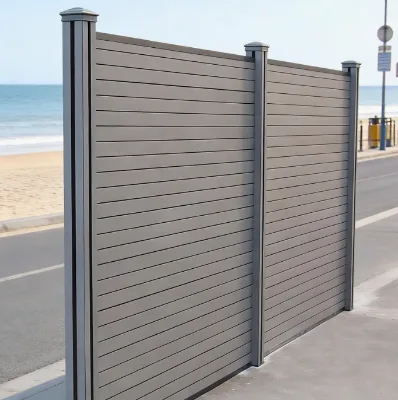
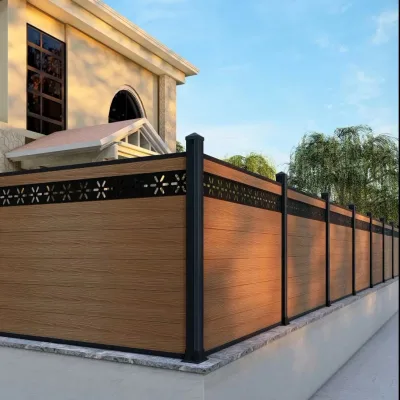
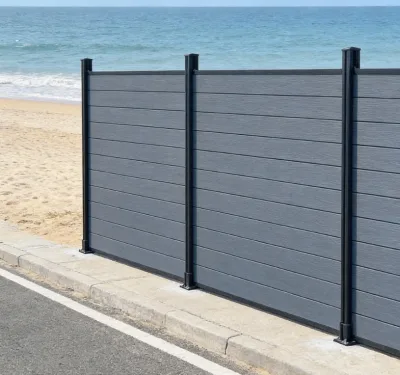
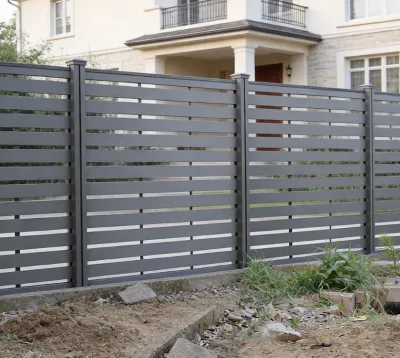
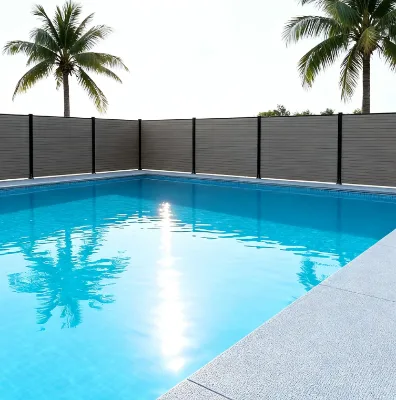
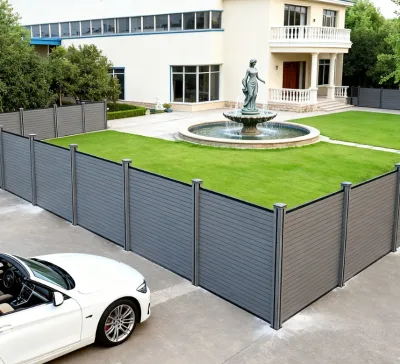
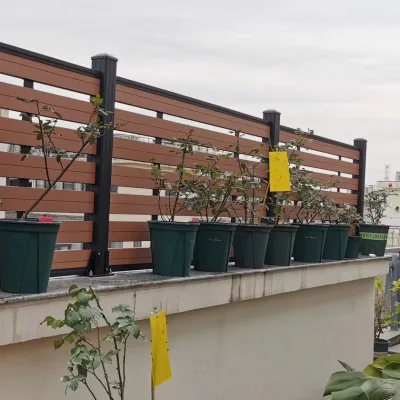
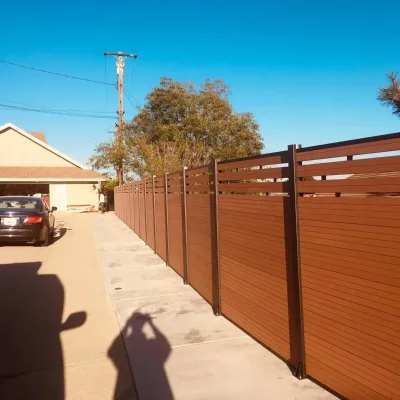
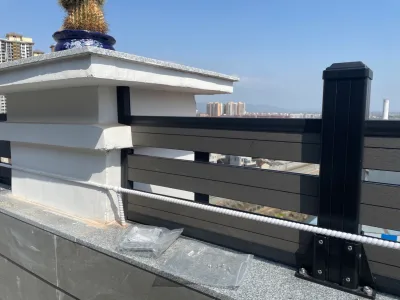
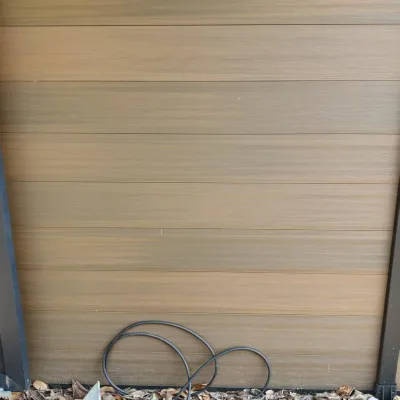
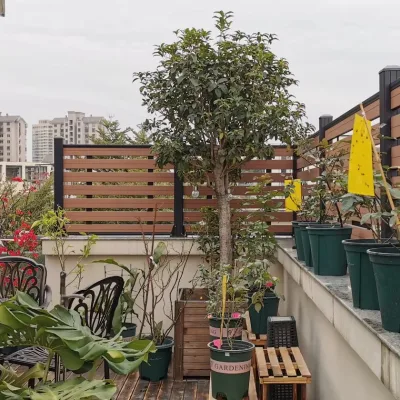
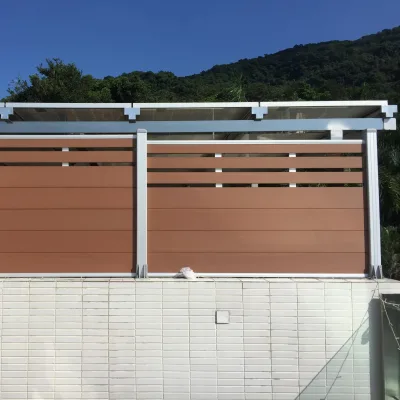


Easy Install Weather Resistant Coextrusion WPC Wood Composite Fence Panels
$86.00 - $90.00
MOQ: 200 Sets

Comprehensive Sourcing Guide
Water Resistant WPC Fence Sourcing Guide
Procuring water-resistant Wood Plastic Composite (WPC) fencing requires a disciplined approach to material verification and supplier qualification. Buyers must prioritize products that explicitly state low water absorption rates, as this metric directly correlates with long-term dimensional stability and resistance to swelling in outdoor environments. The observed market data indicates a strong presence of manufacturers from China, particularly in regions like Anhui, who offer customized solutions ranging from standard panels to tailored dimensions. Understanding the specific composition of the composite, including the ratio of wood fiber to high-density polyethylene (PE), is essential for ensuring the fence meets the rigorous demands of exterior installation.
Beyond material composition, the sourcing strategy must account for the diverse customization options available in the current market. Suppliers frequently offer variations in color, such as brown, grey, or coffee, and provide optional post configurations like composite wood or iron bases to suit different aesthetic and structural needs. Buyers should evaluate the surface treatment processes, including sanding, embossing, or brushing, as these finishes not only enhance visual appeal but also contribute to the overall durability and slip resistance of the fencing panels. Aligning these aesthetic choices with functional requirements ensures the final installation meets both design intent and performance expectations.
Product Scope and Observed Listing Signals
The current product landscape for WPC fencing is characterized by a wide range of model numbers and structural configurations, indicating a mature supply chain capable of meeting varied project specifications. Listings frequently highlight features such as being easily assembled, eco-friendly, and rot-proof, which are critical selling points for commercial and residential landscaping projects. The observed price range of $2.05 to $90 USD suggests significant variation based on panel thickness, density, and included components like posts and connectors. Buyers should interpret this range as a signal to carefully compare unit specifications rather than relying solely on price, as lower costs may correlate with reduced panel density or thinner profiles that compromise structural integrity.
Observed minimum order quantities (MOQs) typically start at 100 sets, which often include one post and one set of panels, reflecting the modular nature of WPC fencing systems. This MOQ structure is designed to facilitate efficient logistics and installation, allowing buyers to procure complete sections rather than individual components. Additionally, the availability of sample units with a ready time of just two working days provides a valuable opportunity for quality verification before committing to larger orders. Buyers should leverage this sample availability to physically inspect the material’s texture, color consistency, and assembly mechanism, ensuring that the product aligns with the project’s specific aesthetic and functional requirements.
Technical Specifications to Verify
Verifying the technical specifications of WPC fencing is paramount to ensuring long-term performance in outdoor environments. Key metrics to confirm include the panel density, which should ideally fall within the range of 1.2 to 1.35 kg/cm³, as this density influences the fence’s resistance to impact and deformation. Water absorption rates must be strictly controlled, with acceptable levels typically stated as less than 2%, to prevent moisture-related degradation such as warping or mold growth. Buyers should also verify the working temperature range, ensuring the material remains stable in environments ranging from -40 to 60 degrees Celsius, which is critical for installations in regions with extreme seasonal variations.
The structural design and assembly features are equally important considerations for procurement teams. Look for specifications that highlight windproof and waterproof capabilities, along with UV stability to prevent fading and brittleness over time. The panel thickness, often observed at 20 mm, contributes to the overall rigidity and sound insulation properties of the fence. Additionally, confirm the availability of customized sizes, such as 1800x1800 mm or other dimensions, to ensure a precise fit for the project site. Understanding the optional post types, such as composite wood or iron bases, allows buyers to select the most appropriate support structure for their specific soil conditions and aesthetic preferences.
Compliance and Safety Documentation
Compliance with international standards and safety certifications is a non-negotiable aspect of sourcing WPC fencing for commercial or regulated residential projects. Buyers must request and verify certification documents, such as CE and ISO marks, which indicate that the manufacturer adheres to recognized quality management and product safety standards. These certifications provide assurance that the materials used in the composite, including the PE plastic and wood fibers, meet specific environmental and health criteria. Additionally, verifying the fire rating of the material, which is often classified as Class B, is essential for ensuring compliance with local building codes and fire safety regulations, particularly in densely populated areas or near structures.
Beyond certifications, buyers should inquire about the specific standards against which the product has been tested, such as ASTM D570 for water absorption, although specific test results should be confirmed with the supplier. Documentation should also include details on the surface treatment processes, such as sanding or embossing, which can affect the material’s slip resistance and durability. Requesting a comprehensive product data sheet that outlines the chemical composition and environmental impact of the WPC material helps buyers assess the sustainability credentials of the product. This documentation is crucial for projects that prioritize eco-friendly materials and renewable sources, ensuring that the fencing aligns with broader corporate sustainability goals.
Cost Drivers and Commercial Terms
Understanding the cost drivers behind WPC fencing pricing is essential for accurate budgeting and negotiation. The primary factors influencing cost include the raw material composition, specifically the ratio of wood fiber to plastic, as well as the panel density and thickness. Higher density panels and thicker profiles generally command higher prices due to increased material usage and manufacturing complexity. Additionally, customization options, such as specific colors, sizes, or surface treatments, can add to the overall cost. Buyers should also consider the packaging requirements, as fumigated pallets or wooden cartons are often necessary for international shipping and may incur additional fees.
Commercial terms, including lead times and payment conditions, play a significant role in the total cost of ownership. Observed lead times of approximately 20 days for production indicate a need for careful project planning to avoid delays. Buyers should negotiate clear terms regarding sample availability, which is often available within two working days, and clarify any costs associated with samples or customization. It is also important to verify the MOQ requirements, which typically start at 100 sets, and understand how volume discounts might apply to larger orders. Clear communication regarding these commercial terms helps prevent unexpected costs and ensures a smooth procurement process from order placement to delivery.
Supplier Qualification and Quality Control
Supplier qualification is a critical step in mitigating risks associated with WPC fencing procurement. Buyers should conduct thorough due diligence on potential suppliers, verifying their manufacturing capabilities, quality control processes, and track record in the industry. Requesting references from previous clients and reviewing case studies can provide insights into the supplier’s reliability and product performance. Additionally, verifying the supplier’s location, such as Anhui, China, and their ability to provide comprehensive support, including product marketing copy, installation videos, and instruction books, ensures that buyers have the necessary resources for successful project implementation.
Quality control measures should be explicitly defined in the procurement agreement to ensure consistent product quality. Buyers should request detailed quality inspection reports and verify that the supplier conducts regular checks on key metrics such as panel density, water absorption, and color consistency. Implementing a pre-shipment inspection process can help identify any defects or deviations from specifications before the goods are dispatched. Furthermore, establishing clear communication channels with the supplier for addressing any issues that arise during installation or after delivery is essential for maintaining long-term supplier relationships and ensuring customer satisfaction.
Long-Term Procurement Checks
Long-term procurement success depends on establishing robust mechanisms for ongoing supplier performance evaluation and product quality monitoring. Buyers should implement a periodic review process to assess the supplier’s adherence to agreed-upon specifications, delivery timelines, and customer service standards. This review should include feedback from installation teams and end-users to identify any practical issues or performance gaps that may not have been apparent during the initial sourcing phase. Regular audits of the supplier’s quality control processes can also help ensure that product consistency is maintained over time, particularly as production volumes increase or material sources change.
Additionally, buyers should stay informed about advancements in WPC technology and market trends to ensure that their procurement strategy remains competitive and aligned with industry best practices. This includes monitoring developments in eco-friendly materials, new surface treatments, and improved assembly mechanisms that may offer enhanced performance or cost savings. By maintaining a proactive approach to supplier management and product evaluation, buyers can mitigate risks, optimize costs, and ensure that their WPC fencing installations continue to meet the highest standards of quality and durability for years to come.
FAQs
What certifications do water resistant wpc fences have?
These fences typically hold CE and ISO certifications to ensure compliance with international quality and safety standards. This documentation verifies that the manufacturing processes meet rigorous regulatory requirements for durability and environmental safety in outdoor applications.
Can water resistant wpc fences be customized?
Yes, customization is available for various product attributes including colors, sizes, and panel designs. Buyers can select from options like grey, brown, or coffee, and request specific dimensions to fit unique project requirements while maintaining structural integrity.
How long is the lead time for orders?
The standard lead time for production is approximately 20 days after order confirmation. This timeline allows for efficient manufacturing and quality control processes, ensuring that products are ready for shipment within a predictable window for project planning.
What is the minimum order quantity for these fences?
The minimum order quantity is generally set at 100 sets, which typically includes one post and one set of panels. This threshold ensures efficient production runs while allowing buyers to acquire sufficient materials for standard residential or commercial fencing projects.
Where are these wpc fences manufactured?
These products originate from China, specifically from the Anhui region. This location serves as a major hub for manufacturing composite materials, leveraging local supply chains to produce high-quality wood plastic composite fencing solutions for global distribution.
What features make these fences suitable for outdoor use?
They are designed to be waterproof, rot-proof, and UV stable, ensuring longevity in harsh weather conditions. Additional features include windproof construction and easy assembly, making them a durable and practical choice for garden, pool, or perimeter fencing applications.