Source Wireless MP3 Player with Back Clip for Reading, Music, and Radio
Find 30 Wireless MP3 Player with Back Clip options featuring Bluetooth 5.0, FM radio, and e-book reading capabilities. Compare models like MB57 and MB61 with varying memory sizes and screen displays to suit your sourcing needs; compare the available evidence and request quotations based on your requirements.
Updated
Key considerations
Products List
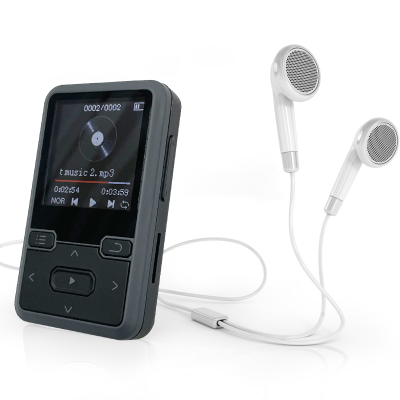
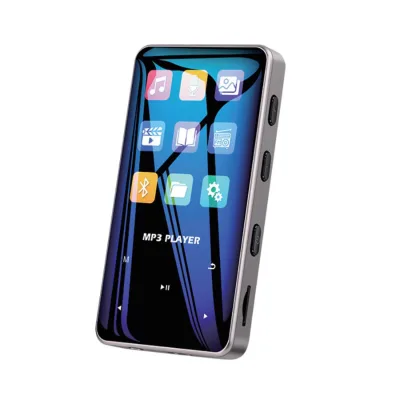
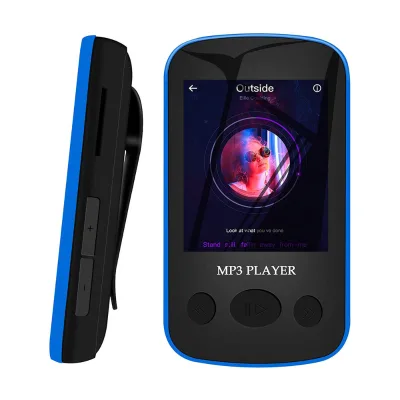
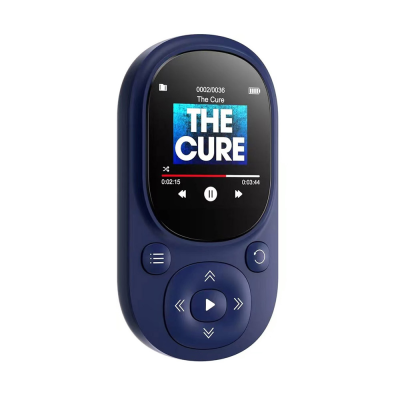
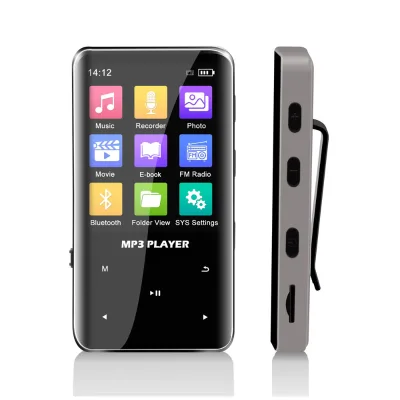
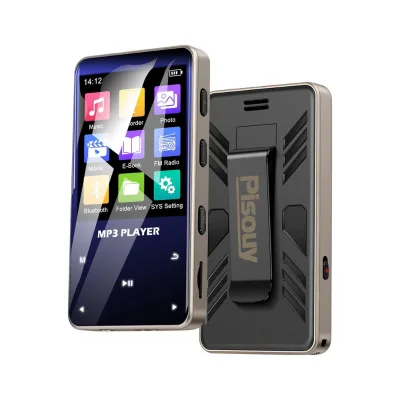
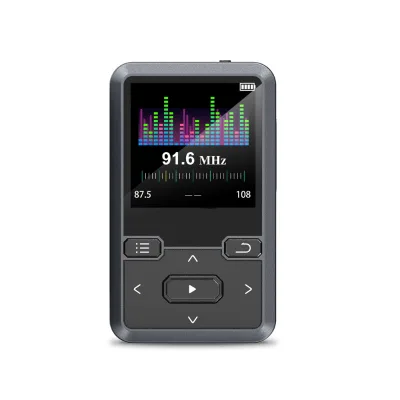
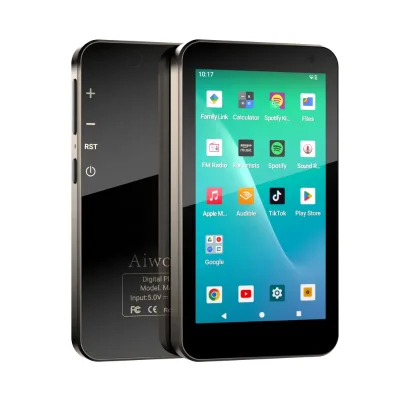
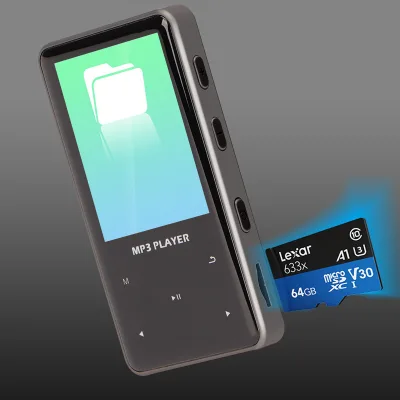


Bluetooth Music Player Hi-Fi Sports Clip Touch Screen Buttons 8GB MP3 Player
$13.35 - $13.65
MOQ: 100 Pieces


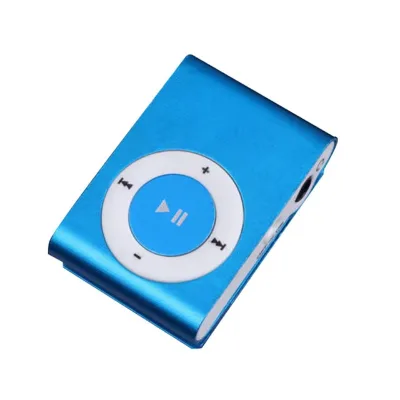
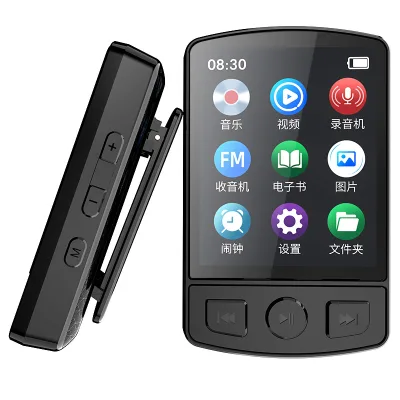
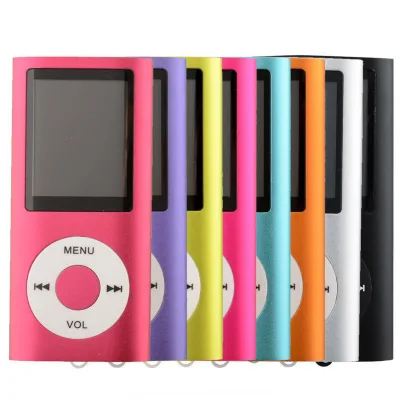
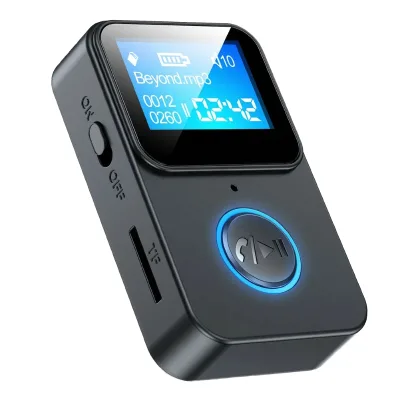


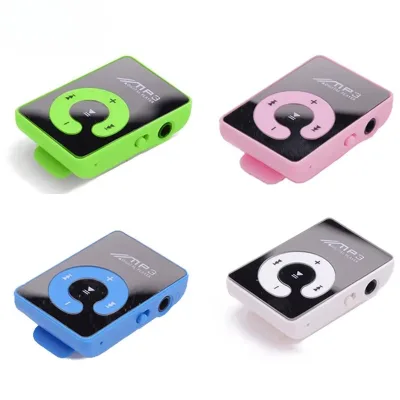
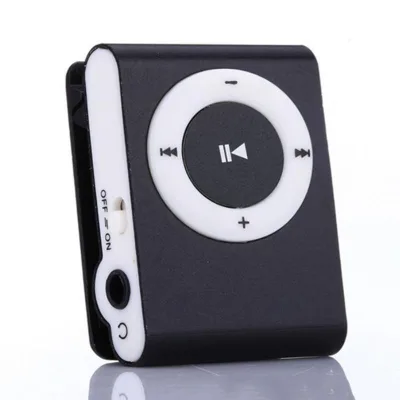
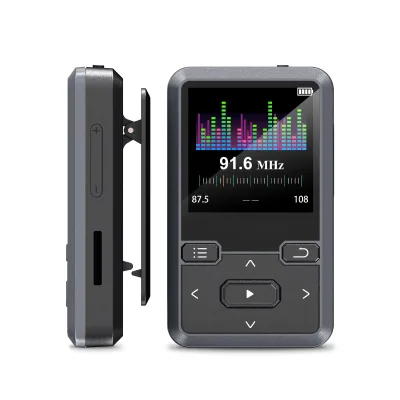
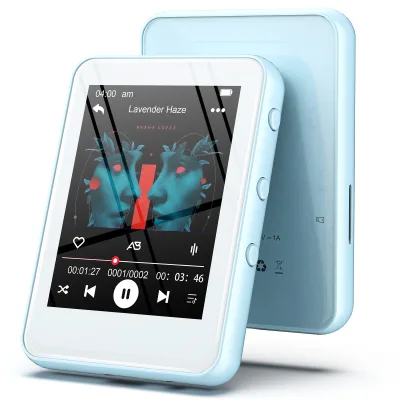
Comprehensive Sourcing Guide
Wireless MP3 Player with Back Clip Sourcing Guide
Sourcing wireless MP3 players with back clips requires careful attention to the specific form factor and connectivity standards that define this niche category. These devices are primarily designed for active users who need secure, hands-free operation during physical activities such as running, cycling, or gym workouts. The back clip mechanism is a critical structural element, ensuring the device remains firmly attached to clothing without slipping, which distinguishes it from standard portable media players. Buyers must evaluate the durability of the clip material and its integration with the main body to prevent breakage during daily use.
The wireless functionality, typically Bluetooth 5.0, adds a layer of complexity to the procurement process, as it introduces potential points of failure related to signal stability and battery management. Procurement teams should verify that the Bluetooth implementation supports seamless pairing with various smartphones and audio accessories without significant latency. Additionally, the inclusion of features like FM radio and e-book reading expands the utility of the device beyond simple music playback, making it a versatile tool for commuters and fitness enthusiasts who value multifunctionality in a compact package.
Product Scope and Observed Listing Signals
The current market landscape for these devices shows a diverse range of models, with observed price points ranging from $0.1 to $63 USD, reflecting variations in build quality, memory capacity, and feature sets. The minimum order quantities (MOQ) typically span from 1 to 100 units, offering flexibility for both small-scale retailers and larger distributors. Key product attributes observed include brands like Aomago, with specific models such as the MB57, MB06, MB07, and MB61, each offering distinct screen sizes and memory configurations. Buyers should note that while some listings highlight 32 GB built-in memory, others offer expandable options or different internal storage capacities, which directly impacts the device's ability to store large libraries of music and e-books.
Visual and physical specifications vary significantly across listings, with screen sizes ranging from under 2 inches to 2.4-inch TFT color displays. For instance, the MB06 features a 2.4-inch display with 240x320 resolution, while the MB57 has a smaller 1.44-inch screen. Weight also differs, with some models weighing as little as 28g or 36g, while others, like the MB06, weigh around 90g due to larger batteries or screens. These physical differences influence user comfort and portability, so buyers must align product selection with their target demographic's preferences for size and weight.
Technical Specifications to Verify
When evaluating technical specifications, buyers must prioritize the audio format support and video capabilities to ensure compatibility with their customers' media libraries. The devices generally support a wide range of audio formats, including MP3, WMA, WAV, OGG, FLAC, and APE, which is crucial for audiophiles who prefer lossless compression. Video support varies, with some models handling WMV and AVI, while others support more extensive formats like MKV, RMVB, MP4, MPG, and MOV. Verifying these formats is essential to prevent customer dissatisfaction due to playback issues, especially for users who store diverse media types on the device.
Battery life and recording capabilities are another critical area for verification. Observed battery life is often listed as less than 10 hours, which may be insufficient for long-haul travelers or extended workout sessions. Buyers should request detailed battery performance data under typical usage conditions to set accurate expectations. Additionally, recording formats such as WAV and MP3, along with bit rates ranging from 512kbps to 1536kbps, indicate high-quality audio capture potential. Ensuring that the device meets these recording standards is vital for users who intend to use the MP3 player for voice memos or high-fidelity audio recording.
Compliance and Safety Documentation
Compliance with international safety and environmental standards is non-negotiable for importing consumer electronics into regulated markets. Buyers must ensure that suppliers provide valid certification documents, such as CE marking, which indicates conformity with health, safety, and environmental protection standards for products sold within the European Economic Area. While some background information suggests reach compliance, buyers should independently verify the current status of these certifications with the supplier, as regulatory requirements can change frequently. Without proper documentation, shipments may be held at customs, leading to delays and additional costs.
Electromagnetic compatibility (EMC) and radio equipment directives are also critical for wireless devices. Since these MP3 players utilize Bluetooth 5.0 technology, they must comply with specific radio spectrum regulations to avoid interference with other electronic devices. Buyers should request test reports from accredited laboratories to confirm that the devices meet these EMC standards. Additionally, checking for RoHS compliance ensures that the plastic materials and electronic components used in the device do not contain hazardous substances, which is increasingly important for environmentally conscious consumers and strict regulatory environments.
Cost Drivers and Commercial Terms
Several factors influence the final cost of wireless MP3 players with back clips, including memory capacity, screen quality, and packaging complexity. Models with larger built-in memory, such as 32 GB or 64 GB options, typically command higher prices due to the cost of flash storage components. Similarly, devices with higher-resolution color displays, like the 2.4-inch TFT screens, are more expensive than those with monochrome or smaller displays. Buyers should analyze the cost-per-unit against the feature set to determine the best value proposition for their target market, avoiding over-specification that does not align with customer needs.
Packaging and shipping dimensions also play a significant role in logistics costs. The single package size for these devices is often around 15x15x5 cm or 15x15x10 cm, with gross weights ranging from 0.12 kg to 0.35 kg. These dimensions affect how many units can be shipped in a standard container, impacting freight costs per unit. Buyers should negotiate clear commercial terms regarding packaging customization, such as OEM branding, and ensure that the supplier provides accurate weight and dimension data for accurate freight calculation. Understanding these cost drivers helps in budgeting and pricing strategies for retail distribution.
Supplier Qualification and Quality Control
Selecting a reliable supplier involves verifying their manufacturing capabilities and quality control processes. Buyers should confirm whether the supplier offers OEM and ODM services, as this indicates flexibility in customizing products for specific brand requirements. It is also important to check if the supplier uses private molds or standard molds, as this affects lead times and customization costs. Suppliers with private molds may offer more unique designs but could have higher initial setup costs and longer lead times for new orders.
Quality control measures should be rigorously assessed to ensure product consistency. Buyers should request samples to test key functionalities, such as Bluetooth connectivity stability, screen responsiveness, and battery performance. Additionally, verifying the supplier's production capacity and lead times is crucial for maintaining inventory levels. Establishing a clear communication channel for addressing defects or discrepancies is essential. Buyers should also inquire about the supplier's warranty policies and after-sales support to mitigate risks associated with potential product failures in the field.
Long-Term Procurement Checks
Long-term success in sourcing these devices depends on continuous monitoring of market trends and technological advancements. Buyers should stay informed about emerging audio technologies and consumer preferences, such as increased demand for longer battery life or enhanced water resistance. Regularly reviewing supplier performance metrics, including on-time delivery rates and defect rates, helps in maintaining a high-quality supply chain. Building strong relationships with suppliers can also facilitate better pricing and priority support during peak demand periods.
Furthermore, buyers should periodically reassess the product portfolio to ensure it remains competitive. This may involve introducing new models with updated features or phasing out older versions that no longer meet market expectations. Keeping an eye on regulatory changes in key markets is also vital to avoid compliance issues. By maintaining a proactive approach to procurement and product management, buyers can ensure sustained growth and customer satisfaction in the wireless MP3 player market.
FAQs
What are the key specifications of the Aomago MB57 wireless MP3 player?
The Aomago MB57 features a 1.44-inch 128x128 pixel screen and supports Bluetooth 5.0 connectivity. It includes a back clip for portability and offers 32 GB of built-in memory. The device measures 61mm by 36mm by 12mm and weighs 28 grams. It supports audio formats like MP3, WMA, and FLAC, making it suitable for music and e-book reading applications.
Which audio and video formats does the Aomago MB06 support?
The Aomago MB06 supports a wide range of audio formats including MP3, WMA, WAV, OGG, FLAC, and APE. For video playback, it handles AVI files. The device is equipped with a 2.4-inch TFT color display with 240x320 resolution. It is designed for portable use, offering music listening, radio, and recording functions in a compact plastic casing.
Can the Aomago MB61 record audio in high-quality formats?
Yes, the Aomago MB61 supports recording in WAV and MP3 formats with a bit rate ranging from 512kbps to 1536KBPS. It features a 1.7-inch TFT color display and offers built-in memory options of 16 GB, 32 GB, or 64 GB. The device weighs 36 grams and is available in black, making it ideal for voice recording and music playback.
What customization options are available for these wireless MP3 players?
These wireless MP3 players support both OEM and ODM customization services. Buyers can request specific branding or design modifications to suit their market needs. The products are manufactured in Guangdong, China, and allow for tailored solutions without requiring a private mold. This flexibility helps businesses create unique products that align with their specific brand identity and customer preferences.
What is the typical battery life for these portable MP3 players?
The battery life for these portable MP3 players is generally less than 10 hours of continuous use. This duration depends on factors such as volume level, screen brightness, and the specific model being used. Despite the limited battery duration, the devices are designed for efficient power management, ensuring reliable performance for daily activities like music listening, e-book reading, and FM radio reception.
How does the FM radio function work on these devices?
The FM radio function on these devices operates within the frequency range of 76-108 MHz or 87.5-108 MHz, depending on the model. This allows users to tune into local radio stations for entertainment or news. The feature is integrated into the portable design, enabling easy access without requiring an internet connection. It complements the music and recording capabilities of the device.