Source Wrought Iron Fence Spear Point for Residential, School, Villa
Compare 30 listings for Wrought Iron Fence Spear Point options suitable for residential, school, and villa applications. Buyers can evaluate customization, materials, and assembly features to find the right fencing solution; compare the available evidence and request quotations based on your requirements.
Updated
Key considerations
Products List

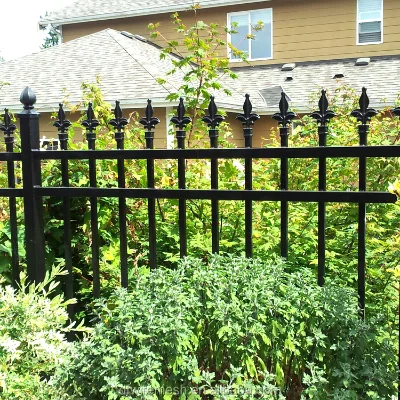
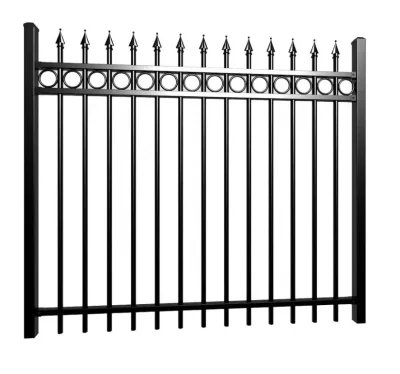
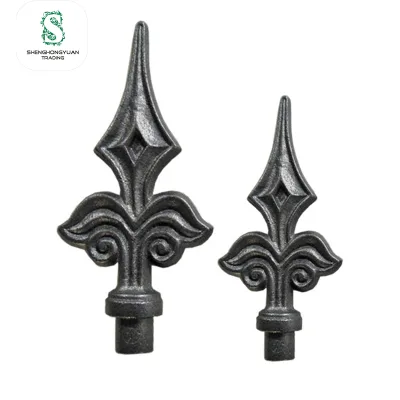
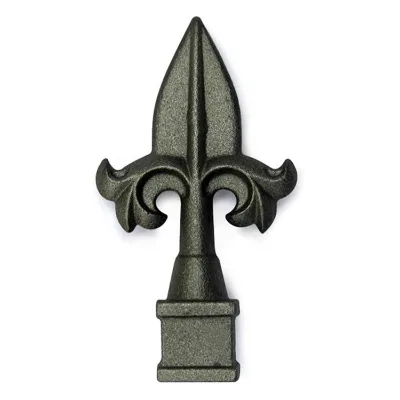
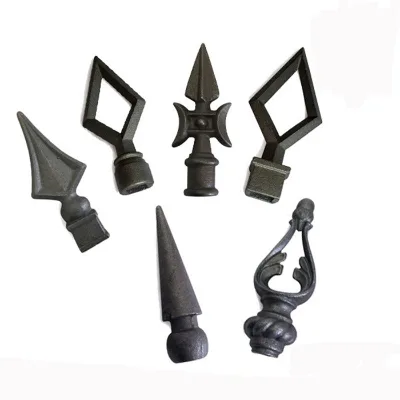
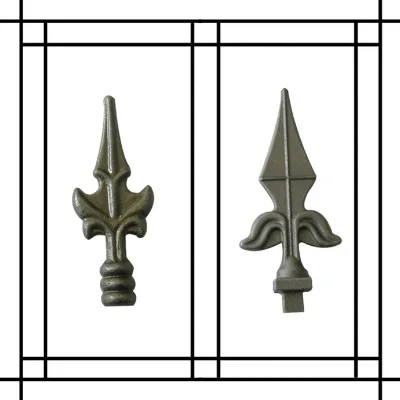
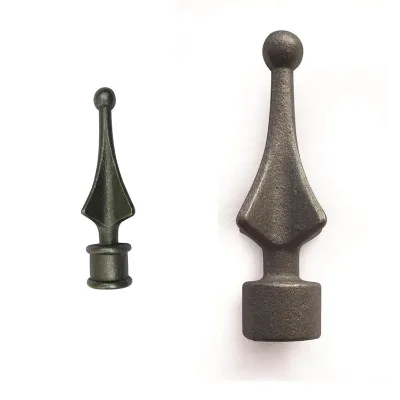
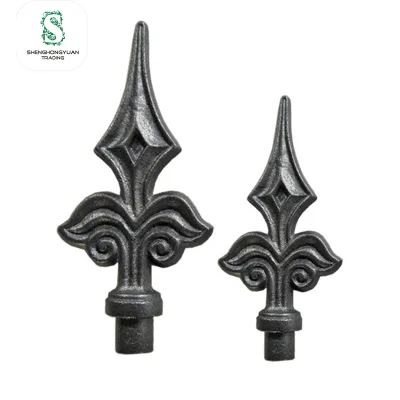

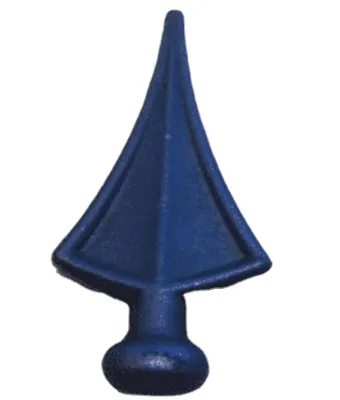
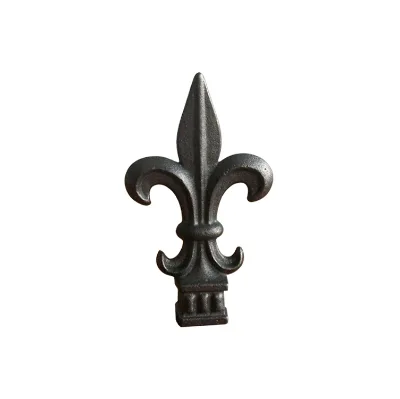
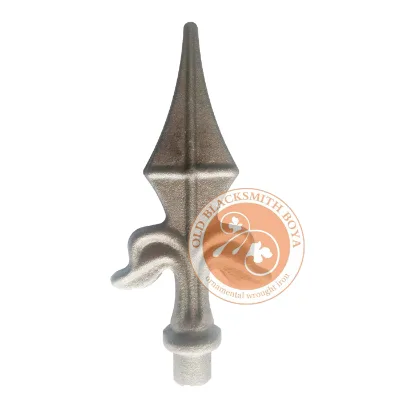
Chinese Garden Fence Gate Fence Spear Point Wrought Iron Fence Spearhead
$18.00 - $80.00
MOQ: 100 Square Meters


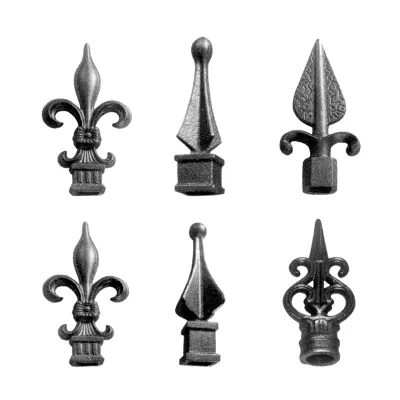
Wholesale Wrought Iron Fence Gates Fence Decorative Accessories Spear Point Spearhead
$18.00 - $80.00
MOQ: 100 Square Meters


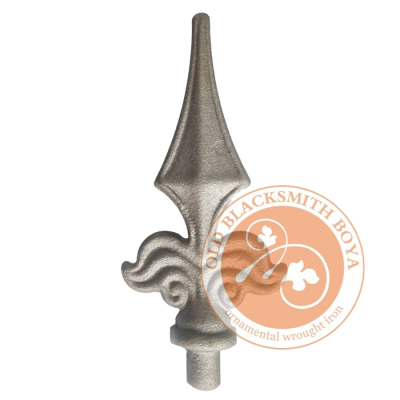
Supply Gate Fence Wrought Iron Accessories Wrought Iron Fence Spearhead
$18.00 - $80.00
MOQ: 100 Square Meters
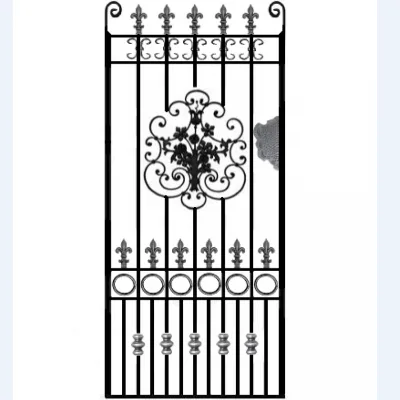
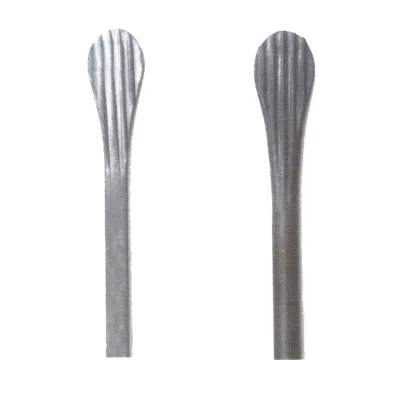

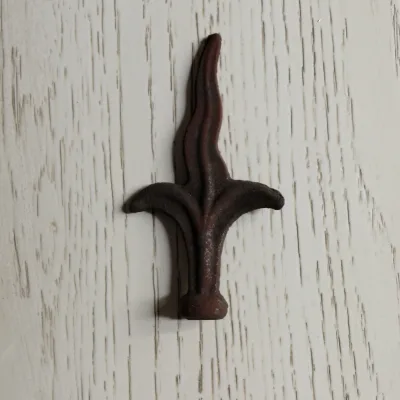
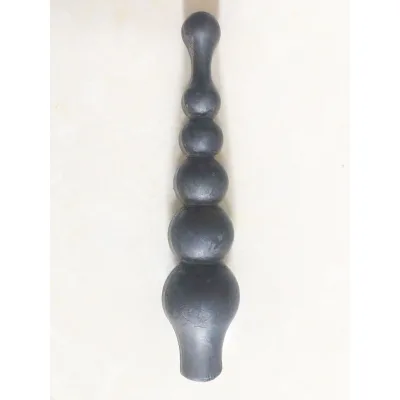


Comprehensive Sourcing Guide
Wrought Iron Fence Spear Point Sourcing Guide
Procuring wrought iron fencing with spear point designs requires a disciplined approach to material verification and aesthetic alignment. Buyers must distinguish between genuine wrought iron and modern steel alternatives that mimic the traditional look. The supplied data indicates that while the product name often references "Wrought Iron," the actual material composition frequently lists solid and moulded aluminium or steel frames. This discrepancy is critical for budgeting and structural planning, as aluminium offers superior corrosion resistance with lower maintenance, whereas steel requires rigorous galvanization or powder coating to prevent rust in outdoor environments.
Sourcing decisions should also account for the specific application context, whether for residential villas, schools, or commercial properties. The observed listings highlight applications ranging from garden decoration to highway security fencing, suggesting a wide variance in structural integrity requirements. Buyers need to evaluate whether the spear point design serves a purely decorative purpose or provides a genuine anti-climb security function. Understanding the intended use case will dictate the necessary thickness of the metal, the quality of the welding procedures, and the durability of the surface finish against environmental stressors.
Product Scope and Observed Listing Signals
The market for spear point fencing displays a broad spectrum of product attributes, with observed prices ranging from $0.15 to over $2,000 USD. This wide variance reflects differences in material quality, manufacturing complexity, and order volume. Minimum order quantities (MOQ) typically start at one unit but can extend to 1,000 units, indicating flexibility for both small renovation projects and large-scale infrastructure developments. Buyers should note that lower price points often correlate with standard steel constructions, while higher tiers may involve custom aluminium moulding or specialized heat-treated wood components integrated into the fence structure.
Listing signals reveal diverse customization options, including color, style, and dimensional specifications. Common styles observed include modern, traditional, European, luxury, and industrial designs, allowing for precise architectural integration. The spear point configuration is often paired with panel shapes and specific height requirements, such as six-foot installations. Additionally, suppliers frequently offer free samples and 3D modeling services, which are invaluable for verifying the visual impact and structural fit before committing to bulk production. These services help mitigate the risk of aesthetic mismatches in high-visibility residential or commercial projects.
Technical Specifications to Verify
Technical verification must begin with the frame material and finishing processes. While some listings specify solid and moulded aluminium, others indicate steel or mixed metal frames. It is essential to confirm the frame finishing method, which commonly includes galvanized, PVC coated, or powder coated treatments. These finishes are critical for longevity, particularly in coastal or high-humidity regions. Buyers should request detailed specifications on the coating thickness and adhesion standards to ensure the fence withstands weathering without peeling or corroding, which can compromise the structural integrity of the spear points over time.
Welding technology and assembly features are equally important technical considerations. The supplied context highlights welding procedures and hand-forging techniques, which influence the strength and aesthetic quality of the joints. Additionally, features such as "easily assembled" designs and pre-drilled holes can significantly reduce on-site installation labor costs. Buyers should verify the single package dimensions and gross weight to plan logistics and handling equipment requirements. Confirming whether the product includes tempered glass or other composite elements is also necessary, as these add weight and fragility considerations to the overall system design.
Compliance and Safety Documentation
Compliance verification is paramount for public and commercial installations. Buyers should insist on documentation confirming adherence to recognized standards such as ISO, CE, and CCC certifications. These marks indicate that the manufacturing processes and product safety meet international regulatory requirements. For projects requiring environmental sustainability, certifications like FSC for any wooden components and SGS testing for material safety should be requested. Ensuring that the supplier can provide valid, up-to-date certificates prevents legal liabilities and ensures the fencing meets local building codes and safety regulations.
Safety features specific to spear point designs must also be evaluated. While the spear points provide a deterrent, their sharpness and structural attachment must meet safety standards to prevent accidental injury during maintenance or accidental contact. Buyers should verify if the tips are capped or designed to minimize hazard while maintaining security. Additionally, checking for eco-friendly claims and rodent-proof or rot-proof attributes is relevant if the fence integrates with landscaping or wooden elements. Documentation proving these attributes through independent testing adds credibility and ensures the product performs as advertised in real-world conditions.
Cost Drivers and Commercial Terms
Cost structures are heavily influenced by material choice, customization levels, and order volume. Aluminium frames generally command higher prices than standard steel due to material costs and manufacturing complexity, but they offer long-term savings through reduced maintenance. Customization options, such as specific colors, logo integration, or unique spear point geometries, often incur additional tooling or setup fees. Buyers should negotiate clearly on whether these costs are included in the unit price or billed separately to avoid unexpected expenses during the procurement process.
Commercial terms regarding shipping, packaging, and after-sales support significantly impact the total cost of ownership. The observed packing methods, including pallets, iron frames, and flywood boxes, suggest robust protection but may increase freight costs due to volume. Buyers should clarify who bears the risk and cost of damage during transit. Furthermore, after-sales services such as online technical support, installation videos, and instruction books are valuable additions that can reduce installation errors. Understanding the warranty terms and the availability of replacement parts for damaged spear points is crucial for long-term cost management.
Supplier Qualification and Quality Control
Supplier qualification requires a thorough assessment of their manufacturing capabilities and quality control systems. Buyers should verify the supplier’s location, with many operations based in Weifang City, Shandong Province, or Hebei, China, which are known industrial hubs for metal fabrication. Assessing their project solution capability, including graphic design and 3D modeling services, indicates their ability to handle complex custom orders. It is also important to check their production history and client references to gauge reliability and consistency in delivering high-quality wrought iron or steel fencing products.
Quality control processes should be explicitly defined in the purchase agreement. Buyers must request pre-shipment inspection reports that detail dimensional accuracy, weld integrity, and coating uniformity. Establishing a clear protocol for handling defects, such as chipped paint or bent spear points, is essential. Suppliers offering 3D sample models allow for virtual quality checks before mass production, reducing the risk of large-scale rejections. Ensuring that the supplier has established long-term durability capabilities and provides comprehensive installation guidance helps maintain the fence’s structural integrity and aesthetic appeal over its lifespan.
Long-Term Procurement Checks
Long-term procurement success depends on establishing a reliable supply chain for maintenance and expansion. Buyers should verify the availability of spare parts, such as replacement spear tips or panel sections, to facilitate easy repairs without replacing entire fence runs. Consistency in color and finish across multiple orders is critical for large projects or phased developments. Suppliers who offer ongoing technical support and updated installation guides can help ensure that future modifications or repairs are executed correctly, preserving the fence’s security and aesthetic value.
Regular performance reviews of the installed fencing should be conducted to identify any early signs of wear, corrosion, or structural fatigue. Documenting these observations helps in negotiating better warranty terms or identifying necessary maintenance schedules. Buyers should also stay informed about any updates in material standards or environmental regulations that might affect the product’s compliance status. Maintaining open communication with the supplier regarding feedback and performance issues fosters a collaborative relationship that can lead to product improvements and better service levels in future procurement cycles.
FAQs
What materials are used for wrought iron fence spear points?
The fence spear points are typically crafted from solid and moulded aluminium or steel frames. These materials provide durability and resistance to corrosion. Some options include heat-treated wood for specific aesthetic requirements. The choice depends on the desired style and structural needs for the installation project.
Can I customize the color of the spear point fence?
Yes, customization is available for the color of the spear point fence. Buyers can usually select black or request specific colors to match their design. The frame finishing options include galvanized, PVC coated, or powder coated surfaces. This ensures the fence meets specific aesthetic and environmental resistance requirements.
What certifications do these fences typically hold?
These fences often hold ISO, CE, and CCC certifications. These standards ensure quality and safety compliance for international markets. Some products may also reference SGS standards for material testing. Buyers should verify specific certification documents with suppliers to ensure they meet local regulatory requirements for their project.
How are the spear points packaged for shipping?
The spear points are packaged using pallets, iron frames, or flywood boxes. This robust packaging protects the items during transit. The single package size varies, with some measuring around 100x100x10 cm or 120x65x45 cm. Proper packaging ensures the integrity of the fence components upon arrival at the destination site.
What is the typical height for these fence panels?
The typical height for these fence panels is 6 feet. This standard size is suitable for residential, school, and villa applications. Custom dimensions may be available upon request. The height provides adequate security and privacy while maintaining a modern or traditional aesthetic depending on the design style selected.
Are these fences suitable for outdoor garden decoration?
Yes, these fences are suitable for outdoor garden decoration. They are designed for garden, home, and outdoor use. The materials are often rot-proof, rodent-proof, and waterproof. This makes them durable for long-term outdoor exposure while enhancing the visual appeal of residential or commercial landscapes.