Source Zinc Plated Pop Blind Rivet for Structural Steel, Metal Building, Assembly
Compare 30 listings for Zinc Plated Pop Blind Rivet with options in steel and aluminum, featuring grades 4.8, 6.8, and 8. Available in various diameters and lengths for structural steel and metal building applications; compare the available evidence and request quotations based on your requirements.
Updated
Key considerations
Products List

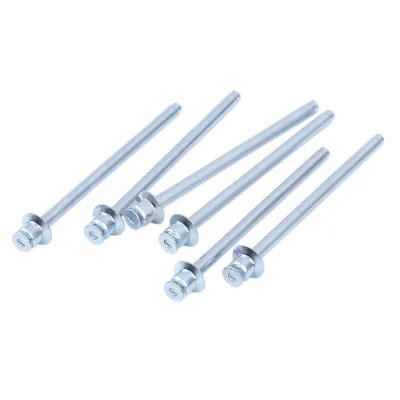
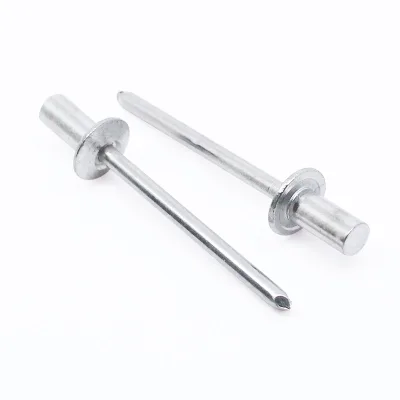

Steel Zinc Single Grip Pop Structure Blind Rivet Single Grip Pop Rivet
$0.023 - $0.132
MOQ: 10000 Pieces


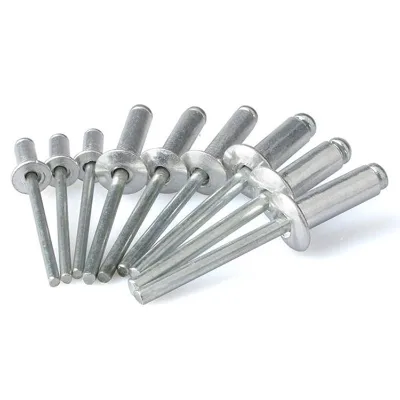
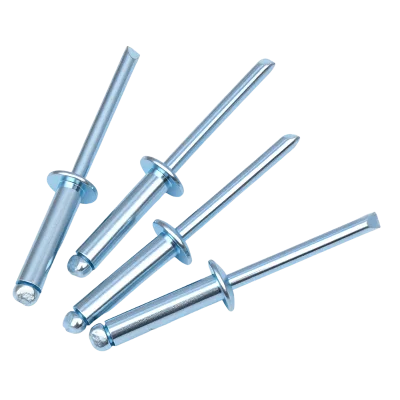
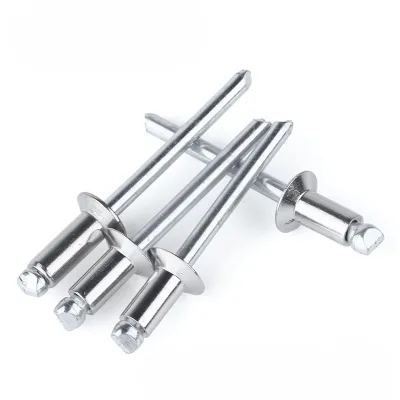


China Factory Hot Sale Competitive Price Pop Rivets Aluminium Blind Rivets
$0.01 - $0.02
MOQ: 5000 Pieces


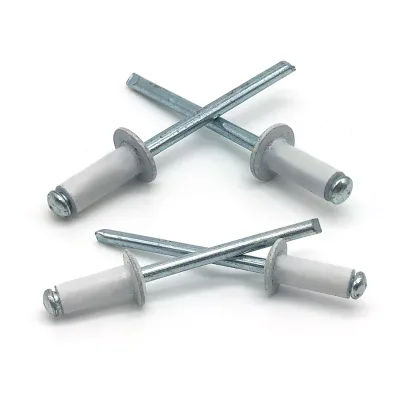
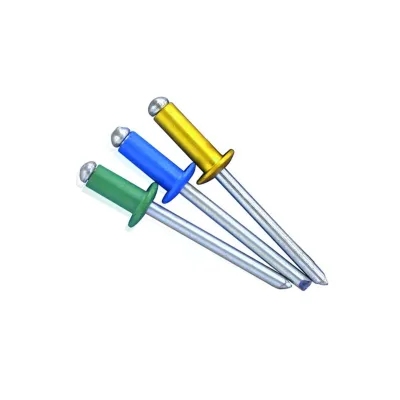
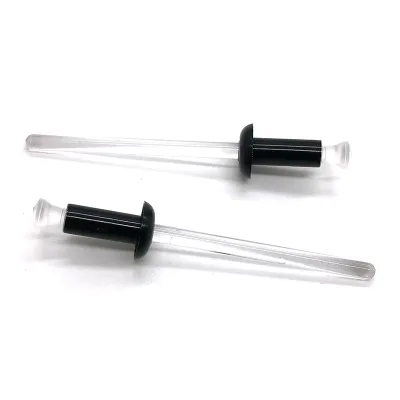
2.4mm 3mm 3.2mm 4mm 4.8mm Color Painted Blind Rivet Manufacturer Pop Rivet
$0.01 - $0.03
MOQ: 10000 Pieces


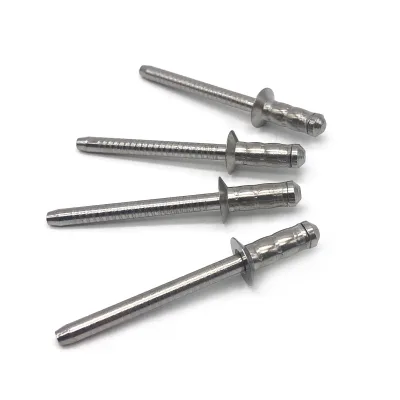


Comprehensive Sourcing Guide
Zinc Plated Pop Blind Rivet Sourcing Guide
Sourcing zinc plated pop blind rivets requires a disciplined approach to balancing corrosion resistance with mechanical performance. These fasteners are widely utilized in structural steel assemblies and metal building applications where reliable joint integrity is paramount. The zinc plating provides a protective barrier against environmental degradation, making these components suitable for both indoor and moderate outdoor environments. Buyers must recognize that while the plating enhances durability, it does not eliminate the need for proper storage and handling to prevent premature corrosion or damage to the threaded or grip sections.
The market offers a diverse range of options, including customized services and various head styles such as open dome and countersunk designs. This variety allows procurement teams to select fasteners that match specific aesthetic or functional requirements, such as flush mounting in visible structures. Understanding the distinction between standard and customized offerings is critical, as customization can impact lead times and minimum order quantities. Buyers should evaluate their volume needs against the supplier’s ability to provide tailored solutions without compromising the structural integrity of the rivet.
Product Scope and Observed Listing Signals
The observed product landscape reveals a significant price range, typically between $0.01 and $0.21 per unit, reflecting variations in material grade, diameter, and length. Minimum order quantities span from single items to 100,000 units, indicating flexibility for both prototype testing and large-scale industrial procurement. This wide MOQ range suggests that suppliers cater to diverse buyer profiles, from small workshops requiring immediate availability to large manufacturers seeking bulk discounts. Procurement specialists should align their order volumes with these thresholds to optimize cost efficiency and ensure supply chain stability.
Listing signals indicate that materials primarily include steel and aluminum, with grades ranging from class 4.8 and 6.8 to Class 8. The presence of both zinc-plated and bright (uncoated) finishes highlights the importance of selecting the correct surface treatment for the intended application. Rivet diameters are available in standard sizes such as 3.2 mm, 4.8 mm, and 6.4 mm, alongside customized options. Buyers must verify that the selected diameter and grip range, which can extend from 300 to 1500 mm in some specialized listings, match the thickness of the materials being joined to ensure optimal clamping force.
Technical Specifications to Verify
Technical verification begins with confirming the rivet type, which includes flat head, countersunk head, and closed end dome head blind rivets. The head diameter, often specified as 1/4 inch for certain models, must be compatible with the installation tool and the hole size in the workpiece. Additionally, the grip range is a critical parameter; while some listings mention ranges up to 1500 mm, typical structural applications may require shorter grip lengths. Buyers should cross-reference the rivet length and diameter with the material thickness to prevent under-gripping or over-gripping, which can lead to joint failure or aesthetic defects.
Thread specifications, including metric and inch options, as well as coarse and fine threads, must be clearly defined for threaded variants or compatible inserts. The standard DIN7337 and other customer-requested standards, such as M2-M12 or M6 to M16, provide a baseline for dimensional accuracy. However, buyers must verify that the supplier’s production capabilities align with these standards, especially when custom specifications are requested. The use of optical screening instruments for inspection suggests a commitment to quality, but buyers should request specific test reports to validate the mechanical properties of the selected grade and finish.
Compliance and Safety Documentation
Compliance documentation is essential for ensuring that zinc plated pop blind rivets meet international safety and environmental standards. Certifications such as ISO, GS, RoHS, and CE are commonly cited, indicating adherence to quality management systems and hazardous substance restrictions. Buyers should request valid certification copies to verify that the supplier’s processes are regularly audited and compliant with current regulations. This is particularly important for products destined for markets with strict environmental laws, where non-compliance can result in significant legal and financial penalties.
The origin of the products, primarily from Guangdong and Wenzhou in China, provides context for the supply chain but does not guarantee quality on its own. Buyers must ensure that the supplier maintains transparent communication regarding the manufacturing process and quality control measures. Documentation should also include material test reports that confirm the grade of steel or aluminum used, as well as the thickness and uniformity of the zinc plating. These documents serve as critical evidence of product consistency and reliability, supporting the buyer’s due diligence and risk management efforts.
Cost Drivers and Commercial Terms
Cost drivers for zinc plated pop blind rivets include material costs, plating thickness, and the complexity of customization. Prices vary based on the grade of the material, with higher grades like Class 8 commanding a premium due to their superior strength. Customization services, such as specific head styles or non-standard diameters, can also increase costs due to the additional setup and production time required. Buyers should analyze the total cost of ownership, considering factors like shipping, handling, and potential rework, rather than focusing solely on the unit price.
Commercial terms, including delivery methods and lead times, play a significant role in the overall procurement strategy. Suppliers offer various delivery options, such as sea freight, air, train, and express, each with different cost and time implications. Lead times can range from 10-15 working days for standard items to longer periods for customized orders. Buyers should negotiate clear terms regarding sample availability, with some suppliers offering free samples if available, to validate product quality before committing to large orders. Understanding these terms helps in planning inventory levels and managing cash flow effectively.
Supplier Qualification and Quality Control
Supplier qualification involves assessing the manufacturer’s production capabilities, quality control systems, and track record. The use of advanced inspection tools, such as optical screening instruments, indicates a commitment to precision and consistency. Buyers should inquire about the supplier’s internal quality control processes, including how they handle defects and ensure batch-to-batch consistency. Additionally, verifying the supplier’s ability to provide customized services without compromising quality is crucial for meeting specific project requirements.
Packaging methods, such as plastic bags, cartons, boxes, and pallets, are important for protecting the rivets during transit. Buyers should ensure that the packaging is suitable for the chosen shipping method and destination, preventing damage or contamination. Some suppliers offer customized packaging solutions, which can be beneficial for specific logistical needs. Evaluating the supplier’s packaging practices provides insight into their overall attention to detail and commitment to delivering products in optimal condition, reducing the risk of damage and associated costs.
Long-Term Procurement Checks
Long-term procurement checks focus on maintaining supplier performance and adapting to changing market conditions. Regular audits and performance reviews help ensure that the supplier continues to meet quality and delivery expectations. Buyers should establish key performance indicators, such as defect rates, on-time delivery percentages, and responsiveness to issues, to monitor supplier performance objectively. These metrics provide a basis for continuous improvement and help identify potential risks before they impact production.
As market dynamics shift, buyers must remain vigilant about changes in material costs, regulatory requirements, and supply chain disruptions. Maintaining open communication with suppliers and staying informed about industry trends can help mitigate risks and identify opportunities for cost savings. Additionally, diversifying the supplier base can reduce dependency on a single source and enhance supply chain resilience. By implementing robust long-term procurement strategies, buyers can ensure a steady supply of high-quality zinc plated pop blind rivets, supporting their operational efficiency and competitive advantage.
FAQs
What certifications do zinc plated pop blind rivets have?
These rivets typically hold ISO, GS, RoHS, and CE certifications. Such credentials ensure compliance with international quality and safety standards. Buyers should verify specific certificates with the supplier to confirm that the delivered goods meet the required regulatory frameworks for their target markets and structural applications.
Can I get customized zinc plated pop blind rivets?
Yes, customized service is available for these fasteners. Manufacturers offer tailored solutions including specific head styles like countersunk or round heads. Buyers can request unique dimensions and packaging options to suit their structural steel or metal building projects, ensuring the fasteners fit their precise engineering requirements.
What materials and grades are used for these rivets?
These rivets are manufactured from steel and aluminum materials. Steel variants often feature zinc plating and are available in grades 4.8, 6.8, and Class 8. Aluminum options provide bright uncoated finishes. This variety allows buyers to select the appropriate strength and corrosion resistance for their specific structural needs.
What is the typical delivery time for these rivets?
The standard delivery time is 10-15 working days. Suppliers offer multiple shipping methods including sea freight, air, train, and express options. This timeframe applies to standard orders, while customized specifications may require additional processing time. Buyers should confirm lead times with the vendor before finalizing their procurement schedule.
What packaging options are available for zinc plated rivets?
Packaging includes plastic bags, cartons, boxes, and pallets. Suppliers provide customized packing solutions to protect the fasteners during transit. Common configurations involve plastic bags combined with cartons or secure palletization for bulk shipments. This ensures the rivets remain clean and undamaged upon arrival at the buyer's facility.
Where are these zinc plated pop blind rivets produced?
These rivets originate from China, specifically from regions like Guangdong and Wenzhou. Manufacturers in these areas are known for producing high-volume fasteners with competitive pricing. Buyers can source directly from these locations to benefit from established supply chains and efficient logistics networks for international distribution.
What rivet diameters and lengths are available?
Available diameters include 2.4mm, 3mm, 3.2mm, 4mm, 4.8mm, 5mm, 6mm, and 6.4mm. Lengths range from 3mm to 12mm, with customized options. These dimensions cover standard metric sizes and allow for specific grip ranges. Buyers can select the exact size needed for their assembly requirements.