18v li-ion rebar tying tool Suppliers and Manufacturers
Compare 23 verified suppliers offering 18v li-ion rebar tying tools with specifications like tying diameter, battery type, and certifications. Review response times, lead times, and pricing to select the right factory for your construction needs; review the available evidence before requesting comparable quotations from suitable candidates.
Updated
Suppliers List

LANGFANG RUNSUN INTELLIGENT TECHNOLOGY CO., LTD.
- Verified by BV
- Trading Company
- China Hebei
- Lead time30 days
- Avg. response≤ 4h
Main productsRebar Cutter, Rebar Bender, Straightenner and Cutter, Stirrup Bender, Concrete Mixer, Concrete Pump, Concrete Pump Spare Parts, Rebar Threading Machine, Rebar Coupler, Electric Tools
Main marketsSouth America,Africa,Southeast Asia/ Mideast,Domestic,Europe,North America

Hailin industrial and Industrial (Shanghai) Co., Ltd.
- Trading Company
- Shanghai, China
- Lead time30 days
- Avg. response≤ 4h
Main productsHydyaulic Tools,Hand Tools,Crimping Tools,Cable Cutter,Rebar tools
Main marketsNorth America(37.00%), Eastern Europe(29.00%), Western Europe(22.00%), Africa(11.00%), Domestic Market(1.00%)
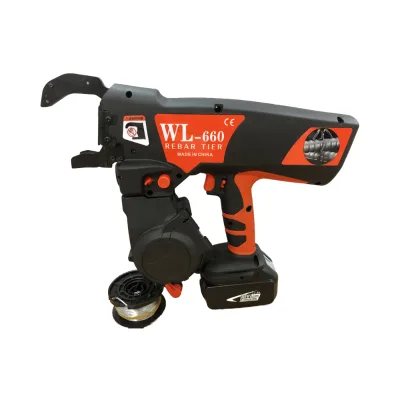
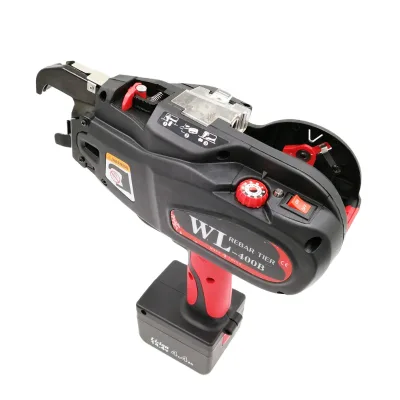
Rebar Tying Machine WL-400 Rebar Tying Tool Kit
$100.00 - $400.00
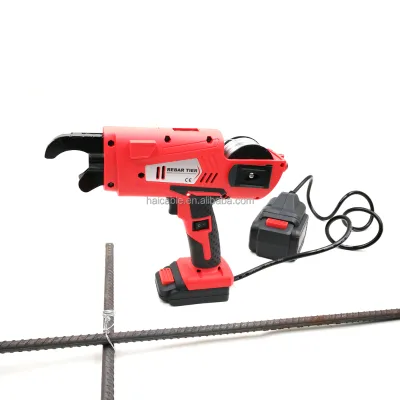
Rebar Tying Tool WL-860 BT-890 Steel Bar Tying Machine
$120.00 - $125.00
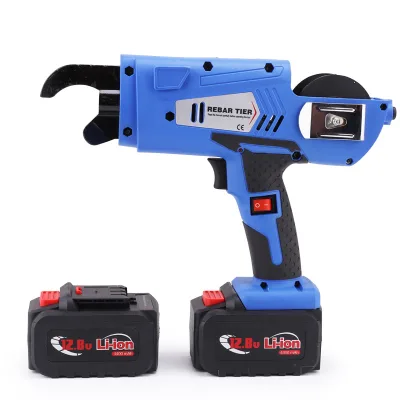
Haicable Construction Tools Automatic Rebar Tying Gun
$120.00 - $140.00
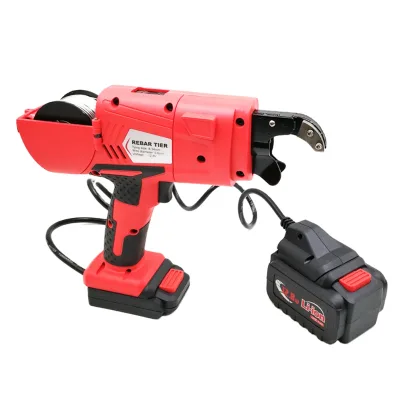
Electric Rebar Tying Tool WL-860 Max Diameter Automatic Concrete Iron Machine
$128.4295 - $154.1157
MOQ: 1 sets
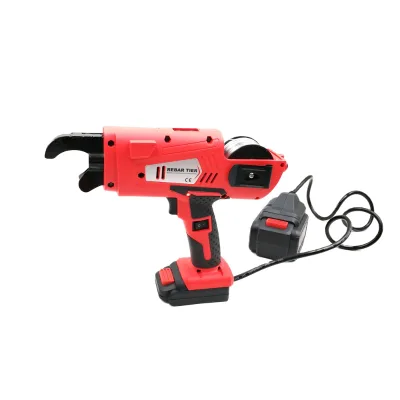
- Verified by SGS Group
- Trading Company
- Lead time10 days
- Avg. response≤ 2h
Main productsBrick Making Machinery, Wall Saw Machine, Electric Power Trowel, Rebar Tying, Diamond Wire Saw Machine
Main marketsSouthern Europe(30%), Africa(25%), Southeast Asia(20%)
Zhejiang Haochuang Industry & Trade Co.,ltd.
- Manufacturer, Trading Company
- Zhe'jiang, China
- Lead time45 days
- Avg. response≤ 21h
Main productsRebar Tying Machine
Main marketsEastern Asia(100.00%), Mid East(100.00%), Oceania(100.00%), Domestic Market(100.00%), Africa(100.00%), South Asia(100.00%), Eastern Europe(100.00%), Central America(100.00%), Southeast Asia(45.00%), North America(30.00%), South America(12.00%), Northern Europe(5.00%), Western Europe(5.00%), Southern Europe(3.00%)
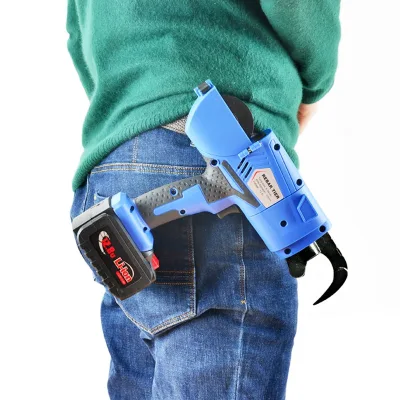
Stainless Steel Max Rebar Wire Tie Tool
$110.00 - $125.00
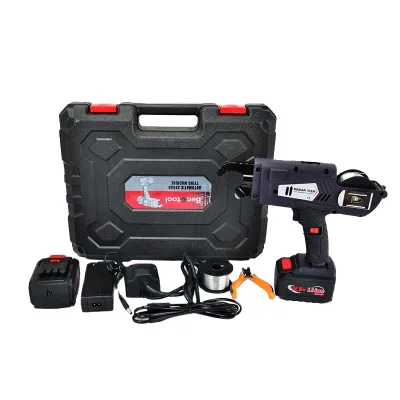
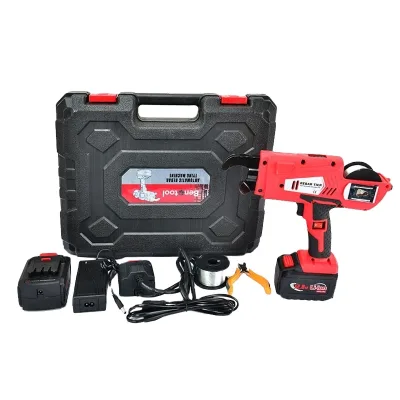
Hand-Held Intellective Battery Rebar Tying Machine
$110.00 - $125.00
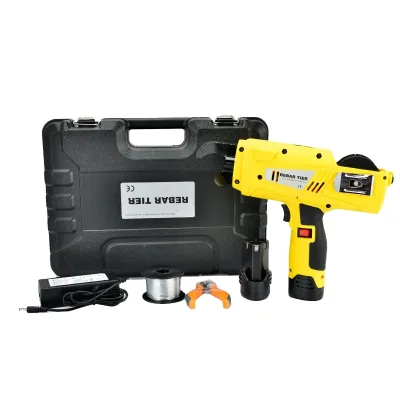
Automatic Rebar Tying Machine Tying Knot Machine Rebar Tier
$100.00 - $120.00
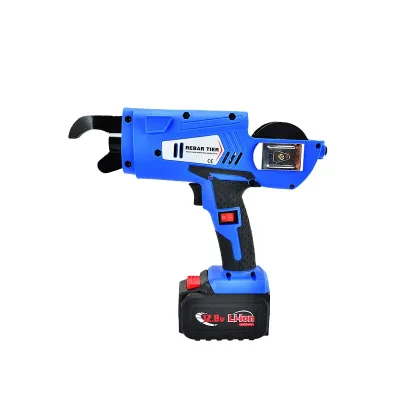
New Automatic Rebar Tying Machine
$110.00 - $125.00

Ningbo Max Machinery Co., Ltd.
- Manufacturer/Factory
- China Zhejiang
- Lead time45 days
- Avg. response≤ 2h
Main productsConcrete Vibrator, Vibrator Motor, Power Trowel
Main marketsSouth America,Eastern Europe,Mid East,North America,Southeast Asia,Eastern Asia,Oceania,Western Europe,Africa


Reinforcing Bar Binding Tool Rebar Tying Machine, Construction Power Tools
$350.00 - $450.00
MOQ: 5 Pieces

Ce Approved Portable Auto Rebar Tying Machine Tools Used for Building Construction
$350.00 - $450.00
MOQ: 5 Pieces

Zhengzhou Minyone Machinery Co., Ltd.
- Verified by SGS
- Trading Company
- China Henan
- Lead time15 days
- Avg. response≤ 4h
Main productsband saw machine
Main marketsDomestic
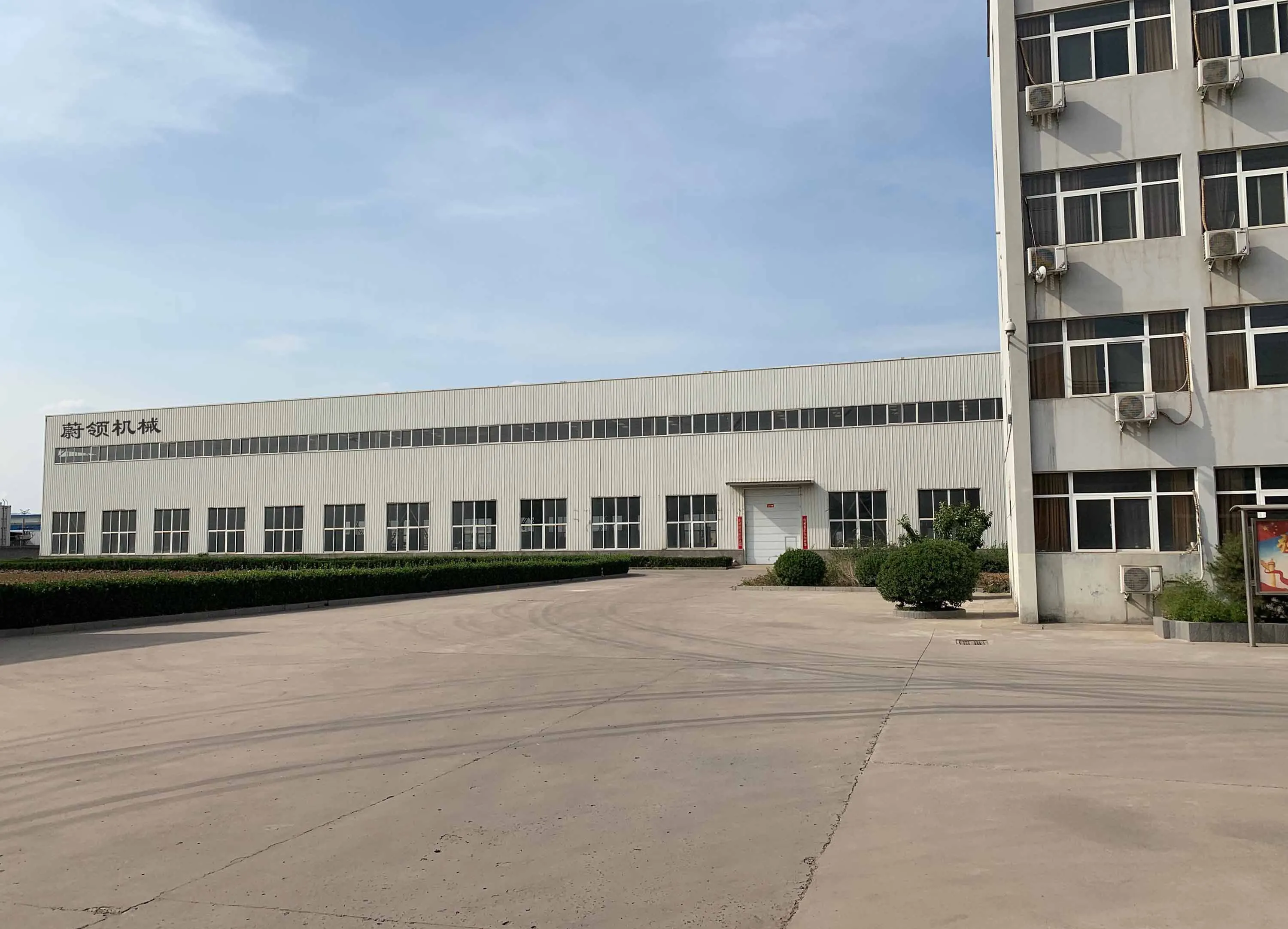
Henan Gleery Machinery Equipment Co., Ltd.
- Manufacturer, Trading Company
- Henan, China
- Lead time7 days
- Avg. response≤ 7h
Main productsTW1061T Tie Wire,TW1060T MAX Binding Wire,Makita Tie Wire,WL-460 Twintier Rebar Tying Machine,WL-660 Twintier Rebar Tier
Main marketsDomestic Market(10.00%), Southern Europe(10.00%), Northern Europe(10.00%), Central America(10.00%), Western Europe(10.00%), Eastern Europe(10.00%), South America(10.00%), North America(10.00%), Eastern Asia(2.00%), South Asia(2.00%), Mid East(2.00%), Oceania(2.00%), Africa(2.00%), Southeast Asia(2.00%)
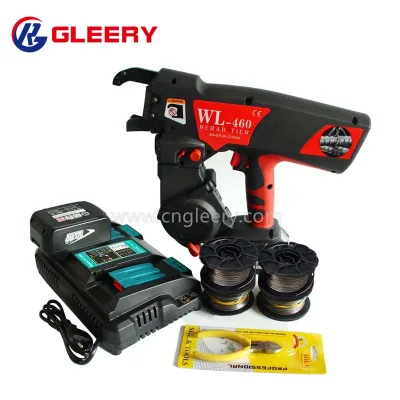
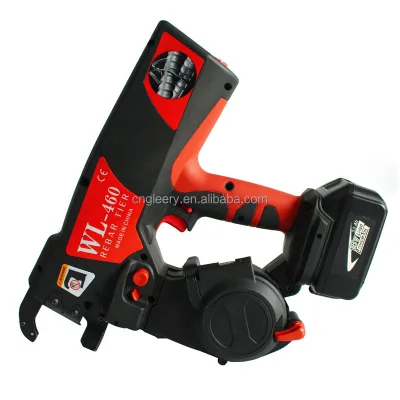
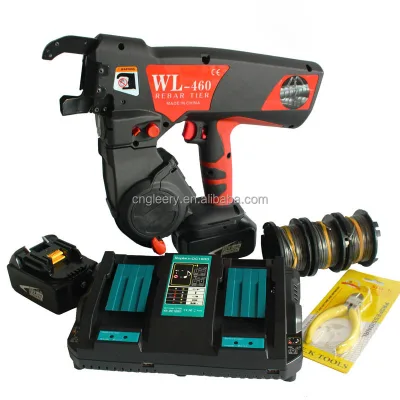
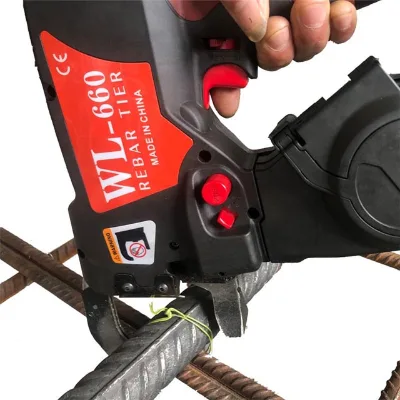
WL-460&660 Twintier Rebar Tier Tying Tools Steel Iron bar Binding Machine,rebar Binder,tie Wire Gun
$750.00 - $850.00
MOQ: 3 sets
Ninghai Sanyuan Electric Tools Co., Ltd.
- Verified by SGS Group
- Manufacturer, Trading Company
- Lead time1 days
- Avg. response≤ 1h
Main productsRebar Tying Machine, Rebar Tying Machine Parts
Main marketsNorthern Europe(20%), Domestic Market(20%), North America(17%)

- Verified by BV
- Trading Company,Manufacturer/Factory,Group Corporation
- China Zhejiang
- Lead time0 days
- Avg. response≤ 5h
Main productsElectric Hoist, Lift Table, Electric Work Platform, Stacker, Pallet Truck, Mechanical Steel Jack, Order Picker
Main marketsSouth America,Eastern Europe,North America,Southeast Asia,Eastern Asia

Liaocheng Haoshuntong Metal Materials Co., Ltd.
- Verified by SGS
- Trading Company
- China Shandong
- Lead time15 days
- Avg. response≤ 2h
Main productsRebar, Carbon Steel Products, Stainless Steel Products, PPGI, Galvanized Steel Products
Main marketsAfrica,Domestic
Hailin Industrial And Development (shanghai) Co., Ltd.
- Verified by Intertek
- Trading Company
- Lead time30 days
- Avg. response≤ 2h
Main productsCrimping Tools, Hydraulic Tools, Cable Cutter, Wire Stripper, Rebar Tools
Main marketsOceania(40%), Africa(20%), Western Europe(20%)
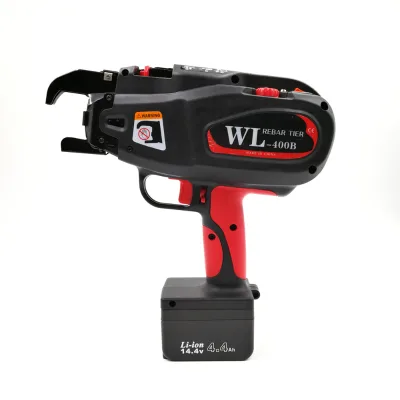
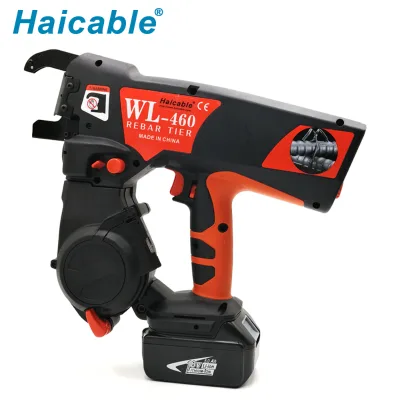
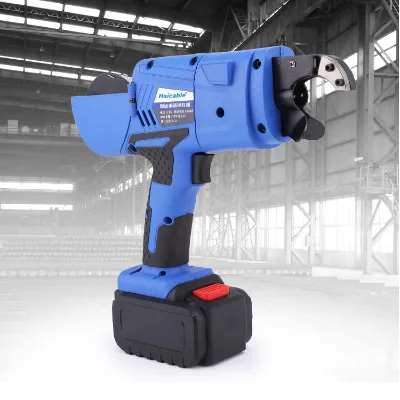
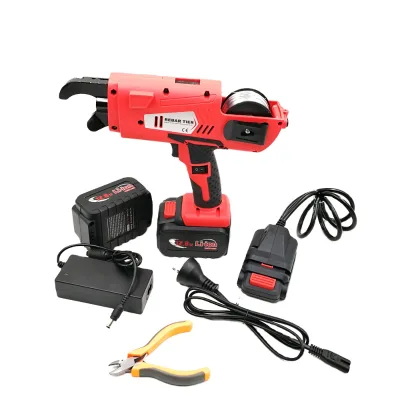
Building Construction Automatic Rebar Tying Tool WL-460 Twin Ring Wire Binding Machine
$1285.1717
MOQ: 1 Minimum

Shandong Pinjia Machinery Technology Co., Ltd.
- Manufacturer, Trading Company
- Shandong, China
- Lead time3 days
- Avg. response≤ 4h
Main productsForklift,excavator,seed planting,spayer machine,construction machine
Main marketsSoutheast Asia(25.00%), Africa(21.00%), Eastern Europe(14.00%), North America(12.00%), Domestic Market(8.00%), South America(8.00%), Mid East(6.00%), Oceania(3.00%), Northern Europe(3.00%)

- Verified by SGS
- Trading Company,Manufacturer/Factory
- China Jiangsu
- Lead time75 days
- Avg. response≤ 10h
Main productsPower Drill, Impact Wrench, Impact Driver, Power Tools Set, Garden Tools, Power Tools Box, Power Tools Battery
Main marketsSouth America,Eastern Europe,North America,Oceania

Cordless Rebar Tying Tool 18V Brushless Automatic Rebar Tier with Tying Strength
$104.00
MOQ: 50 Pieces


Henan Jiashang Zhuoer Machinery Co., Ltd.
- Manufacturer, Trading Company
- Henan, China
- Lead time15 days
- Avg. response≤ 3h
Main productsPower Trowel, Road Roller, Plate Compactor, Rebar Machinery, Full-automatic Rebar Threading Polishing Line
Main marketsMid East(15.00%), Africa(15.00%), Southeast Asia(10.00%), South America(10.00%), Domestic Market(5.00%), South Asia(5.00%), Southern Europe(5.00%), Eastern Europe(5.00%), Northern Europe(5.00%), Central America(5.00%), Western Europe(5.00%), Eastern Asia(5.00%), Oceania(5.00%), North America(5.00%)
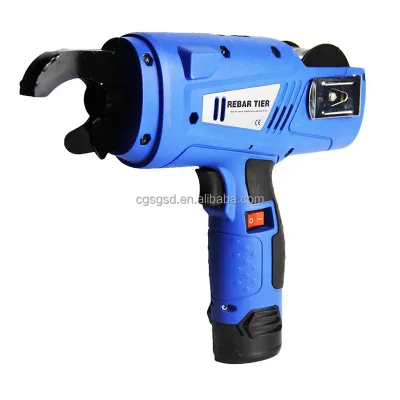
Knot Wire Automatic Tire Machine Brushless Cordless Rebar Tying Tool
$101.7861 - $123.3768
MOQ: 1 sets
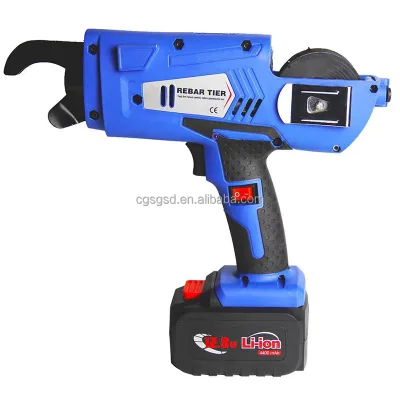
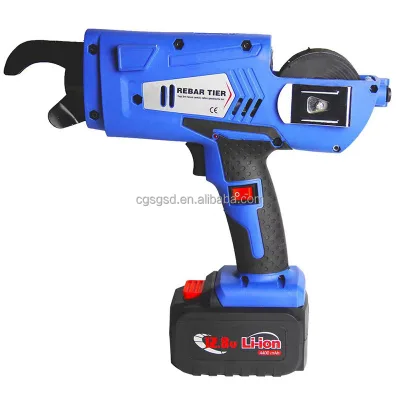
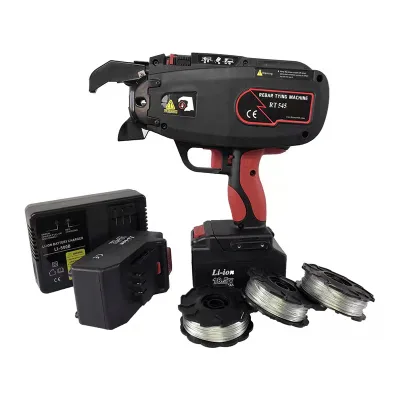
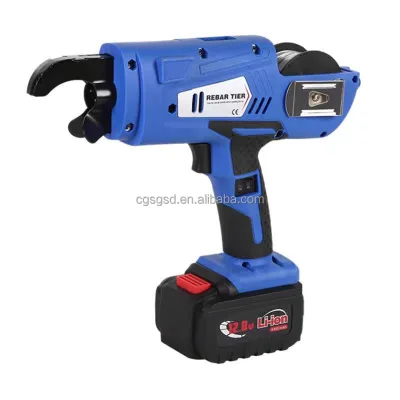
$99.00 - $120.00
MOQ: 1 sets

ZHANGJIAGANG AURUI INDUSTRY CO., LTD.
- Verified by TUVRHEINLAND
- Combined
- China Jiangsu
- Lead time30 days
- Avg. response≤ 17h
Main productsAuto Forging Part, Chin Link for Excvator, Outdoor Stand Patio Heater, Gasoline Tools
Main marketsSouth America,Africa,North America

Rivfast Machinery(Shanghai) Co., Ltd
- Verified by TUVRHEINLAND
- Trading Company,Manufacturer/Factory
- China Shanghai
- Lead time23 days
- Avg. response≤ 2h
Main productsRivet Gun, Cordless Paint Sprayer, Nail Gun, Power Tools, Air Tools
Main marketsSouth America,Eastern Europe,North America,Western Europe
Shandong keruide Heavy Machinery co.,ltd
- Verified by TüVRheinland
- Manufacturer, Trading Company
- Lead time3 days
- Avg. response≤ 4h
Main productsExcavator, Forklift, Skid Steer Loader, Tricycle, Road Roller
Main marketsDomestic Market(25%), North America(20%), Eastern Europe(20%)

Taizhou Shangzheng Hydraulic Tools Co., Ltd.
- Verified by BV
- Combined
- China Zhejiang
- Lead time30 days
- Avg. response≤ 13h
Main productshydraulic crimping tool
Main marketsSouth America,Africa,Southeast Asia/ Mideast,East Asia(Japan/ South Korea),Europe,Australia,North America

Electric Automatic Rebar Tying Machine Construction Tool for 6-40mm Rebar Binding
$440.00 - $448.00
MOQ: 1 Pieces

Portable High Quality Batery Rebar Tier Tools Automatic Rebar Tying Machine
$440.00 - $448.00
MOQ: 1 Pieces

Qidong Junyang Electromechanical Technology Co., Ltd
- Verified by CTI
- Combined
- China Jiangsu
- Lead time23 days
- Avg. response≤ 4h
Main productsPower Tools, Laser Level, Garden Tools, Electric Tools, Hand Tools, Electric Wrench, Electric Saw, Electric Hammer, Electric Drill, Chainsaw
Main marketsDomestic

CHANGSHA XIANGJIA METAL MATERIAL TRADING CO., LTD.
- Verified by BV
- Combined
- China Hunan
- Lead time15 days
- Avg. response≤ 6h
Main productsScaffolding, Ringlock Scaffolding, Cuplock Scaffolding, Kwickstage Scaffolding, Frame Scaffolding, Scaffolding Tube, Scaffolding Coupler, Scaffolding Planks, Scaffolding Accessories, Scaffold
Main marketsSoutheast Asia/ Mideast,East Asia(Japan/ South Korea),North America

Automatic Rebar Tying Machine, 21V Cordless Rebar Tier Tool for Construction
$161.00 - $184.00
MOQ: 54 Pieces

Henan Be Focus Mechanical Equipment Co., Ltd.
- Verified by Intertek
- Trading Company
- Lead time7 days
- Avg. response≤ 2h
Main productsConcrete Machinery, Mortar Spraying Machinery, Concrete Pumps, Road Machinery, Steel Bar Machinery
Main marketsSoutheast Asia(35%), North America(25%), Mid East(15%)
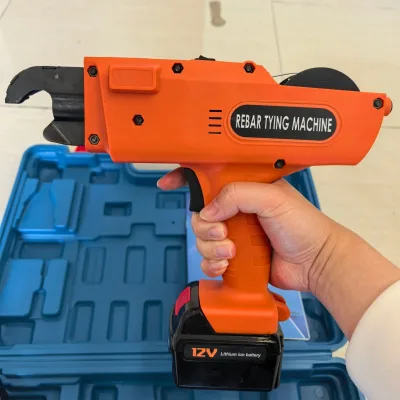
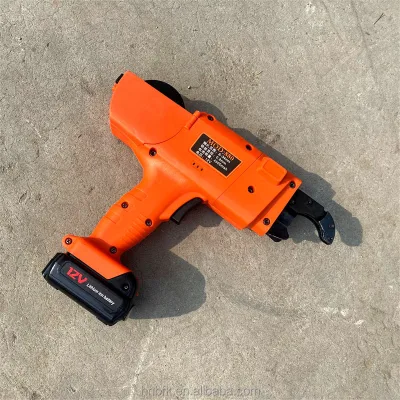
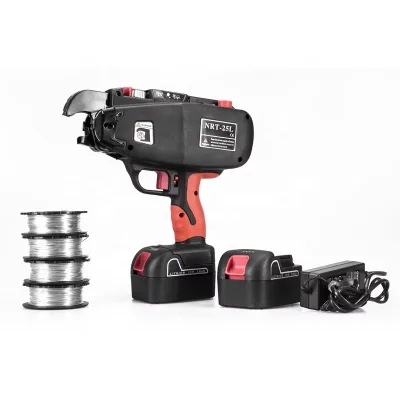
$508.00 - $538.00
MOQ: 1 Minimum

Changge Jinjian Construction Machinery Co., Ltd.
- Verified by SGS
- Combined
- China Henan
- Lead time15 days
- Avg. response≤ 1h
Main productsSteel Bar Bending Center, Rebar Cutting Machine, Rebar Straightening and Cutting Machine, Fully Automatic CNC Steel Bar Straightening and, Steel Wire Set Production Lin, Plate Compactor, Tamping Ramme, Concrete Cutter, Small Road Roller, Construction Tricycle
Main marketsDomestic

Rebar Connecting Tools Electric Working Rebar Torque Wrench Rebar Threading Machine
$450.00 - $475.00
MOQ: 1 Pieces

Electric Battery-Powered Rebar Connecting Tools Rebar Torque Wrench Rebar Threading Machine
$450.00 - $475.00
MOQ: 1 Pieces

Electric Rebar Connecting Tools Battery-Powered Working Torque Wrench Rebar Threading Machine
$450.00 - $475.00
MOQ: 1 Pieces

CHANGZHOU KYA FASTENERS CO., LTD.
- Verified by SGS
- Trading Company
- China Jiangsu
- Lead time15 days
- Avg. response≤ 3h
Main productsRoofing Nail, Wire Nail, Nailer, Staple, Hog Ring, Stapler, Galvanized Wire, Nail Gun, Coil Nail, Pneumatic Tool
Main marketsSouth America,Africa,Southeast Asia/ Mideast,East Asia(Japan/ South Korea),Domestic,Europe,Australia,North America


Steel Bar Tie Wire Twister Electric Rebar Tier Building Construction Tool 46mm
$850.00 - $1200.00
MOQ: 1 Pieces

Rebar Tying Tool Twin Wire Electric Tier Machine for Construction 660
$1100.00 - $1290.00
MOQ: 1 Pieces










Comprehensive Sourcing Guide
18V Li-Ion Rebar Tying Tool Supplier Concentration and Factory Types
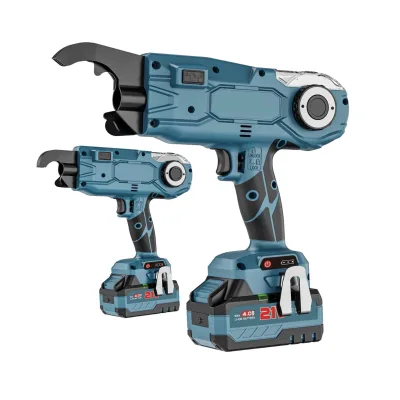
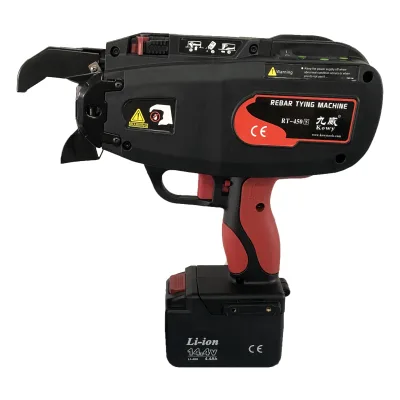
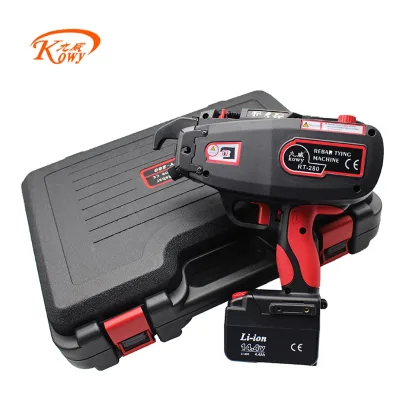
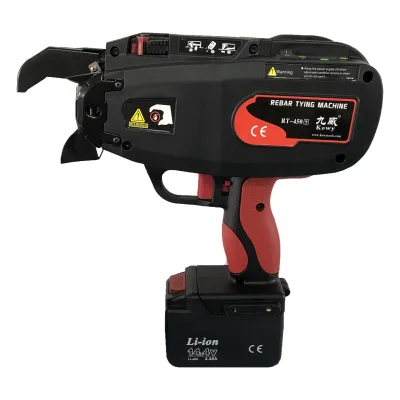
The current supplier landscape for 18V Li-ion rebar tying tools reveals a distinct geographic and structural concentration that buyers must navigate carefully. Evidence indicates that a significant portion of available suppliers are located in China Hebei, with additional presence in Shanghai, China. These locations serve as primary hubs for the manufacturing and trading of construction power tools, including the specific category of automatic rebar tiers. The Hebei cluster appears to host suppliers who list main products such as rebar cutters, benders, and stirrup benders, suggesting a specialized ecosystem focused on steel reinforcement equipment. Meanwhile, Shanghai-based entities often position themselves as trading companies or industrial suppliers offering hydraulic tools and crimping equipment alongside rebar tools. This geographic split implies that buyers may encounter different supply chain dynamics depending on whether they source from the manufacturing heartland of Hebei or the commercial port city of Shanghai. Understanding this distribution is crucial for assessing logistics costs and communication efficiency, as the physical distance between the factory floor and the export port can impact lead times and shipping options.
In terms of company structure, the results highlight a mix of trading companies and potential manufacturers, though verification status varies. Many suppliers are identified as trading companies, which can offer a broader range of related construction tools but may add a layer of margin to the final price. However, some product evidence points to direct manufacturing capabilities, with specific models like the BZ280 and BZ450 originating from Hebei. These products often feature detailed specifications such as tool steel construction and Class III electrical protection, indicating a focus on industrial-grade durability. The presence of ODM (Original Design Manufacturing) capabilities in some supplier profiles suggests that buyers seeking custom branding or specific technical modifications may find viable partners among these entities. It is important to note that while some suppliers display BV verification, this does not automatically confirm factory ownership, as trading companies can also undergo such audits. Buyers should therefore look for explicit statements about manufacturing capacity, such as supply ability metrics like 5000 pieces per month, to gauge whether a supplier is a direct producer or a middleman. This distinction affects not only pricing but also the ability to resolve technical issues or customize battery configurations, which are critical for 18V Li-ion systems.
How to Verify 18V Li-Ion Rebar Tying Tool Suppliers
Verifying the legitimacy and capability of suppliers requires a multi-layered approach that goes beyond surface-level profile views. Buyers should prioritize suppliers who display third-party verification badges, such as BV (Bureau Veritas), as these indicate a level of external audit regarding business legitimacy. However, verification alone is insufficient; buyers must cross-reference the supplier’s claimed main products with their actual inventory. For instance, if a supplier claims to be a specialized manufacturer of rebar tying tools, their profile should consistently list related items like rebar cutters or threading machines rather than unrelated hardware. Additionally, checking the response time is a practical metric for assessing operational efficiency. A response time of approximately 3.13 hours or 4 hours, as seen in some results, suggests a responsive sales team capable of handling urgent inquiries. Buyers should also examine the product attributes closely, looking for specific certifications like CE, CCC, and RoHS, which are essential for market compliance in many regions. These certifications are not just labels; they represent adherence to safety and environmental standards that protect the buyer from liability issues.
Furthermore, buyers must verify the technical specifications of the 18V Li-ion battery systems, as this is the core component of the tool. Product evidence shows variations in battery types, such as DC14.4V Li-ion or DC18V (5.0AH) configurations. Buyers should request detailed datasheets to confirm voltage stability, charging times, and cycle life, ensuring the battery meets the demands of heavy construction use. It is also critical to check the origin of the product, as some listings specify Hebei or Shanghai as the place of origin. This information helps in verifying the supply chain’s transparency and potential for quality control. Buyers should ask for video demonstrations of the tools in action, specifically focusing on the tying speed and knot consistency, which are key performance indicators. For example, some tools boast a tying speed of 0.7 seconds per knot, a metric that should be validated through independent testing or customer reviews. By combining verification badges, technical data scrutiny, and performance metrics, buyers can build a robust profile of each supplier’s reliability and capability, reducing the risk of partnering with unverified entities.
What to Compare Across 18V Li-Ion Rebar Tying Tool Suppliers
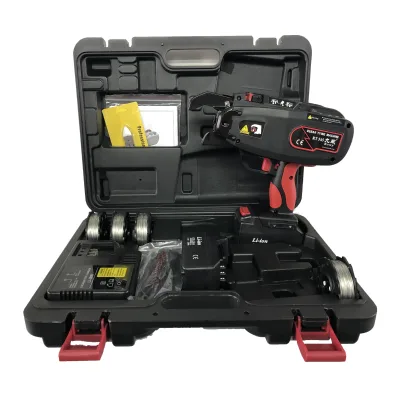
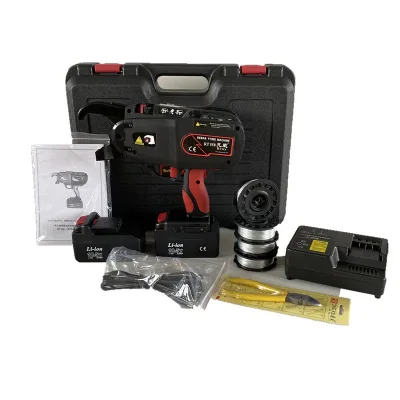
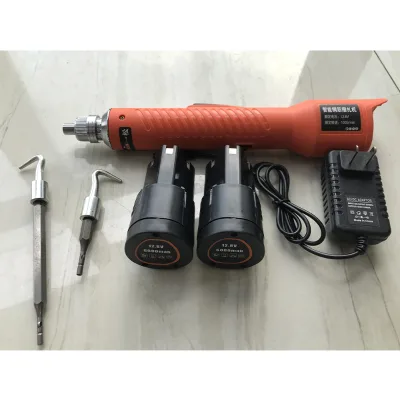
When evaluating multiple suppliers, buyers must establish a clear comparison framework based on key commercial and technical dimensions. One of the most critical factors is the price range, which can vary significantly based on the tool’s specifications and included accessories. For example, some automatic rebar tying tools are priced between $480 and $520, while more advanced models with larger tying capacities, such as up to 65mm, may range from $850 to $1050. Buyers should compare these prices against the included components, such as the number of batteries, chargers, and carrying cases. Some kits include two DC14.4V Li-ion batteries, while others may offer a single DC18V (5.0AH) battery. The inclusion of accessories like sharp nose pliers and inner hexagon spanners also adds value and should be factored into the cost-benefit analysis. Additionally, buyers should compare the maximum tying diameter, which ranges from 40mm to 65mm in the observed results. This specification determines the tool’s versatility and suitability for different construction projects, making it a vital comparison point for buyers with diverse needs.
Another essential aspect to compare is the lead time and minimum order quantity (MOQ). Some suppliers offer an MOQ of just one unit, which is ideal for small-scale procurement or testing, while others may have higher thresholds. Lead times, such as the 30-day period observed in some profiles, impact project scheduling and inventory management. Buyers should also compare the customization options available, such as OEM and ODM support, which can be crucial for brands looking to differentiate their products. The material quality, often specified as tool steel, should be compared across suppliers to ensure durability and resistance to wear. Furthermore, the electrical protection mode, typically Class III, is a standard safety feature that should be consistent across reputable suppliers. Buyers should also look at the warranty terms, with some suppliers offering one-year warranties, which provides an additional layer of security. By systematically comparing these attributes, buyers can identify the supplier that offers the best balance of price, performance, and service, ensuring a successful procurement outcome for their 18V Li-ion rebar tying tool needs.
Common 18V Li-Ion Rebar Tying Tool Sourcing Risks
Sourcing 18V Li-ion rebar tying tools from international suppliers introduces several risks that buyers must proactively manage. One significant risk is the variability in battery quality and performance. Since the tool’s efficiency depends heavily on the Li-ion battery, buyers may encounter inconsistencies in charging times, capacity retention, and overall lifespan. Some products specify a charging time of approximately 60 minutes, while others may have different specifications. Without rigorous testing, buyers risk receiving tools with batteries that degrade quickly, leading to operational downtime on construction sites. Another risk is the potential mismatch between advertised specifications and actual product performance. For instance, while some tools claim a maximum tying diameter of 65mm, real-world performance may vary based on the type of rebar and tying wire used. Buyers should be cautious of suppliers who do not provide detailed technical documentation or who are unwilling to share sample units for testing. This lack of transparency can lead to costly delays and project disruptions.
Additionally, buyers face risks related to after-sales support and warranty claims. If a supplier is a trading company rather than a direct manufacturer, resolving technical issues or obtaining replacement parts may be more complex and time-consuming. The geographic distance between the buyer and the supplier, whether in Hebei or Shanghai, can further complicate logistics for returns or repairs. Buyers should also be aware of the risk of counterfeit or substandard certifications. While some suppliers display CE, CCC, and RoHS certifications, verifying the authenticity of these documents is crucial to avoid compliance issues in the buyer’s home market. Another risk is the potential for supply chain disruptions, especially if the supplier relies on a single source for critical components like tool steel or electronic parts. Buyers should assess the supplier’s supply ability, such as the 5000 pieces per month capacity observed in some profiles, to ensure they can meet large orders without delays. By identifying and mitigating these risks through thorough due diligence and clear contractual terms, buyers can protect their interests and ensure a smooth sourcing process.
18V Li-Ion Rebar Tying Tool Regional Sourcing and Logistics
The regional sourcing of 18V Li-ion rebar tying tools is heavily influenced by the geographic concentration of suppliers in China, particularly in Hebei and Shanghai. Hebei, known for its industrial manufacturing base, offers a cost-effective sourcing option for buyers seeking direct factory prices. However, the logistics from Hebei to major ports may involve additional inland transportation, which can impact lead times and shipping costs. Buyers should consider this when planning their supply chain, as the distance from the factory to the port of dispatch can add days to the overall delivery schedule. On the other hand, Shanghai-based suppliers benefit from proximity to one of the world’s busiest ports, potentially offering faster shipping options and more flexible logistics solutions. This advantage can be particularly valuable for buyers with tight project deadlines or those requiring expedited delivery. Buyers should evaluate the port of dispatch listed in the supplier’s profile, such as Shanghai, to assess the efficiency of the export process.
Furthermore, buyers must consider the implications of regional sourcing on customs clearance and import duties. Different regions may have varying trade agreements or tariff structures that affect the final landed cost of the tools. Buyers should work with their freight forwarders to understand the specific requirements for importing construction tools from China, including any necessary documentation or inspections. The packaging details, such as plastic tool kits and paper cartons, also play a role in logistics efficiency. Proper packaging ensures that the tools and batteries are protected during transit, reducing the risk of damage. Buyers should also consider the weight and dimensions of the shipments, as these factors influence shipping costs. For example, some kits have a gross weight of 7.5kg, which can impact the choice of shipping method, whether by air or sea. By carefully planning the logistics strategy based on the supplier’s location and packaging details, buyers can optimize their supply chain and minimize unexpected costs and delays.
18V Li-Ion Rebar Tying Tool Commercial Terms and Order Planning
Effective order planning for 18V Li-ion rebar tying tools requires a clear understanding of commercial terms and payment structures. Buyers should negotiate terms that align with their cash flow and risk tolerance, such as requesting a deposit followed by payment upon shipment or using secure payment methods like escrow. The minimum order quantity (MOQ) is a critical factor in order planning, with some suppliers offering an MOQ of one unit, which allows for flexible purchasing. However, for larger orders, buyers may need to commit to higher volumes to secure better pricing or prioritize production slots. Lead times, such as the 30-day period observed, should be factored into the project schedule to ensure timely delivery. Buyers should also clarify the warranty terms, with some suppliers offering one-year warranties, and understand
FAQs
What certifications do 18V Li-ion rebar tying tools have?
Most available models carry CE, CCC, and RoHS certifications to ensure safety and compliance. Some variants may only list CE and CCC. These marks indicate the tools meet specific electrical protection standards, typically Class III, for safe operation in construction environments.
What is the typical lead time for these tools?
Standard lead times are approximately 30 days for production and shipping. Buyers should confirm exact schedules with suppliers, as capacity and order volume can affect delivery. Trading companies may have different processing times compared to direct manufacturers.
What is the minimum order quantity for rebar tying tools?
The minimum order quantity is often just one unit, allowing for sample testing. This low MOQ facilitates initial evaluation of tool performance and battery life before committing to larger bulk orders for construction projects or resale.
What is the price range for automatic rebar tying tools?
Prices typically range from $100 to $1,400 depending on specifications. Basic kits may start around $100, while high-capacity models with larger tying diameters and faster speeds can cost up to $1,400. Battery inclusion affects final pricing.
Where are these tools primarily manufactured?
Manufacturing is concentrated in China, specifically in Hebei and Shanghai regions. Hebei suppliers often focus on heavy-duty construction tools, while Shanghai-based suppliers may offer specialized hydraulic or twin-wire automatic models with different battery configurations.
What is the maximum rebar diameter these tools can tie?
Maximum tying diameters vary by model, ranging from 40mm to 65mm. Standard automatic tools often handle up to 45mm, while heavy-duty portable models can tie rebar up to 65mm in diameter for large structural applications.
How fast can these tools tie a knot?
Tying speed typically ranges from 0.5 to 0.7 seconds per knot. High-speed automatic models achieve this efficiency, significantly reducing labor time compared to manual tying. Consistent speed ensures uniform knot quality across large construction sites.